Bun Rieu Explained: Vietnam’s Crab & Tomato Noodle Soup
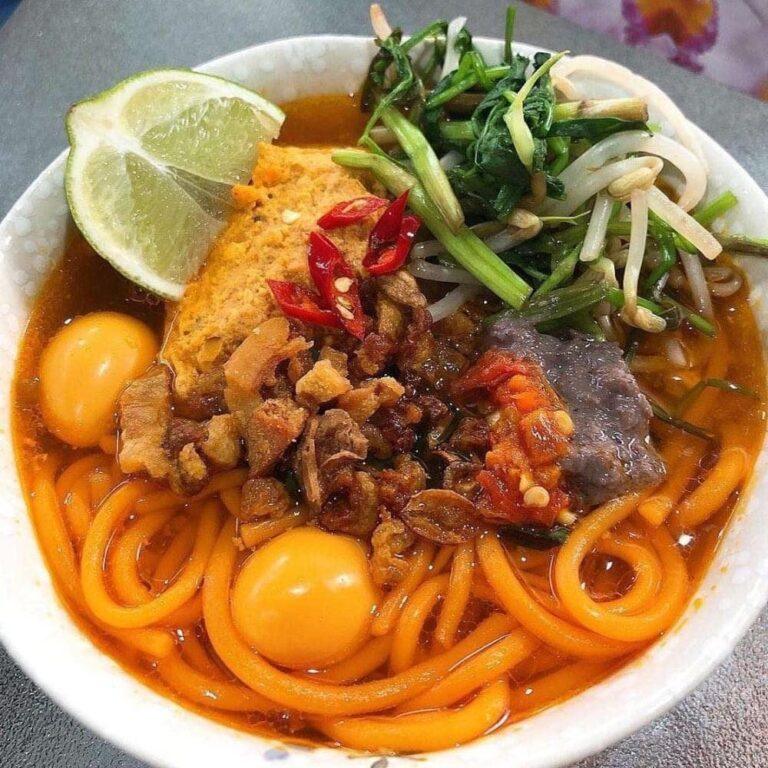
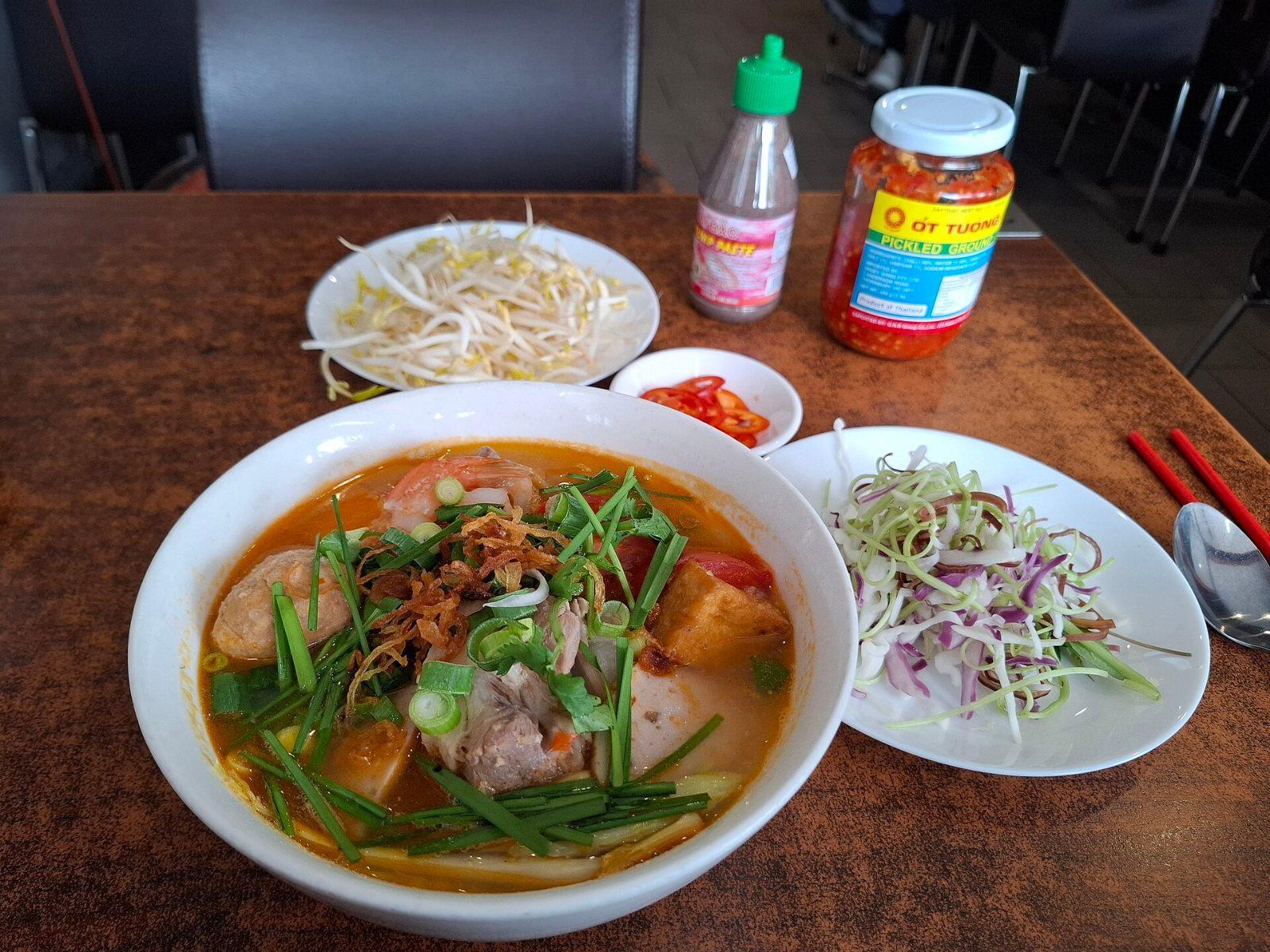
Bun rieu is a tomato-red Vietnamese noodle soup built around a light, tangy broth made with freshwater crab paste, and it’s one of the country’s most comforting everyday noodle dishes without being as internationally famous as pho. Thin rice vermicelli sits under a broth studded with tomato, a crab-and-egg cake called rieu, tofu, and sometimes pork or blood cake, all finished with fresh herbs, shredded banana blossom, and a squeeze of lime. It’s sold everywhere from breakfast carts to sit-down restaurants across Vietnam, and it’s worth seeking out even if the name doesn’t ring a bell yet.
What is bun rieu?
Bun rieu (pronounced roughly “boon zee-oh” in the north, “boon ree-oh” in the south) is a Vietnamese noodle soup built on a broth made from pounded freshwater crab, tomato, and often fermented shrimp paste for depth. The crab and egg mixture cooks into loose, savory curds — the rieu itself — that float through the soup along with cubes of fried tofu, tomato wedges, and thin rice vermicelli noodles. It’s tangier and lighter than pho, with a distinct savory-sweet note from the tomato that makes it feel more like a warm-weather dish.
What’s the difference between bun rieu and other Vietnamese noodle soups?
| Dish | Broth base | Noodle | Signature flavor |
|---|---|---|---|
| Bun Rieu | Crab paste + tomato | Thin rice vermicelli (bun) | Tangy, savory-sweet, light |
| Pho | Long-simmered beef or chicken bone broth | Flat rice noodles | Deep, aromatic, star anise and cinnamon |
| Bun Bo Hue | Beef + lemongrass, chili oil | Thick round rice noodles | Spicy, bold, lemongrass-forward |
TTC Verdict: Bun rieu is one of the best “everyday” bowls in Vietnam precisely because it’s lighter and tangier than pho — order it if you want something that feels fresher for breakfast or lunch on a hot day.
What toppings come with bun rieu?
Beyond the crab-and-egg rieu itself, a typical bowl includes fried tofu cubes, ripe tomato wedges, and sometimes a slice of gio (Vietnamese pork sausage) or a piece of congealed pork blood cake, depending on the region and vendor [VERIFY regional variation]. It’s served with a generous side plate of fresh herbs, shredded banana blossom, bean sprouts, and lime, all meant to be added at the table to taste — along with a spoonful of mam tom (fermented shrimp paste) or chili oil for those who want extra funk or heat.
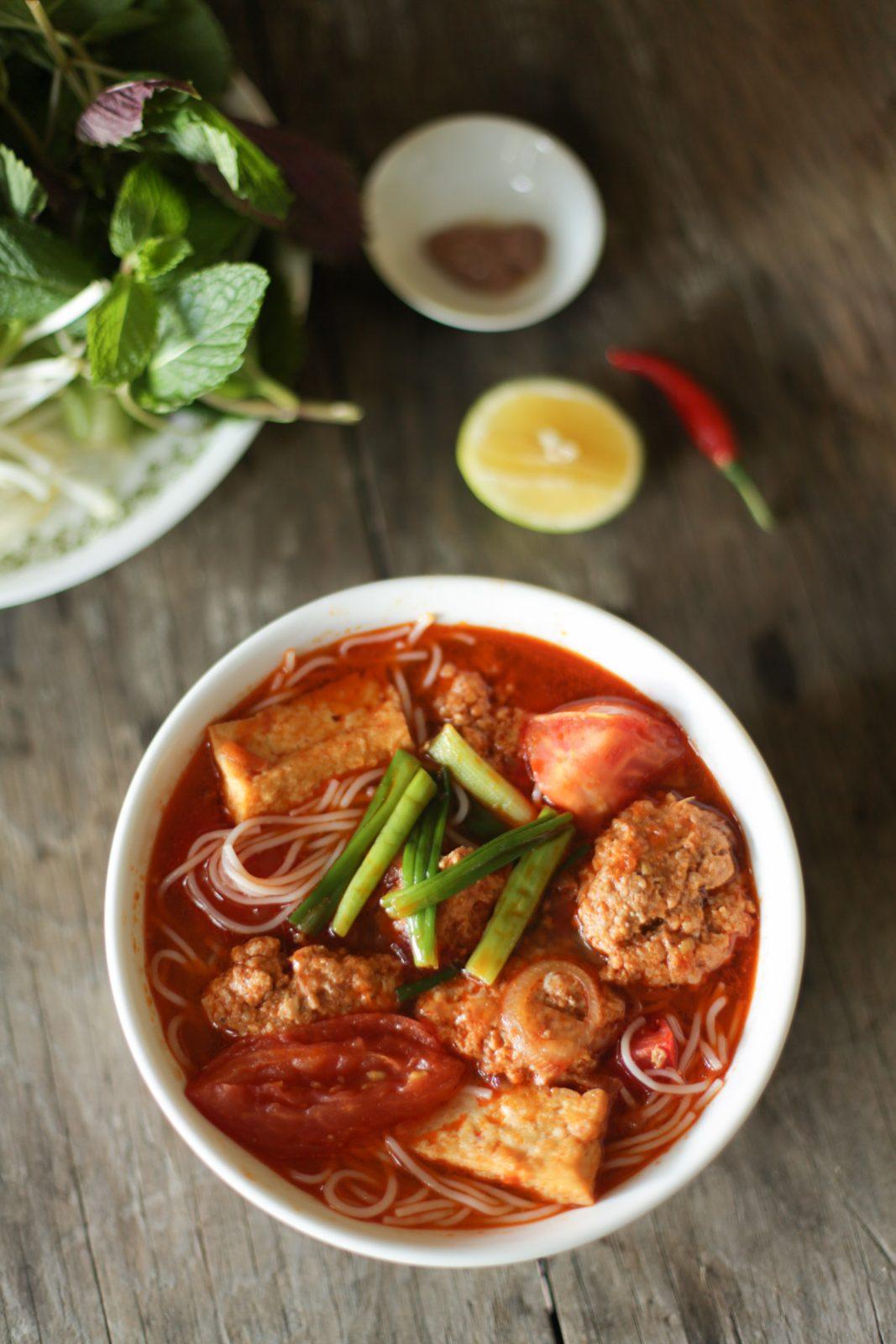
Bun rieu: HungryHuy / CC BY 2.0
Where can I try bun rieu in Vietnam?
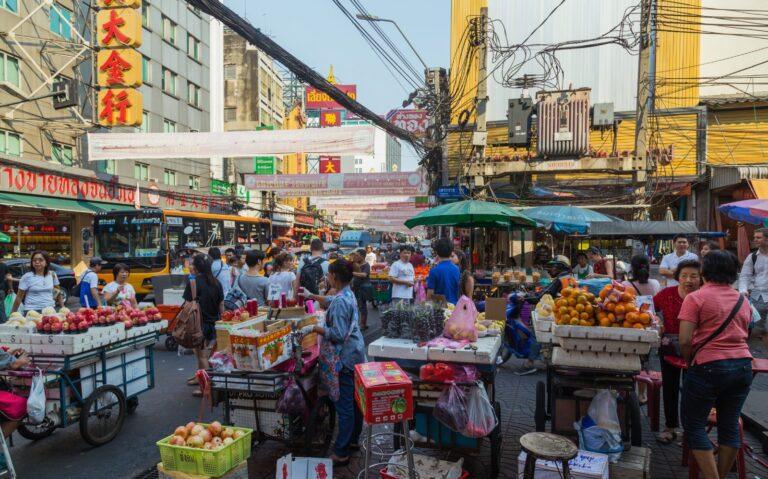
Bun rieu is sold nationwide, from Hanoi’s Old Quarter to Ho Chi Minh City’s back streets, most often at simple street stalls and market food courts rather than upscale restaurants — it’s considered a humble, everyday dish rather than a special-occasion one. It’s commonly eaten for breakfast or lunch, and a bowl typically costs a fraction of what a sit-down restaurant meal would run [VERIFY current pricing].
A tangy broth of freshwater crab paste and tomato, thin rice vermicelli noodles, fried tofu, and a crab-and-egg mixture that cooks into savory curds, topped with fresh herbs and lime.
Not by default — it’s tangy and savory-sweet rather than spicy, though chili oil is usually available on the side for anyone who wants heat.
Bun rieu uses a light, tomato-and-crab broth with thin vermicelli noodles, while pho uses a deep, long-simmered beef or chicken broth with flat rice noodles — bun rieu is tangier and lighter overall.