
What to Eat in Phu Quoc: Fish Sauce, Seafood, and Pepper
Phu Quoc’s food identity is built on two exports: fish sauce (nuoc mam) and fresh seafood. The island’s fish sauce has been made the same way for more than 200 years and carries a geographic-indication protection similar to Champagne’s — meaning genuine Phu Quoc nuoc mam can only be made here. Pair a factory visit with a seafood dinner in Duong Dong and you’ve covered the island’s two signature food experiences in a single day.
Why Is Phu Quoc Fish Sauce So Famous?
Phu Quoc nuoc mam is considered Vietnam’s benchmark fish sauce because of its production method: anchovies are salted on the boat immediately after catch, then fermented in large wooden barrels for 9 to 15 months. This produces a higher nitrogen and protein content — typically 35 to 45 degrees N — than mass-produced sauces, along with the distinctive deep amber-to-puce color connoisseurs look for. In , Vietnam’s Ministry of Culture, Sports and Tourism recognized the craft as a piece of national intangible cultural heritage.
| Grade | Nitrogen Content | Best Use |
|---|---|---|
| Nhi (2nd draw) | Lower | Everyday cooking, marinades |
| Nhat (1st draw) | Moderate–high | Dipping sauces, finishing dishes |
| Dac biet (special) | Highest (35–45°N) | Table sauce, gifting, the premium bottles factories sell to visitors |
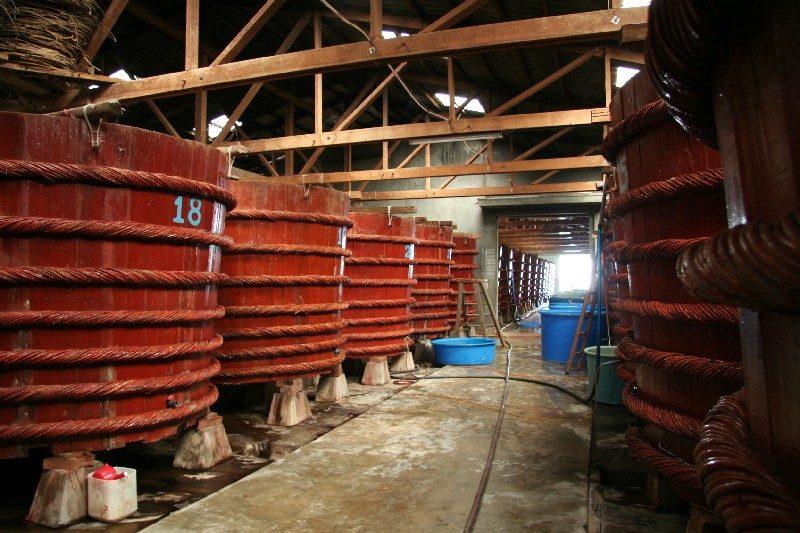
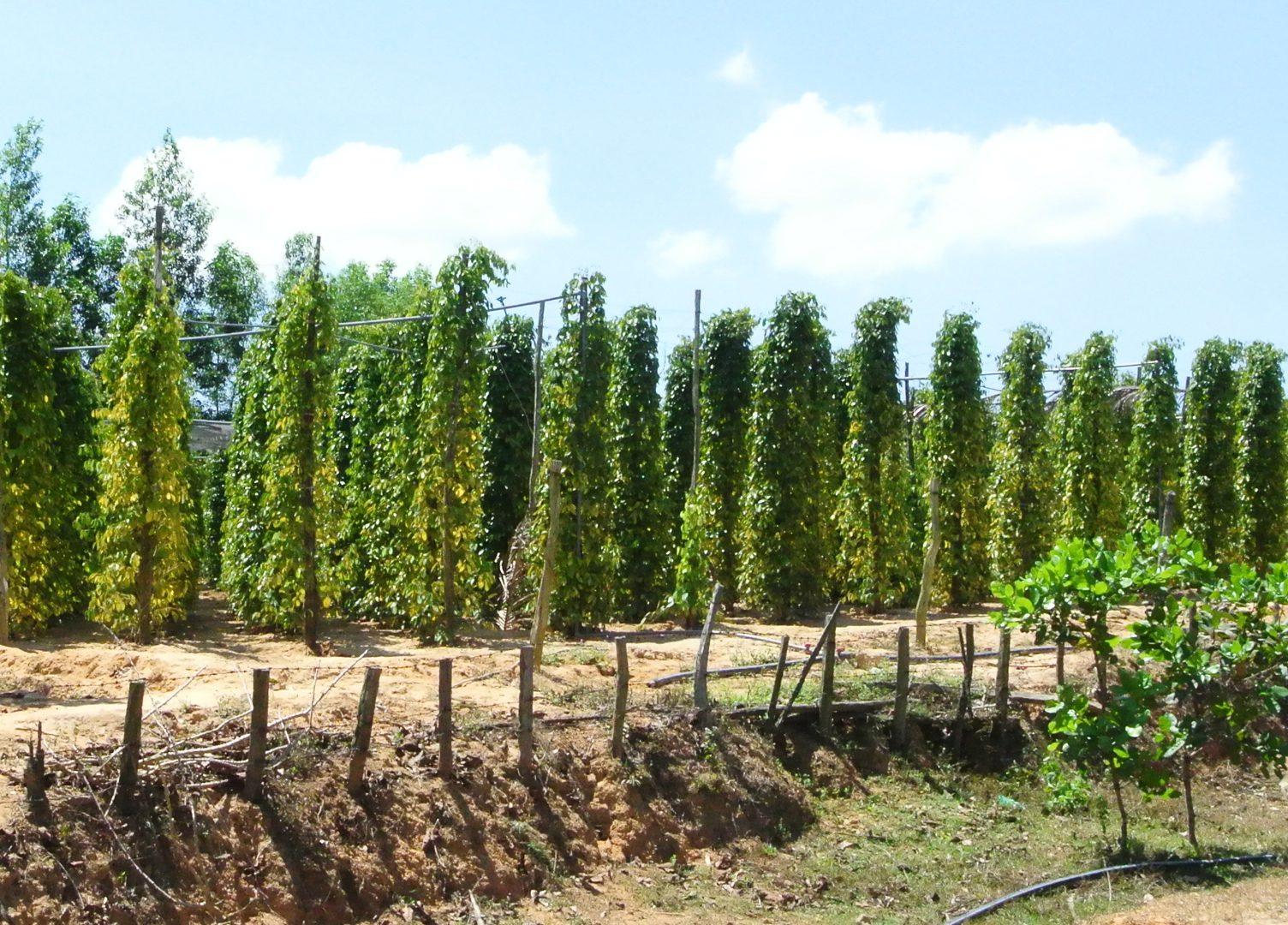
Fish sauce barrels: Stefan from Dresden, Germany / CC BY 2.0 · Pepper farm: Tonbi ko / CC BY-SA 4.0
What Else Should You Eat on Phu Quoc?
Beyond fish sauce, Phu Quoc’s food scene runs on fresh seafood and one distinctive crop: pepper grown in the island’s red basalt soil, considered among Vietnam’s best. A few worth building a meal — or a day — around:
- Grilled seafood at Ham Ninh fishing village — a working harbor about 30 minutes from Duong Dong where seafood goes straight from boat to grill
- Dinh Cau Night Market — the island’s main food market, with grilled skewers, fresh seafood stalls, and local desserts in a lantern-lit setting
- Phu Quoc pepper — sold fresh or dried at farms and markets; a lighter, more fragrant heat than the pepper most travelers are used to Specific farm names before recommending a particular one.
Its wooden-barrel fermentation process, 9 to 15 month fermentation time, and higher nitrogen content set it apart, along with a geographic-indication protection that limits the name to sauce actually made on the island.
Yes — several factories near Duong Dong offer short, informal tours showing the fermentation barrels, usually ending at a small shop where you can buy bottles directly.
It runs higher than mainland Vietnam because of the island’s resort economy and import costs for non-seafood items, but seafood itself — caught locally — is often good value, especially at Ham Ninh or the night market.
Dinh Cau Night Market in Duong Dong is the single best one-stop option — grilled seafood, local dishes, and dessert stalls all in a walkable area. See our things to do guide for how to pair it with a Dinh Cau Temple visit beforehand.
One Comment