

How to Use Grab in Vietnam: A Tourist’s Guide to Ride-Hailing
Grab is the easiest ride-hailing app to use in Vietnam as a foreign visitor — it accepts your home phone number and foreign credit card, runs in full English, and works the same way in Hanoi, Ho Chi Minh City, and Da Nang. It is no longer automatically the cheapest option, though: Xanh SM, a local electric-vehicle fleet, has overtaken Grab as Vietnam’s largest ride-hailing app and frequently undercuts it on price. This guide covers setup before you land, what a ride actually costs, and when it is worth trying an alternative.
How Do You Set Up Grab in Vietnam as a Tourist?
Download the Grab app before you fly and register with your regular home phone number — international SMS verification works fine and takes about two minutes. Add a foreign Visa or Mastercard in the payment section, or simply plan to pay cash, which every driver accepts without issue. There is no need for a Vietnamese SIM just to get Grab running, though you will need mobile data to actually book and track a ride once you land (see our Vietnam eSIM guide if you have not sorted that out yet).
| App | Best For | English Support | Payment | Typical Price vs. Grab |
|---|---|---|---|---|
| Grab | First-time visitors, simplest setup | Full English app | Foreign card or cash | Baseline |
| Xanh SM | Lower fares, electric fleet, no exhaust smell | English supported | Cash or linked card | Often 10–20% cheaper |
| Be | Cheapest motorbike fares | Limited English | Mostly cash | Cheapest, but needs a VN number for full features |
TTC Verdict: Keep Grab as your default — it is the least fussy option and the one built for a foreign phone number and foreign card. Once you have used it for a day or two and feel comfortable navigating a ride-hailing app in Vietnam, open Xanh SM alongside it and compare the quoted price before you book; on longer or cross-town rides the savings add up fast.
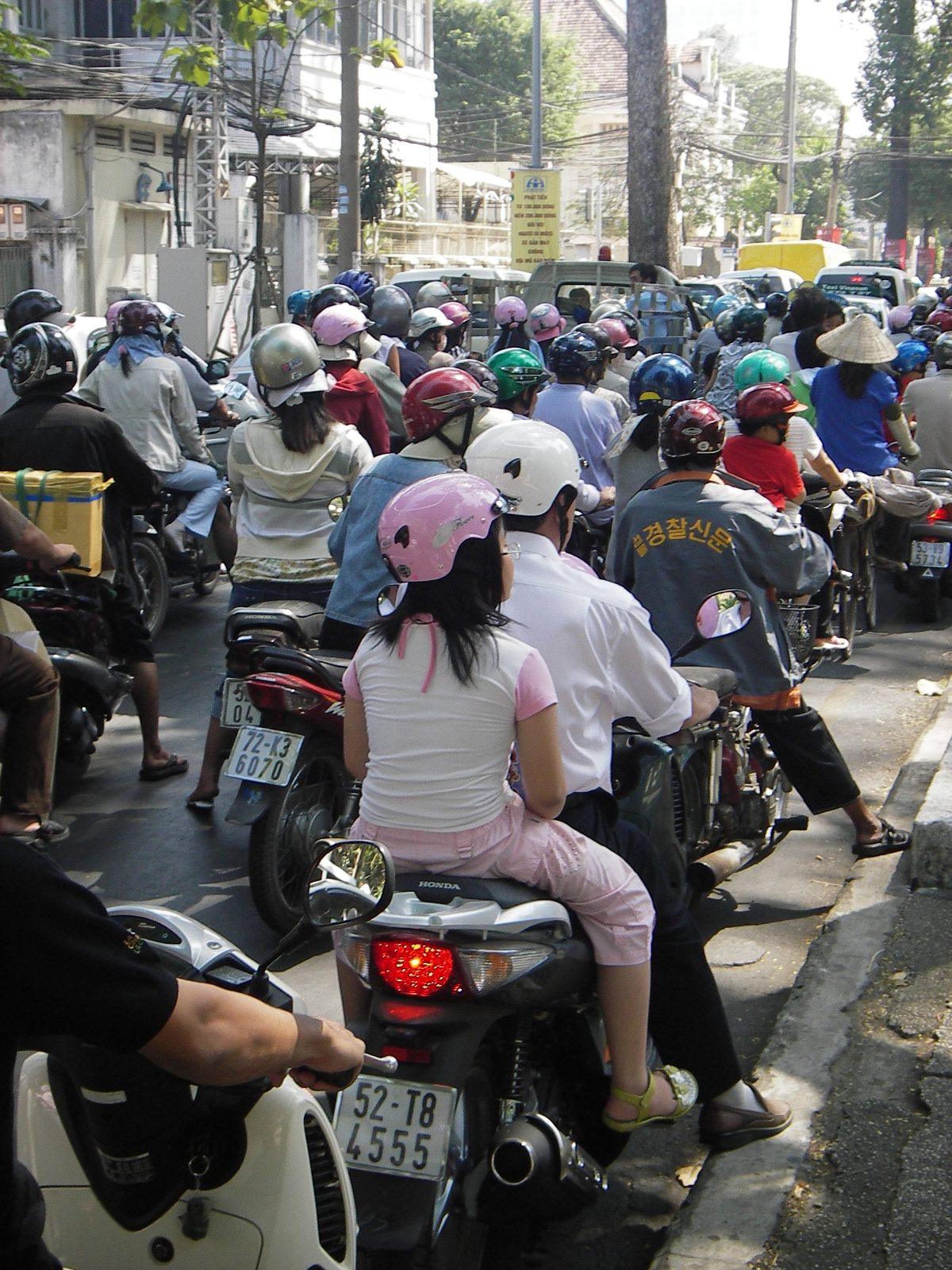
How Much Does a Grab Ride Actually Cost in Vietnam?
A short GrabBike hop across a city center runs roughly 15,000–25,000 VND (under $1), while the same trip by GrabCar runs 30,000–50,000 VND. Airport-to-city-center transfers are the biggest expense, typically landing between 90,000 VND for a GrabBike and 380,000 VND for a larger GrabCar depending on distance and traffic. Grab does not publish a fixed public rate card, but the ranges below are cross-checked against two independent 2026 fare breakdowns and landed within a few hundred VND of each other, so treat them as a reliable planning range rather than an exact quote.
Should You Tip Your Grab Driver in Vietnam?
No — tipping is not expected for ride-hailing in Vietnam, and the fare quoted in the app before you book is the entire transaction. Drivers do not wait for a tip and will not seem put off if you simply say thank you and go. This is different from restaurant service in some tourist-heavy areas, where a small tip is increasingly common but still optional.
Is Xanh SM or Be Actually Better Than Grab for Tourists?
Xanh SM is worth trying once you are comfortable in Vietnam — its all-electric VinFast fleet is quieter and often 10–20% cheaper than Grab on the same route, and the app now supports English. Be tends to have the lowest motorbike fares of the three but leans harder on a Vietnamese phone number for full account features, which makes it a better fit for a longer stay than a short holiday. None of the three requires you to commit exclusively — most long-term expats in Vietnam keep two apps installed and compare the quote before every ride.
No. Grab accepts your home country phone number for both sign-up and SMS verification, so you can register before you even leave for your trip.
Yes, Grab accepts most foreign Visa and Mastercard credit cards. Cash is also accepted by every driver if you would rather avoid adding a card at all.
Xanh SM is frequently cheaper — often by 10 to 20 percent on the same route — since it overtook Grab as Vietnam’s largest ride-hailing app. Comparing both apps before booking a longer ride is worth the extra minute.