Mu Cang Chai Itinerary: 2–4 Days
A 3-day, 2-night trip is the sweet spot for Mu Cang Chai: enough time to reach the district, catch sunrise and sunset light at two or three viewpoints, do one trek or paragliding flight, and make the long drive back without rushing. Two days works if you’re combining Mu Cang Chai with Ha Giang or Sapa on a longer northern loop; four days suits photographers who want backup days in case of fog or rain.
How Many Days Do You Need in Mu Cang Chai?
Budget at least 3 days total: one day for the 6-8 hour drive from Hanoi, one full day exploring the terraces and villages, and one day for the return trip (which can double as sightseeing if you stop at Khau Pha Pass and Tu Le valley along the way). Travelers combining Mu Cang Chai with Ha Giang or Sapa into a longer northwest loop should budget 6-7 days total, since the connecting roads are slow mountain routes rather than direct highways.
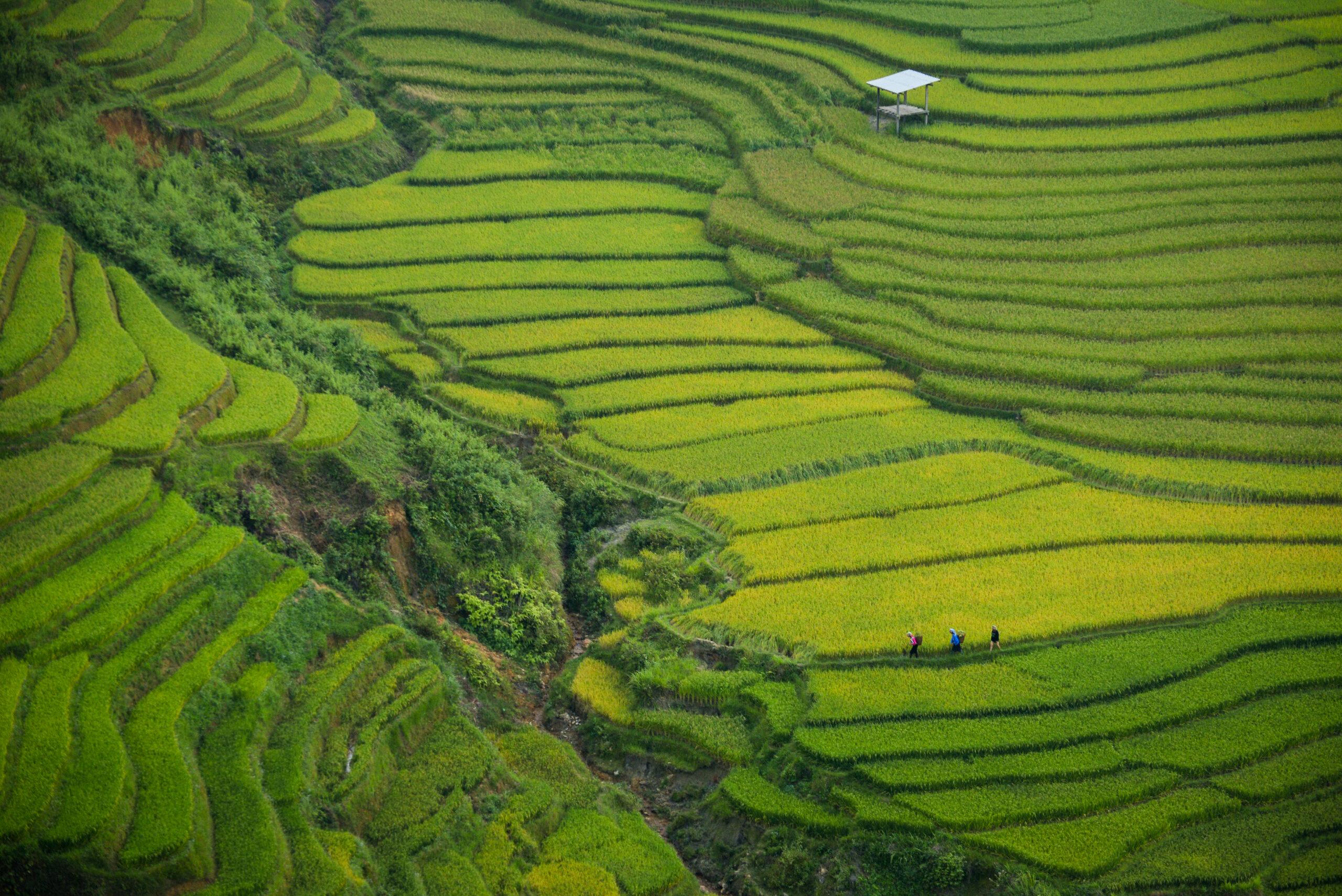
Green-season terraces near Khau Pha Pass, along the drive into Mu Cang Chai
Day 1: Travel From Hanoi to Mu Cang Chai
Leave Hanoi early — by bus, private car, or motorbike — and expect 6-8 hours on the road via National Road 32 through Nghia Lo. Break up the drive with a stop in Tu Le valley for lunch (the sticky rice here is a local specialty) and another at Khau Pha Pass itself, where a roadside viewpoint gives you your first look at terraced fields folding into the mountains. If you want to add adventure to the transfer, a guided half-day private trek around Mu Cang Chai can be booked for the afternoon after you arrive, timed for softer late-day light. Check into your homestay or ecolodge (see our where-to-stay guide) and rest before an early start the next morning.
Day 2: The Four Viewpoints and a H’mong Village Trek
Start before sunrise if you can — the terraces are at their most atmospheric with morning mist still sitting in the valleys. A typical day covers La Pan Tan (best for sunset, but worth an early visit to beat the crowds), Mam Xoi’s distinctive round terraces, and a short walk through Che Cu Nha or De Xu Phinh village to see H’mong daily life away from the viewpoints. For a guided version of this day that includes a local H’mong guide and lunch, the half-day private trekking tour covers the main trails without you needing to navigate unmarked paths yourself.
In the afternoon, head back toward Khau Pha Pass for one of Vietnam’s more memorable adventure add-ons: tandem paragliding off the pass with the terraces spread out below. Flights depend on wind conditions and typically run seasonally around the harvest window — a Mu Cang Chai paragliding experience books a flight with a certified pilot, which is worth arranging a day or two ahead rather than showing up and hoping for a slot.
Day 3 (Optional): Add Tu Le Valley or Extend Toward Ha Giang
If you have a third day, spend the morning in Tu Le valley, known for its own smaller terraces, hot springs, and sticky rice fields, before starting the drive back to Hanoi. Travelers continuing on to Ha Giang or Sapa instead of returning to Hanoi should budget a full driving day for the connecting mountain roads, which are scenic but slow. For a packaged version of the whole trip that includes transport, guide, and meals, the 2-day Mu Cang Chai rice terrace tour from Hanoi handles the logistics end to end, which suits travelers who would rather not arrange buses and homestays separately.
TTC Verdict: Go for 3 days if this is your only northwest Vietnam stop — it gives you two full days among the terraces without an exhausting drive. Stretch to 2 days only if you’re folding Mu Cang Chai into a longer Ha Giang or Sapa loop and time is tight.
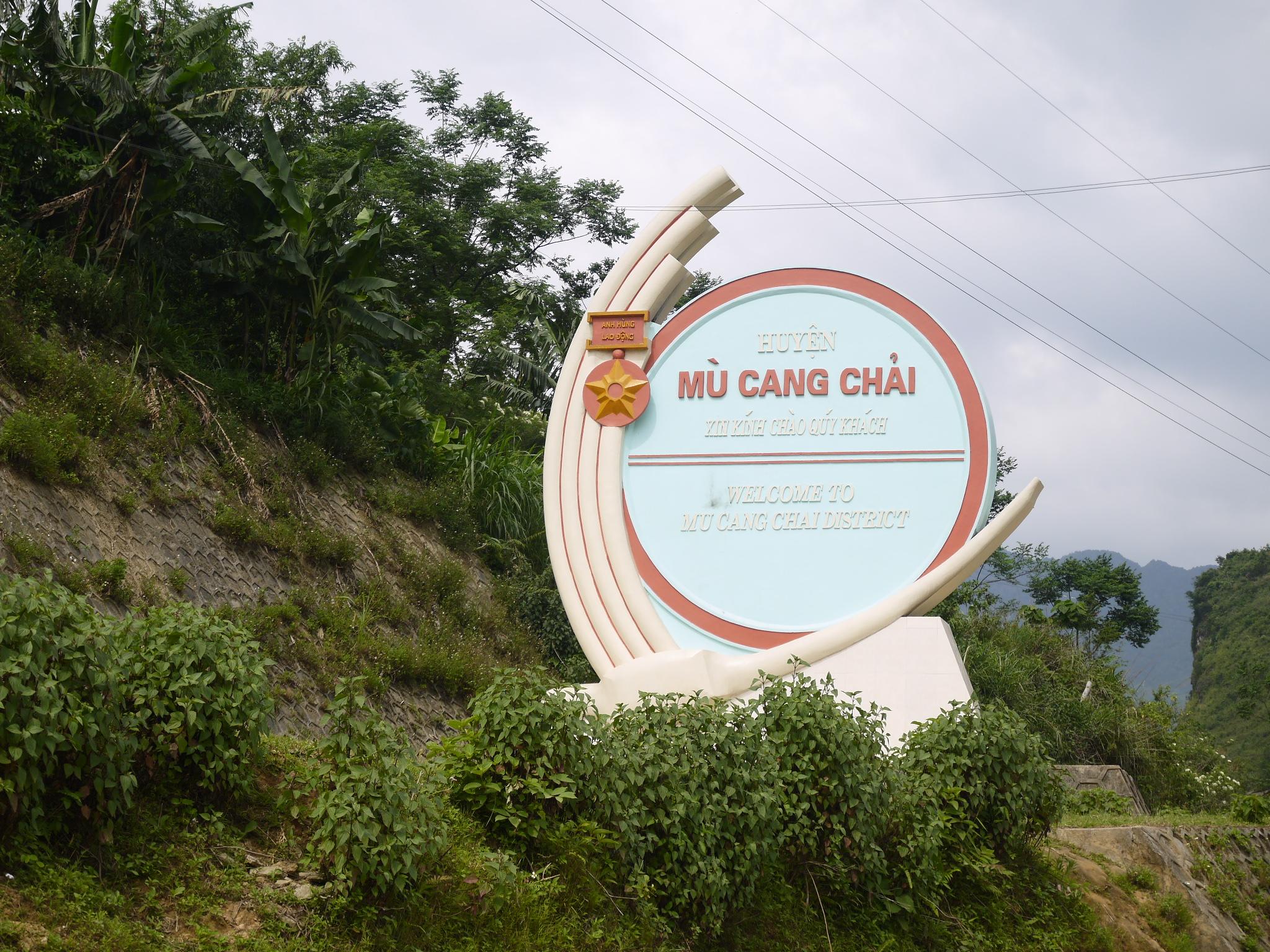
The welcome sign marking the entrance to Mu Cang Chai district
Frequently Asked Questions About a Mu Cang Chai Itinerary
Two days works if you arrive early and are efficient, but it only leaves time for one sunrise or sunset session at the viewpoints. Three days gives more breathing room and a backup in case of fog or rain.
Not realistically — the drive alone is 6-8 hours each way, which would mean 12-16 hours of driving for a single day on-site. An overnight stay is strongly recommended.
Most itineraries visit La Pan Tan near sunset, since the light there is considered the most dramatic, and save Mam Xoi and the smaller viewpoints for daytime, when the round terraces photograph best from above.
Not strictly, but a local H’mong guide makes it far easier to find trailheads, cross private farmland respectfully, and understand what you’re seeing in the villages. A half-day guided trek is an affordable way to cover this.