Phong Nha Travel Guide: Everything to Know Before You Go
Phong Nha is Vietnam’s cave country: a small riverside town in Quang Binh province built around Phong Nha-Ke Bang National Park, a UNESCO World Heritage Site that holds hundreds of caves, including Son Doong, the largest cave passage on Earth. Most first-time Vietnam itineraries skip it entirely because it sits off the Hanoi-Hue-Hoi An-Saigon spine, but for travelers who want dramatic karst scenery, real adventure activities, and a break from temple-and-market fatigue, it is one of the most rewarding detours in the country.
What Makes Phong Nha Worth the Detour?
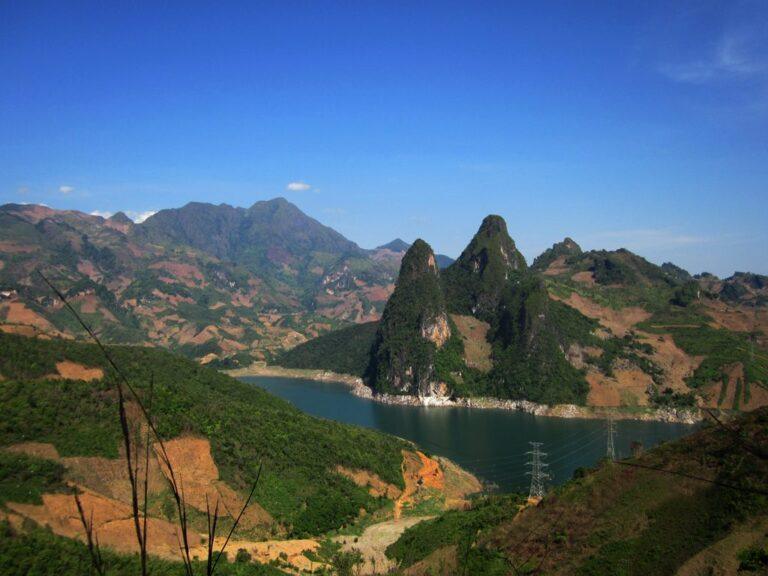
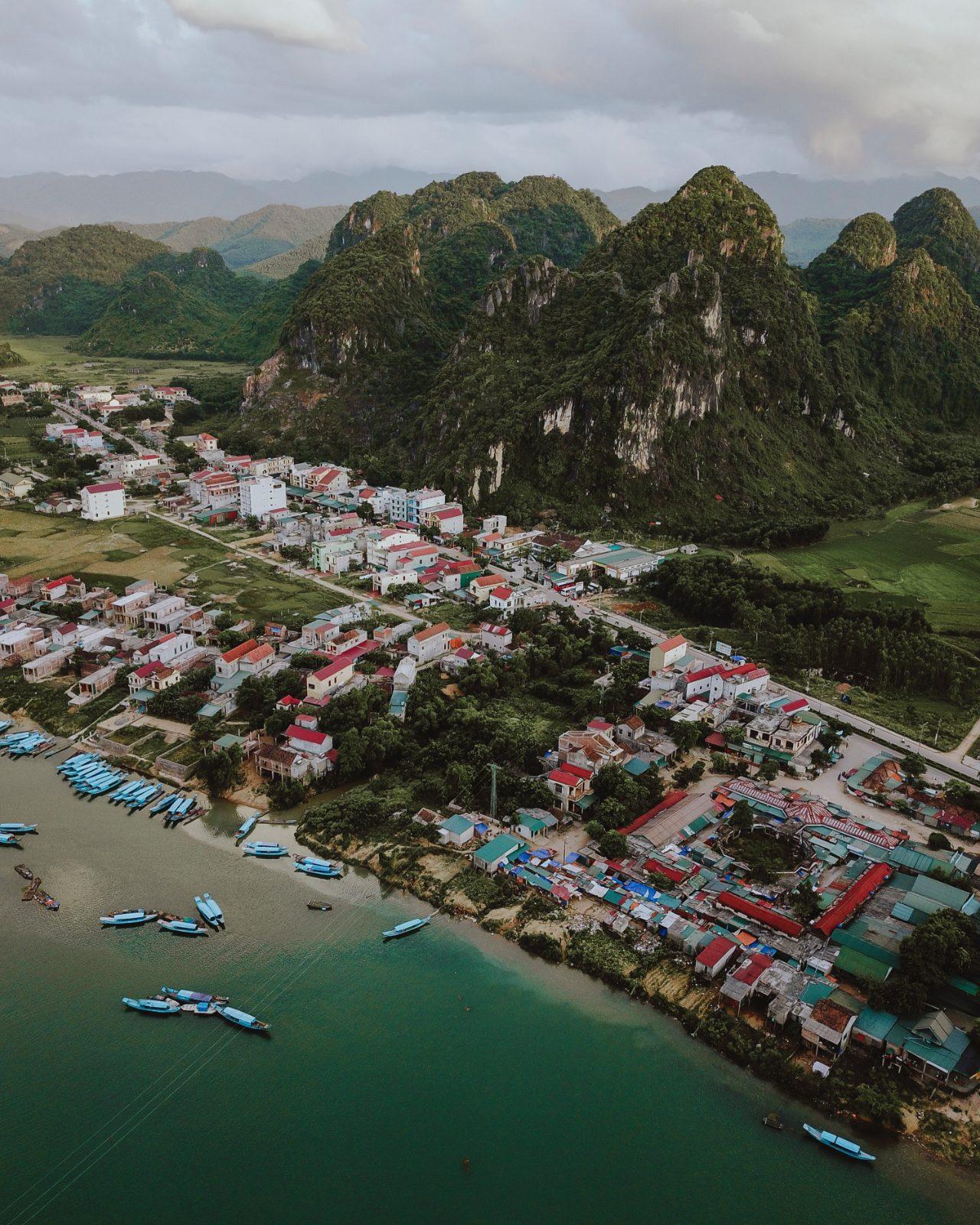
Phong Nha-Ke Bang National Park protects one of the oldest karst landscapes in Asia, formed over roughly 400 million years, and it is riddled with a cave system that scientists are still mapping. The headline attraction is Son Doong, discovered by a local farmer in 1990 and only opened to the public in 2013 — it is large enough to contain its own weather system and a patch of jungle inside the cave itself. Below that tier sit dozens of more accessible caves you can visit without a multi-day permit-only expedition: Paradise Cave’s illuminated stalactite galleries, Phong Nha Cave’s underground river you tour by boat, and Dark Cave’s mud baths and ziplines. The town itself has grown into a genuine backpacker-meets-adventure hub, with a laid-back riverside strip of cafes, motorbike rental shops, and tour operators, set against a backdrop of limestone peaks and rice paddies.
Where Is Phong Nha & How Do You Get There?
Phong Nha sits in Quang Binh province, in the narrow waist of central Vietnam, roughly halfway between Hanoi and Hue. The nearest airport is Dong Hoi (airport code VDH), about 45 kilometers away, with direct flights from Hanoi and Ho Chi Minh City on Vietnam Airlines and Vietjet Confirm current routes and flight frequency before booking.. From Dong Hoi, taxis and pre-booked transfers to Phong Nha take about 45 minutes to an hour.
Overland, Phong Nha is reachable by train to Dong Hoi (on the main Hanoi–Saigon reunification line) followed by a short transfer, or by direct bus from Hue (about 3–4 hours), Hanoi (around 10 hours overnight), or Ninh Binh. If you are coming from Ninh Binh or Hanoi, a direct limousine bus from Ninh Binh to Phong Nha is usually the easiest single booking, running along Vietnam’s karst corridor rather than backtracking through Hanoi.
| Cave Experience | Difficulty | Typical Duration | Price Tier | Best For |
|---|---|---|---|---|
| Phong Nha Cave (boat tour) | Easy | 1–2 hours | $ | First-timers, families, limited time |
| Paradise Cave | Easy–Moderate | 2–3 hours | $$ | Photography, dramatic formations |
| Dark Cave (Hang Toi) | Moderate | Half day | $$ | Ziplines, mud bath, groups |
| Multi-day cave expeditions (Hang En, Tu Lan) | Challenging | 2–3 days | $$$$ | Serious trekkers, small groups |
| Son Doong | Extreme (permit-gated) | 4 days | $$$$$ | Bucket-list expedition travelers |
How Many Days Do You Need in Phong Nha?
Two to three days covers the essentials for most travelers: one day for Paradise Cave and Phong Nha Cave together (they are often sold as a combined tour), one day for Dark Cave or a countryside motorbike loop through the national park’s back roads, and a buffer day if you want to add a multi-day trek like Hang En. If Son Doong is on your list, budget it as a separate trip: permits are limited, book out months in advance through the sole licensed operator, and the expedition itself runs 4 days on top of your time in town.
TTC Verdict: Phong Nha earns 2 to 3 days on almost any Vietnam itinerary that has room for it. Stay longer if you are chasing a multi-day cave trek or Son Doong; skip it only if cave and karst scenery genuinely does not interest you, since that is the entire point of coming here.
Where Should You Stay in Phong Nha?
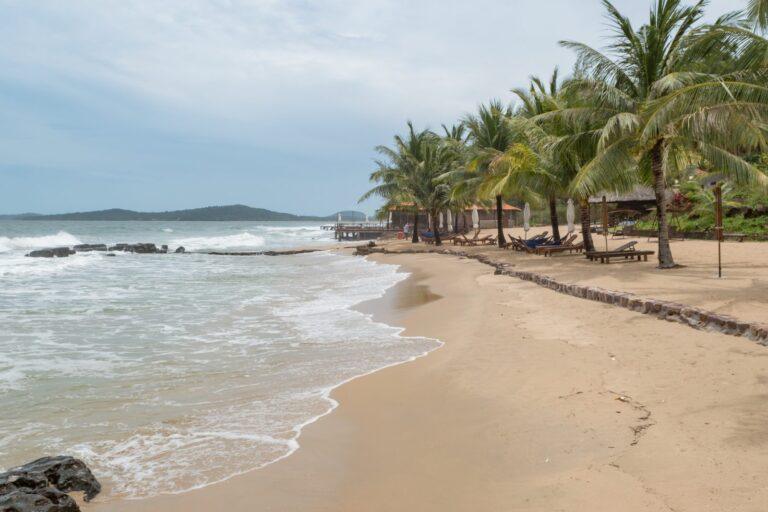
Lodging here splits into two very different experiences. In Phong Nha village itself, riverside farmstays and guesthouses put you within walking distance of the boat docks and the town’s small restaurant strip, with karst peaks visible from your porch. In Dong Hoi, the provincial capital on the coast, two international-branded resorts (opened recently enough that most guidebooks have not caught up) put you on a real beach with hotel-standard amenities, at the cost of a 45-to-60-minute drive to the caves each day. See our full Phong Nha where-to-stay guide for the area-by-area breakdown.
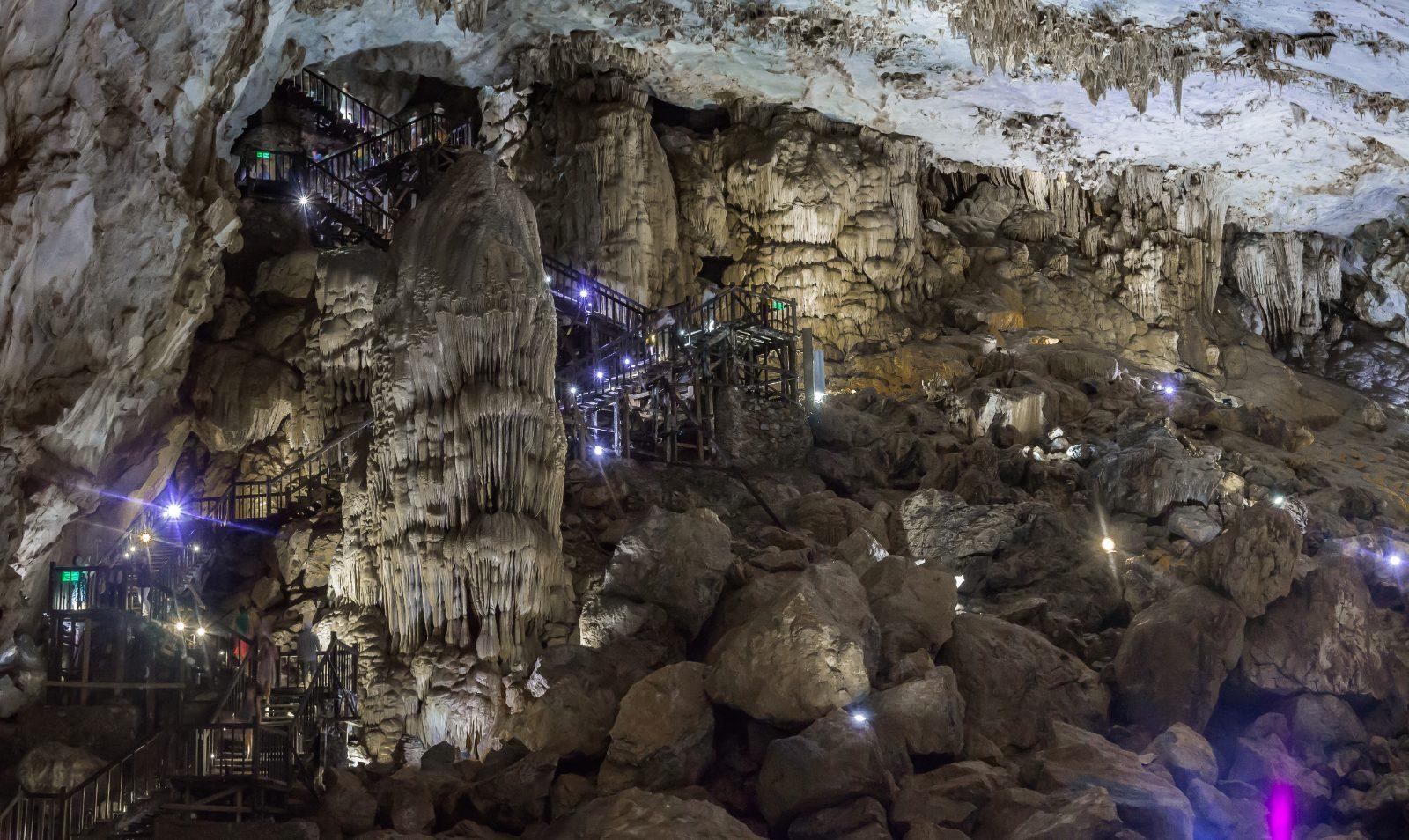
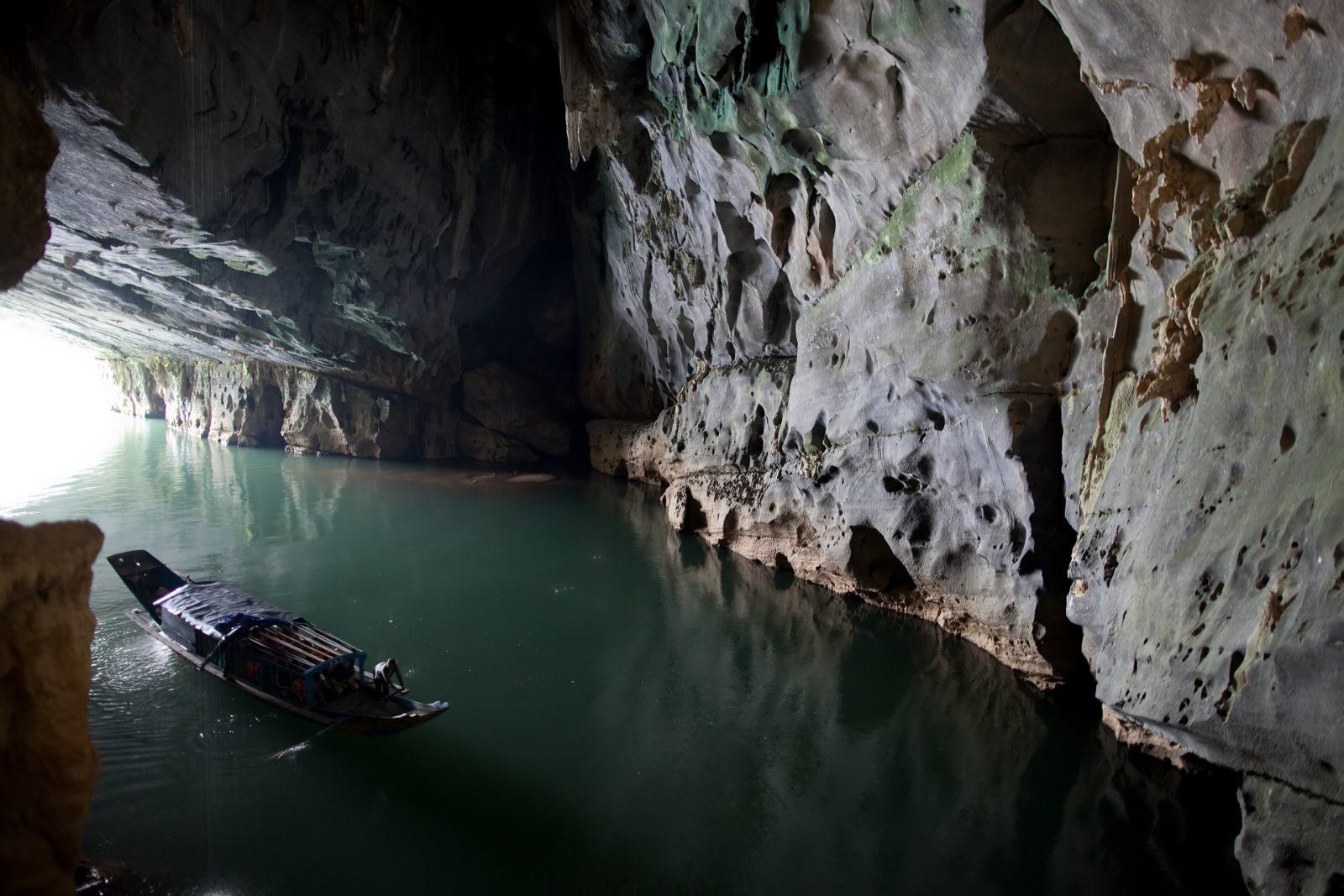
Paradise Cave: Edgardo W. Olivera / CC BY 2.0 · Phong Nha Cave entrance: Tycho / CC BY-SA 3.0
Frequently Asked Questions
Yes, if your itinerary has room for a detour off the main Hanoi-Hue-Hoi An-Saigon route. Phong Nha offers a genuinely different experience — caves, karst landscape, and adventure activities — that the classic city-and-temple circuit does not. Budget at least 2 full days.
Not for the main tourist caves like Phong Nha Cave, Paradise Cave, or Dark Cave, which run as standard ticketed or tour-operator experiences. Multi-day expedition caves like Hang En and Son Doong require booking through licensed tour operators well in advance, since access is limited to protect the cave systems.
Fly into Dong Hoi Airport (about 45 minutes from Phong Nha by road) from Hanoi or Ho Chi Minh City, or take the train to Dong Hoi on the main reunification line. Direct buses also run from Hue (3–4 hours) and from Ninh Binh or Hanoi for travelers linking Vietnam’s two major karst regions.