North vs. Central vs. South Vietnamese Food: What’s the Difference?
Vietnamese food changes dramatically as you move down the map. Northern cooking is subtle and restrained, central cooking is the spiciest and most intricate, and southern cooking is the sweetest and most tropical, shaped by climate, history, and what actually grows in each region. Here’s what defines each region’s food and how to taste the difference for yourself.
What Makes Northern Vietnamese Food Different?
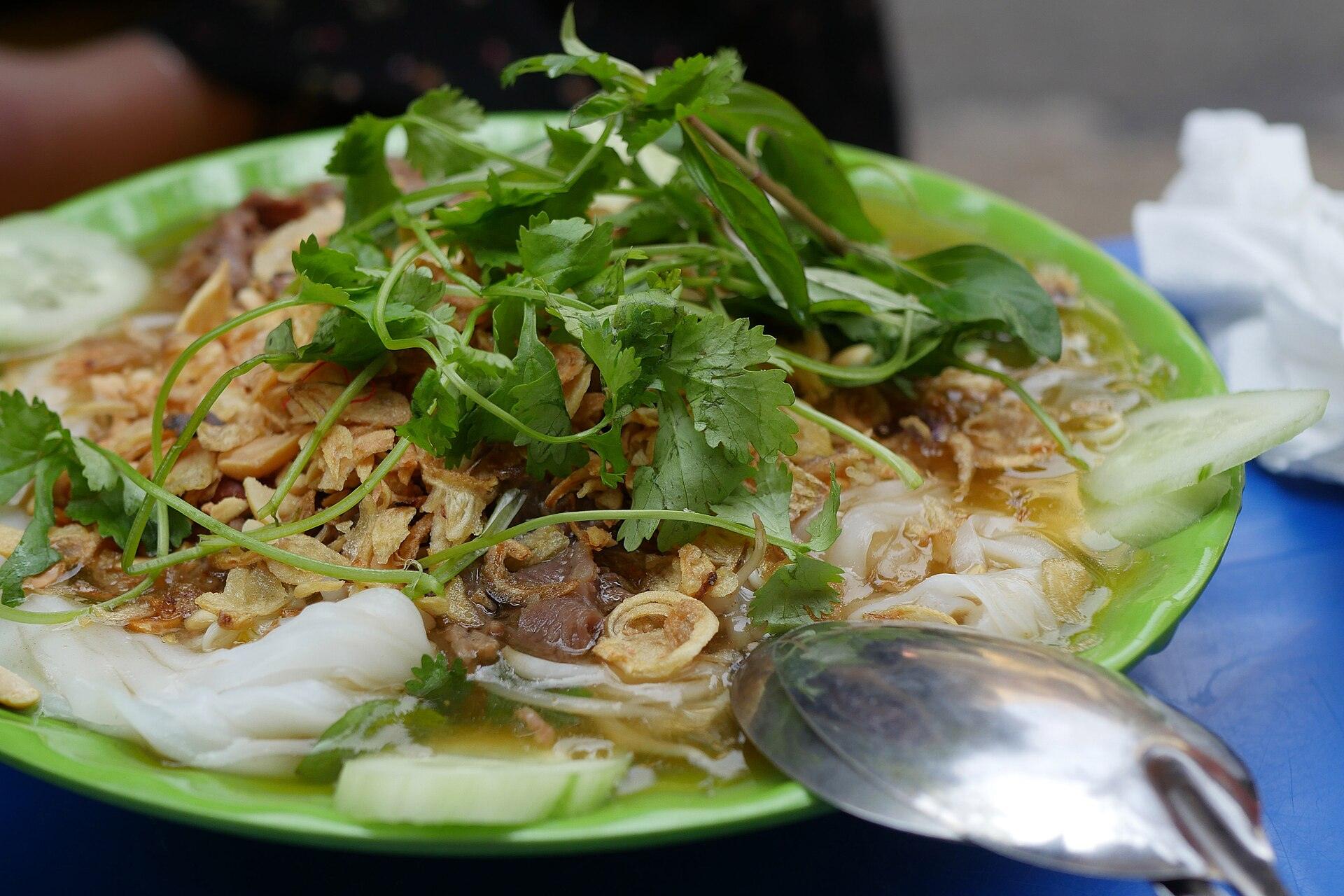
Northern Vietnamese food, centered on Hanoi, is the most restrained of the three regions: less sugar, less chili, and a stronger reliance on clear broths and simple, high-quality core ingredients rather than layered sauces. Dishes like pho, bun cha, and banh cuon are built around getting a small number of components exactly right rather than piling on flavor. The colder climate historically meant less local sugarcane and coconut, and centuries of proximity to and trade with China left a heavier mark here than in the rest of the country, which shows up in techniques like stir-frying and the use of five-spice.
What Makes Central Vietnamese Food Different?
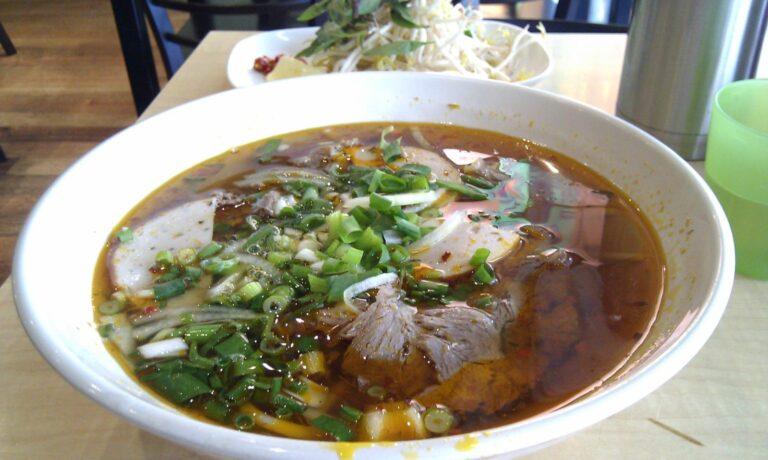
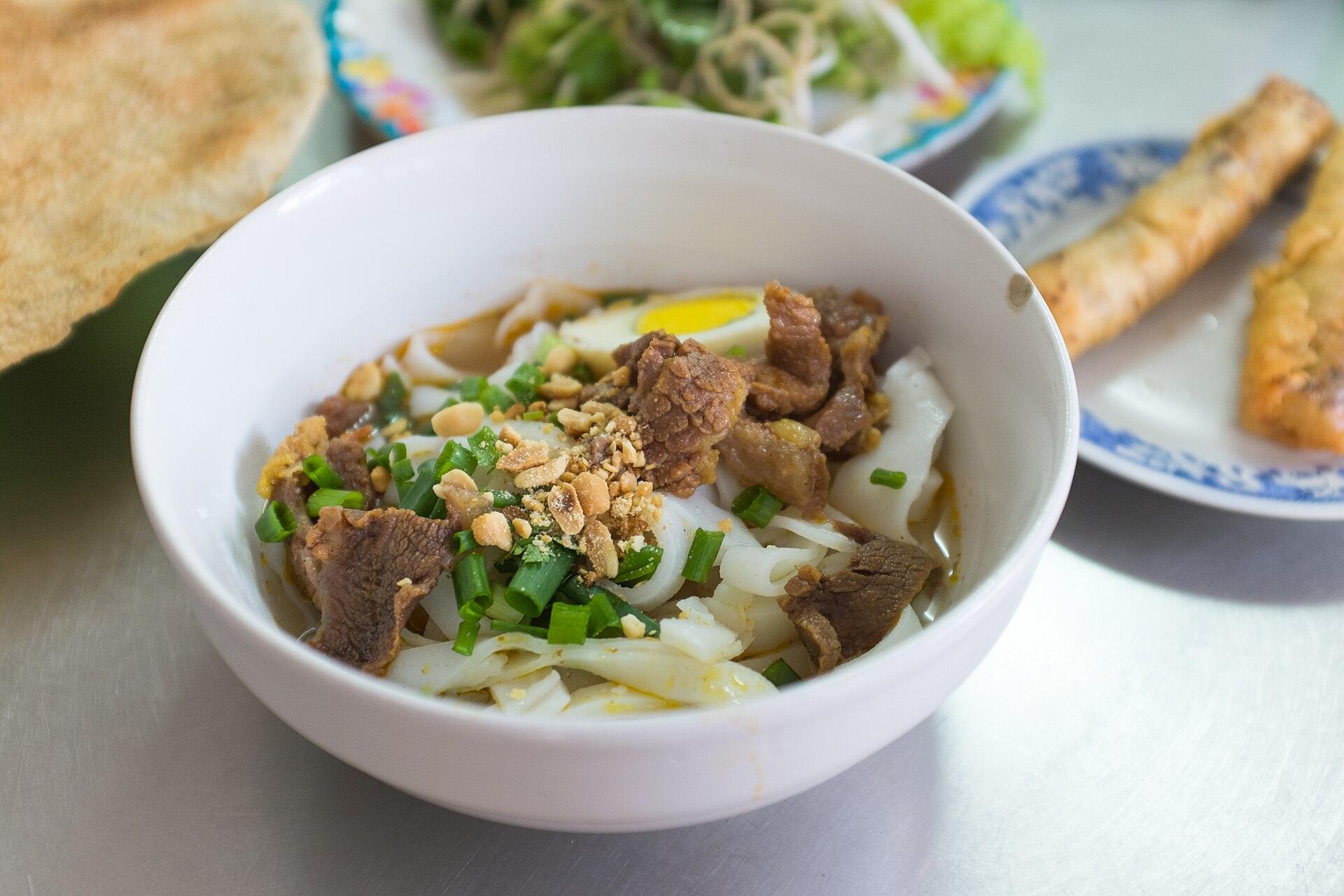
Central Vietnam, especially around Hue and Da Nang, produces the spiciest and most intricate food in the country. Hue was Vietnam’s last imperial capital, and its former royal court cuisine, built around small, elaborate, multi-component dishes meant to be visually impressive, filtered down into everyday street food over generations. That legacy shows up in dishes like bun bo hue (a lemongrass-and-chili beef noodle soup notably spicier than northern soups), mi quang (turmeric noodles with a small amount of intensely flavored broth rather than a full bowl), and cao lau, a Hoi An specialty noodle dish traditionally made with water from a specific local well.
What Makes Southern Vietnamese Food Different?
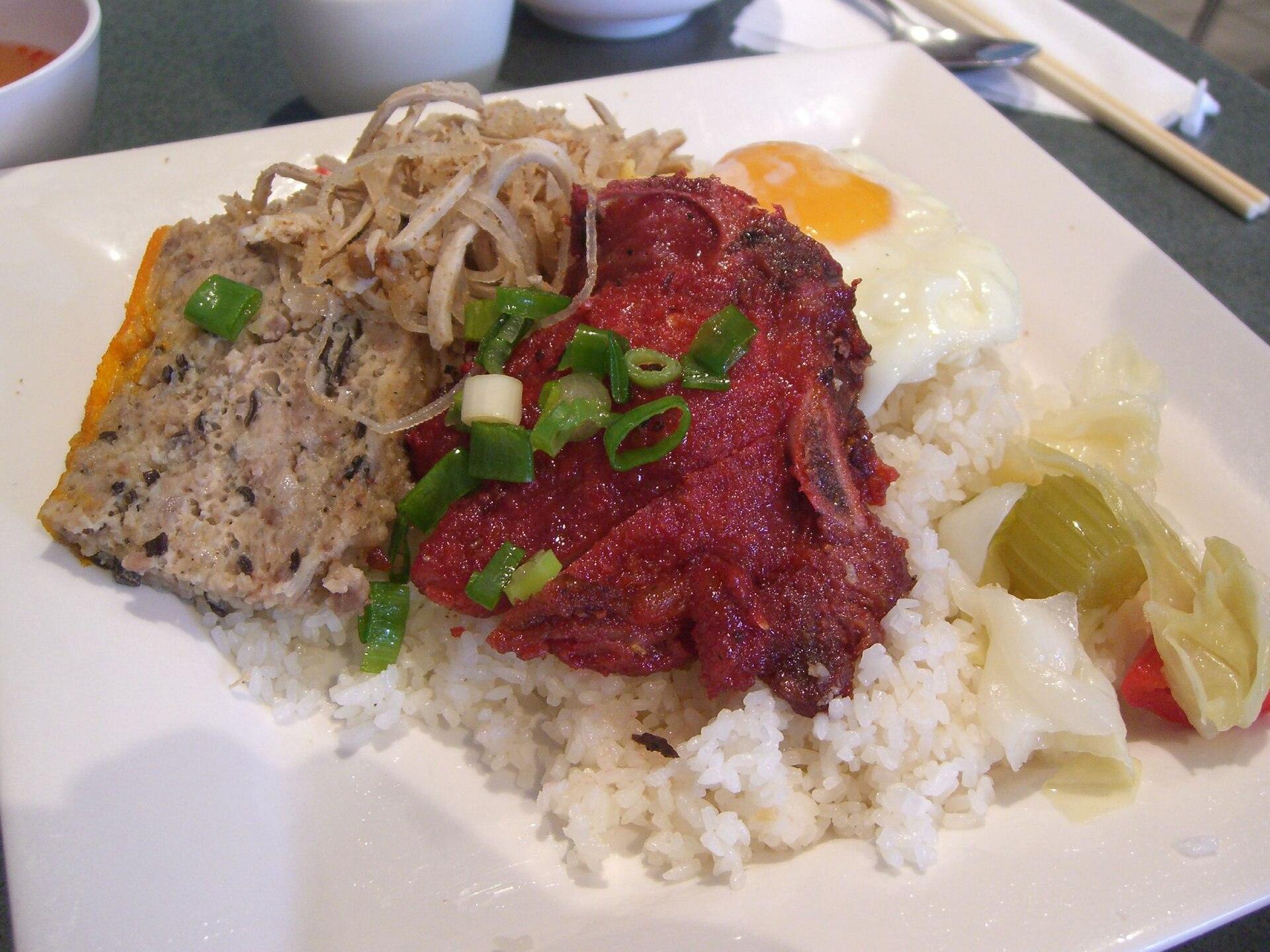
Southern Vietnamese food, centered on Ho Chi Minh City and the Mekong Delta, is the sweetest and most tropical of the three regions. Sugar and coconut milk are used far more generously here than up north, herbs and raw vegetables are piled on more heavily, and portions tend to be larger. The Mekong Delta’s fertile, tropical growing conditions supply a wider variety of fresh produce and seafood year-round, and historical contact with Khmer, French, and Chinese communities in the south added dishes and techniques, like the fuller, sweeter version of banh xeo, that don’t have direct northern equivalents.
| Region | Signature Trait | Example Dishes | Key City |
|---|---|---|---|
| North | Subtle, balanced, minimal sugar | Pho, Bun Cha, Banh Cuon | Hanoi |
| Central | Spiciest, most complex or multi-component | Bun Bo Hue, Mi Quang, Cao Lau | Hue / Da Nang / Hoi An |
| South | Sweetest, most tropical, generous herbs | Com Tam, Hu Tieu, Banh Xeo | Ho Chi Minh City / Mekong Delta |
TTC Verdict: If you only have time to focus on one region’s food scene, pick based on what you actually want: the north for subtle, broth-driven classics; the center for the most intense and elaborate flavors packed into small dishes; the south for bold, sweet, herb-heavy plates. Most Vietnam itineraries end up covering all three anyway, since the regional food differences are one of the best reasons to travel the length of the country rather than stay in one city.
Banh cuon, Hanoi (North): Valentin Orange / CC BY-SA 4.0
Mi Quang, Da Nang (Central): Christopher Crouzet / CC BY-SA 4.0
Com tam (South): Alpha from Melbourne, Australia / CC BY-SA 2.0
Why Do the Flavors Differ So Much By Region?
The differences come down to geography and history more than anything else. Sugarcane and coconut grow easily in the warm, tropical south, so southern cooks lean on both far more than cooks in the cooler north, where they were historically less available. Hue’s centuries as an imperial capital shaped central cuisine toward elaborate, refined dishes built from small, precise portions. And each region’s exposure to outside influence differed: the north absorbed more from centuries of contact with China, while the south picked up techniques and ingredients from Khmer, French, and later Chinese communities that settled around the Mekong Delta and Saigon.
Central Vietnam, particularly around Hue, has the spiciest food in the country, a legacy of the region’s former imperial court cuisine.
Southern Vietnam has the sweetest food, using sugar and coconut milk more generously than the north or center.
No. Northern food is more restrained and balanced rather than less flavorful, focusing on getting a small number of core ingredients exactly right rather than layering on sugar or chili.
Yes. Dishes like pho, banh xeo, and bun noodle dishes all exist in regional versions with different broths, sizes, or sweetness levels depending on where you order them.
There’s no wrong answer, but if you want the gentlest introduction, start in the north; if you want the most intense flavors right away, start in the center; if you want bold, sweet, herb-forward food, start in the south.