
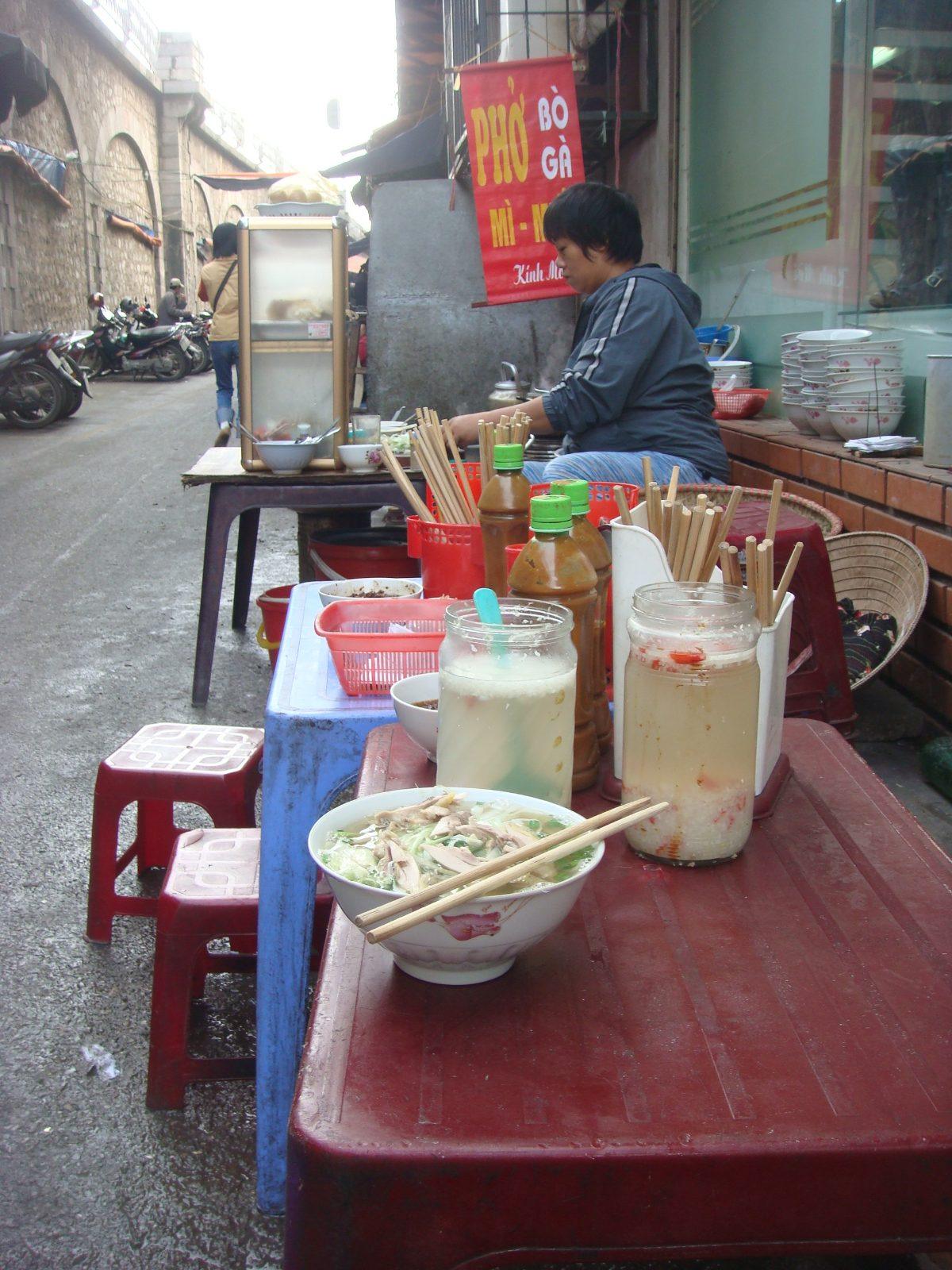
Pho: Hanoi-Style vs. Saigon-Style — What’s the Real Difference?
Hanoi-style pho and Saigon-style pho are the same noodle soup built two different ways: Hanoi keeps its broth clear, light, and savory with minimal garnish, while Saigon’s version is sweeter, cloudier, and served with a full herb plate plus table-side condiments like hoisin and sriracha. Neither one is the “correct” pho — they are two regional adaptations that diverged after Vietnam split in 1954. Below is exactly what changes between a bowl in Hanoi and a bowl in Saigon, and how to order whichever version you actually want.
Where Did Pho Come From, and Why Do Hanoi and Saigon Versions Differ?
Pho is widely traced to Nam Dinh province in northern Vietnam in the early 1900s, likely shaped by both French pot-au-feu and Chinese noodle traditions. It stayed a northern dish until Vietnam’s 1954 partition sent roughly one million people migrating from north to south. Southern cooks adapted the original recipe to local tastes and ingredients — more sugar, more herbs, more customization at the table — while Hanoi’s version stayed closer to the plainer, savory original. That single historical split is the reason a bowl of pho tastes noticeably different depending on which half of the country you are in.
| Element | Hanoi-Style Pho | Saigon-Style Pho |
|---|---|---|
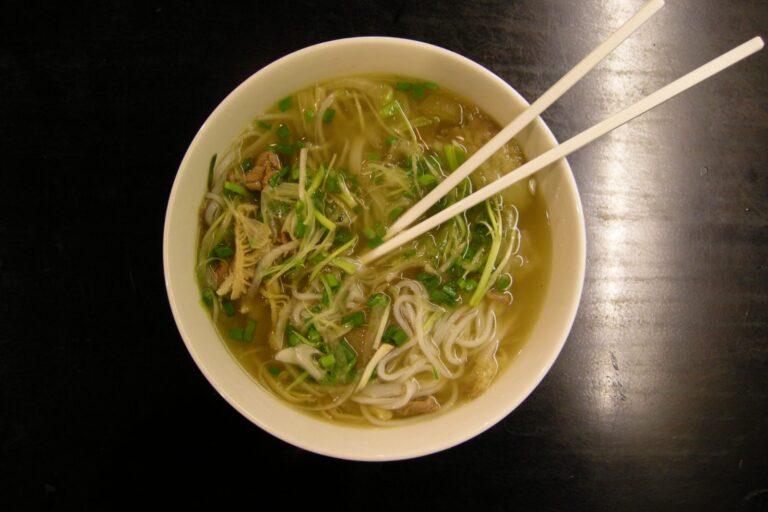
| Broth | Clear and light, savory beef-bone base with minimal sugar | Sweeter and cloudier — sugar and often chicken bones are added to soften the flavor |
| Noodles | Wider, flat rice noodles (banh pho) | Thinner, rounder noodles closer in texture to hu tieu |
| Herbs & garnish | Minimal — scallion, cilantro, sliced white onion | A full herb plate: Thai basil, mint, culantro (ngo gai), bean sprouts |
| Condiments | Fish sauce, chili, lime, chili oil | Same, plus hoisin sauce and sriracha served table-side |
| Protein options | Beef flank or brisket (well-done or rare slices), or chicken | More variety — rare beef, brisket, tendon, fatty flank, meatballs |
Which Style of Pho Should You Try First?
If you are only visiting one city, order whichever style is local — Hanoi-style pho in Hanoi, Saigon-style pho in Ho Chi Minh City — rather than seeking out the other region’s version, since ingredients and broth recipes are tuned to what is actually available and expected there. If you are doing a full north-to-south trip, try both back to back in the same week; the difference is far more obvious side by side than it is from memory. For a full list of where to eat well in the capital, see our Hanoi food guide.
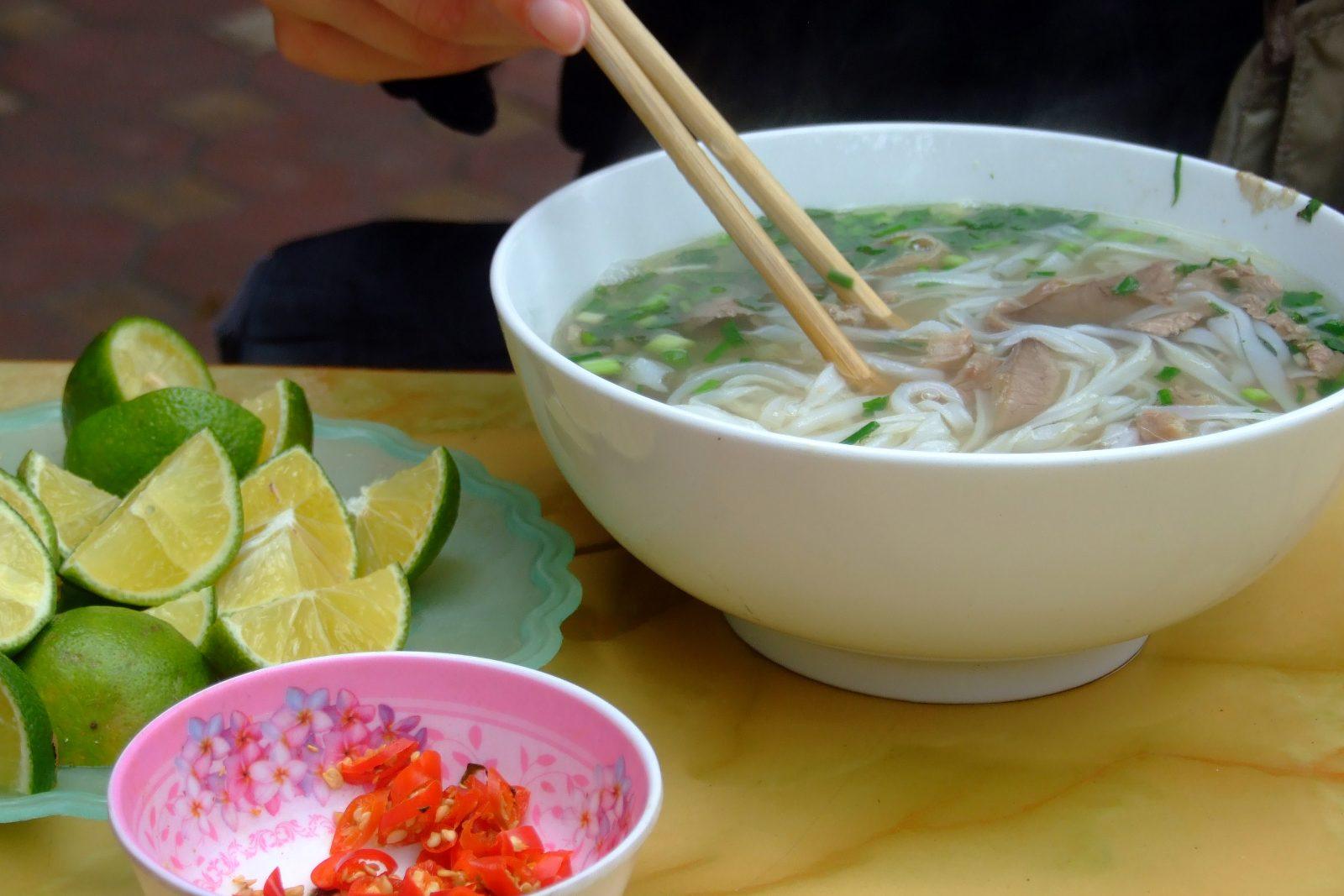
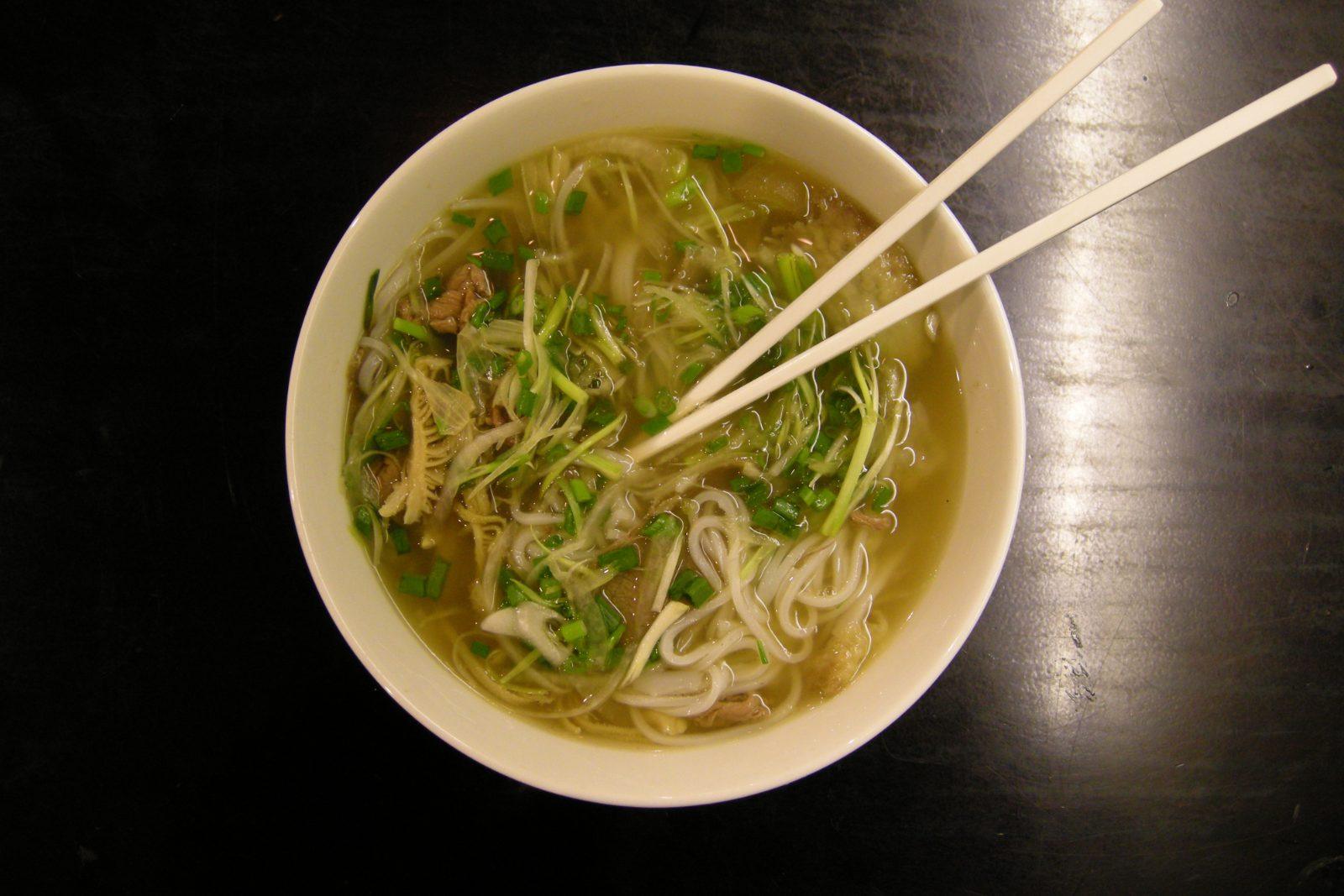
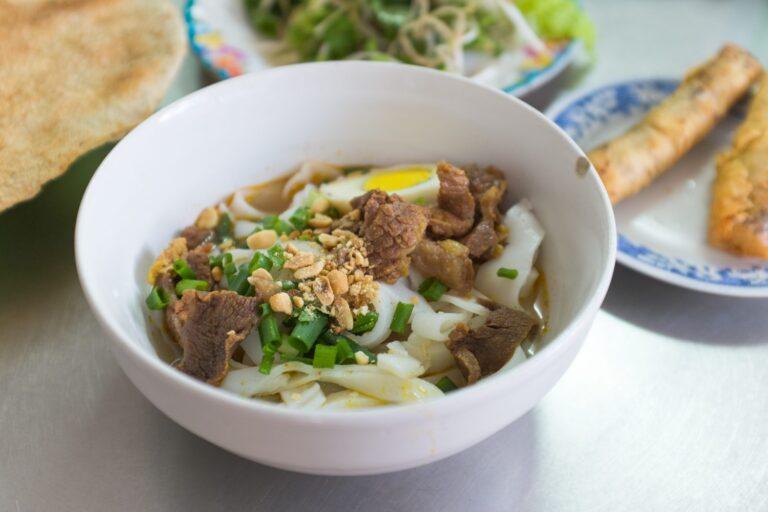
Pho, Hanoi: Codename5281 / CC BY-SA 3.0 · Pho, Ho Chi Minh City: Vyacheslav Argenberg / CC BY 4.0
TTC Verdict: Neither Hanoi-style nor Saigon-style pho is more “authentic” — they are two legitimate regional descendants of the same early-1900s original from Nam Dinh. Order Hanoi-style if you want a cleaner, beefier broth; order Saigon-style if you want a sweeter, herb-forward bowl you customize yourself. The only mistake is assuming there is just one correct way to eat it.
Neither. Pho is generally traced to Nam Dinh province in northern Vietnam in the early 1900s, and both today’s Hanoi and Saigon versions are regional adaptations of that original recipe that diverged after Vietnam’s 1954 partition.
The broth and the garnish. Hanoi pho has a clearer, lighter, less sweet broth with minimal garnish, while Saigon pho has a sweeter, cloudier broth and is served with a full plate of fresh herbs, bean sprouts, and table-side condiments like hoisin and sriracha.
Yes — most major cities have at least a few restaurants branded specifically around the other region’s style (look for signs reading “Pho Bac” for northern-style in the south, or “Pho Nam” for southern-style up north), though the default bowl at any unmarked local shop will be whatever style is native to that city.
3 Comments
Comments are closed.