
What to Eat in Hanoi: Street Food, Egg Coffee & Local Favorites
Hanoi is one of the best food cities in Southeast Asia, and the dishes worth planning meals around are pho, bun cha, and banh mi — but the city’s food scene runs much deeper than the three names most visitors already know. This guide covers ten Hanoi specialties, where locals and long-running shops actually serve them, and the story behind the city’s famous egg coffee.
What Are the Must-Try Dishes in Hanoi?
| Dish | What It Is | Street Price* |
|---|---|---|
| Pho (Phở) | Beef or chicken noodle soup in a clear, aromatic broth | ~$2–2.50 |
| Bun Cha (Bún Chả) | Grilled pork patties and belly in a sweet-sour fish sauce broth, with cold noodles | ~$2.50–5 |
| Cha Ca (Chả Cá) | Turmeric-marinated fish grilled tableside with dill, over noodles | ~$8–15 (sit-down, not street) |
| Banh Mi (Bánh Mì) | Vietnamese baguette sandwich with pork, pâté, pickled veg, and herbs | ~$1.20–2.80 |
| Bun Thang (Bún Thang) | Delicate clear-broth soup with chicken, egg strips, and pork sausage | ~$1.20–3 |
| Banh Cuon (Bánh Cuốn) | Steamed rice-flour rolls filled with pork and mushroom | ~$0.80–1.20 |
| Pho Cuon (Phở Cuốn) | Fresh, unfried noodle rolls with beef and herbs, dipped in sauce | ~$0.40/roll |
| Xoi Xeo (Xôi Xéo) | Turmeric sticky rice with mung bean and fried shallots — a classic breakfast | ~$1.10–1.85 |
| Nem Cua Be | Deep-fried crab spring rolls, square-shaped | Varies — ask price before ordering |
| Chao (Cháo) | Rice porridge, often with pork offal (chao long) — a warming breakfast | Inexpensive, confirm on order |
*Approximate street-food prices as of recent research — small stalls don’t post fixed menus everywhere, so treat these as a ballpark and confirm before ordering.
TTC Verdict: If you only eat three things in Hanoi, make them pho for breakfast, bun cha for lunch, and a late-afternoon xoi xeo or banh mi to snack your way to dinner. Everything else on this list is worth seeking out, but those three are the dishes the city is actually built around.
Where Can You Find Hanoi’s Best Pho?
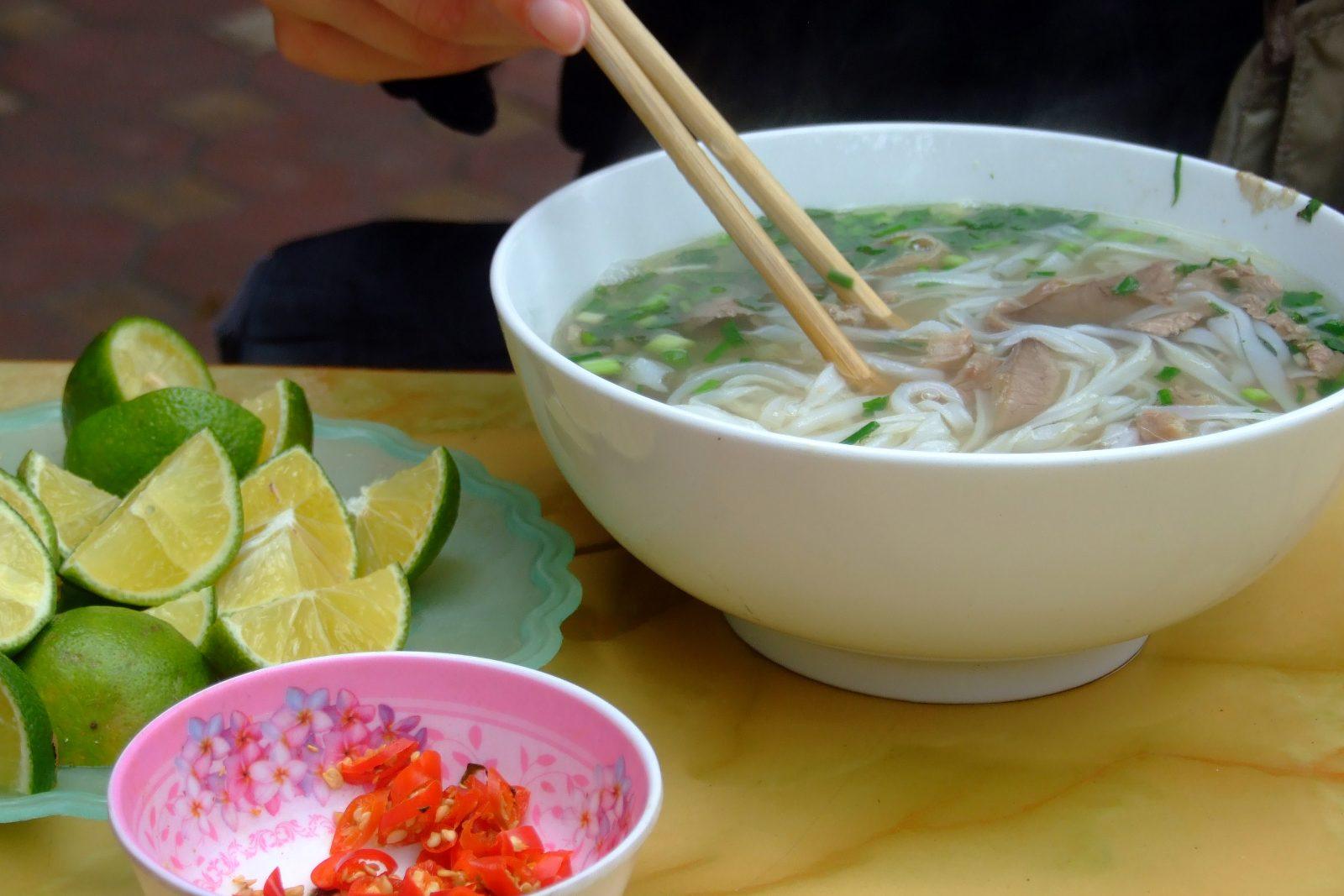
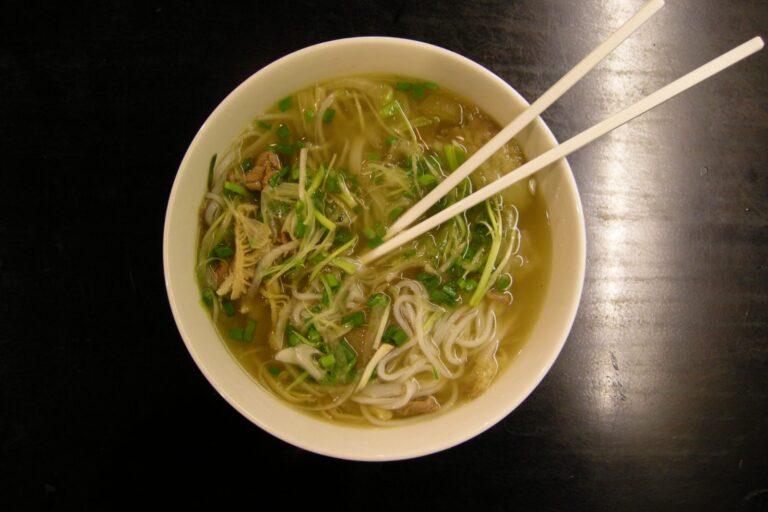
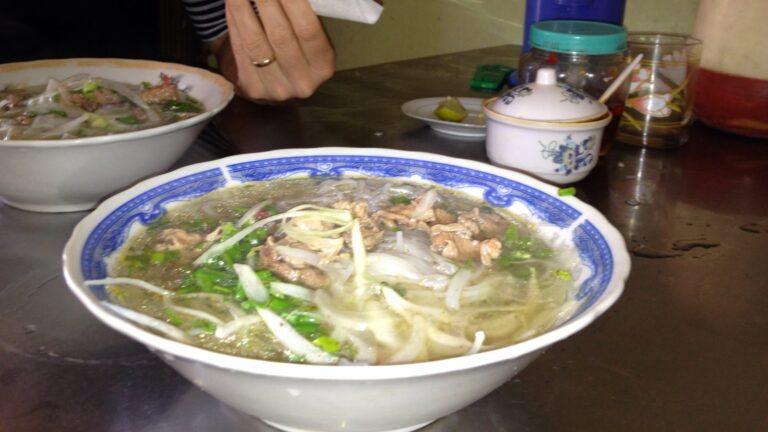
Pho Gia Truyen on Bat Dan Street is one of the most consistently recommended pho shops in the Old Quarter — expect a line, no-frills service, and just lime and chili on the table rather than a full condiment spread. It’s a single-dish shop, which in Hanoi is usually a good sign: they’ve been doing one thing for decades.
Where Should You Eat Bun Cha?
Bun Cha Huong Lien, on Le Van Huu Street, is Hanoi’s most famous bun cha spot — this is the restaurant where Anthony Bourdain and Barack Obama shared a meal in 2016, and the table is preserved under glass upstairs. It’s touristy because of that fame, but the food holds up. Bun Cha Dac Kim on Hang Manh Street is the more local, old-school alternative, run for decades and just as reliable.
Is Cha Ca La Vong Worth the Hype?
Cha Ca La Vong is the birthplace of turmeric fish and a genuinely historic restaurant — but recent visitor reviews are split, with a real pattern of complaints about rushed service and inflated, unclear pricing for tourists. Cha Ca Thang Long, a few streets over on Duong Thanh, is consistently recommended as the better-value, less touristy alternative serving the same dish. If you go to La Vong for the history, confirm prices before you order.
What’s a Good Breakfast in Hanoi?
Xoi Yen on Nguyen Huu Huan Street is Hanoi’s best-known spot for xoi xeo — turmeric sticky rice topped with mung bean, fried shallots, and your choice of extras like shredded chicken, open nearly around the clock. Banh Cuon Gia Truyen Thanh Van on Tran Nhat Duat Street is the go-to for delicate steamed rice rolls if you want something lighter. For more vendor-specific picks beyond these staples, our guide to Hanoi’s best street food rounds up additional stalls worth seeking out.
Pho: Codename5281 / CC BY-SA 3.0 · Street vendor: CEphoto, Uwe Aranas / CC BY-SA 3.0
Hanoi’s Famous Egg Coffee: What’s the Story?
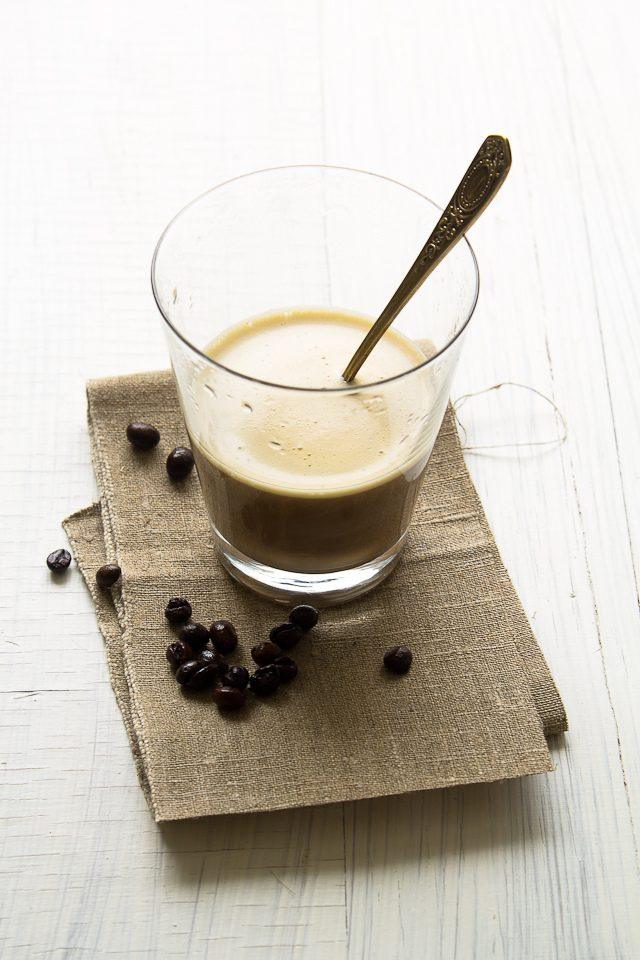
Cà phê trứng, or egg coffee, is a Hanoi specialty made by whipping egg yolk and sugar into a thick, creamy foam that sits on top of strong Vietnamese coffee — it tastes closer to a liquid tiramisu than a typical latte. As the story is usually told, it was invented in 1946 by a bartender named Nguyen Van Giang during a wartime milk shortage, and later became a Hanoi café staple. That origin story comes from the founder’s own family rather than an independently verified historical record, so treat it as the café’s own well-loved history rather than settled fact — either way, it’s a genuinely distinct drink worth trying. For the full history and a side-by-side comparison with iced coffee, see our dedicated egg coffee guide.
- Giang Café (39 Nguyen Hữu Huan) — the original, run by the founder’s descendants; small, cramped, and touristy, but the reference point for the drink.
- Loading T Café (Old Quarter, 2nd floor of a colonial building) — a quieter, vintage-decor spot to try it away from street noise.
- The Note Coffee (64 Luong Van Can, near Hoan Kiem Lake) — covered wall-to-ceiling in visitor sticky notes, with lake-view seating upstairs; touristy but genuinely fun.
Would rather taste your way through the Old Quarter with a guide than hunt down every stall alone? A Hanoi food and egg coffee walking tour on Klook covers most of this list in one afternoon.
Egg Coffee, Hanoi: Migle / CC BY-SA 2.0
Is Street Food in Hanoi Safe to Eat?
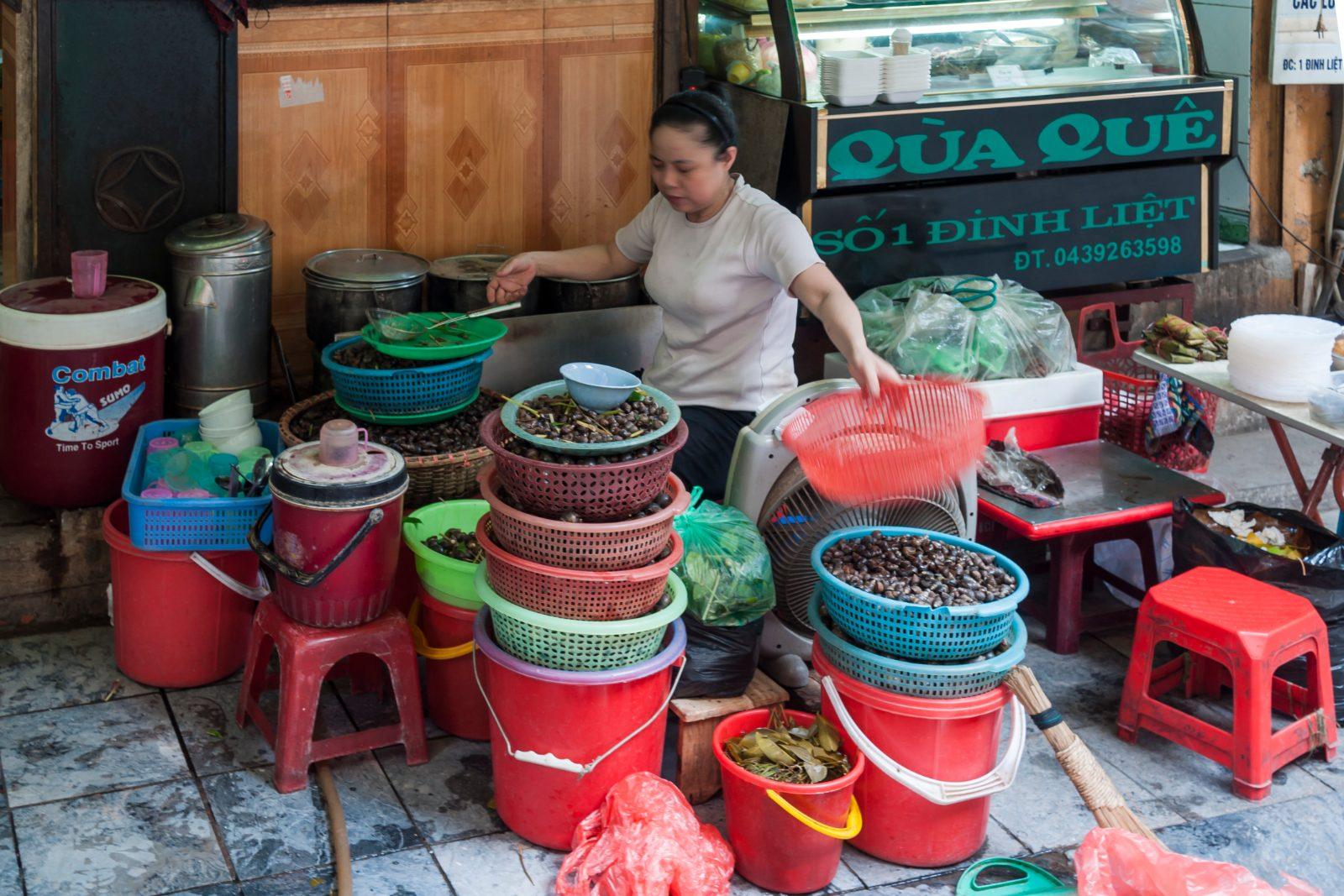
Yes, with a few sensible precautions — millions of tourists eat Hanoi street food every year without issue. The general rule locals follow: eat where the locals are eating. A busy stall means fast turnover and fresher ingredients.
- Favor stalls with a visible line of local customers, not just tourists.
- Watch the food being cooked to order rather than sitting out at room temperature.
- Stick to bottled water with an intact seal, and be cautious with ice outside well-trafficked tourist areas.
- Eat hot, freshly cooked dishes (pho, bun cha, banh xeo) as a generally safer default than room-temperature items.
Cash or Card for Street Food?
Bring cash. Street stalls and small local shops in Hanoi run almost entirely on cash or a Vietnamese bank-linked QR code — a foreign card or Apple Pay generally won’t work with a vendor’s personal QR code. Small VND bills make ordering faster and easier, and tipping isn’t expected at this level of dining; paying the exact price is completely normal.
Frequently Asked Questions
Pho — Hanoi is widely considered the birthplace of the dish, and the city’s beef pho in particular is the version most food writers point to as the benchmark.
Not especially — Hanoi cuisine tends to be more herbal and delicately seasoned than the spicier food further south. Chili is usually served on the side rather than cooked in, so you can add heat to taste.
Generally no — most of the shops on this list are casual, walk-in, single-dish spots. The main thing to plan around is timing: some of the most famous shops sell out or close once they run out of food for the day, often by early afternoon.
Most are simply descriptive. Bun cha literally combines bun (rice vermicelli noodles) with cha, a broader term for meat that has been ground, seasoned, and grilled — so the name just describes noodles served with grilled meat. Pho’s own etymology is debated, with theories linking it to the French pot-au-feu or to a Cantonese noodle term brought by Chinese immigrants No single origin theory is universally agreed on.. Cha Ca La Vong is different again — it takes its name from La Vong (Lu Vong) Street in the Old Quarter, home to the restaurant that invented the dish in 1871.
Where to Go From Here
Once you know what to eat, sort out where to sleep — our Hanoi neighborhood guide breaks down the Old Quarter, French Quarter, and Tay Ho. And our Hanoi travel guide covers visas, money, and getting from the airport.
Prefer watching to reading? Here’s our video walkthrough of 10 Hanoi dishes worth trying.
7 Comments
Comments are closed.