
Hanoi vs. Ho Chi Minh City: Which Should You Visit First?
There is no single right answer, but here is the short version: start in Ho Chi Minh City if you want a gentler landing after a long flight and prefer a more modern, easier-to-navigate first stop, and start in Hanoi if you want to follow Vietnam’s classic north-to-south route and don’t mind a more intense, historic capital as your introduction. Both cities work as a first stop — the better choice comes down to your flight routing, your itinerary shape, and how much culture shock you want on day one.
How Are Hanoi and Ho Chi Minh City Actually Different?
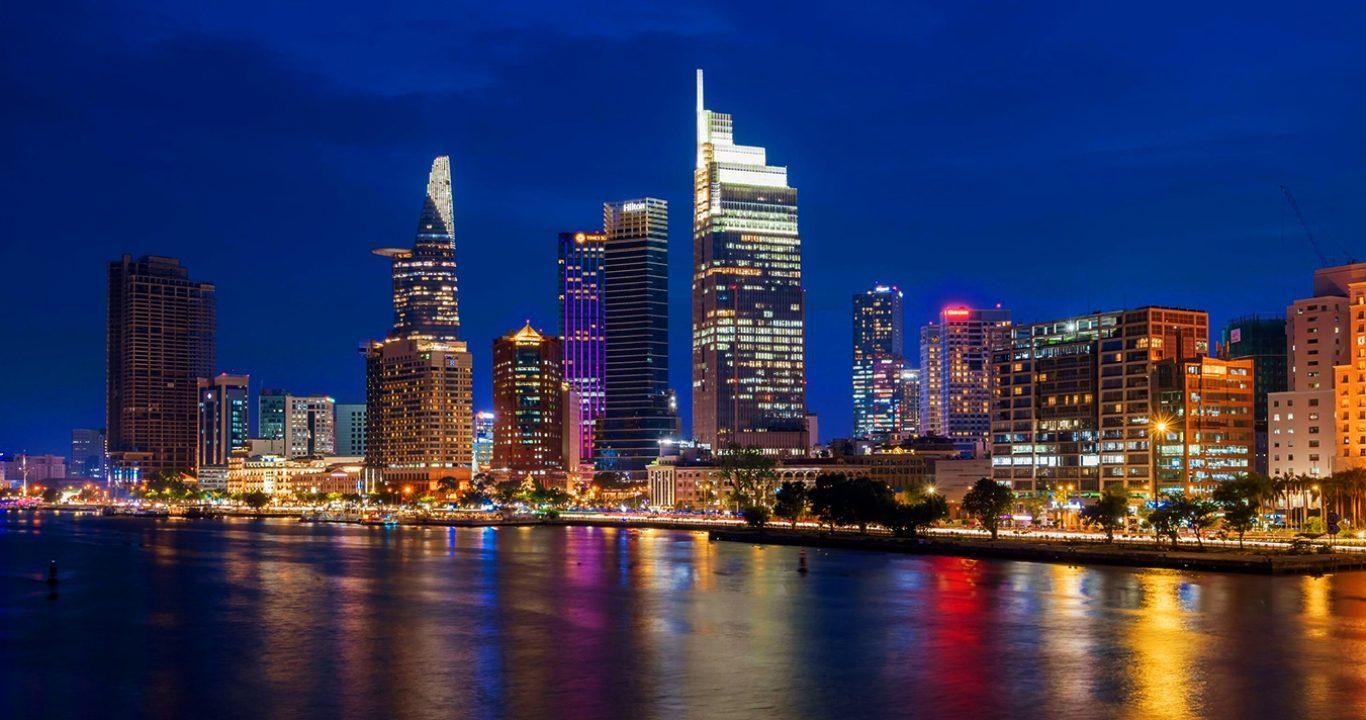
Hanoi is Vietnam’s capital and its cultural and political center — over a thousand years old, built around a warren of narrow Old Quarter streets, French colonial buildings, and lakes. Ho Chi Minh City (still widely called Saigon) is the country’s commercial engine — bigger, more modern, faster-moving, and organized more like a sprawling metropolis than a historic old town. Neither is “better”; they are genuinely different travel experiences, and the comparison matters more for deciding where to start than where to end.
| Category | Hanoi | Ho Chi Minh City |
|---|---|---|
| Pace & vibe | Older, denser, more traditional — chaotic but human-scale | Bigger, faster, more modern and commercial |
| Climate | Four distinct seasons, can get genuinely cold in winter | Tropical wet/dry seasons, hot and humid year-round |
| First-timer ease | More sensory overload — narrow streets, less English signage | Wider roads, more international infrastructure, easier first landing |
| Best gateway to | Ha Long Bay, Ninh Binh, Sapa, the north | Mekong Delta, Cu Chi Tunnels, Phu Quoc, the south |
| Historic sites | Old Quarter, Temple of Literature, French Quarter architecture | War Remnants Museum, Reunification Palace, Cu Chi Tunnels nearby |
TTC Verdict: If you are only doing one Vietnam trip and following the classic route, fly into Hanoi and fly out of Ho Chi Minh City (or the reverse) rather than doubling back — see our 7-day, 10-day, and 14-day itineraries for exactly this shape. If you genuinely just need to pick a first stop with no fixed route in mind, Ho Chi Minh City is the easier landing after a long-haul flight; Hanoi rewards a bit more patience on day one.
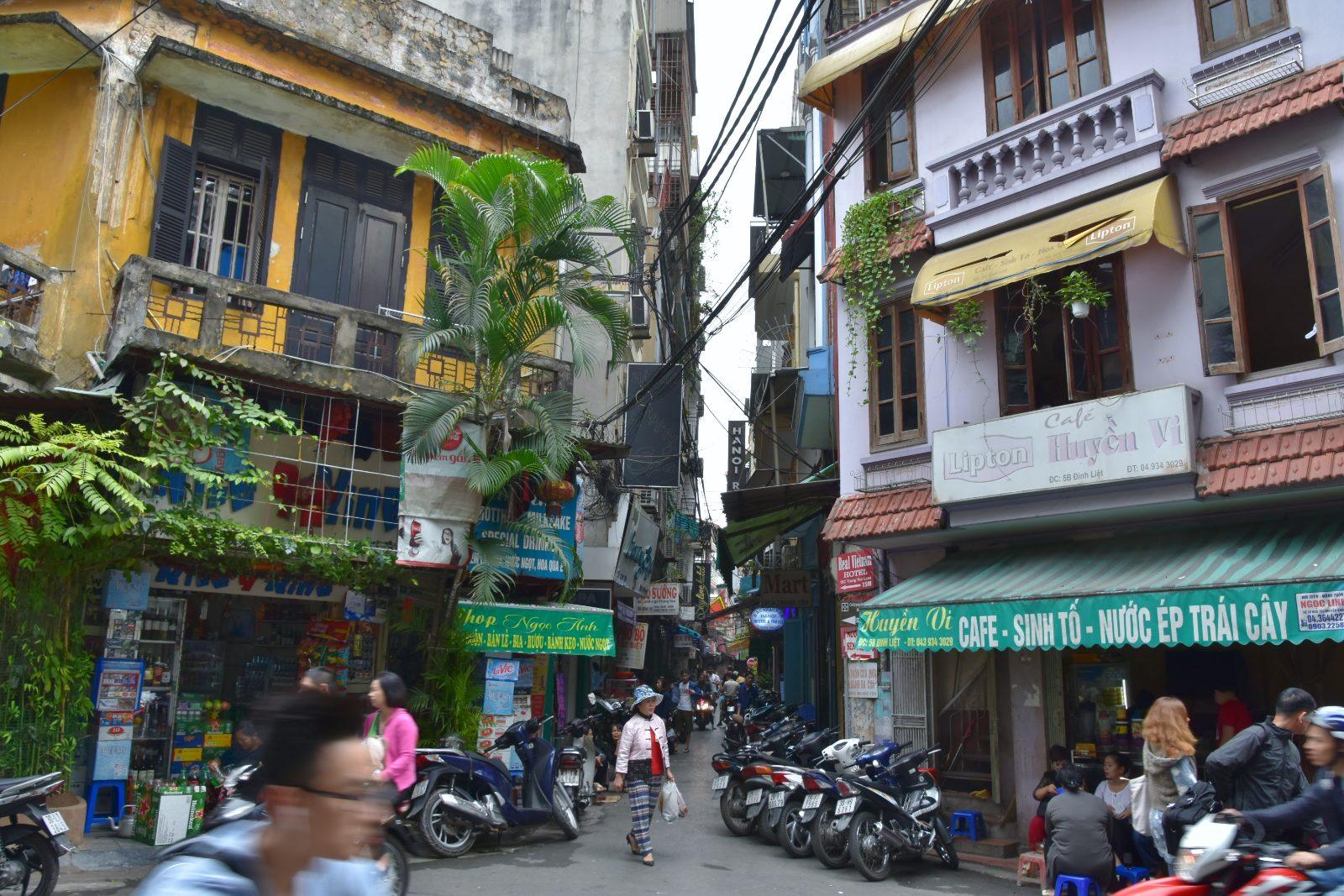
Hanoi Old Quarter: Richard Mortel / CC BY 2.0
Which City Fits Your Itinerary?
If you’re building a linear north-to-south (or south-to-north) route, the “which city first” question mostly answers itself: start wherever your flight lands and travel toward the other end, rather than flying into one city and doubling back through it later. Our 7-day, 10-day, and 14-day Vietnam itineraries are all built on a Hanoi-to-Ho Chi Minh City (or reverse) shape for exactly this reason. If you are only visiting one city on this trip and saving the other for a future visit, use the comparison table above — climate, pace, and what you want as a home base for day trips are the real deciding factors, not one city being objectively “better.”
For a deeper look at how the north and south differ beyond just these two cities, see our North vs. South Vietnam guide.
Neither is objectively better — Ho Chi Minh City tends to feel like an easier landing after a long flight because it is larger, more modern, and has more international infrastructure, while Hanoi rewards visitors willing to adjust to a more historic, sensory-heavy old town. Most first-time visitors end up seeing both as part of a linear north-to-south itinerary rather than choosing only one.
The fastest option is a roughly 2-hour direct domestic flight, run frequently by multiple Vietnamese carriers. The overland option is the Reunification Express train, which takes over 30 hours for the full route and is usually broken up with stops in cities like Da Nang or Hue along the way rather than ridden end to end.
Both have excellent, distinct food scenes rather than one being objectively better. Hanoi is closely associated with pho, bun cha, and egg coffee; Ho Chi Minh City leans into com tam, banh mi, and a louder, more global street-food and restaurant scene shaped by decades as the commercial hub of the south.




One Comment
Comments are closed.