
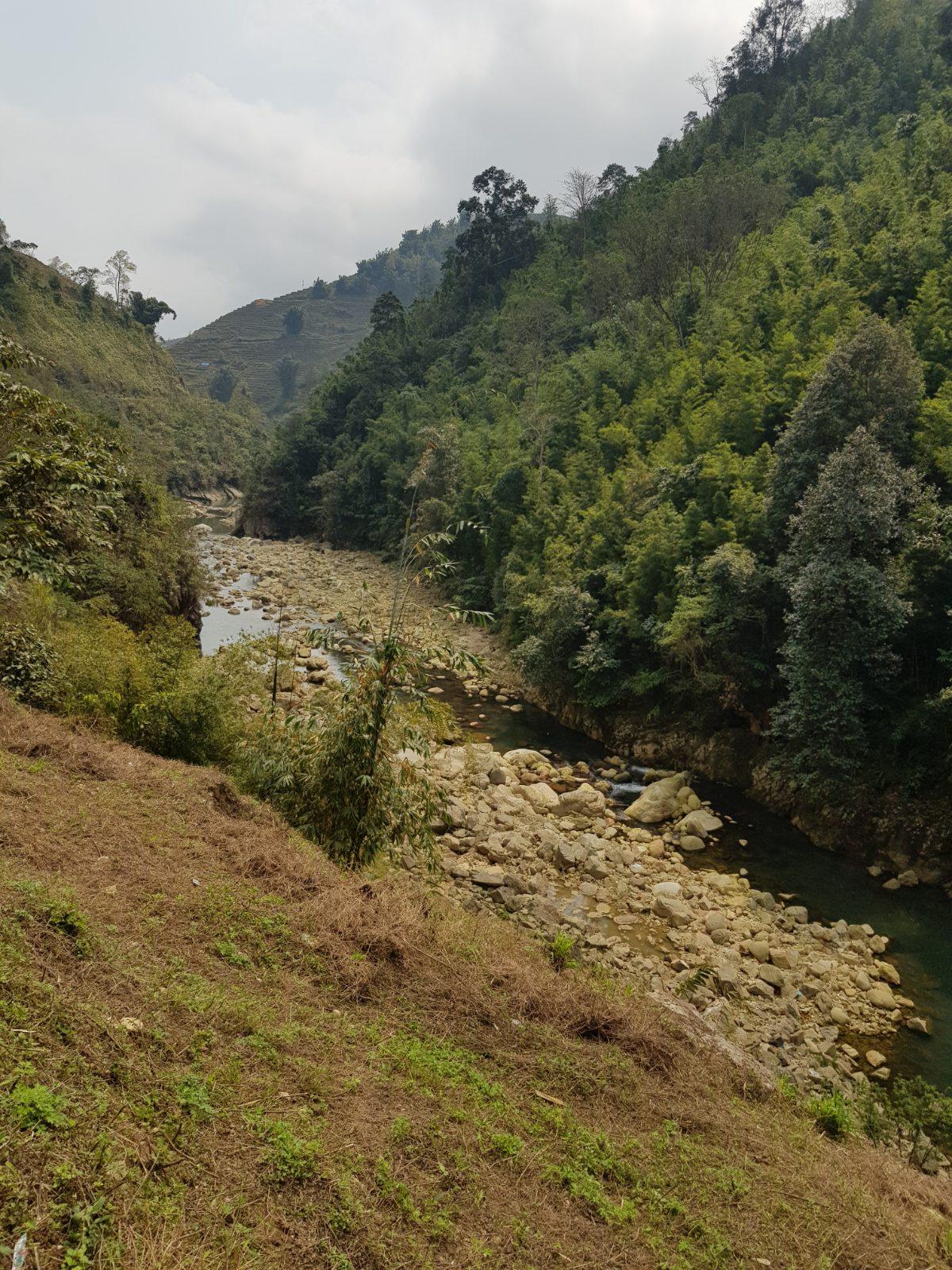
Sapa Itinerary: How to Plan 2 to 3 Days
Two full days is enough to ride the Fansipan cable car and complete one real trek between villages; three days lets you add a homestay night or a side trip to the Bac Ha Sunday market. Here is how to structure either version.
How Should You Structure 2 to 3 Days in Sapa?
Front-load the Fansipan cable car on arrival day since it needs clear weather, then spend your remaining time trekking between villages at a slower pace.
| Day | Focus | What You Will Do |
|---|---|---|
| Day 1 | Arrival + Fansipan | Arrive by late morning, ride the Fansipan cable car and funicular to the summit, walk Sapa Town and Sapa Lake in the evening |
| Day 2 | Cat Cat + Lao Chai–Ta Van trek | Morning walk through Cat Cat village, afternoon trek from Lao Chai to Ta Van through the Muong Hoa Valley rice terraces, overnight homestay or return to town |
| Day 3 (optional) | Ta Phin or Bac Ha | Herbal bath and Red Dao village visit at Ta Phin, or (on a Sunday) a half-day trip to the Bac Ha Sunday market |
TTC Verdict: Two days covers the essentials, but the third day is where Sapa actually earns its reputation — an overnight homestay in Ta Van or a Sunday at Bac Ha market shows a side of the region a rushed itinerary never reaches.
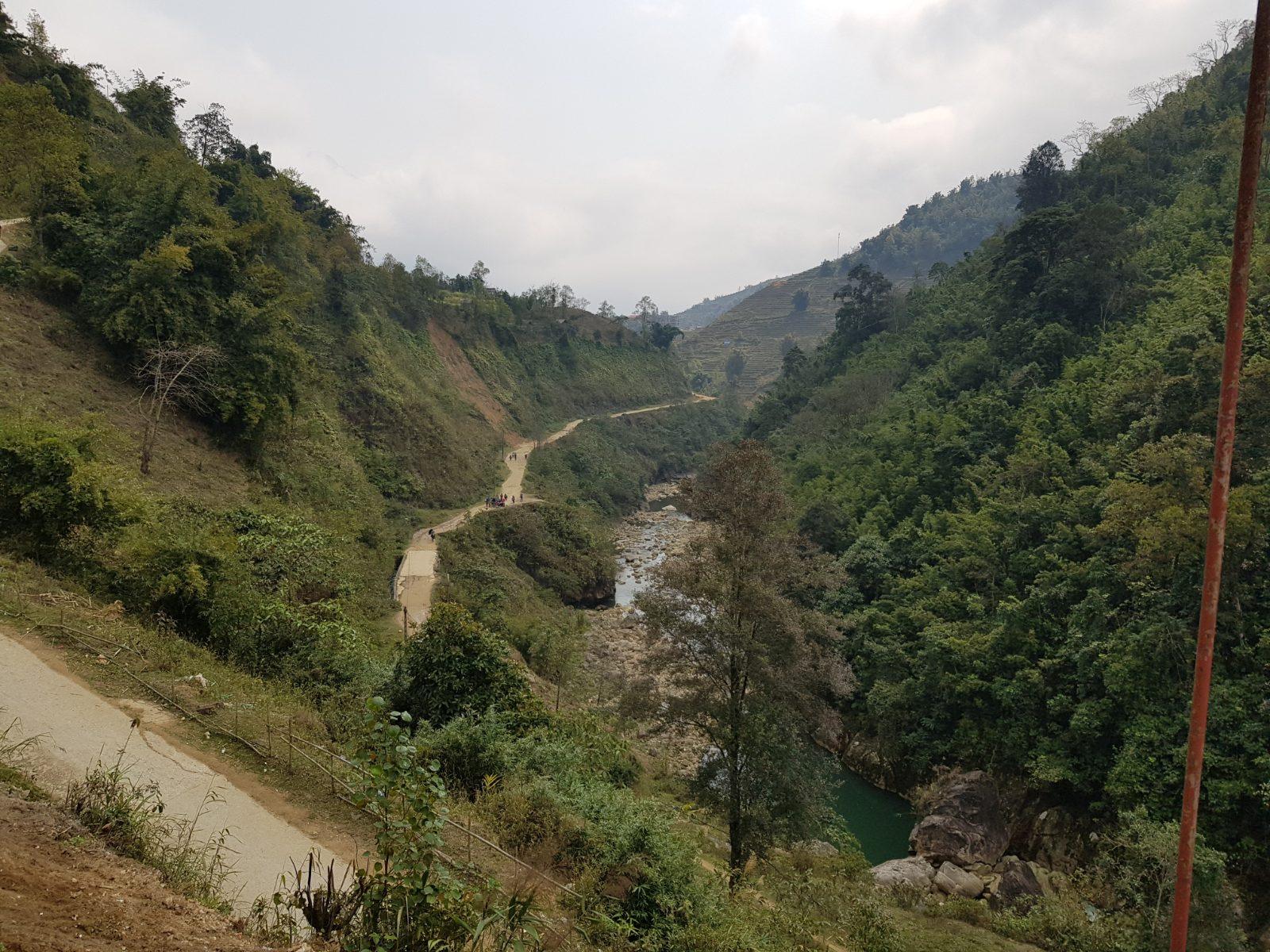
Muong Hoa Valley: Andre Hospers / CC BY 4.0 · Ta Van Valley: Andre Hospers / CC BY 4.0
The Lao Chai to Ta Van Trek, in Detail
This is Sapa’s most popular trekking route, connecting two villages through the Muong Hoa Valley’s terraced rice fields. It typically runs 8 to 10km and takes 3 to 4 hours at a relaxed pace, most of it on dirt paths and stone steps rather than paved trails.
Booking a local guide, usually a H’mong or Dao woman from one of the villages, is standard practice here; it supports the local economy directly and covers a route that is easy to lose without local knowledge. If you’d rather not arrange a guide independently, GetYourGuide’s Sapa trekking tour through the rice terraces bundles a local guide and transport into one booking. Some operators combine the trek with an overnight homestay.
Should You Add an Overnight Homestay?
An overnight stay in a village homestay, most commonly in Ta Van, adds real depth to a Sapa trip: a home-cooked dinner, a night away from Sapa Town’s tourist center, and an easier start the next morning. See our where-to-stay guide for specific villages and price ranges.
Two days covers the Fansipan cable car and one trekking day, which is enough to get a genuine feel for the region — three days lets you slow down and add a homestay night or the Bac Ha market.
It is rated easy to moderate — mostly flat to gently sloped dirt paths over 8 to 10km, manageable for most fitness levels, though the paths can be muddy and slippery after rain.
It helps in peak season (September to November and around holidays), but guides are also commonly arranged same-day in Sapa Town or through your hotel.



4 Comments