
Mui Ne Travel Guide: Everything to Know Before You Go
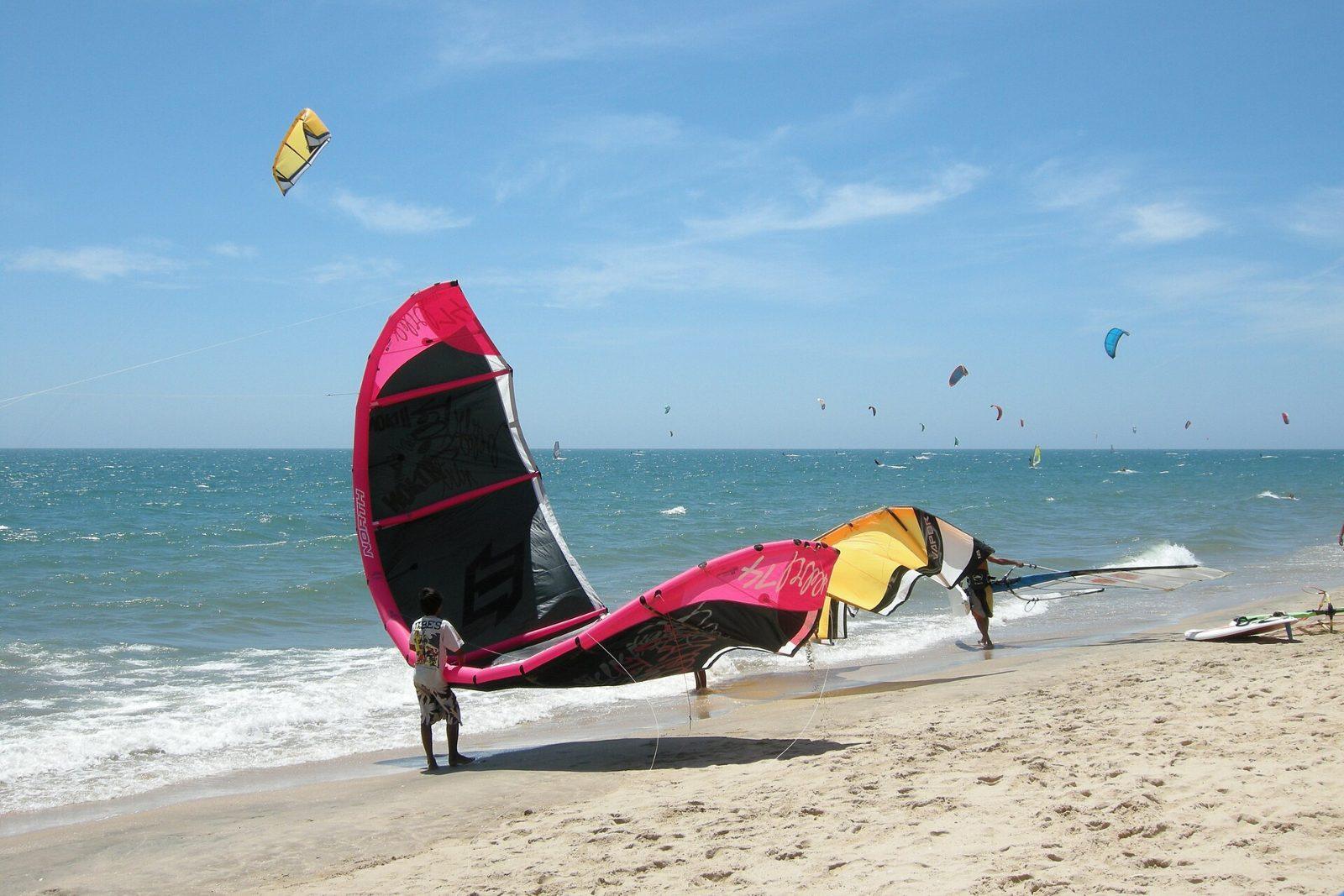
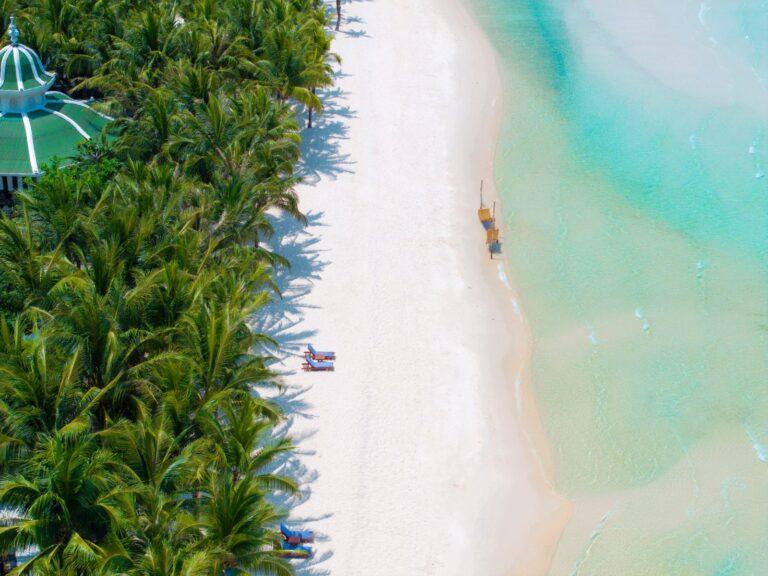
Mui Ne is a beachfront strip on Vietnam’s south-central coast, about 200km east of Ho Chi Minh City, known for two things almost no other Vietnam beach town has: dependable year-round wind that made it the country’s kitesurfing capital, and a run of red-and-white sand dunes that look transplanted from the Sahara. It’s easier to reach by road than by air, easiest to enjoy between November and April, and increasingly has the hotel brands (Anantara, Radisson) to match its scenery.
What Is Mui Ne, and Why Do People Go?
Mui Ne is a coastal ward of Phan Thiet city, in what is now Lam Dong province following Vietnam’s 2025 provincial merger Current administrative naming — most travel sites and locals still say “Binh Thuan,” the pre-merger province name.. Travelers come for three distinct things: kitesurfing and windsurfing on a long, wide beach with reliable cross-shore wind; the Red and White Sand Dunes, a genuine desert-like landscape unlike anywhere else in the country; and a slower, less-crowded resort strip than Nha Trang or Da Nang, with a working fishing harbor still very much part of daily life.
It isn’t a nightlife or shopping destination, and the town itself is spread thin along a single coastal road rather than built around a walkable center — most of what you do here involves a taxi, motorbike, or organized tour.
How Do You Get to Mui Ne?
There’s no commercial airport serving Mui Ne yet — Phan Thiet’s new airport broke ground in 2026 but isn’t expected to open until around 2028. Until then, everyone arrives overland from Ho Chi Minh City or connects through Cam Ranh Airport (CXR) near Nha Trang.
| Method | Time | Cost (approx.) | Best For |
|---|---|---|---|
| Train (HCMC → Phan Thiet) | ~3h 45m | $7 – $12 | Budget travelers, no luggage hassle |
| Sleeper or seat bus | 5 – 7 hrs | $6+ | Tightest budgets |
| Private car / transfer | 3.5 – 5 hrs | ~$80 | Groups, direct hotel drop-off |
A new expressway between Ho Chi Minh City and Phan Thiet has cut the drive from the old 5-6 hour slog down to roughly 3.5-4 hours, so a private transfer or the train are both reasonable options for a first visit. Book the train or a private transfer a day or two ahead in peak season (Dec-Feb weekends), when seats and drivers sell out.
When Is the Best Time to Visit Mui Ne?
November through April is Mui Ne’s dry season and also its windiest — exactly what kitesurfers and windsurfers come for, with the strongest, most consistent wind from December through February. May through October brings the southwest monsoon: weaker, less predictable wind, more rain, but also thinner crowds and better conditions for surfing and simply relaxing on the beach.
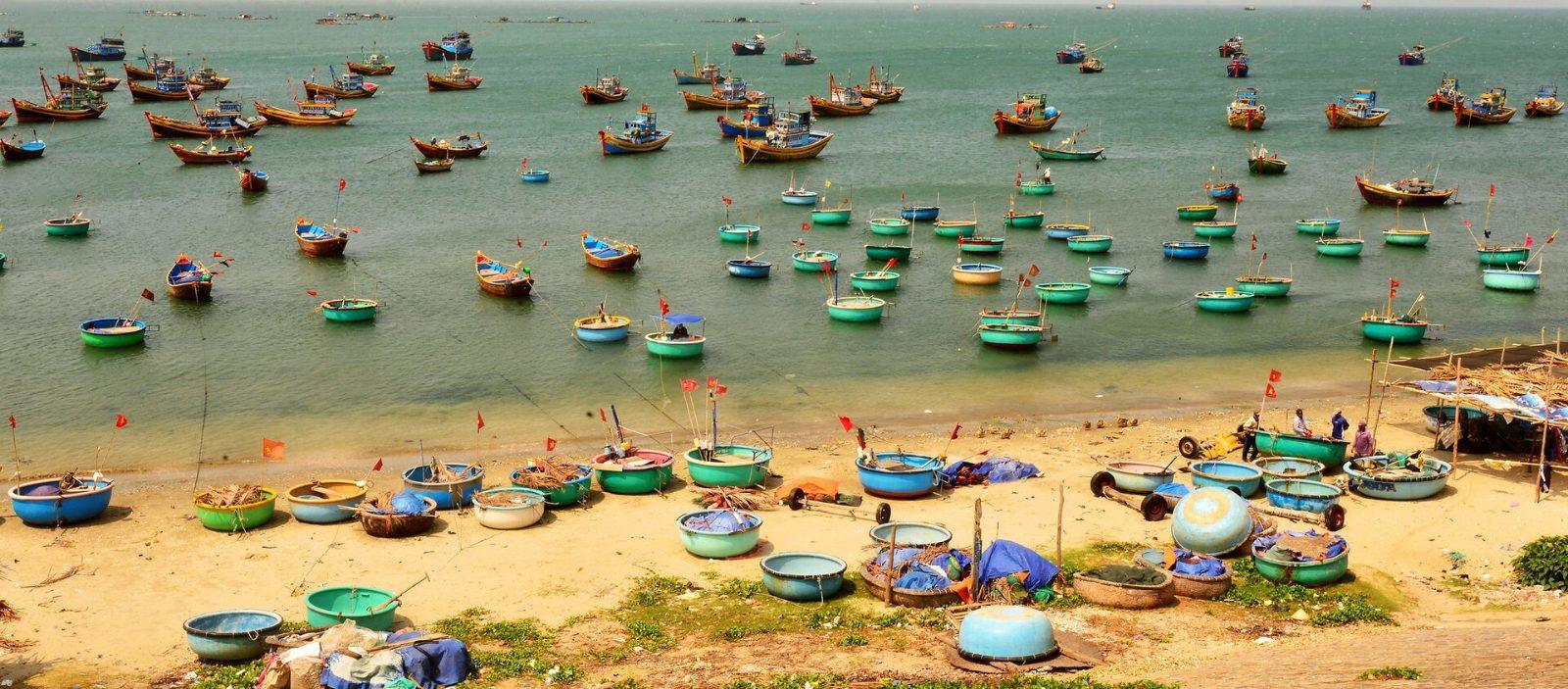
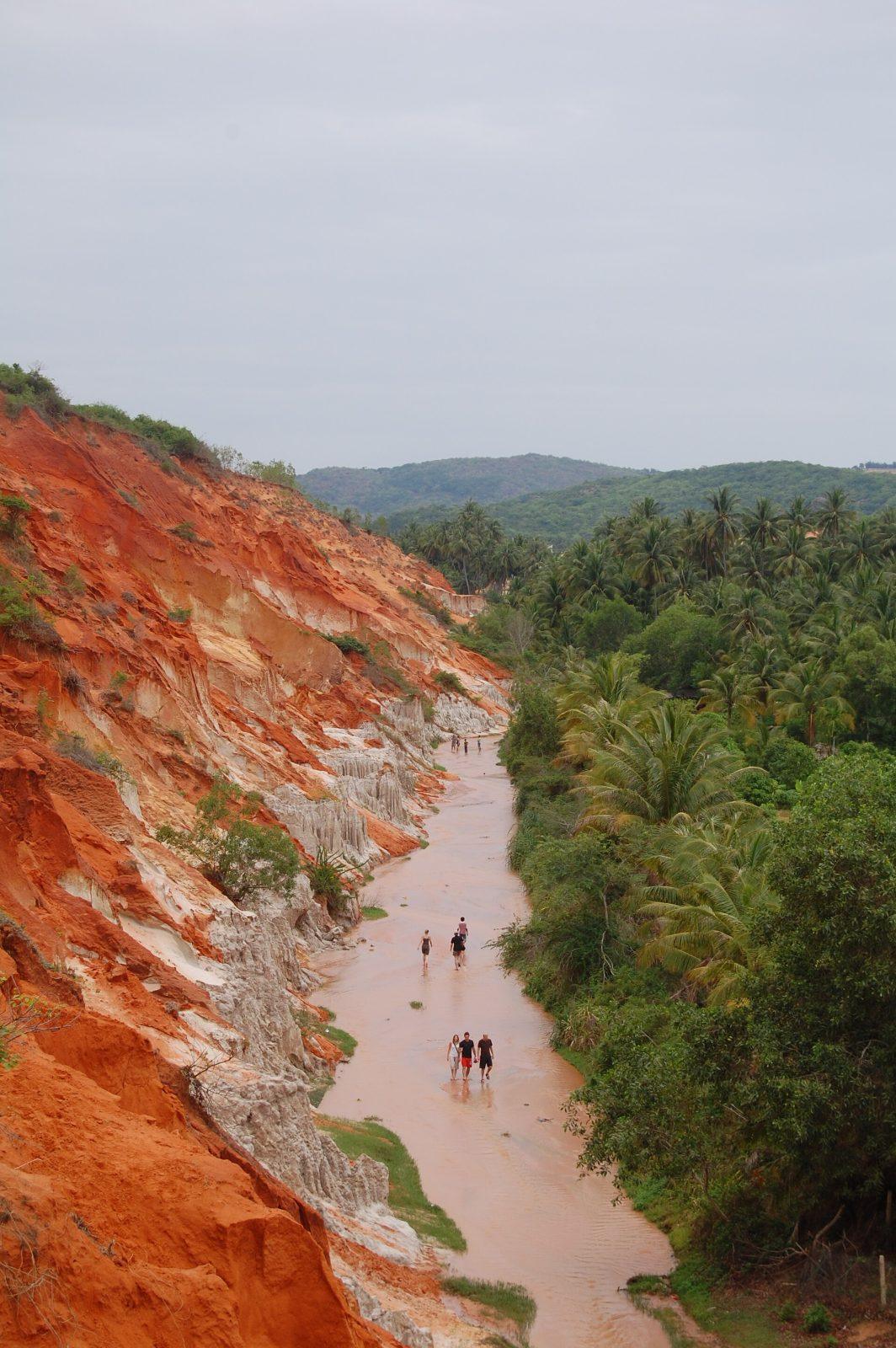
Mui Ne fishing village: Michel Coutty / Public Domain · Fairy Stream: Darren On The Road / CC BY 2.0
How Many Days Do You Need in Mui Ne?
Two full days covers the essentials — sunrise or sunset at the dunes, a walk through Fairy Stream, and time on the beach. Three to four days is better if you want to add a kitesurfing lesson, the fishing village and Po Shanu Cham towers, or you’re combining Mui Ne with a longer south-central coast route. See our full Mui Ne itinerary for a day-by-day plan.
Where Should You Stay in Mui Ne?
Mui Ne’s hotel scene splits into a few distinct zones along the coast road, from the walkable Ham Tien resort strip to the quieter fishing-village end of town. Two international brands now anchor the destination: Anantara Mui Ne Resort & Spa at the Ham Tien end, and Radisson Resort Mui Ne further out toward Mui Ne ward proper. See our full Where to Stay in Mui Ne guide for every area.
What Should You Eat in Mui Ne?
Phan Thiet-style seafood noodles, banh can (mini rice cakes baked in clay pots with quail egg or minced pork), and the region’s own take on banh xeo are the local staples, alongside some of the freshest, cheapest seafood on the coast thanks to the working harbor. See our full Mui Ne food guide for exactly where to eat.
Is Mui Ne Worth Visiting, or Should You Go to Nha Trang Instead?
They suit different trips. Nha Trang is a bigger, more built-up beach city with an island-hopping scene and more nightlife; Mui Ne is smaller, wind-driven, and built around the dunes and a slower pace. Many travelers on a longer south-central coast route do both. See our full Mui Ne vs. Nha Trang comparison for the detailed breakdown.
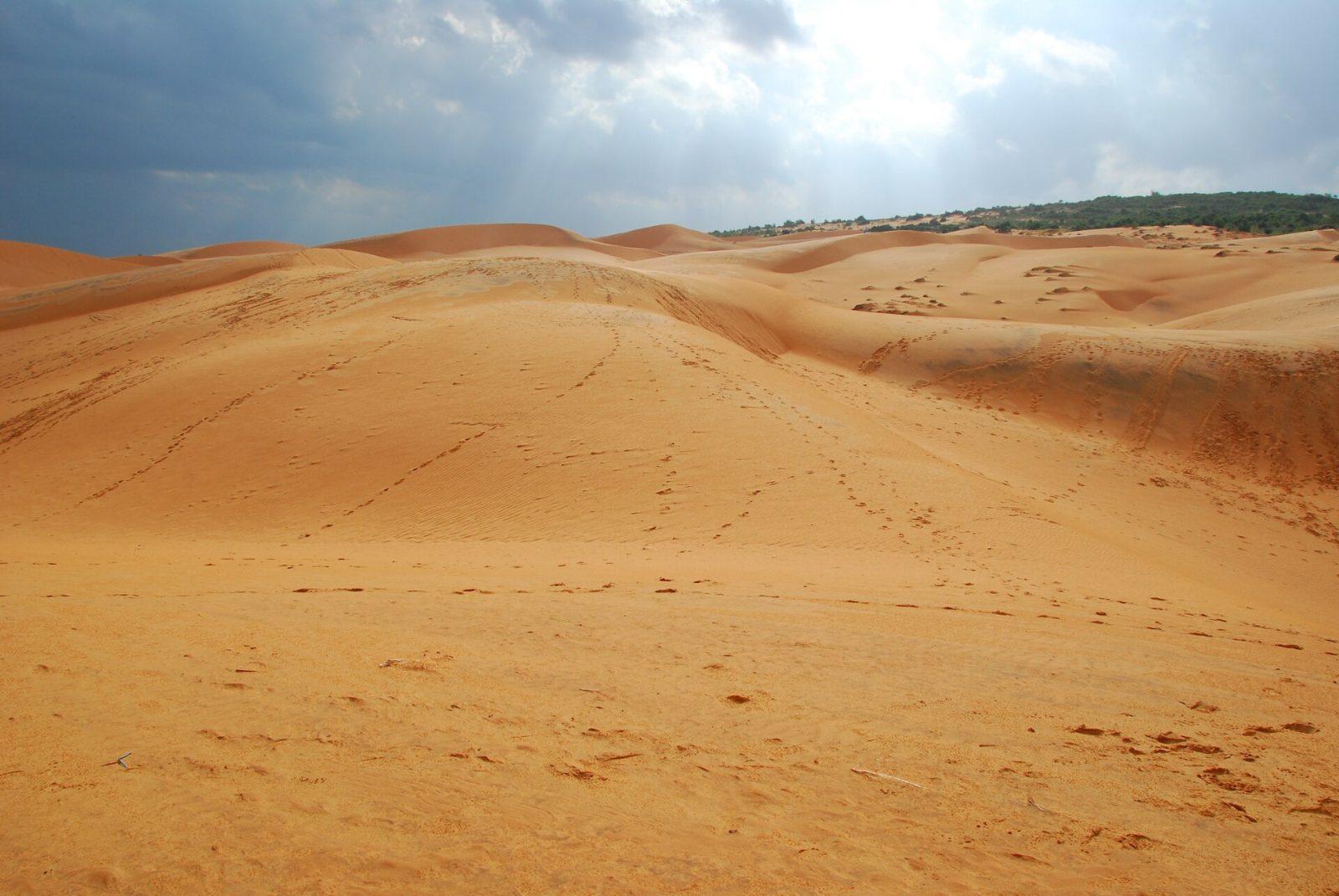
Red Sand Dunes: jetsun / CC BY-SA 3.0
Yes, especially if you kitesurf, windsurf, or want to see Vietnam’s sand dunes — it’s a genuinely different landscape and pace than the country’s other beach towns, though it suits travelers happy with a quieter, more spread-out resort strip rather than a walkable town center.
The train to Phan Thiet takes roughly 3 hours 45 minutes, a sleeper or seat bus takes 5-7 hours, and a private car transfer takes about 3.5-5 hours on the newer expressway. There is no commercial airport serving Mui Ne yet.
Mui Ne is known as Vietnam’s kitesurfing and windsurfing capital, thanks to consistent coastal wind from November to April, and for the Red and White Sand Dunes just outside town.
5 Comments