
Cash or Card in Vietnam? A Practical Payment Guide
Vietnam runs on a cash-first economy for anything outside hotels and malls, so plan to carry Vietnamese dong for daily spending and treat your card as a backup for bigger purchases. ATMs are the easiest way to get dong once you land, but foreign-card fees and daily withdrawal caps vary a lot by bank — picking the right one saves real money over a two-week trip. This guide covers exactly where cards work, where they do not, and how to withdraw cash without losing money to fees or a bad exchange rate.
Should You Use Cash or Card in Vietnam?
Use cash for anything small, local, or outdoors — street food, markets, taxis, temple entry fees — and save your card for hotels, malls, and chain restaurants where it is reliably accepted. Vietnam’s tourism economy has grown a lot around card payments in cities, but the country is still fundamentally cash-based once you step outside tourist-district businesses, and carrying zero cash is a real way to get stuck.
| Where You Are | Cash or Card? | Notes |
|---|---|---|
| Street food, sidewalk cafes | Cash only | Card terminals essentially do not exist at this level |
| Wet markets, small shops | Cash only | Also where negotiating on price is normal |
| Taxis and xe om | Cash (usually) | Grab in-app card payment works; street-hailed rides are cash |
| Mid-range hotels, malls, supermarkets | Either | Visa/Mastercard reliable; Amex less consistent |
| Temple and heritage site entry fees | Cash only | Small exact-change amounts are common |
TTC Verdict: Carry 500,000–1,500,000 VND (roughly $20–60) in cash for a typical day of street food, markets, and local transport, and keep your card for hotel check-in and bigger city purchases. Never carry zero cash in Vietnam — it is one of the few travel mistakes here that can genuinely strand you mid-meal.
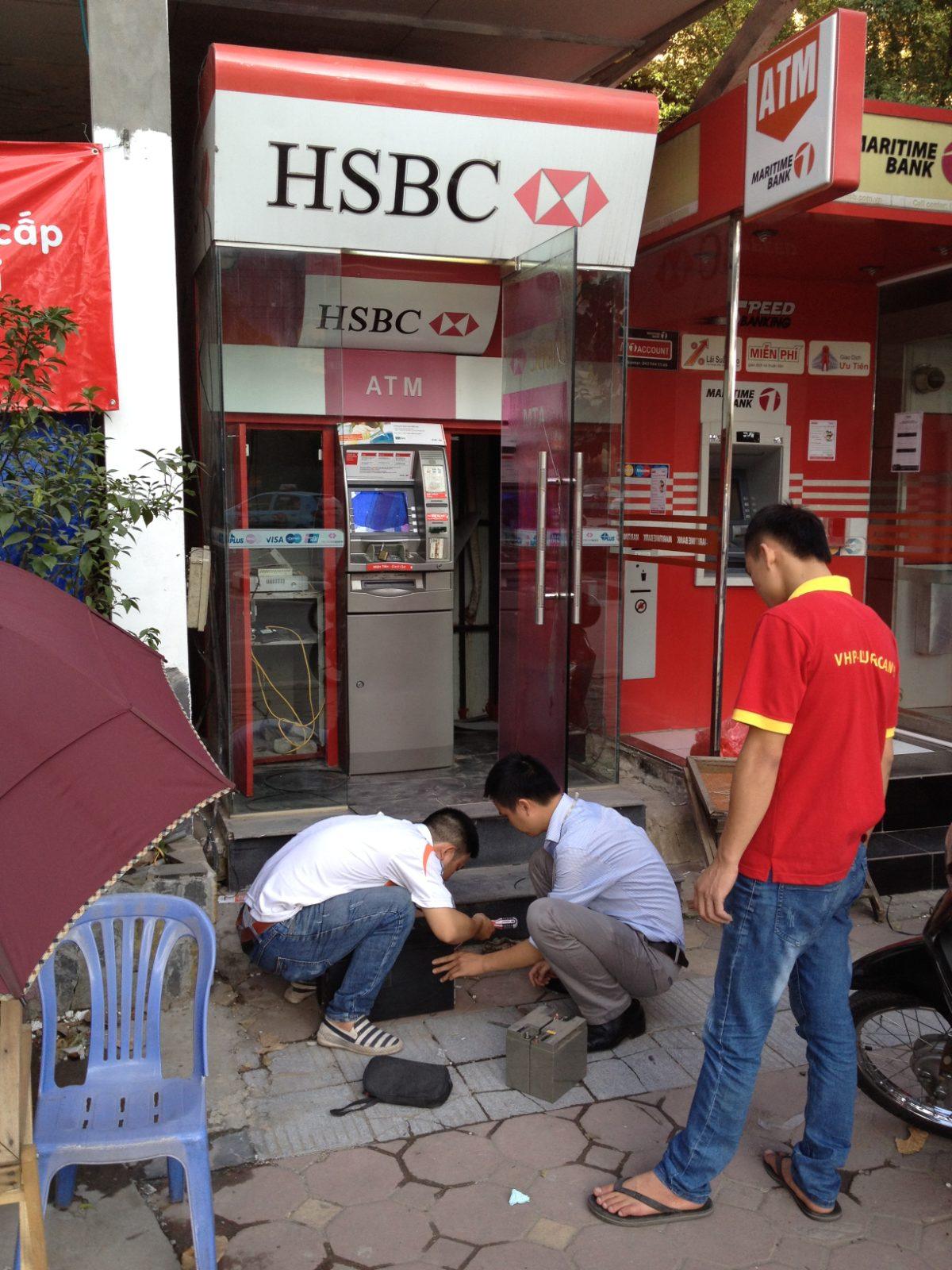
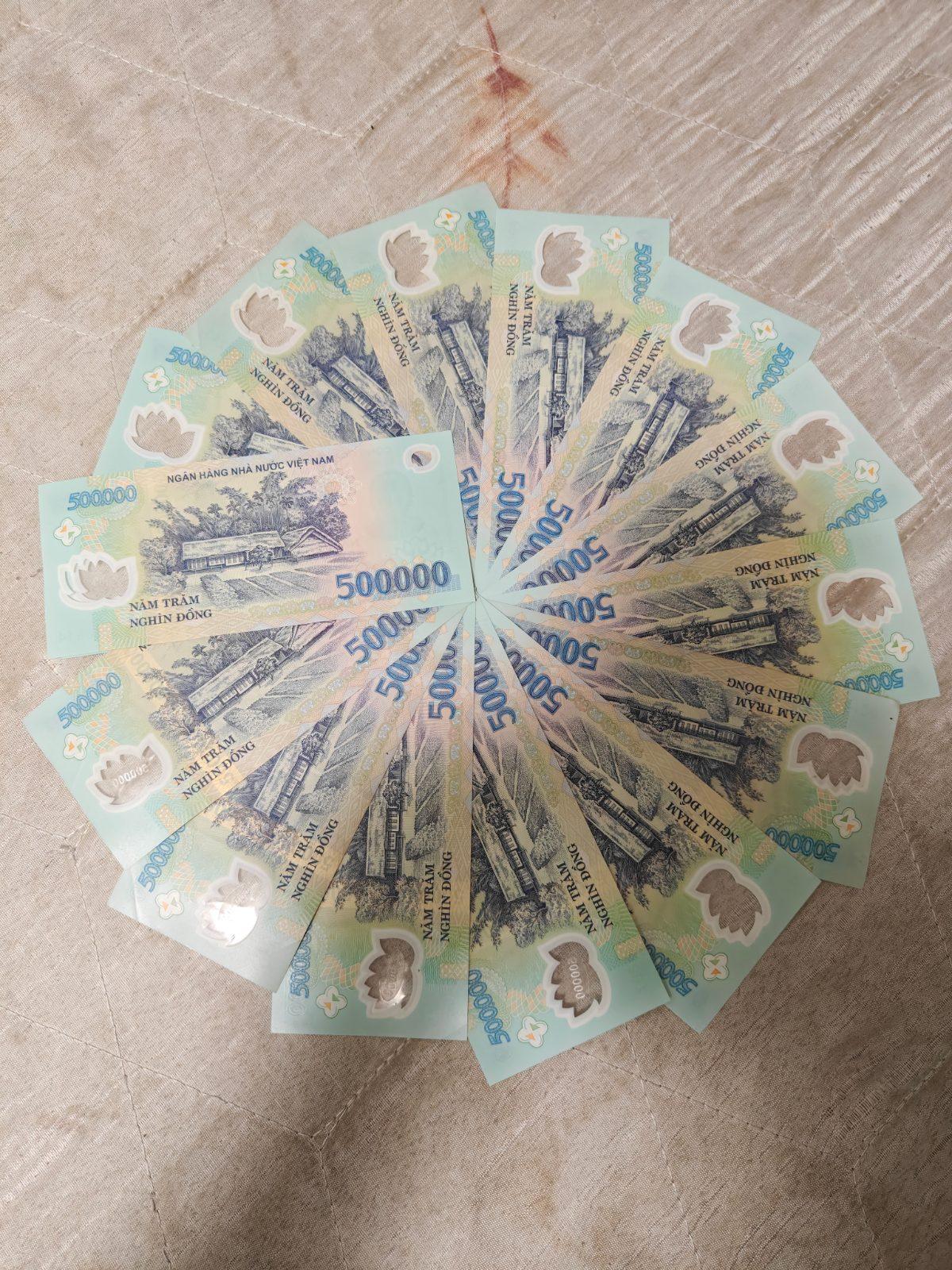
Dong banknotes: HuangWending18072009 / CC0 · ATM, Hanoi: Phan Minh Tuấn / CC BY-SA 4.0
What Is the Cheapest Way to Withdraw Cash in Vietnam?
Eximbank is the most consistently cited low-or-no-fee option for foreign cards, with TPBank and OCB also offering competitive rates and wider ATM availability outside major cities. Most other Vietnamese banks charge foreign cardholders 22,000–66,000 VND per withdrawal (roughly $1–2.50), which is manageable if you withdraw larger amounts less often rather than making frequent small withdrawals.
| Bank | Per-Withdrawal Limit | Foreign Card Fee |
|---|---|---|
| Eximbank | ~3–5,000,000 VND | Lowest or no fee — fewer machines outside major cities |
| TPBank / OCB | ~2–5,000,000 VND | Low fee, better availability than Eximbank |
| Vietcombank | ~2–3,000,000 VND | Standard fee (~22,000–66,000 VND) |
| BIDV | ~2–5,000,000 VND | Standard fee |
| Agribank | ~2–3,000,000 VND | Standard fee, strong rural coverage |
Do Vietnamese Businesses Charge a Card Surcharge?
Some do, typically around 3% to cover their own card-processing costs, though larger hotels and chain restaurants usually absorb this themselves rather than passing it on. It is worth asking before paying a large amount by card, especially at smaller, independently run hotels and shops where a surcharge is more likely to apply.
Do MoMo, ZaloPay, or Other Vietnamese Payment Apps Work for Tourists?
Not really — MoMo, ZaloPay, and VietQR all require a Vietnamese bank account to set up, which makes them inaccessible to most short-term visitors. Apple Pay and Google Pay do work in Vietnam anywhere a contactless Visa or Mastercard terminal is available, mostly in cities, so it is worth having one of those set up on your phone as a card backup even if the local wallet apps are out of reach.
Withdrawing dong from an ATM after arrival is generally the better option — you get a more competitive exchange rate than currency exchange counters typically offer, and dong is what you actually need for the vast majority of purchases.
Some tourist-facing businesses and hotels will informally accept USD, but you will typically get a worse effective exchange rate than paying in dong, and it is not a reliable option outside major tourist areas. Plan to use dong as your default currency.
500,000 to 1,500,000 VND (roughly $20–60) covers a typical day of street food, local transport, and small purchases. Carry more if you plan a larger market purchase or an activity that is cash-only.



2 Comments
Comments are closed.