
What to Eat in Hua Hin: Night Markets, Seafood, and Street Food
Hua Hin’s best eating is split between its weekend night markets, long-running seafood houses, and decades-old street food stalls. Here’s where to go for each.
Food varies dramatically by destination across Vietnam, Thailand, and Singapore — from Hanoi’s egg coffee and bun cha to Ho Chi Minh City’s com tam, Bangkok’s street-stall noodles to Hua Hin’s weekend night markets, and Singapore’s hawker centres serving Michelin-recognized food at street prices. These guides cover what to eat, where to find it, and what a fair local price looks like, so you’re not guessing at a menu or overpaying as a visitor. Coverage spans major destinations across all three countries, with more cities added as the site expands.
Hua Hin’s best eating is split between its weekend night markets, long-running seafood houses, and decades-old street food stalls. Here’s where to go for each.
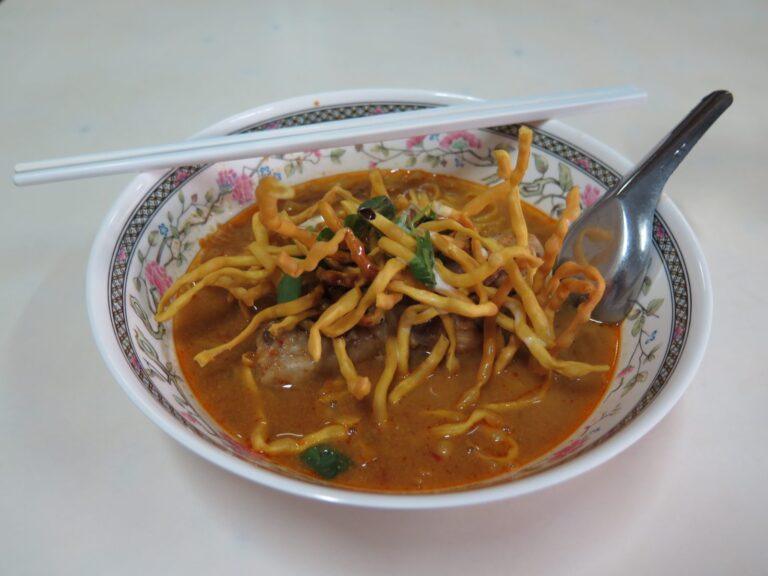
Khao soi is Northern Thailand’s signature dish: a rich, coconut-curry noodle soup topped with a tangle of crispy fried egg noodles, found all over Chiang Mai but rarely seen outside the north. If pad thai is Thailand’s noodle dish for the world, khao soi is the one locals in Chiang Mai actually eat on a…
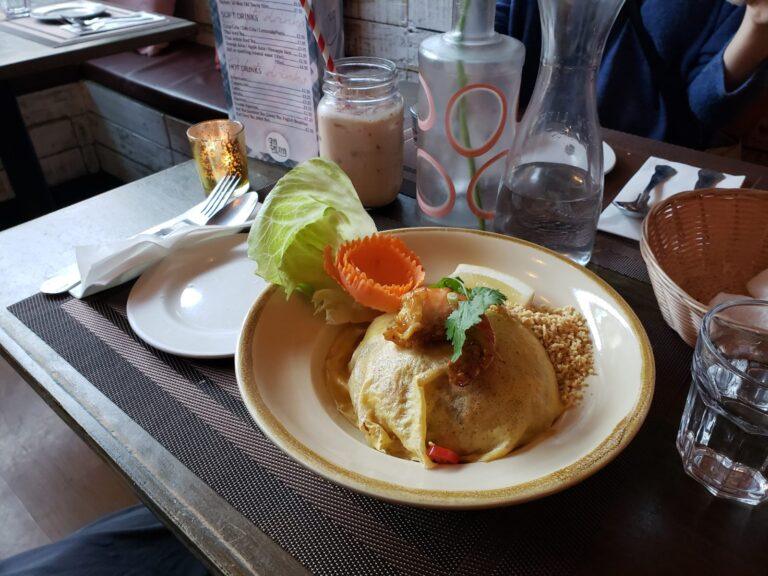
Pad thai is a stir-fried rice noodle dish built on a sweet-sour-salty balance of tamarind, fish sauce, and palm sugar, tossed with egg, tofu, bean sprouts, and usually shrimp or chicken, then finished with crushed peanuts and a wedge of lime. It is Thailand’s most internationally recognized dish, but it is younger than most visitors…
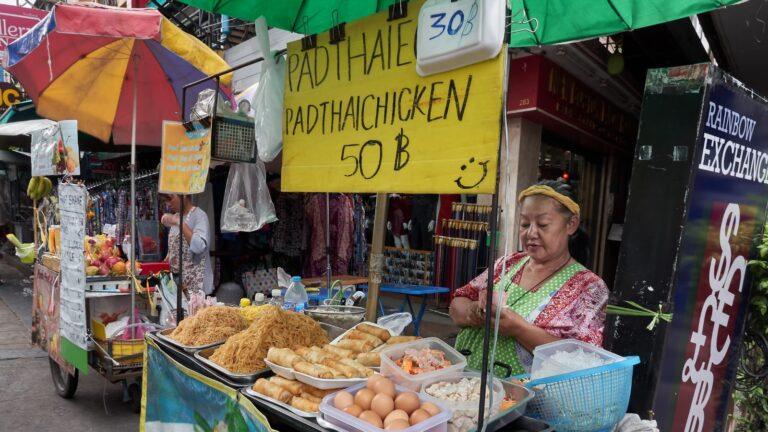
Koh Samui’s food scene runs from Pad Thai and Tom Yum at local-run shops near Chaweng’s side streets to high-end beachfront dining at resorts like Six Senses and Anantara. The best approach for most visitors is to mix both: a few resort meals for the view, and regular trips into Chaweng’s or Bophut’s side streets…
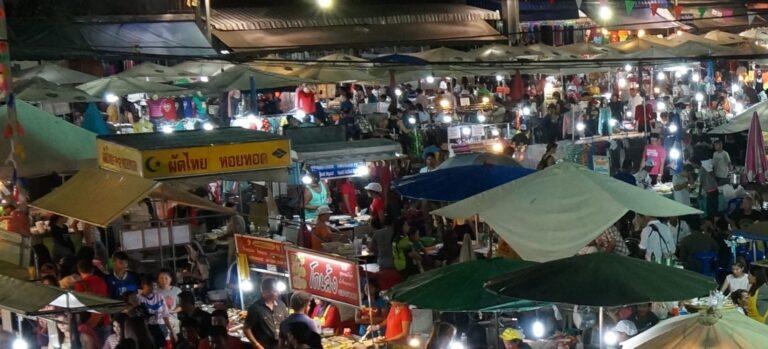
Krabi’s food scene centers on two things: riverside seafood restaurants where you pick your own fish or crab from a tank, and weekend night markets where a full meal costs less than a coffee back home. The province’s southern Thai roots also show up in dishes you will not find as easily in Bangkok or…
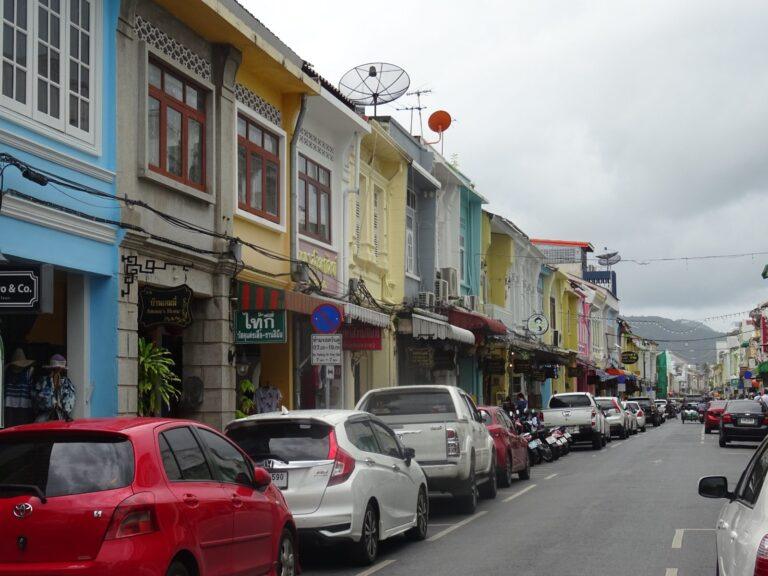
Phuket’s food scene is more distinctive than most visitors expect: the island’s long history as a tin-mining hub for Chinese immigrants gave it its own Peranakan (Baba) cuisine, a blend of Hokkien-Chinese cooking and Malay influence found nowhere else in Thailand in quite the same form. Old Phuket Town, not the beach resorts, is where…
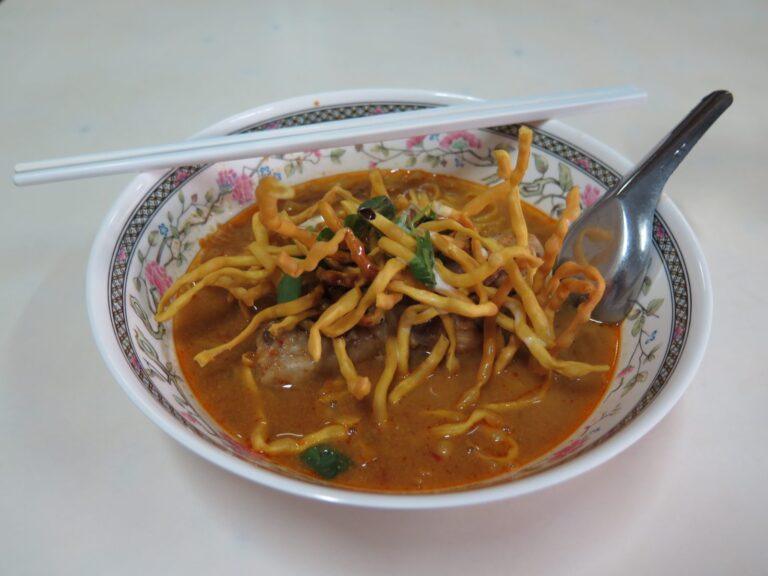
Chiang Mai’s food is distinctly northern Thai, or Lanna cuisine: milder and more herb-forward than the dishes most visitors already know from Bangkok, built around sticky rice instead of jasmine rice, and shaped by real Burmese and Shan influence. The one dish to try first is khao soi, a curried coconut noodle soup that is…
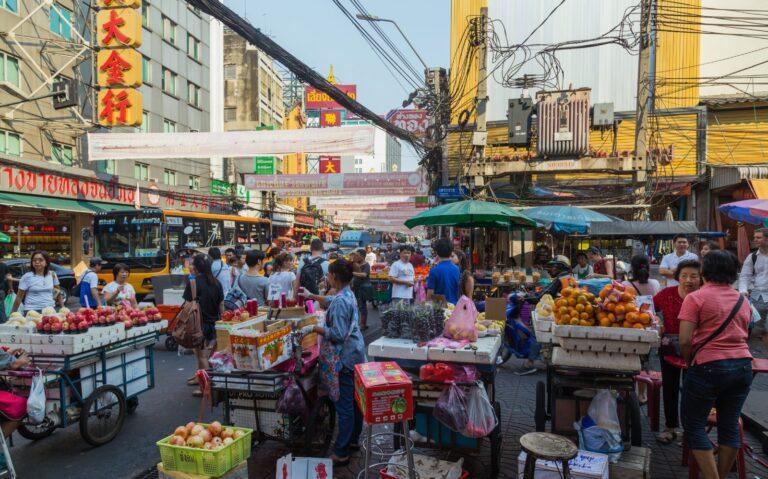
Bangkok’s food scene runs from one-dollar noodle carts to Michelin-listed street stalls, and the best meals in the city are almost never in a restaurant with a menu in English. The dishes worth prioritizing are Pad Thai, Pad Kra Pao, Som Tam, Tom Yum Goong, Moo Ping, and Mango Sticky Rice, and the best place…
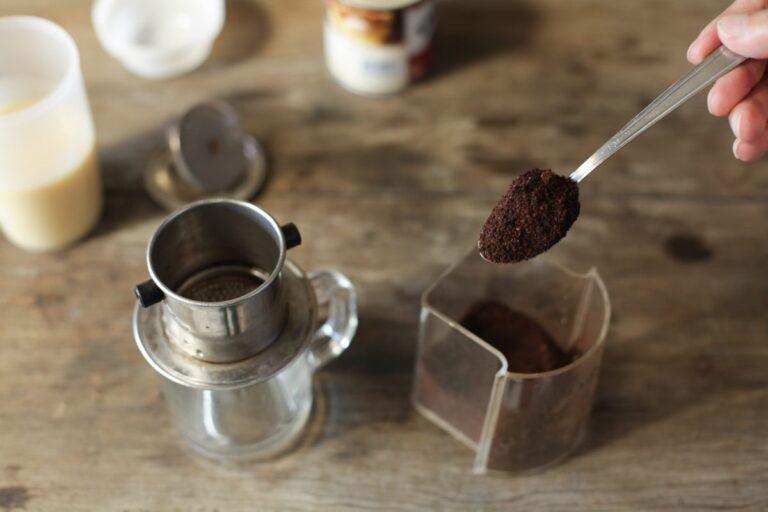
Vietnamese coffee culture is built around a small metal drip filter called a phin, strong dark-roast robusta beans, and a habit of pairing bitter coffee with sweetened condensed milk rather than fresh milk or sugar. It shows up as ca phe sua da (iced milk coffee) on nearly every street corner, as the richer, dessert-like…
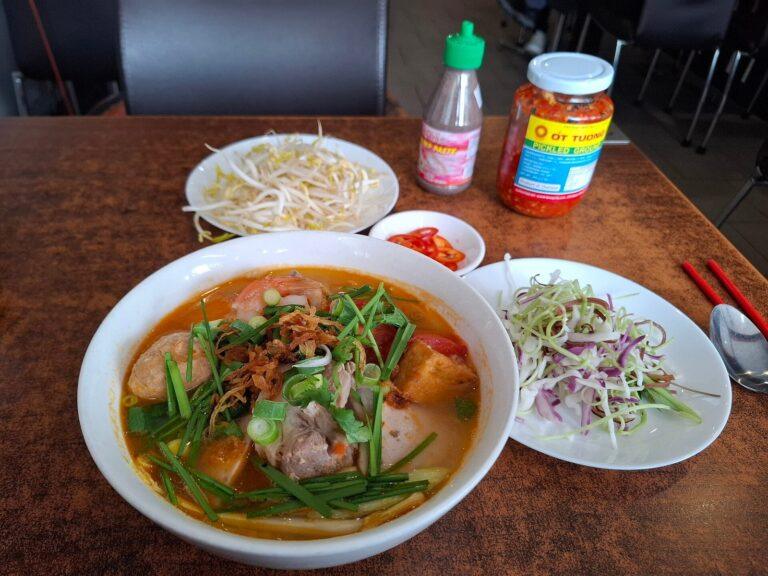
Bun rieu is a tomato-red Vietnamese noodle soup built around a light, tangy broth made with freshwater crab paste, and it’s one of the country’s most comforting everyday noodle dishes without being as internationally famous as pho. Thin rice vermicelli sits under a broth studded with tomato, a crab-and-egg cake called rieu, tofu, and sometimes…