
What to Eat in Ho Chi Minh City: Street Food, Com Tam & Local Favorites
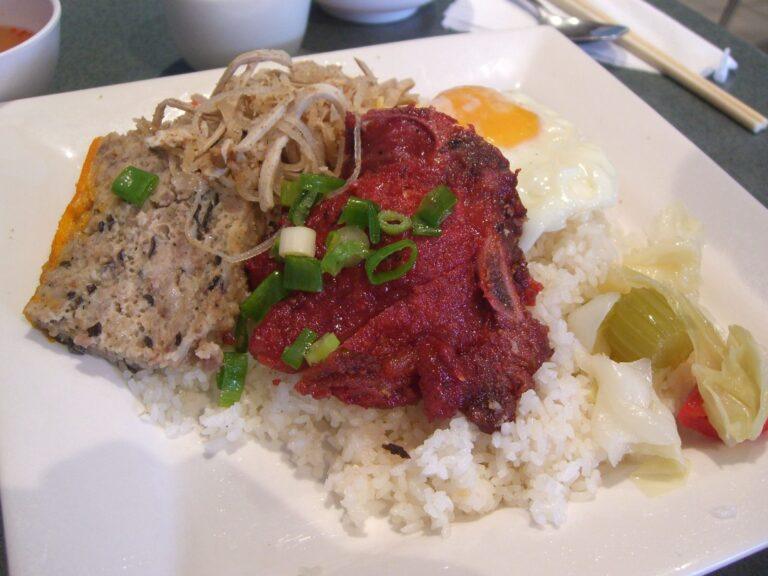
The single dish to try first in Ho Chi Minh City is com tam, or broken rice — grilled pork, a fried egg, and pickled vegetables over rice made from broken grains, sold everywhere from sidewalk stalls to sit-down restaurants and considered the city’s defining lunch. Banh mi, the French-influenced baguette sandwich, runs a close second and is easier to find at any hour. Below is a practical guide to the dishes worth seeking out, what they cost, and where locals actually eat them.
What Is the Most Iconic Food to Try in Ho Chi Minh City?
Com tam, or broken rice, is the dish most associated with Saigon specifically — grilled pork chop, a fried egg, shredded pork skin, and a small pork-and-egg meatloaf called cha over rice made from the broken grains once sold cheaply to the poor and now a citywide staple at every price point. Banh mi is the closer runner-up, and the one most travelers already know by name: a crisp baguette filled with pate, cold cuts or grilled meat, pickled carrot and daikon, cucumber, cilantro, and chili.
Ho Chi Minh City Dishes to Try
| Dish | What It Is | Where to Find It | Typical Price* |
|---|---|---|---|
| Com tam (broken rice) | Grilled pork, fried egg, and pickled vegetables over broken rice | Sidewalk stalls citywide, especially District 1 and District 3 lunch spots | $3–$6 |
| Banh mi | Baguette sandwich with pate, meats, pickled vegetables, cilantro, chili | Street carts and dedicated banh mi shops on nearly every block | $1.50–$4 |
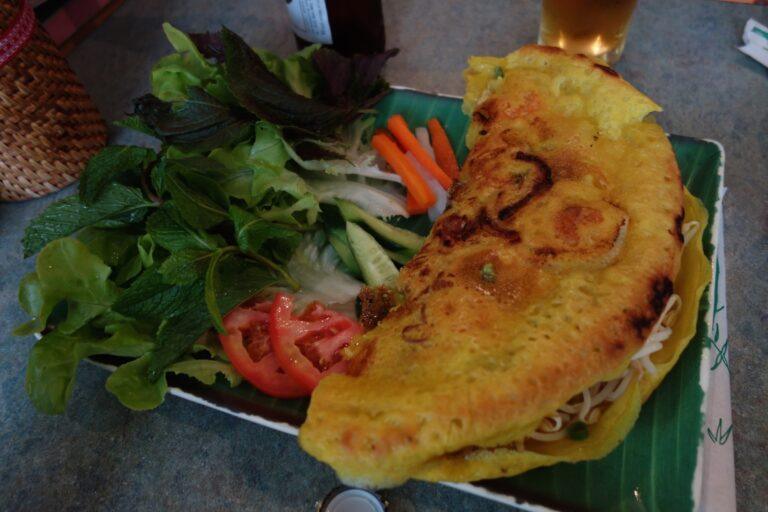
| Banh xeo | Crispy turmeric rice-flour pancake with shrimp, pork, and bean sprouts | Dedicated banh xeo restaurants, e.g. around District 1 and District 3 | $3–$8 |
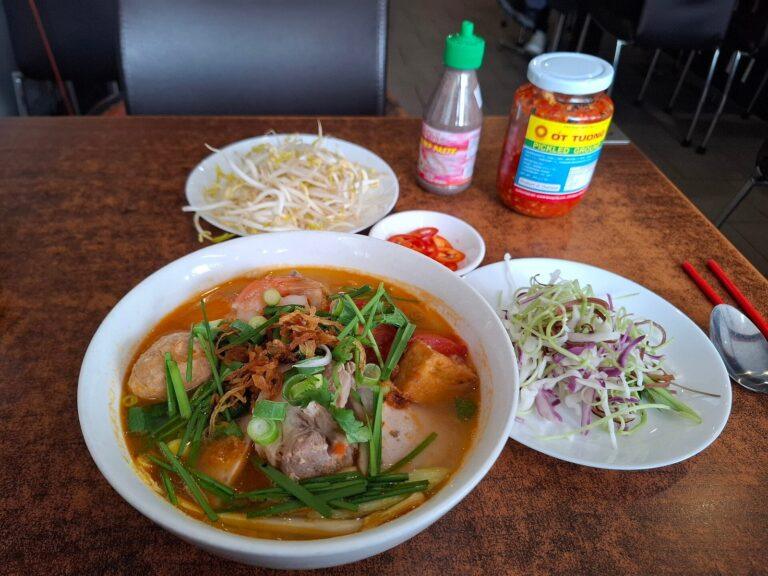
| Hu tieu | Southern-style noodle soup in a light pork or seafood broth | Noodle stalls and markets citywide, morning through lunch | $3–$6 |
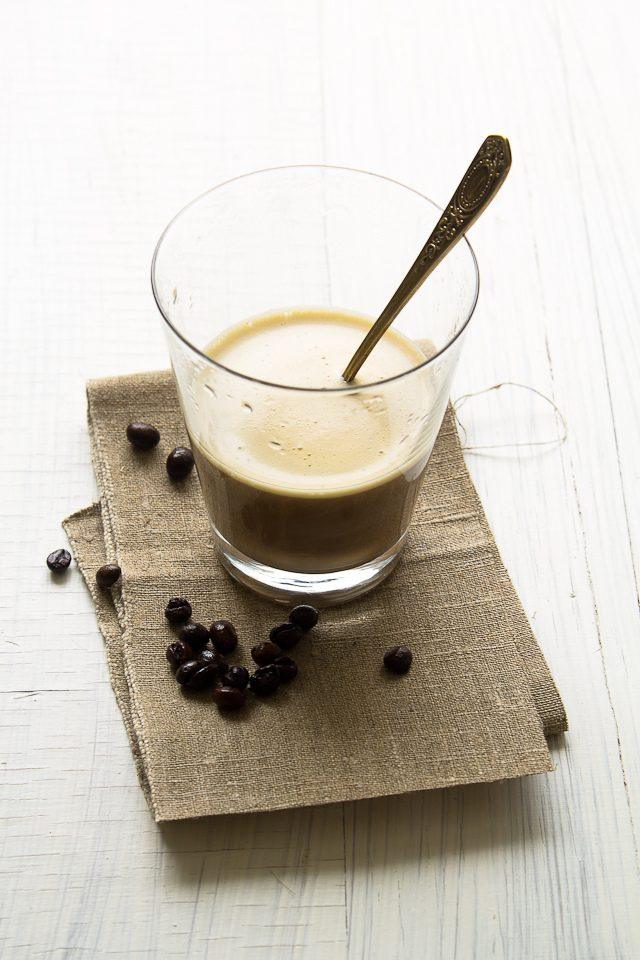
| Ca phe sua da | Vietnamese drip coffee brewed over sweetened condensed milk, served iced | Street coffee carts and cafes on nearly every corner | $1–$3 |
| Banh trang tron | Torn rice paper tossed with dried beef, quail egg, herbs, and chili — a popular street snack | Street vendors, especially near schools and markets | $0.50–$1.50 |
*Prices are directional USD ranges gathered from third-party travel sources, not live rates — street food pricing varies by vendor and neighborhood.
TTC Verdict: Eat com tam at least once from a plastic-stool sidewalk stall — it is the dish that best explains how Saigon actually eats lunch. Save banh mi for a morning or late-night snack, since good versions are sold at almost any hour. If you only have time for one food stop, Ben Thanh Market clusters enough variety under one roof to sample several dishes without planning a route.
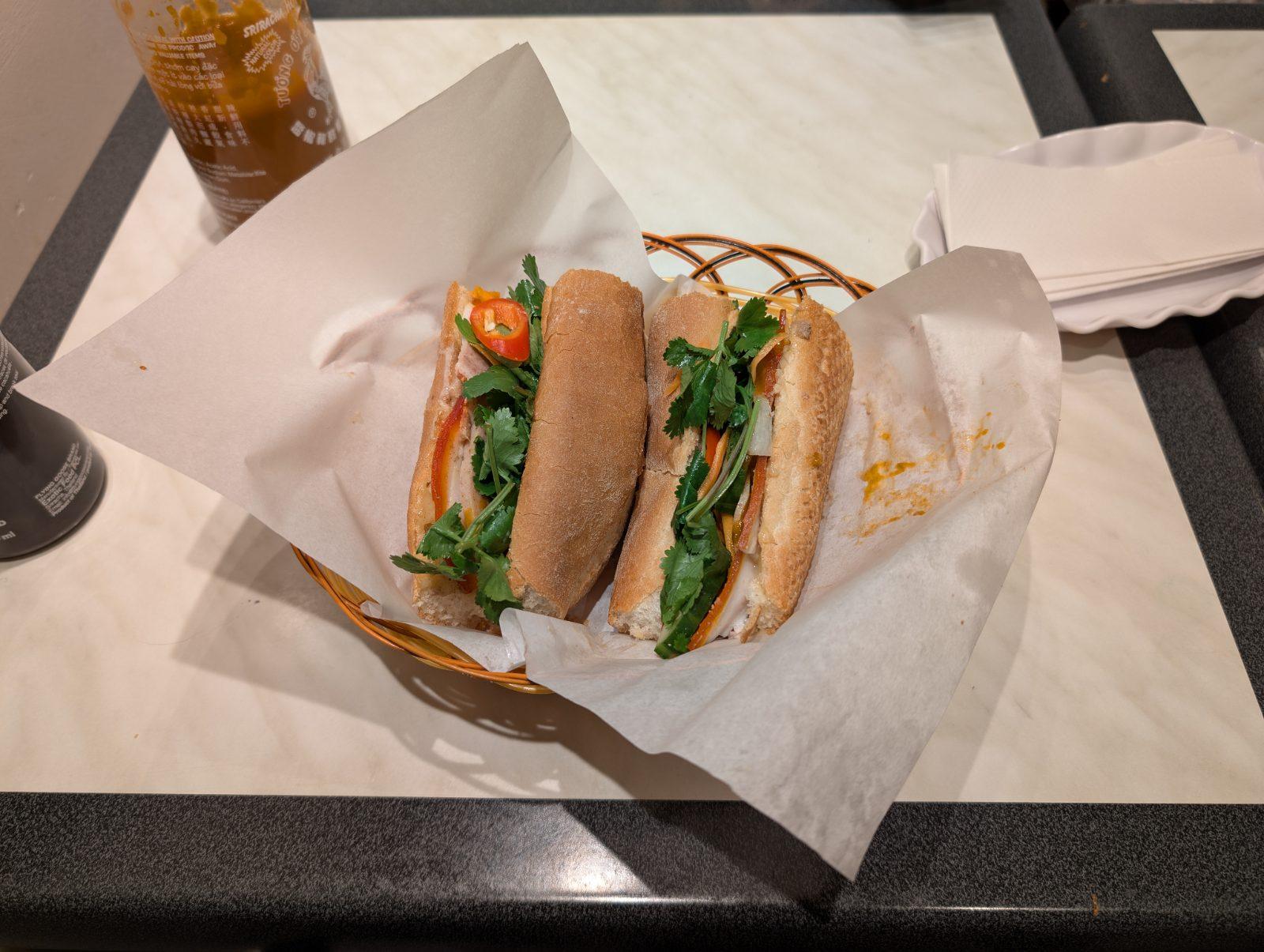
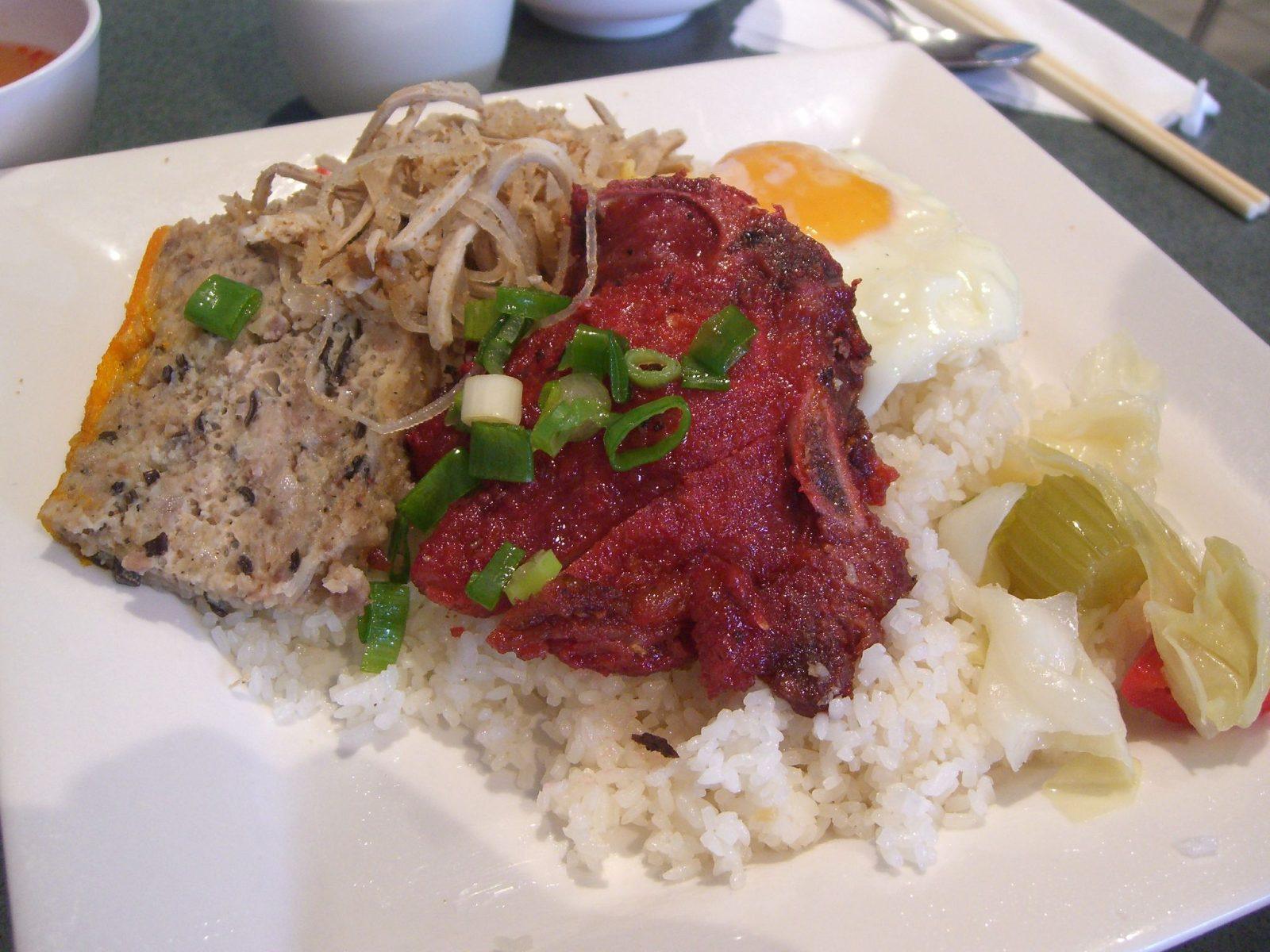
Banh Mi: Andy Li / CC0 · Com Tam: Alpha from Melbourne, Australia / CC BY-SA 2.0
Where Locals Actually Eat
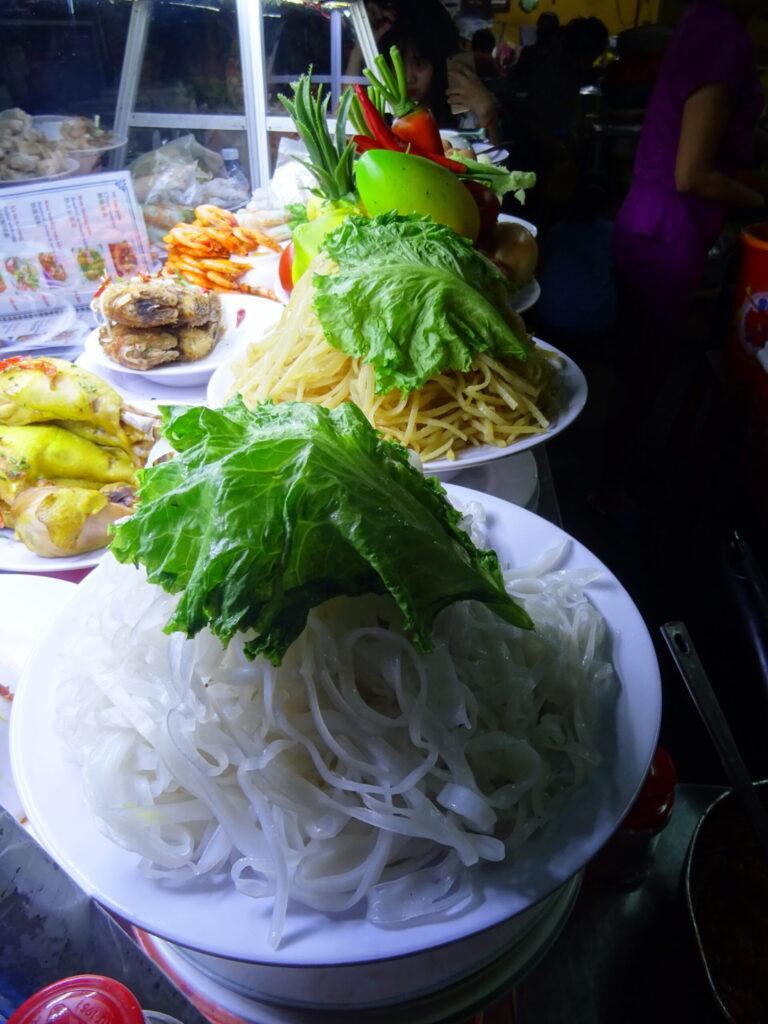
Plastic-stool sidewalk stalls, not restaurants, are where most of Saigon eats lunch and breakfast — look for a stall with a long local queue rather than English signage. Ben Thanh Market’s food stalls (134 Nam Ky Khoi Nghia St, District 1) are the easiest single stop for trying several dishes at once, with pho, com tam, spring rolls, and grilled pork vermicelli all sold within the same market hall, though it’s worth confirming current hours before visiting.
Vietnamese Coffee, Explained
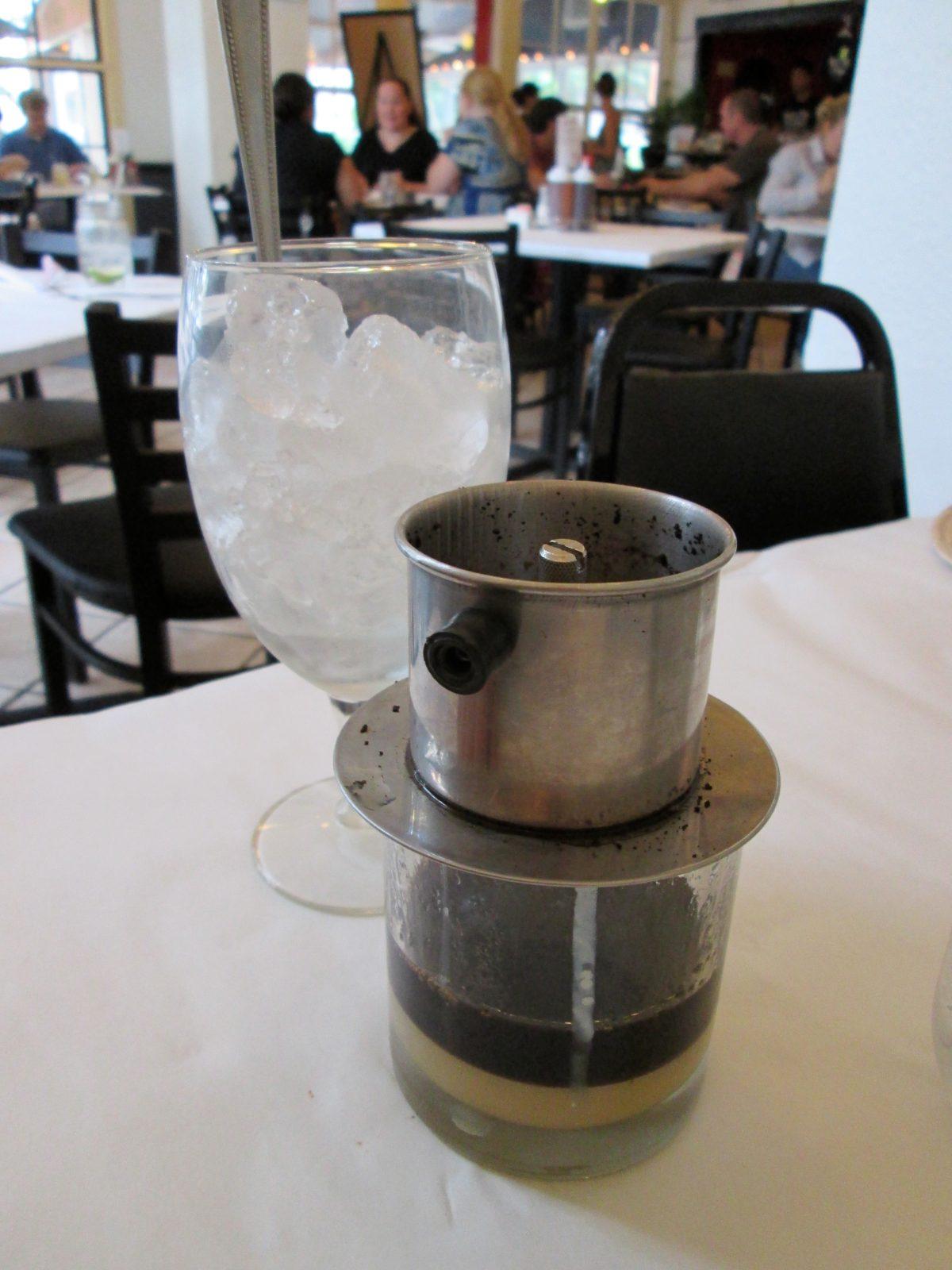
Ca phe sua da — dark-roast Vietnamese coffee dripped through a small metal phin filter over sweetened condensed milk, then poured over ice — is the default coffee order in Ho Chi Minh City, and noticeably stronger and sweeter than a Western iced coffee. Street coffee carts sell it for a fraction of a cafe price and it is worth trying from both to compare.
Explore More of Ho Chi Minh City
Frequently Asked Questions
Com tam, or broken rice, is the dish most associated with Saigon specifically — grilled pork, a fried egg, and pickled vegetables over rice made from broken grains, sold everywhere from sidewalk stalls to sit-down restaurants.
Yes, generally — stalls with a steady local queue turn over ingredients quickly, which is the best practical safety signal as a visitor. Stick to busy stalls, watch food being cooked fresh in front of you, and drink bottled or filtered water rather than tap water.
Ben Thanh Market in District 1 is the easiest single stop — its food stalls sell com tam, pho, spring rolls, and grilled pork vermicelli within the same market hall, making it a practical first meal to get oriented before exploring individual neighborhood stalls.
3 Comments
Comments are closed.