
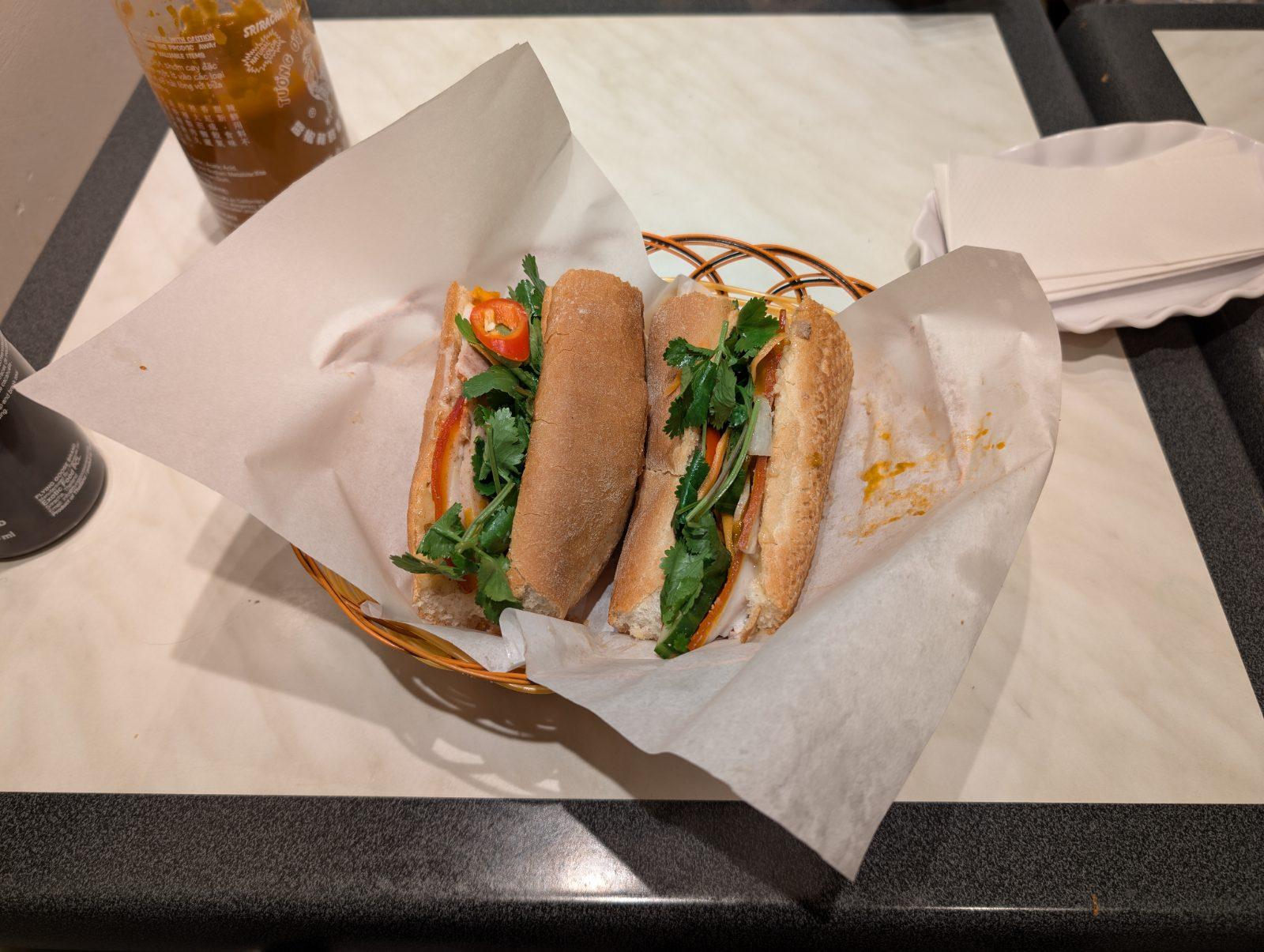
Banh Mi: A Complete Guide to Vietnam’s Most Famous Sandwich
Banh mi is Vietnam’s most recognized food export, and it earns that reputation honestly: a crisp French baguette, made distinctly Vietnamese with pate, pickled vegetables, fresh herbs, and a choice of meats. It is sold on nearly every street corner in the country for a fraction of what a sandwich costs at home, and the style changes noticeably as you move from Hanoi to Hoi An to Ho Chi Minh City. Here is what banh mi actually is, how the regional styles differ, and where to eat it.
What Is Banh Mi, Exactly?
Banh mi is a Vietnamese sandwich built on a light, French-style baguette and filled with a mix of Vietnamese and French-influenced ingredients: pate, mayonnaise, one or more meats, pickled carrot and daikon, cucumber, chili, and fresh cilantro. The French introduced the baguette to Vietnam in the mid-19th century, and for decades it stayed a French-style sandwich of ham and butter, out of reach for most Vietnamese households because of the cost of imported wheat. Wartime shortages in the early 20th century pushed bakers to blend in rice flour, which made bread affordable at scale for the first time. The distinctly Vietnamese sandwich most travelers now think of as banh mi did not take its modern shape until the 1950s in Saigon, when shops such as Hoa Ma began filling it with Vietnamese proteins and condiments instead of French ones. That single shift, from a French sandwich eaten in Vietnam to a Vietnamese sandwich built on French bread, is why banh mi reads as authentically Vietnamese today rather than as a colonial leftover.
| Feature | Hanoi Style | Saigon Style |
|---|---|---|
| Bread | Denser, shorter, crisp crust, slightly chewy inside | Lighter, airier, longer, thinner and crispier crust |
| Fillings | Simple — usually pork liver pate and ham | Diverse — grilled pork, meatballs, chicken, cold cuts |
| Condiments | Minimal, often just a light spread of pate or butter | Generous — mayonnaise, butter, soy sauce, chili sauce |
| Herbs & pickles | Restrained, fewer fresh herbs | Abundant cilantro and pickled carrot and daikon |
| Flavor profile | Subtle, savory, umami-forward | Bold, combining sweet, savory, and spicy |
| Best for | Travelers who want the more restrained original | Travelers who want maximum flavor in one bite |
TTC Verdict: If you can only try one banh mi in the country, make it Hoi An’s. Hanoi’s version is the more historically restrained original, but Hoi An’s, especially at Banh Mi Phuong, layers pate, multiple meats, and a distinctive housemade sauce into one sandwich that both locals and visiting chefs have called one of the best in the world.
Where Should You Eat Banh Mi in Vietnam?
The single most famous stop is Banh Mi Phuong in Hoi An’s Old Town, made internationally known after Anthony Bourdain called it a “symphony in a sandwich” on his television show. It draws a real line of both locals and tourists most mornings, which is normally a reliable sign of fast turnover and fresh bread rather than a tourist trap. In Hanoi, look for stalls in the Old Quarter serving the classic pate-and-ham version described above; in Ho Chi Minh City, banh mi is sold from carts on nearly every block, and the bolder, more heavily dressed Saigon style is the local default. Exact addresses and current hours for specific stalls change often enough that we are not listing them here as fixed facts — asking your hotel or homestay for their own favorite is usually more reliable than any single list.
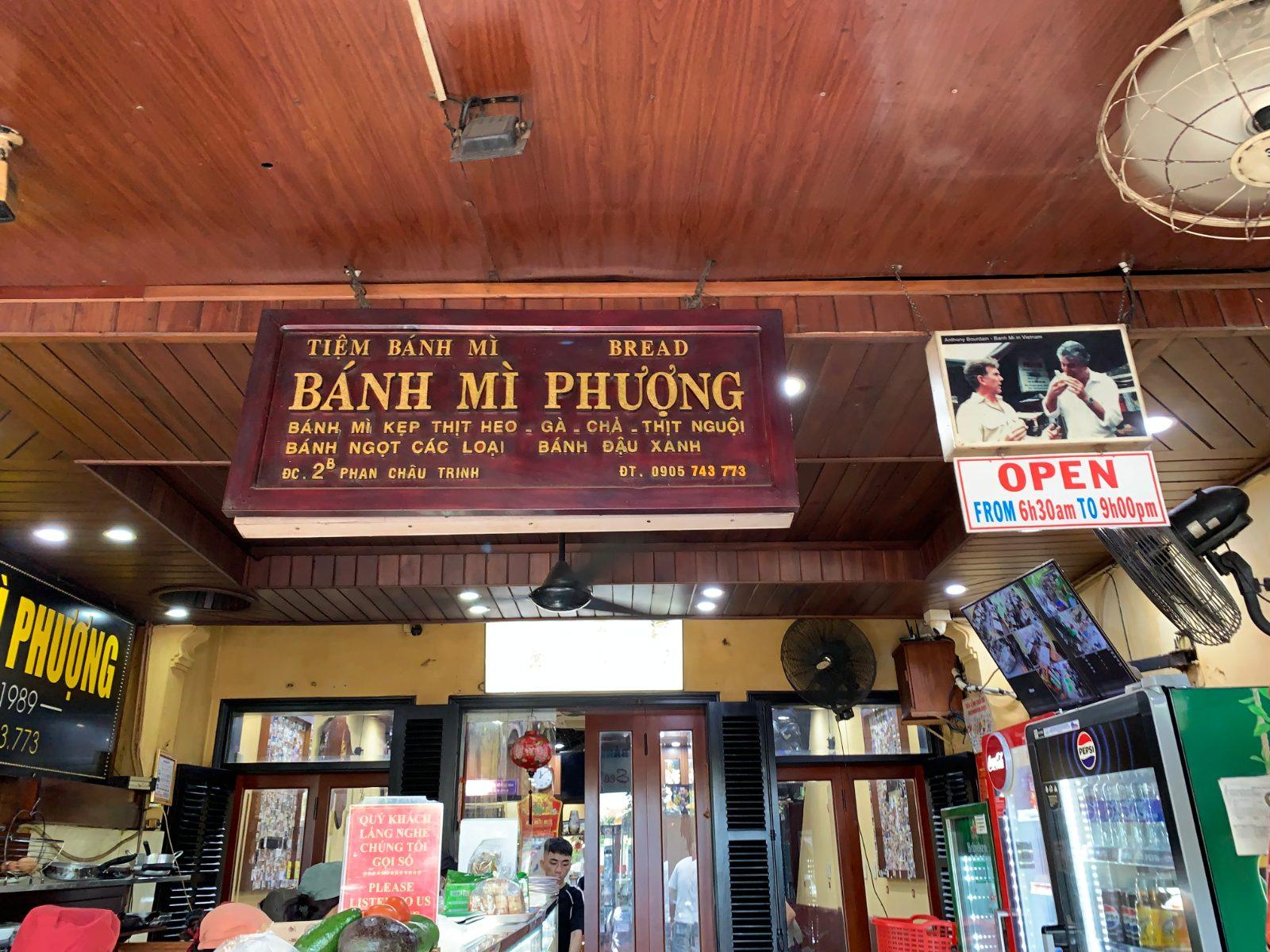
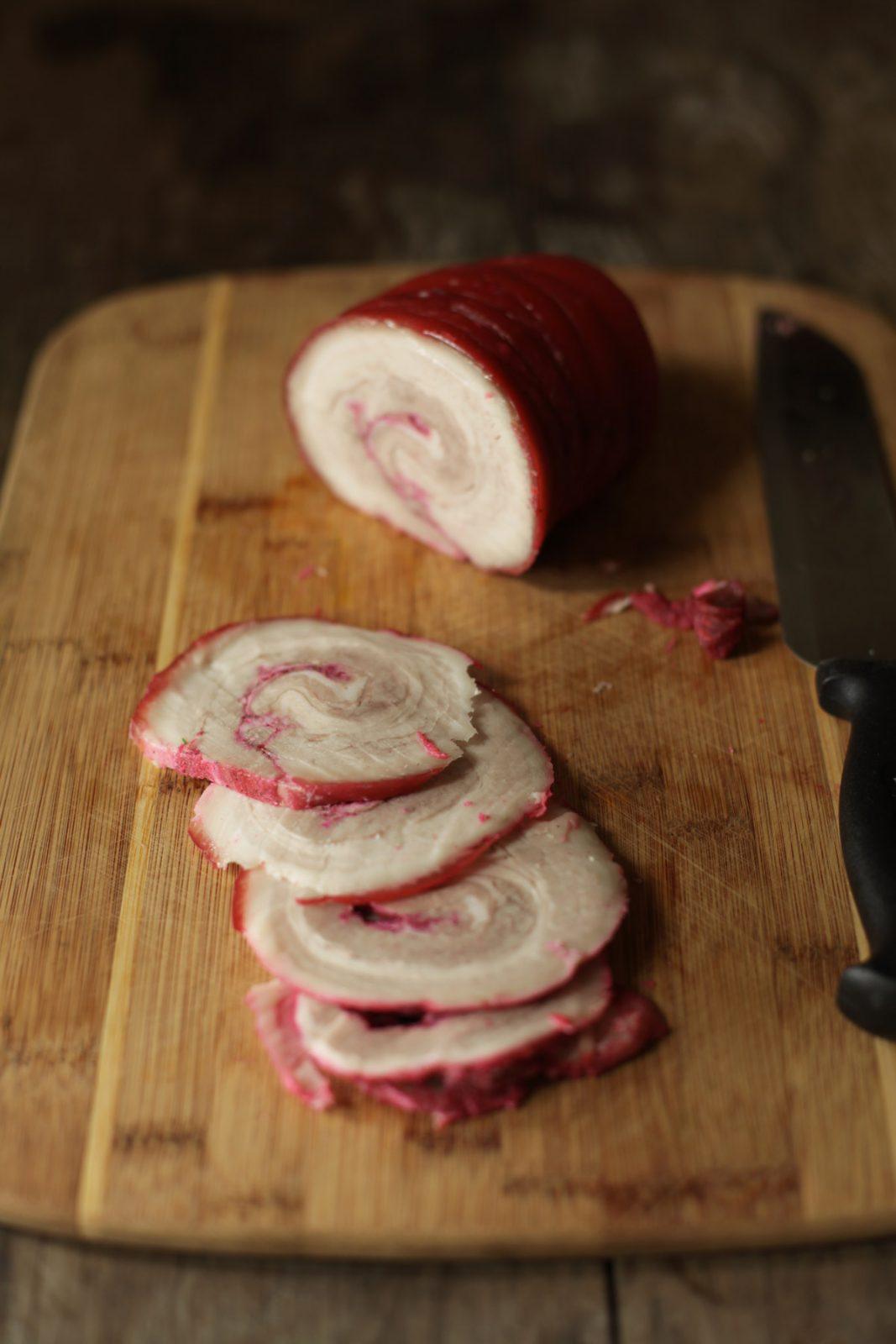
Banh Mi Phuong, Hoi An: Wikimedia Commons contributor · Pork filling: Wikimedia Commons contributor
Not by default. The standard banh mi contains pork pate and usually one or more meats. A vegetarian version, banh mi chay, built around fried tofu and extra vegetables, exists in many cities but is not guaranteed at every stall, so it is worth asking before you order if you need a meat-free option.
Banh mi combines a French-style baguette with distinctly Vietnamese ingredients: pork liver pate, pickled carrot and daikon, fresh cilantro, cucumber, and chili, alongside French condiments like mayonnaise. That fusion of French bread technique with Vietnamese flavors, developed in Saigon in the 1950s, is what makes it a genuinely Vietnamese dish rather than a French one served in Vietnam.
A standard banh mi from a street stall typically costs somewhere in the 20,000 to 40,000 VND range (roughly USD 1 to 2) , making it one of the least expensive full meals available anywhere in the country. Prices run somewhat higher at well-known tourist stops like Banh Mi Phuong and in sit-down restaurants.
3 Comments