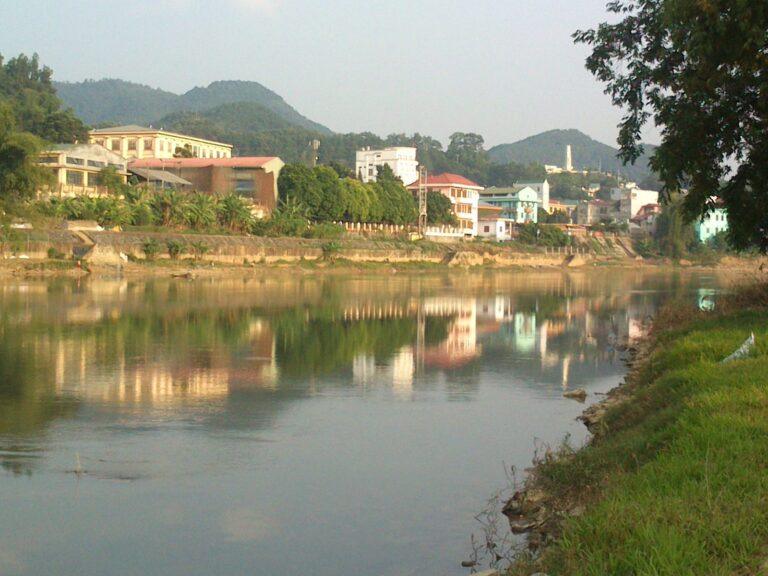
Hua Hin, Thailand: The Royal Beach Town’s Markets, Temples, and Palaces
Hua Hin sits roughly 200 km south of Bangkok on the Gulf of Thailand, and it has been Thailand’s royal seaside retreat since the 1920s, when King Rama VII built a summer palace here and the newly completed railway made the coast reachable from the capital in a single afternoon. That royal pedigree still shapes the town: Hua Hin feels calmer and more manicured than the beach resorts further south, with a working fishing pier, a walkable old quarter, and a current royal palace (Klai Kangwon) that still limits what visitors can see.
For a long-haul traveler combining Bangkok with one beach stop, Hua Hin’s appeal is the short transfer — a fraction of the time it takes to reach Phuket or Koh Samui — paired with real cultural texture: a hilltop monk statue, a century-old royal summer palace, and a night market that locals still use for dinner, not just tourists for souvenirs.
What’s the Best Way to Get From Bangkok to Hua Hin?
A private car or shared van is the most practical choice for most travelers — it runs about 2.5 to 3 hours door to door and skips a transfer at either end. The train is the scenic, budget option at roughly 3.5 to 4 hours from Bangkok’s Hua Lamphong or Bang Sue stations, while the government bus from Bangkok’s Southern Bus Terminal takes about 4 hours. Check routes and fares on 12Go.
| Option | Travel Time | Cost Level | Best For |
|---|---|---|---|
| Private car / transfer | ~2.5-3 hrs | $$$ | Direct door-to-door, no transfers |
| Shared minivan | ~3 hrs | $ | Budget travelers, flexible schedule |
| Train | ~3.5-4 hrs | $ | Scenic ride, train enthusiasts |
| Government bus | ~4 hrs | $ | Lowest cost, less time pressure |
TTC Verdict: TTC Verdict: Book the private transfer or minivan if you’re short on time or traveling with family — it’s worth the few extra dollars. Take the train if the journey itself is part of the trip; just don’t expect it to be faster than the road.
Is Hua Hin’s Beach Worth the Trip on Its Own?
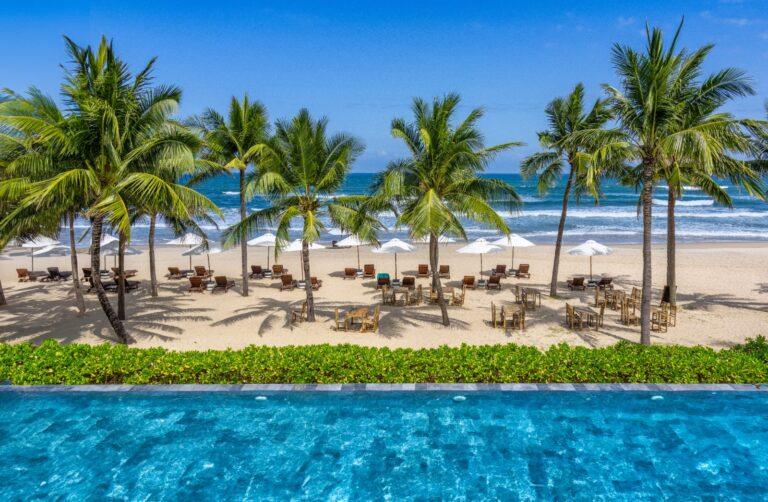
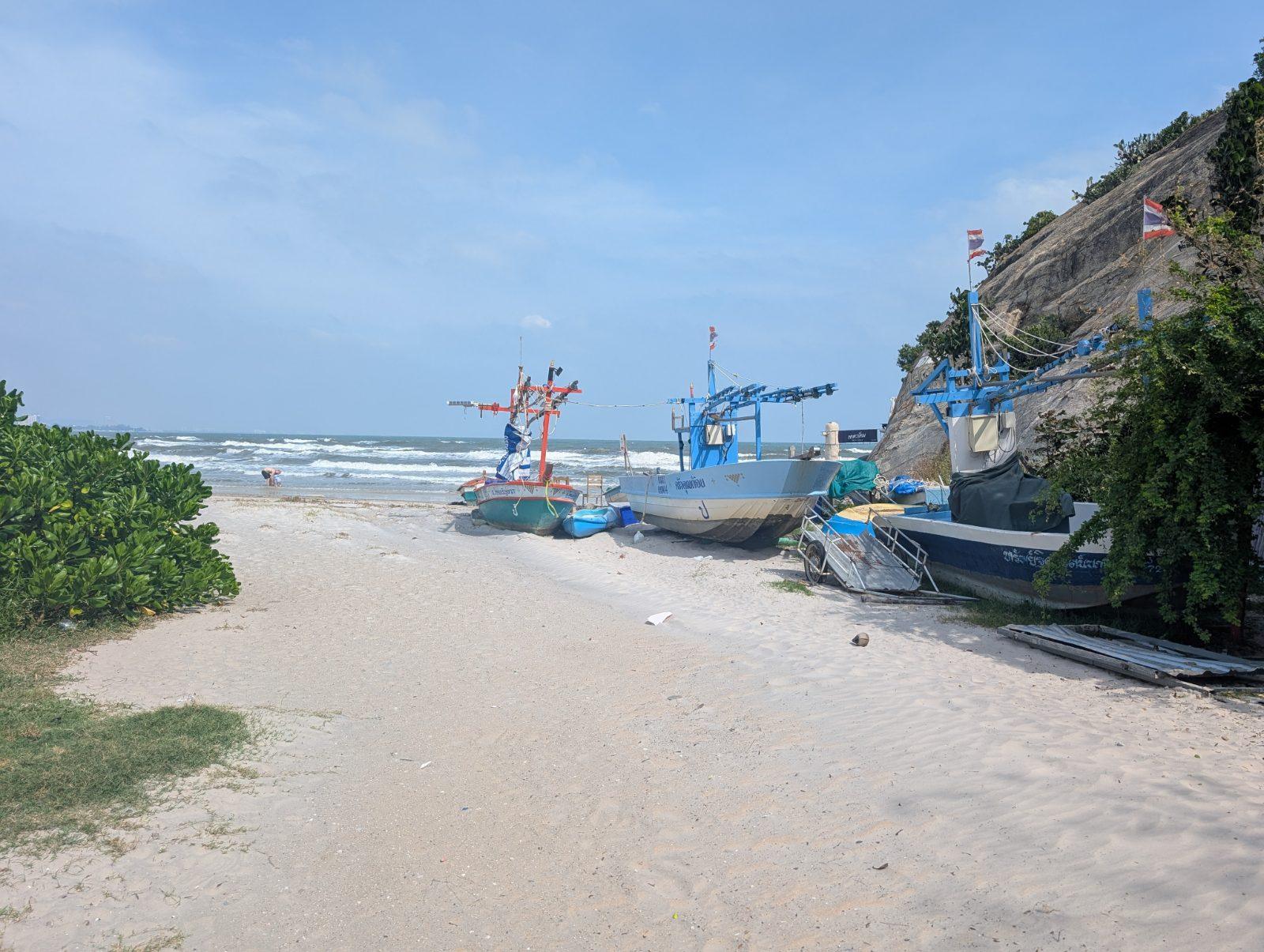
Hua Hin’s main beach stretches for several kilometers of soft sand, and it’s calmer and less developed than Thailand’s island beaches — think horseback rides at sunset and local seafood shacks rather than beach clubs and jet skis. It’s a pleasant place to spend an afternoon, but it isn’t the turquoise-water, white-sand beach that draws people to Phuket or Krabi, so come for the royal history and food culture first and treat the beach as a relaxing bonus.
Hua Hin Night Market or Cicada Market — Which Should You Visit?
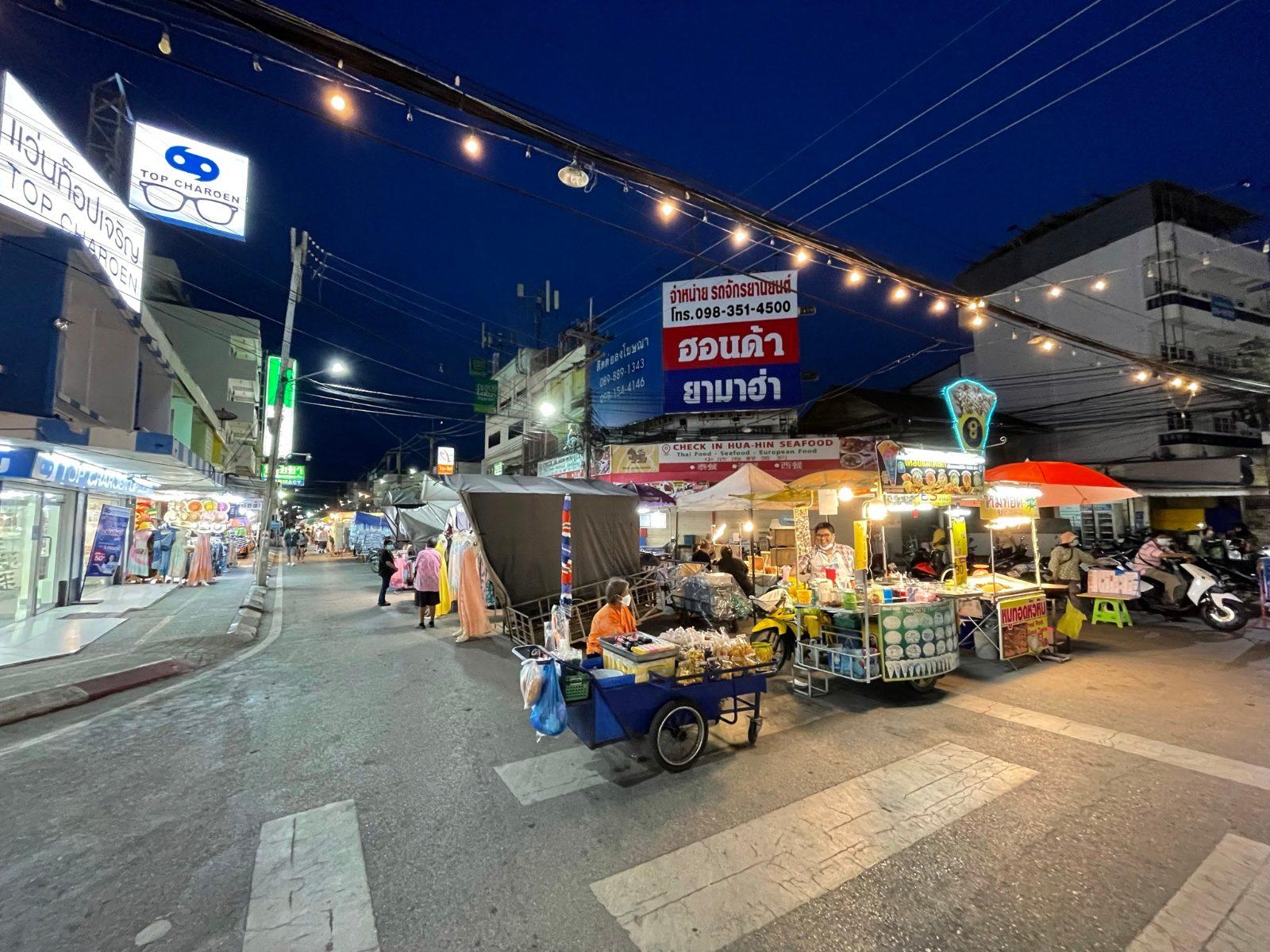
Hua Hin Night Market, at the corner of Dechanuchit and Phetkasem roads, runs every night from about 6pm to midnight and is where locals actually eat dinner — expect grilled seafood, noodle stalls, and clothing vendors packed into a few covered lanes. Cicada Market, on the south side of town, runs Friday through Sunday evenings only and leans artsy, with handmade crafts, live music, and a more curated, Instagram-friendly food court.
What Is the “Big Buddha” at Wat Huay Mongkol — and Is It Actually a Buddha?
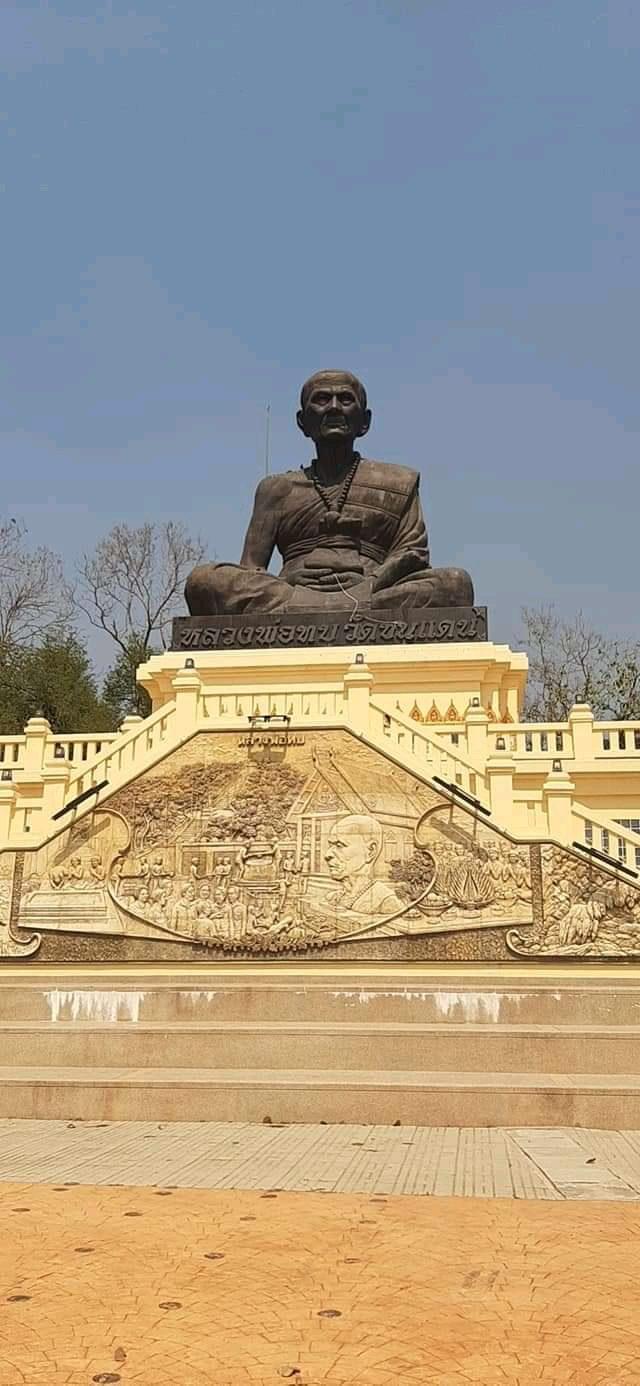
The towering statue at Wat Huay Mongkol, about 15 km from central Hua Hin, is often nicknamed the “Big Buddha,” but it actually depicts Luang Pu Thuat, a revered monk from Thai history associated with miracles and protection — not the Buddha himself. At roughly 12 meters tall, it’s still an impressive sight set against the surrounding hills, and entry to the temple grounds is free, though a small donation is customary. Book the Hua Hin half-day temple and countryside tour on Klook.
Is Mrigadayavan Palace Worth a Half-Day Trip From Hua Hin?
Mrigadayavan Palace — nicknamed the “Palace of Love and Hope” — is a teak-wood royal summer residence built for King Rama VI in the 1920s, located about 20 km north of Hua Hin toward Cha-am. It’s open only Friday through Sunday, 9am to 4pm, with a basic grounds-and-ground-floor ticket around 90 THB and a combined ticket with the upper floor around 300 THB; visitors 60 and older enter free. The breezy, elevated architecture and seaside setting make it one of the most atmospheric royal buildings in the country, so it’s worth planning your Hua Hin days around its limited opening schedule.
Can You Day-Trip to Khao Sam Roi Yot National Park From Hua Hin?
Yes — Khao Sam Roi Yot’s limestone cliffs and the famous sunbeam-lit Phraya Nakhon Cave sit roughly 60 km south of Hua Hin, making it a feasible half- or full-day trip for travelers who want a nature contrast to the town’s beach-and-palace routine. A private driver or organized tour is the easiest way to manage the park’s limited public transit and the steep walk down into the cave.
No — the town center is walkable, and tuk-tuks and ride-hailing apps cover most short trips. You’ll want a driver or tour for Wat Huay Mongkol, Mrigadayavan Palace, or Khao Sam Roi Yot, since they’re outside the town core.
They serve different travelers: Hua Hin is calmer, more upscale, and family- and retiree-friendly, while Pattaya has a louder nightlife scene. If you want a relaxed royal-town vibe with good food, Hua Hin fits better.
Two to three days covers the town, the night markets, and one day-trip temple or palace visit comfortably without feeling rushed.
Planning where to sleep? Our Hua Hin where-to-stay guide breaks down the best areas.