Cao Bang Travel Guide
Cao Bang is a mountainous border province in Vietnam’s far northeast, best known for Ban Gioc Waterfall, one of the largest waterfalls in Southeast Asia and one that straddles the Vietnam-China border itself. It is quieter and harder to reach than Ha Giang or Sapa, which is exactly why travelers who make the trip tend to describe it as one of the most rewarding stops in northern Vietnam. This guide covers how to get there, whether you need a border-area permit (yes, and it is a different one from Ha Giang’s), how many days to budget, and where the rest of the province’s underrated attractions fit into a trip.
What Is Cao Bang Known For?
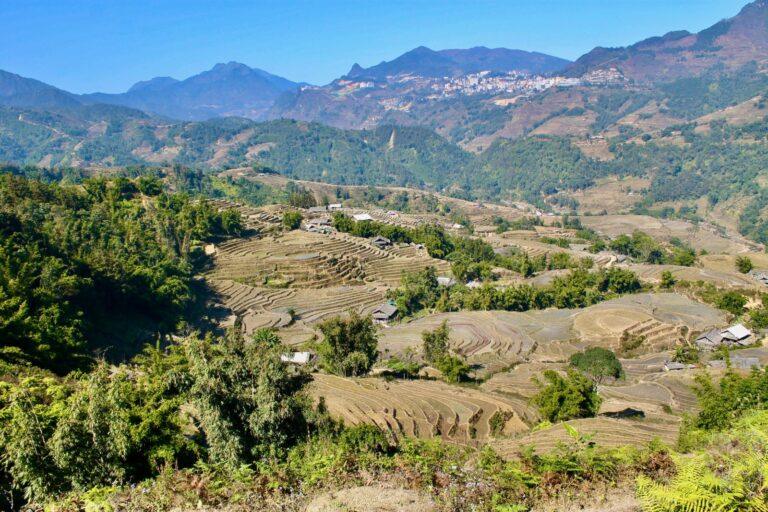
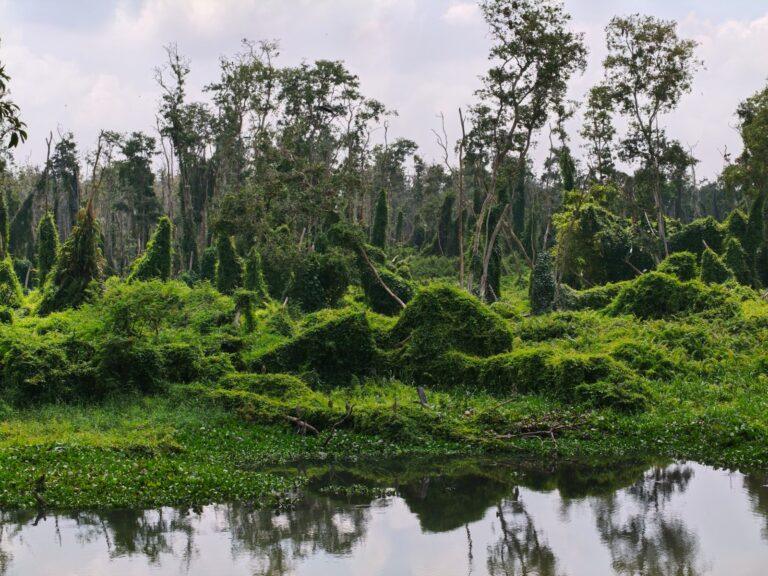
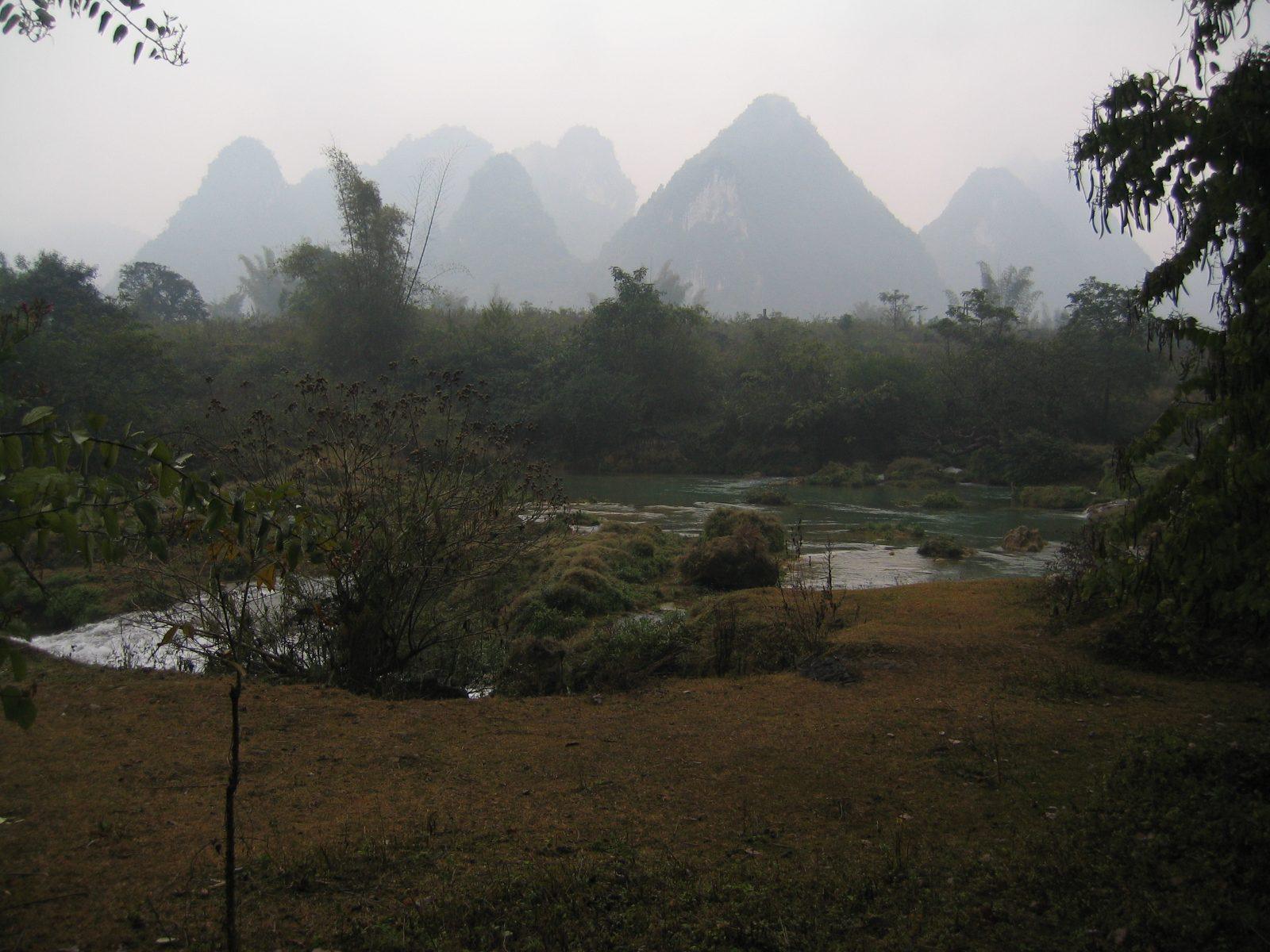
Cao Bang is known first for Ban Gioc Waterfall, a wide, multi-tiered waterfall on the Quay Son River that forms a natural border with China’s Guangxi region — on the Chinese side it is called Detian Falls, and it is one of the largest transnational waterfalls in the world. Beyond the falls, the province sits inside the Non Nuoc Cao Bang UNESCO Global Geopark, a designation covering dramatic karst mountains, cave systems including Nguom Ngao Cave, the Pac Bo historical site tied to Ho Chi Minh, and a scattering of high-altitude lakes and stone villages that see a fraction of the visitors Ha Giang or Sapa get.
Exact visitor numbers and some seasonal details below are sourced from current travel guides rather than official tourism statistics — treat specific dates and prices as a starting point and confirm locally, especially anything tied to the border-area permit further down this page.
How Do You Get to Cao Bang From Hanoi?
Most travelers reach Cao Bang from Hanoi by sleeper bus or private car, since there is no direct train and no airport in the province. A sleeper bus or modern minivan takes 6-8 hours and costs roughly $16-30 USD per person; a private car or SUV takes 5.5-10 hours depending on stops and runs $120-350 per vehicle, which is often worth splitting across a small group. Self-drive motorbike riders typically take 1-2 days each way and should budget for an International Driving Permit under the 1968 Vienna Convention, since the US, Canada, and Australia are not signatories and a standard IDP from those countries is not recognized for motorbikes in Vietnam.
| Method | Duration | Cost | Best For |
|---|---|---|---|
| Sleeper bus / minivan | 6-8 hours | $16-30 pp | Budget travelers, no driving |
| Private car / SUV | 5.5-10 hours | $120-350 per car | Groups, families, flexible stops |
| Self-drive motorbike | 1-2 days each way | $10-15/day rental | Experienced riders with an IDP |
| Train + local bus via Lang Son | Longer, indirect | $8-15 pp | Rail enthusiasts, no direct route exists |
Cao Bang vs Ha Giang vs Sapa: Which Northern Loop Should You Choose?
If you are choosing between Vietnam’s northern border provinces, Cao Bang is the pick for travelers who want Ha Giang-level scenery with noticeably fewer tourists and a genuine waterfall as the centerpiece, not just mountain roads. Sapa remains the easiest option for infrastructure and rail access; Ha Giang has the most established motorbike-loop culture; Cao Bang sits between the two in difficulty but rewards the extra effort with a landscape and a waterfall that neither of the others has.
| Province | Signature Sight | Difficulty to Reach | Crowd Level |
|---|---|---|---|
| Cao Bang | Ban Gioc Waterfall | Harder — no direct train, longer bus ride | Low |
| Ha Giang | Ha Giang Loop mountain passes | Moderate — established loop infrastructure | Medium-High |
| Sapa | Fansipan & rice terraces | Easiest — train/bus links from Hanoi | High |
TTC Verdict: Cao Bang is worth the extra travel time if you want Ha Giang-style karst scenery plus a genuinely world-class waterfall, and you do not mind a longer bus ride and one extra piece of paperwork to get there. Skip it if you are short on time or unwilling to sort out the border permit — in that case, Ha Giang or Sapa will get you similar mountain scenery with far less logistics.
Ban Gioc Waterfall: kenner116 / CC BY 2.0
How Many Days Do You Need in Cao Bang?
Budget at least 3 days: one day for travel from Hanoi, one full day at Ban Gioc Waterfall and Nguom Ngao Cave, and one more day for either Thang Hen Lake, Pac Bo, or simply resting before the long ride back. Travelers combining Cao Bang with the Ha Giang Loop or Ba Be Lake into a longer northern-loop itinerary should budget 5-6 days total, since the roads between these provinces are slow, scenic mountain routes rather than direct highways.
Best Time to Visit Cao Bang
August through October is the widely recommended window: the rainy season (May-September) pushes Ban Gioc Waterfall to its most dramatic flow, and by August the water tends to run strong but clear rather than muddy, with a striking blue-green color that fades in the dry season. October through December brings buckwheat and wild sunflower blooms plus cooler, drier weather. Avoid February through April if the waterfall itself is your priority — flow drops to a trickle by comparison.
Yes. Cao Bang is a designated border area, and foreign passport holders need a border-area permit from the provincial police to enter communes near Ban Gioc Waterfall. Guided tours typically include this in the booking; independent travelers should apply a few days in advance. This permit is separate from the Ha Giang Loop permit and does not overlap with it.
Most travelers take a sleeper bus or minivan (6-8 hours, roughly $16-30 USD), or hire a private car (5.5-10 hours, $120-350 per vehicle). There is no direct train and no airport in Cao Bang province, and self-drive motorbike riders should plan on 1-2 days each way with a valid International Driving Permit.
Cao Bang is worth it if you want a genuinely world-class waterfall (Ban Gioc) plus Ha Giang-style karst scenery with far fewer tourists. It takes more effort to reach than Sapa and has one extra logistics step (the border permit) compared to a standard Ha Giang Loop trip, so it suits travelers with a bit more time and patience rather than a first, short trip to northern Vietnam.