
Vietnam Health & Vaccinations: What Travelers Need to Know
Vietnam requires no mandatory vaccinations for most travelers arriving directly from the US, Canada, or Australia, but health authorities recommend several routine and travel-specific vaccines before you go. The tap water isn’t safe to drink, mosquito-borne illness (dengue everywhere, and malaria in some rural areas) is a real consideration outside the main tourist circuit, and travel health insurance is worth having even though it isn’t legally required. None of this should keep you from going — a short checklist a few weeks before departure covers almost all of it.
What vaccinations do I need before traveling to Vietnam?
There’s no vaccine legally required to enter Vietnam if you’re arriving directly from the US, Canada, or Australia. The one exception is a yellow fever vaccination certificate, which some travelers are asked for only if they’ve been in a yellow-fever-endemic country in Africa or South America shortly before arriving in Vietnam [VERIFY current entry rule]. Beyond that legal minimum, health authorities generally recommend making sure routine vaccines are current, and adding a couple of travel-specific ones.
| Vaccine | Who it’s for | Why |
|---|---|---|
| Routine (MMR, Tdap, flu, varicella) | Everyone | Baseline protection regardless of destination |
| Hepatitis A | Most travelers | Spread through contaminated food and water, a common risk across Southeast Asia |
| Typhoid | Street food lovers and travelers visiting smaller towns | Also food/water-borne — exactly the travel style most TTC readers go for |
| Hepatitis B | Longer stays, planned medical/dental work, or close local contact | Spread through blood and bodily fluids |
| Japanese Encephalitis | Extended stays (4+ weeks) in rural areas, or heavy rural/outdoor exposure | Mosquito-borne, risk concentrated in rice-growing and rural regions [VERIFY] |
| Rabies | Heavy cycling, trekking, or cave/rural exploration; contact with stray animals | Pre-exposure vaccination simplifies treatment if bitten — not routinely needed for a standard city-and-beach trip |
TTC Verdict: Get Hepatitis A and Typhoid before almost any Vietnam trip. Add Japanese Encephalitis or Rabies only if your itinerary genuinely calls for it — a two-week Hanoi-Hoi An-Saigon loop doesn’t need the same coverage as a month of rural trekking.
Is malaria a risk in Vietnam?
Malaria risk in Vietnam is concentrated in rural, forested, and highland areas, particularly the central highlands and provinces near the borders with Laos and Cambodia [VERIFY exact province list with a travel clinic]. The cities and coastal tourist areas most travelers actually visit — Hanoi, Ho Chi Minh City, Da Nang, Hoi An, Hue, Nha Trang, Phu Quoc, and the Mekong Delta — carry little to no malaria risk. Antimalarial medication is generally not recommended for a standard tourist itinerary confined to these areas, but it’s worth discussing with a travel clinic if your trip includes extended rural trekking, overnight stays in forested regions, or visits to the central highlands.
What about dengue fever and other mosquito-borne illness?
Dengue fever is present throughout Vietnam, including in cities, and is spread by a mosquito that bites during the day rather than at dusk — so daytime bite prevention matters as much as evening. There’s no widely recommended vaccine for most travelers, so prevention is the main defense: EPA-registered insect repellent (look for DEET, picaridin, or IR3535), lightweight long sleeves and pants in the early morning and late afternoon, and permethrin-treated clothing for longer or more rural trips. Risk rises in the rainy season (roughly May through October in the south, and May through September in the north [VERIFY exact regional dates]), when standing water gives mosquitoes more places to breed.
Is the tap water safe to drink in Vietnam?
No — tap water in Vietnam isn’t safe to drink, even in major cities, and cautious travelers extend that to brushing their teeth too. Bottled water is cheap and available everywhere, from convenience stores to hotel minibars, and most hotels and many cafes now provide free filtered water refill stations, which is both safer and considerably better for plastic waste than buying bottles daily. Ice at tourist-oriented restaurants and cafes is generally made from filtered water and is fine — it’s mainly at very informal street stalls where it’s worth using a bit more judgment.
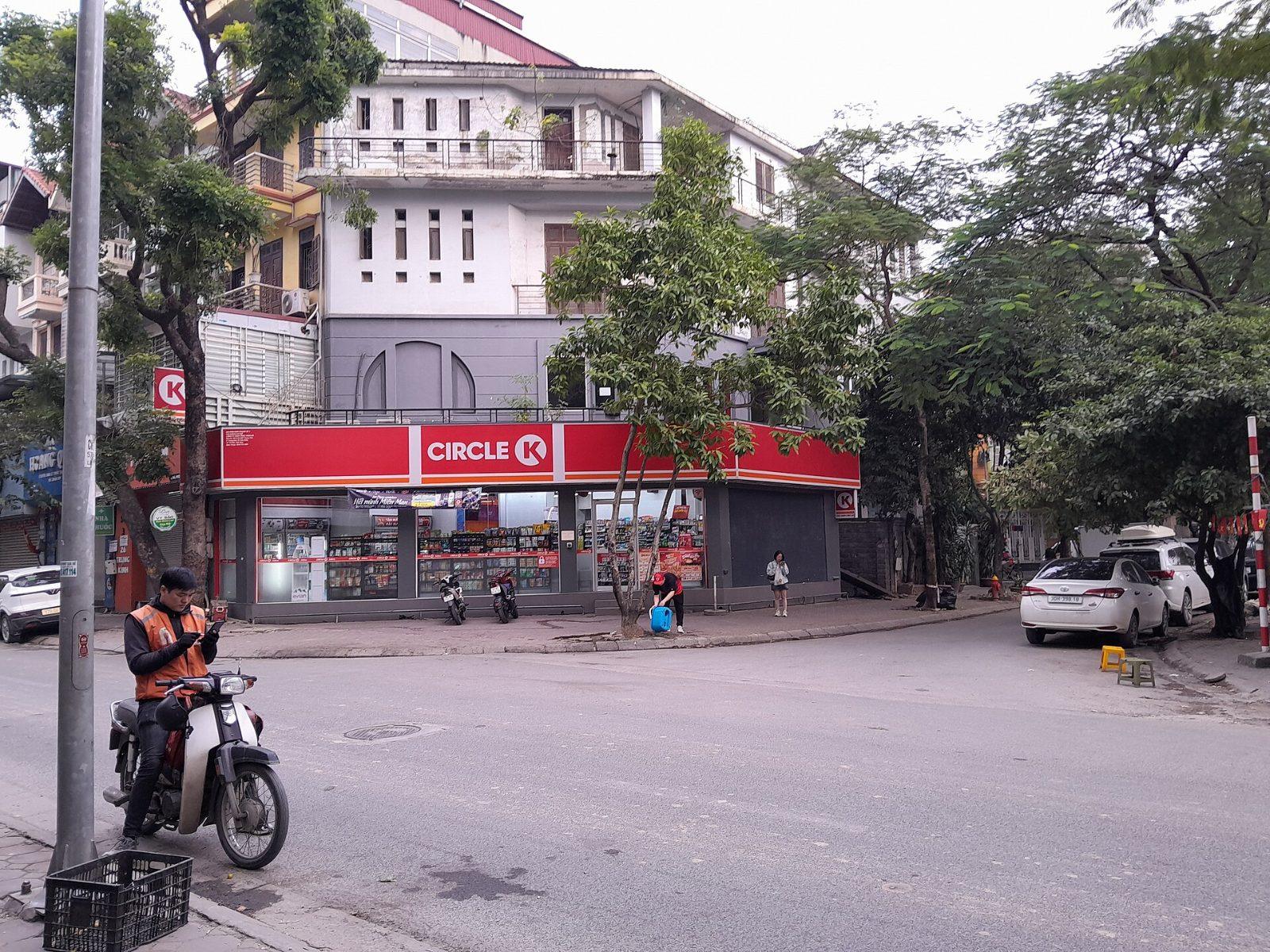
Circle K convenience store, Hanoi: Gym113trunggınh / CC BY-SA 4.0
What should I pack in a travel health kit for Vietnam?
- Any prescription medications in original packaging, with a doctor’s note for controlled substances — bring more than you think you’ll need in case of delays.
- Insect repellent (DEET 20%+ or picaridin) and after-bite itch relief.
- Basic stomach kit: oral rehydration salts, an anti-diarrheal like loperamide, and probiotics if you use them.
- Sunscreen (SPF 30+) — reef-safe formulas are increasingly required at some coastal and island destinations [VERIFY].
- A small supply of bandages, antiseptic wipes, and any allergy medication you might need.
- Hand sanitizer, since not every restroom — especially at rural stops — will have soap.
Do I need travel health insurance for Vietnam?
Travel health insurance isn’t a legal entry requirement for Vietnam, but it’s strongly worth having — out-of-pocket costs for a hospital stay or medical evacuation can run into the tens of thousands of dollars, and most US, Canadian, and Australian domestic health plans don’t cover care abroad. A policy that includes medical evacuation coverage matters most if your itinerary includes remote trekking, motorbike travel, or island-hopping, where getting to adequate care can itself be the bigger challenge. See our full guide to Vietnam travel insurance for what to look for in a policy and where the coverage gaps usually are.
What if I get sick in Vietnam — where do I get medical care?
Major cities have private international-standard clinics that cater specifically to travelers and expats, with English-speaking doctors and equipment comparable to home [VERIFY current clinic names/locations] — these are the right first call for anything beyond a minor issue. Public hospitals, like Cho Ray in Ho Chi Minh City or Bach Mai in Hanoi, are far less expensive but usually involve more of a language barrier and longer waits. Pharmacies (nhà thuốc) are everywhere, and pharmacists can often help directly with minor ailments without a doctor’s visit — many medications that require a prescription at home are available over the counter, though it’s worth buying from a licensed-looking pharmacy and checking expiration dates.
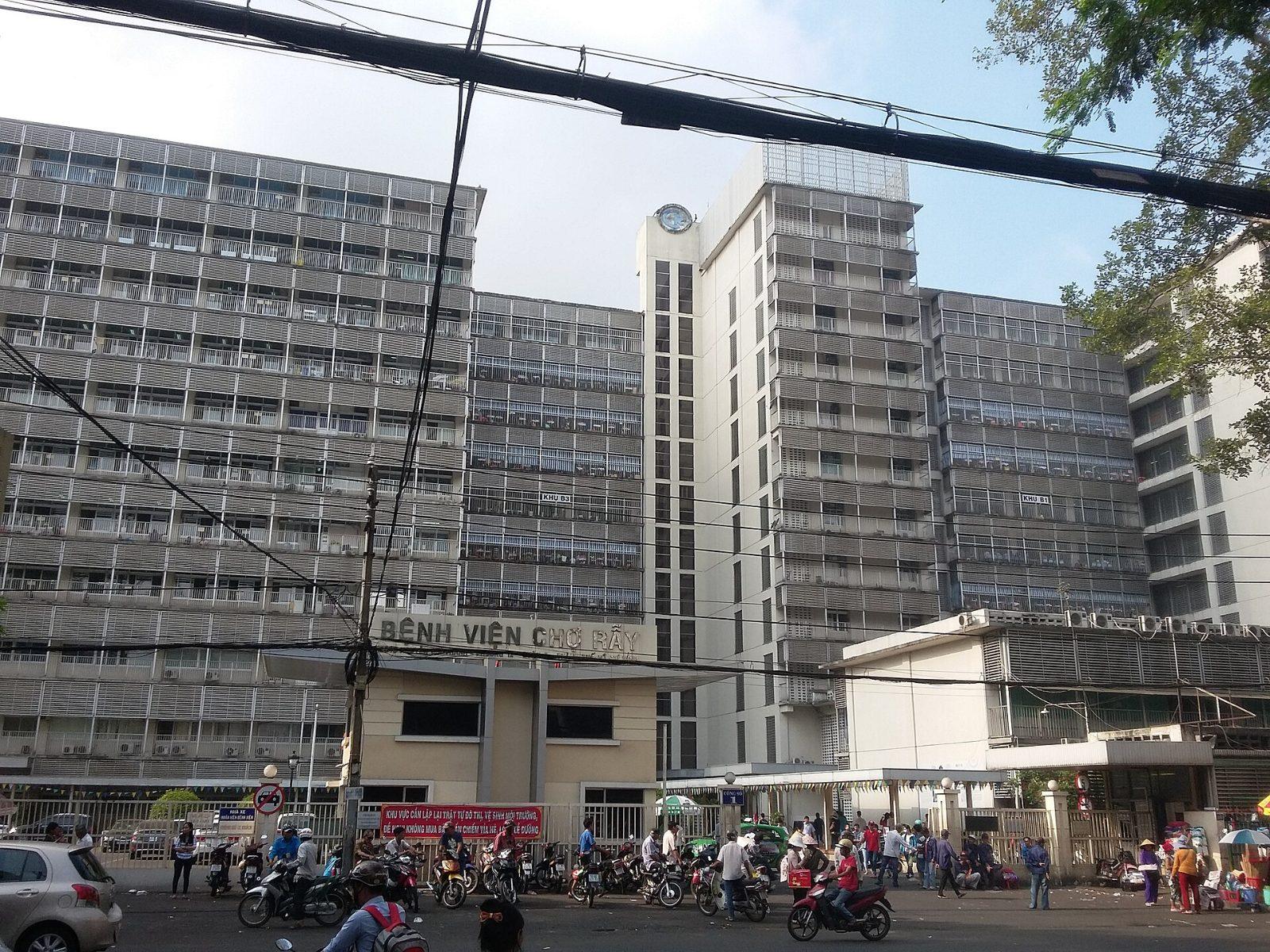
Cho Ray Hospital, Ho Chi Minh City: Mrfly911 / CC BY-SA 4.0
Only if you’re arriving from a country where yellow fever is endemic, mainly parts of Africa and South America — travelers arriving directly from the US, Canada, or Australia don’t need one. [VERIFY current entry requirement before you travel.]
No. Stick to bottled or filtered water, including for brushing your teeth if you want to be cautious — ice at tourist-oriented restaurants and cafes is generally fine.
Not for most tourist itineraries. Risk is concentrated in rural, forested, and highland areas rather than the cities and coastal areas most travelers visit — discuss your specific route with a travel clinic if it includes rural trekking or the central highlands.
Ideally 4 to 6 weeks before departure, since some vaccines require multiple doses spaced apart or need time to become fully effective.
One Comment