Things to Do in Cao Bang
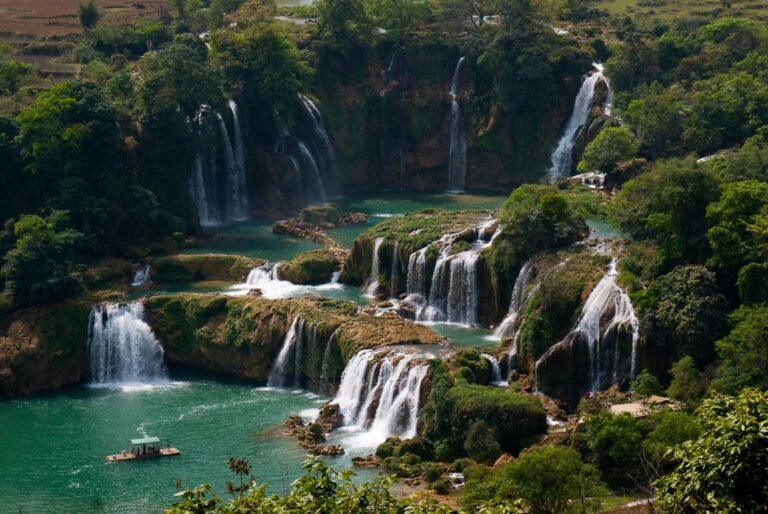
Ban Gioc Waterfall gets most of the attention, but Cao Bang has enough beyond it to fill a second and third day: a 36-lake alpine complex, a cave and stream tied to Ho Chi Minh’s return to Vietnam, a national park cool enough to see occasional winter frost, and a 400-year-old stone village. None of these require the same border-area permit that Ban Gioc does, since they sit further from the China border, which makes them an easy add-on once your paperwork for the falls is already sorted.
Pac Bo Cave and Lenin Stream
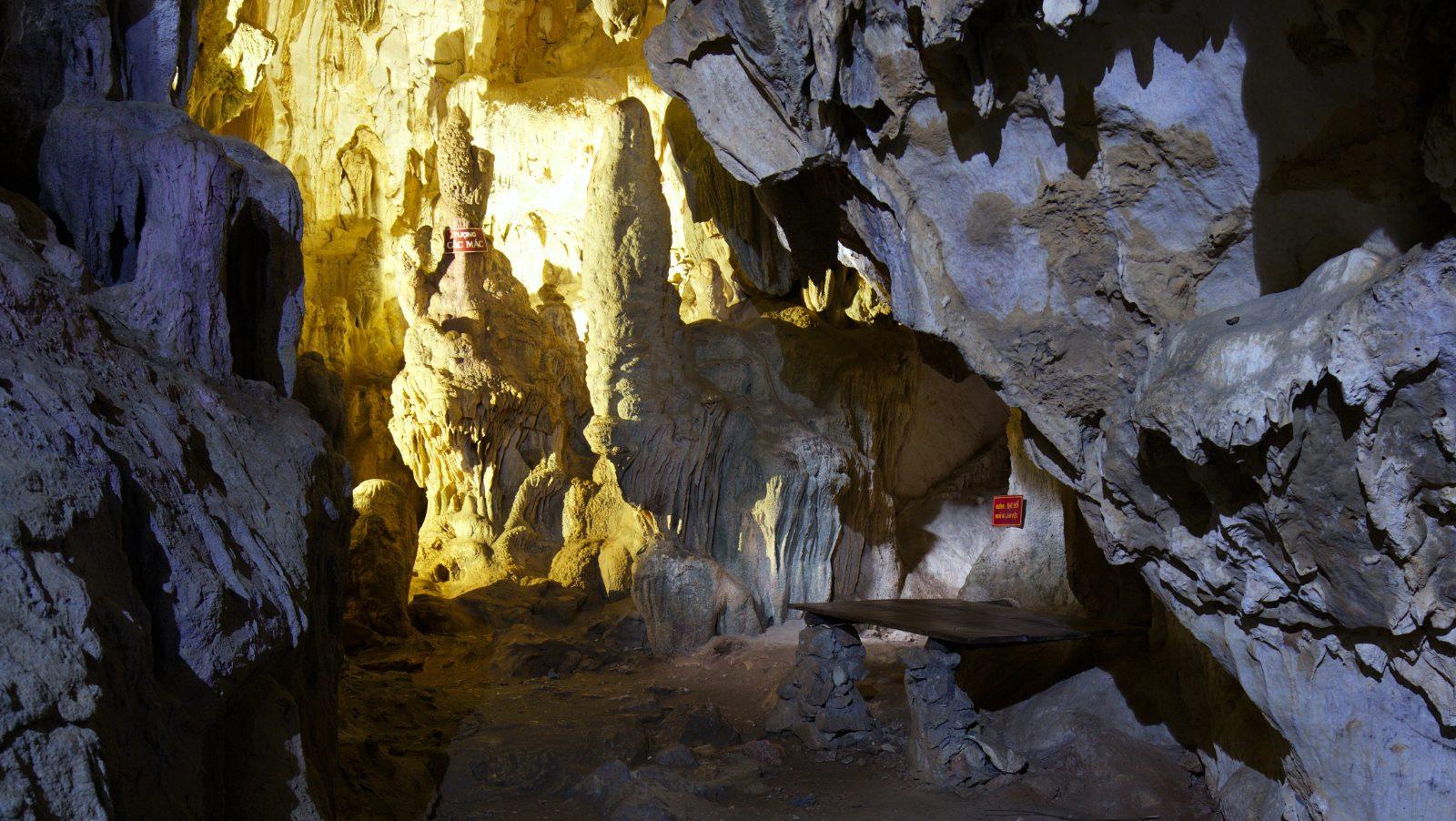
Pac Bo is the historical site where Ho Chi Minh returned to Vietnam after three decades abroad, and it centers on Coc Bo cave, a stream he named “Lenin Stream,” and a marker known as milestone 108. The site covers more than 500 hectares and is treated as a place of quiet historical significance rather than a scenic photo stop, though the karst scenery around the cave entrance is genuinely attractive in its own right. Give it half a day, and go with at least a basic understanding of the history — it adds considerably more than the site’s physical scale alone suggests.
Thang Hen Lake
Thang Hen is a complex of 36 natural lakes at around 1,700 meters elevation in Tra Linh district, ringed by primeval forest and, depending on the season, wildflowers. The lakes reflect the sky and surrounding karst peaks in a way that makes for some of the most striking still-water photography in the province, and the area sees a fraction of the visitors that Ba Be Lake, its better-known neighbor in Bac Kan province, gets. Half a day is enough to see the main lake and walk part of the surrounding trail.
Phia Oac-Phia Den National Park
At 1,931 meters, Phia Oac is Cao Bang’s high-altitude trekking option, cool enough that winter days occasionally bring frost or light ice — unusual for northern Vietnam outside of Sapa’s Fansipan range. The park suits a full day if you actually want to trek rather than just view it from a lookout, and layered clothing is worth packing even in a region where daytime lowland temperatures can otherwise feel mild.
Khuoi Ky Ancient Stone Village
Khuoi Ky is a small Tay ethnic village built from stacked stone rather than the timber or brick construction typical elsewhere in northern Vietnam, with houses reported to be more than 400 years old. It is a quick, easy stop to combine with either Pac Bo or a Ban Gioc day trip depending on which direction you are already driving, rather than a destination that needs its own dedicated half-day.
| Site | Time Needed | Distance from City | Highlight |
|---|---|---|---|
| Pac Bo & Lenin Stream | Half day | ~55 km | Ho Chi Minh historical site |
| Thang Hen Lake | Half day | ~40 km | 36-lake alpine complex, photography |
| Phia Oac National Park | Full day | ~50 km | Trekking, cool climate, possible frost |
| Khuoi Ky Stone Village | 1-2 hours | Near Pac Bo route | 400+ year old stone houses |
TTC Verdict: Pair Pac Bo with Khuoi Ky Stone Village since they sit on the same route, and treat Thang Hen Lake and Phia Oac as separate half-to-full days depending on how much hiking you actually want. Do not try to cram all four into one day on top of Ban Gioc — Cao Bang’s mountain roads are slow, and rushing between sites erases most of what makes each one worth visiting.
Pac Bo Cave and Lenin Stream (a Ho Chi Minh historical site), Thang Hen Lake (a complex of 36 alpine lakes), Phia Oac-Phia Den National Park (high-altitude trekking), and Khuoi Ky Ancient Stone Village (a 400+ year old Tay ethnic stone village) are the main additional attractions, each reachable as a half-to-full-day trip from Cao Bang city.
These sites sit further from the China border than Ban Gioc Waterfall and generally fall outside the specific border-area permit requirement, though this is worth confirming locally if your route brings you close to any other border-adjacent commune.
Thang Hen is a complex of 36 smaller natural lakes in Cao Bang province, seeing far fewer visitors than Ba Be Lake, a larger and better-known single lake in neighboring Bac Kan province. They are separate destinations in separate provinces, not two names for the same place.