Ba Be Lake Food Guide: What to Eat in Bac Kan
Ba Be Lake’s food centers on freshwater fish pulled straight from the lake and the Nang River, alongside Tay and Nung ethnic minority specialties you will rarely find outside Bac Kan Province. Expect sour fish soup, grilled river fish, five-color sticky rice, and fermented pork served with wild herbs — heartier and more herb-forward than the coastal Vietnamese food most visitors already know.
What Fish Dishes Should You Try at Ba Be Lake?
Because Ba Be is Vietnam’s largest natural lake, freshwater fish dominates the local menu in a way it does not elsewhere in the northern highlands. Canh chua ca loc (sour snakehead fish soup) is a tangy, herb-flecked broth built around tomato and tamarind-style sourness, usually served with rice. Ca lang nuong (grilled catfish) is wood-grilled and served with a spicy dipping sauce and fresh herbs Confirm current availability by season.. For something richer, lau ca tam (sturgeon hotpot) simmers farmed sturgeon in a fragrant broth with vegetables and rice vermicelli — sturgeon farming has become a small but growing niche industry in Bac Kan’s cold mountain streams.
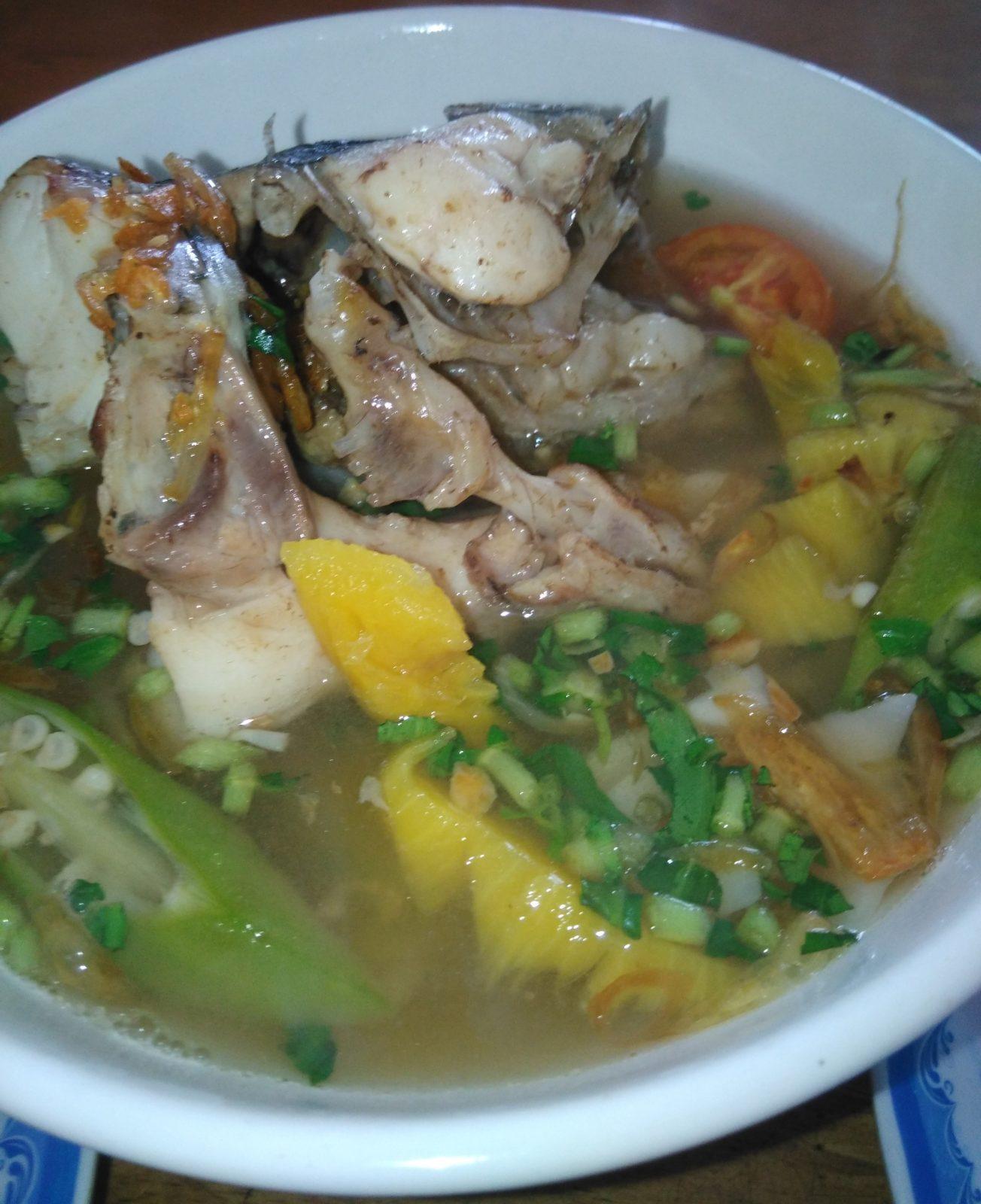
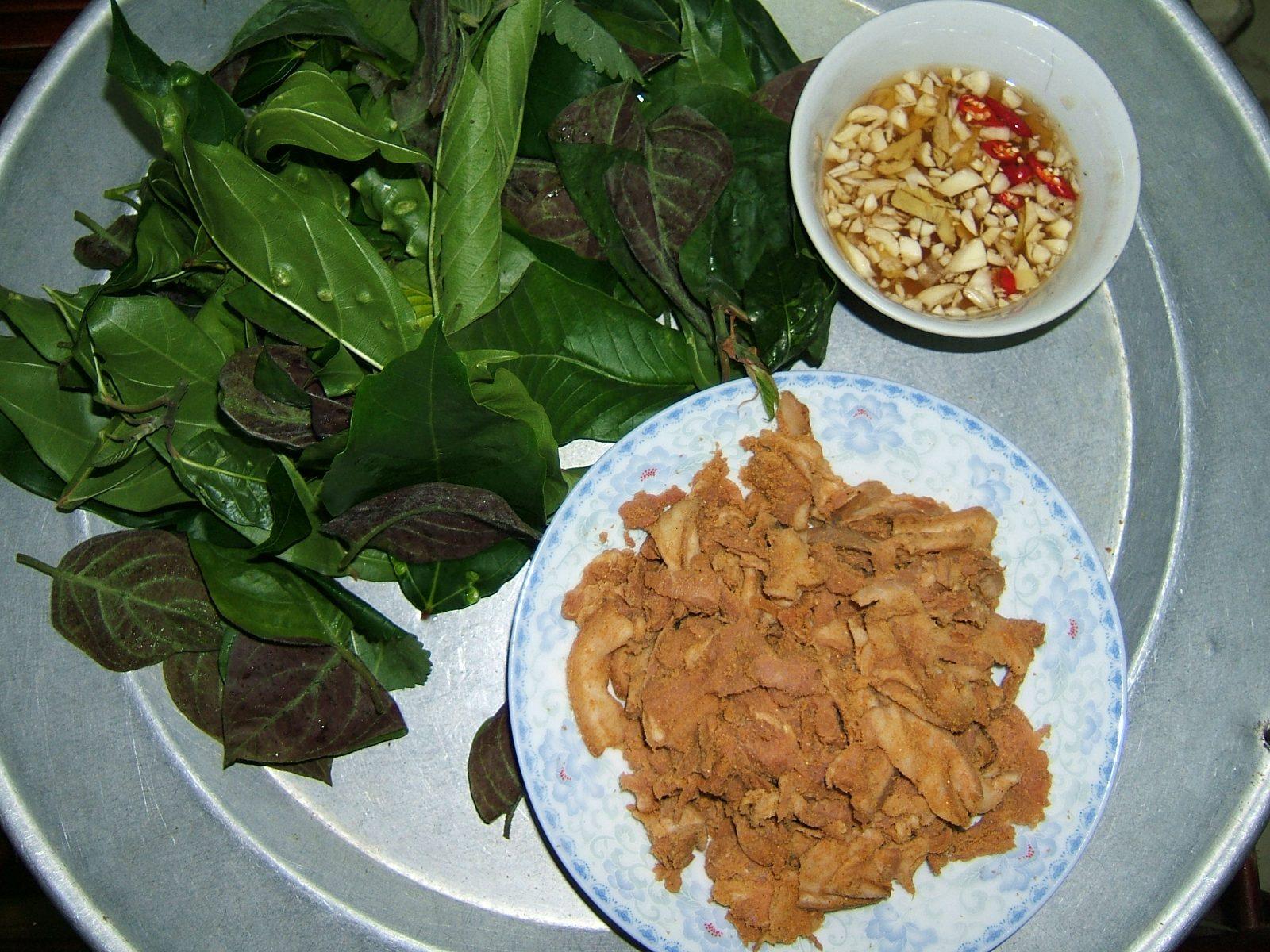
Canh chua ca loc: Phuong Huy / Public domain · Thit chua: Viethavvh / Public domain
What Are Bac Kan’s Signature Tay and Nung Dishes?
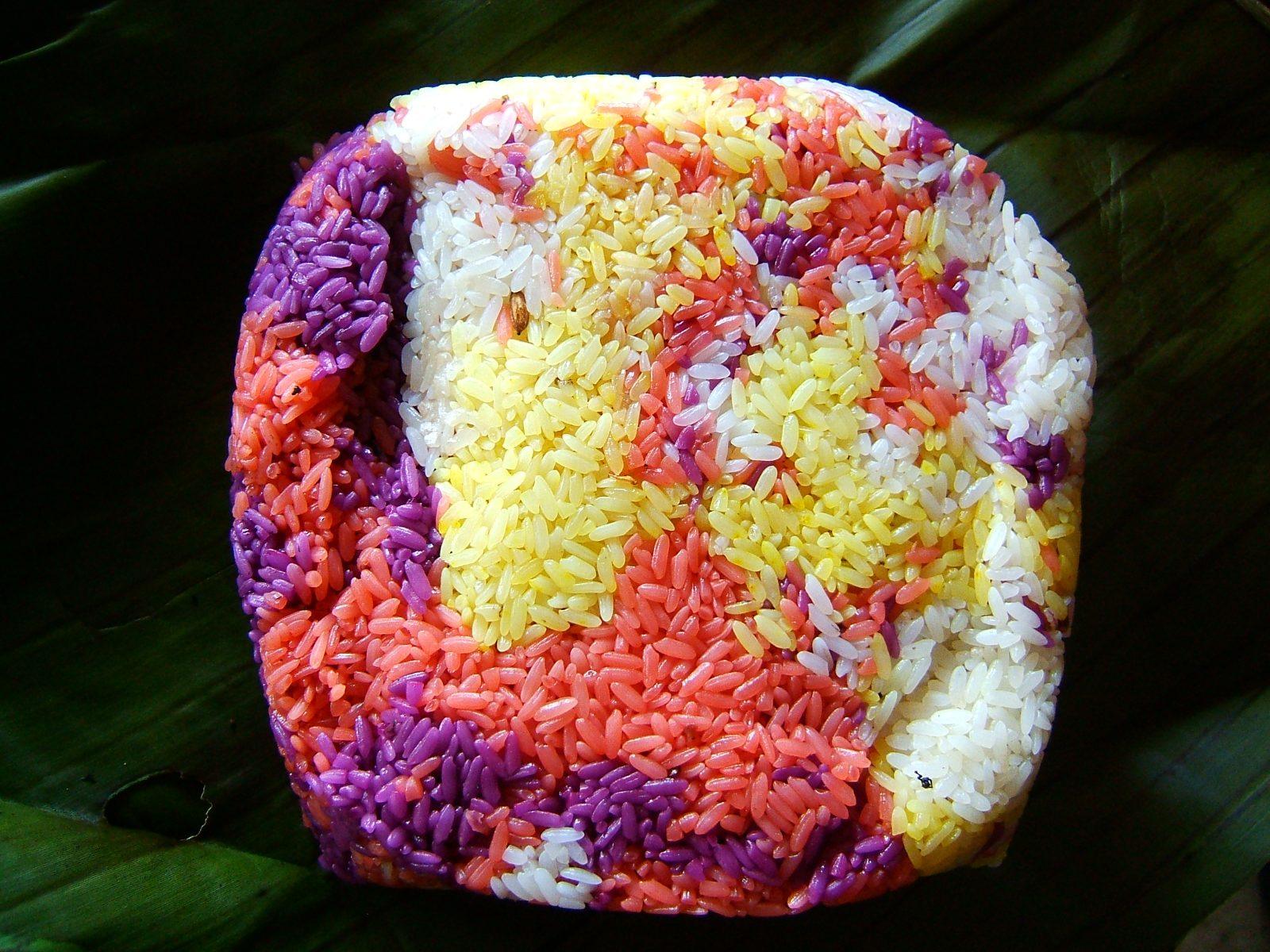
Xoi ngu sac (five-color sticky rice) is the most photogenic dish in the region — glutinous rice naturally dyed in five colors using local leaves and roots, traditionally served at festivals and special occasions. Thit chua is fermented pork, sliced thin and eaten wrapped in wild forest herbs with a dipping sauce, a specialty you will most often encounter at a homestay dinner rather than a restaurant menu. Khau nhuc, a Tay dish of purple taro and slow-braised pork belly, is heartier and more commonly served in winter months.
| Dish | What It Is | Where to Try It |
|---|---|---|
| Xoi ngu sac (five-color sticky rice) | Glutinous rice dyed five natural colors | Homestays, local markets |
| Canh chua ca loc | Sour snakehead fish soup | Homestays, local restaurants |
| Thit chua | Fermented pork with wild herbs | Homestay dinners |
| Ca lang nuong | Wood-grilled catfish | Lakeside restaurants |
| Lau ca tam | Sturgeon hotpot | Larger restaurants, Bac Kan town |
| Khau nhuc | Braised taro and pork belly | Homestays, especially in cooler months |
TTC Verdict: The best Ba Be Lake meals happen at your homestay table, not a restaurant menu — dishes like thit chua and khau nhuc are far more common as part of a shared family dinner than something you can order a la carte. Say yes to whatever your host serves; it is usually the most authentic version you will find.
Xoi ngu sac (five-color sticky rice) is the most visually distinctive and widely recognized specialty from the Bac Kan region, traditionally made using natural plant dyes and served at festivals and special occasions.
Most homestays can accommodate vegetarian requests if you mention it when booking, since meals are planned in advance around the day’s ingredients. Confirm directly with your homestay before arrival.
Much of it is — the lake and the Nang River support over 100 recorded fish species, and dishes like canh chua ca loc and ca lang nuong are traditionally built around freshwater fish caught nearby, alongside some farmed sturgeon in the region’s cold mountain streams.