Things to Do in Mu Cang Chai
Mu Cang Chai’s main draw is its four signature terrace viewpoints — La Pan Tan, Mam Xoi, Mui Giay, and Mong Ngua — but trekking between H’mong villages, paragliding off Khau Pha Pass, and visiting the weekend market round out a well-spent 2-3 days. Most viewpoints are free or charge a small entry fee; trekking and paragliding are best arranged with a local operator rather than attempted solo.
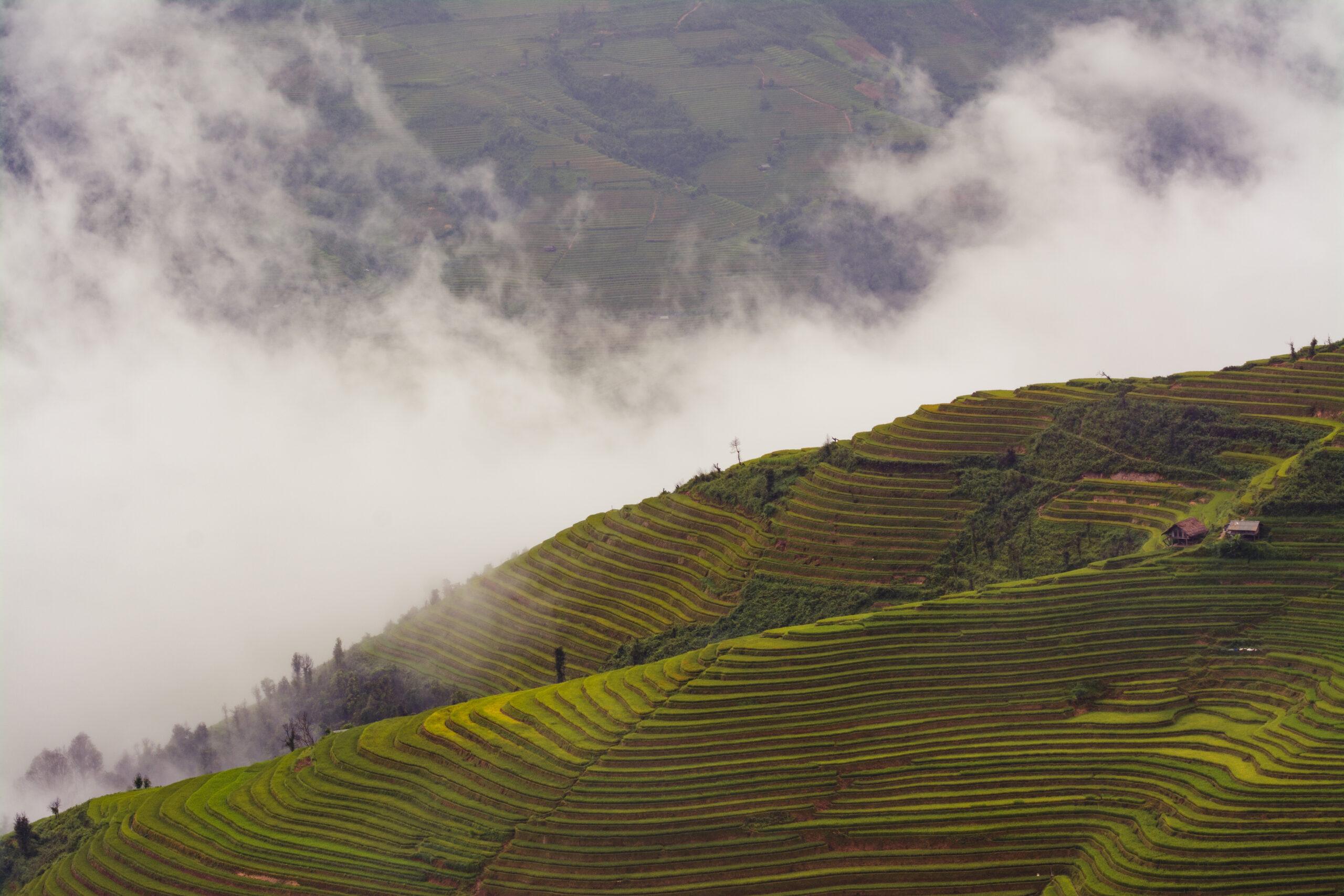
Mist over the terraces at La Pan Tan, the top pick for sunset light
Which Rice Terrace Viewpoint Should You Visit First?
Each of the four main viewpoints has a distinct shape and character, and most visitors try to fit in at least two.
| Viewpoint | Known For | Entry Fee | Best Time |
|---|---|---|---|
| La Pan Tan | Expansive hillside terraces, fewer crowds | Free | Sunset |
| Mam Xoi | Iconic round shape, the most photographed and busiest | Small entry + parking fee | Morning, before tour groups arrive |
| Mui Giay | Shoe-shaped terrace, viewable from the main road | Free | Any time, quick stop |
| Mong Ngua | Horseshoe-shaped terrace, steep short hike or local taxi up | Small entry fee | Sunrise or sunset |
Entry fees above are approximate and change over time — confirm current rates locally.
Is Trekking in Mu Cang Chai Worth It?
Yes — trekking is how you get past the roadside viewpoints and into the working H’mong villages of La Pan Tan, Che Cu Nha, and De Xu Phinh, where terrace farming actually happens. Trails range from easy half-day walks to multi-day routes, and paths can be muddy or slippery during the rainy and planting seasons, so proper footwear matters. A half-day private trek around Mu Cang Chai with a local guide is an easy way to cover the main trails without getting lost or accidentally crossing onto private farmland, and it typically includes a stop for lunch in a village home.
Can You Go Paragliding Over the Rice Terraces?
Yes — Khau Pha Pass is considered one of Vietnam’s best paragliding sites, and tandem flights with a certified pilot run seasonally, typically timed around the harvest window when winds and visibility are most reliable. A Mu Cang Chai paragliding experience is worth booking a day or two ahead rather than showing up and hoping for a same-day slot, since flights depend on weather and available pilots.
What Else Is Worth Doing in Mu Cang Chai?
The weekend market in Mu Cang Chai town is worth timing your visit around if your dates allow — it’s where H’mong and Thai families from surrounding villages come to trade handwoven textiles, livestock, and produce, and it’s far less touristy than markets closer to Sapa. The Mo De Bamboo Forest, a stand of century-old bamboo outside town, makes for a shadier, cooler midday walk between terrace visits, and Tu Le valley’s hot springs are a relaxing way to end a trekking day. Confirm current opening days and hours for the weekend market before planning around it.
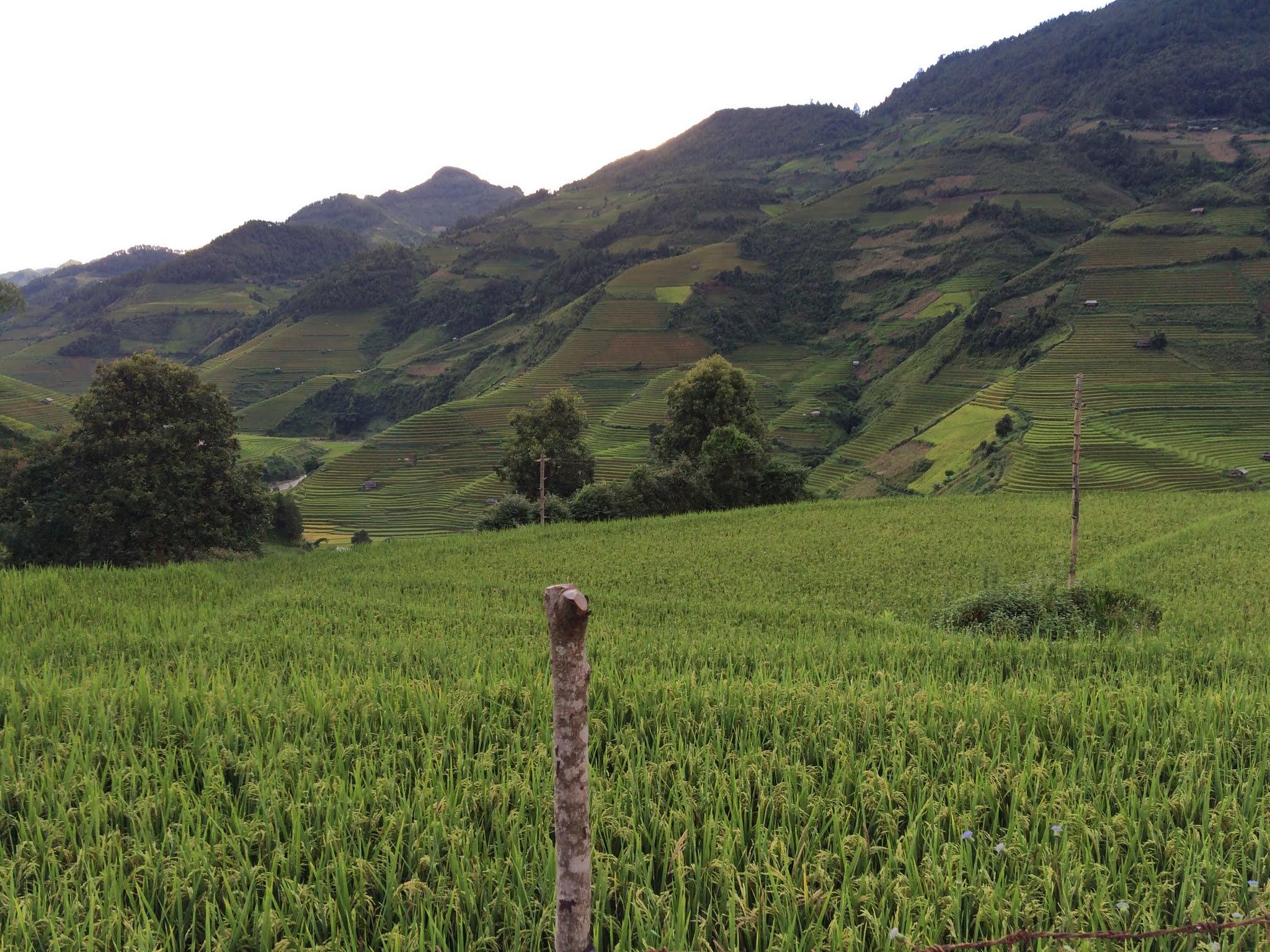
Rice growing in Che Cu Nha commune, with terraced mountains behind
TTC Verdict: Do La Pan Tan and one guided trek at minimum — they give you both the classic viewpoint shot and a real look at H’mong village life. Skip Mam Xoi at midday if you dislike crowds; it’s the most touristy of the four viewpoints.
Frequently Asked Questions About Things to Do in Mu Cang Chai
La Pan Tan is generally considered the most photogenic, especially at sunset, with expansive hillside terraces and fewer crowds than Mam Xoi. Mam Xoi’s round shape is more distinctive but also the busiest viewpoint.
Some viewpoints, like Mam Xoi and Mong Ngua, charge a small entry and parking fee, while others like La Pan Tan and Mui Giay are typically free to view from accessible points. Confirm current fees locally, as these can change.
Tandem paragliding flights are flown by a certified pilot, so no experience is required, though flights depend on weather and wind conditions and may be cancelled or rescheduled on short notice.
Short walks around La Pan Tan and Che Cu Nha can take as little as an hour, while a half-day guided trek covering multiple villages typically runs 4-5 hours including a lunch stop.