Best Time to Visit Thailand: Weather by Region, Month by Month
The best time to visit most of Thailand is November through February — the cool, dry season, with comfortable temperatures and the least rain across Bangkok, Chiang Mai, and the islands. March through May is hot and dry (and includes Songkran, the Thai New Year water festival, in mid-April), while June through October is the rainy season, with the Gulf islands (Koh Samui, Koh Phangan) actually staying drier than the Andaman side (Phuket, Krabi) during these months.
What Is the Best Month to Visit Thailand?
December and January are the most comfortable months nationwide — low humidity, minimal rain, and warm but not oppressive heat across Bangkok, Chiang Mai, and the southern islands. They are also peak tourist season, so expect higher hotel prices and bigger crowds at major temples; if you want similar weather with fewer crowds, November and February are close seconds.
| Season | Months | Best For | What to Expect |
|---|---|---|---|
| Cool & Dry | November – February | First-time visitors, hiking in the north | The most comfortable weather nationwide; also the most crowded and most expensive |
| Hot | March – May | Songkran (mid-April), beach time on the Andaman coast | Intense heat and humidity, especially inland; Songkran water fights run nationwide for several days |
| Rainy (Andaman coast: Phuket, Krabi) | June – October | Budget travelers, lush green scenery | Short, heavy afternoon downpours are common; mornings are often clear |
| Rainy (Gulf coast: Koh Samui, Koh Phangan) | June – October (drier than the Andaman side) | Beach time while Phuket is wetter | The Gulf islands follow a different rain pattern and are comparatively dry through much of this window — their wettest months are October–December instead |

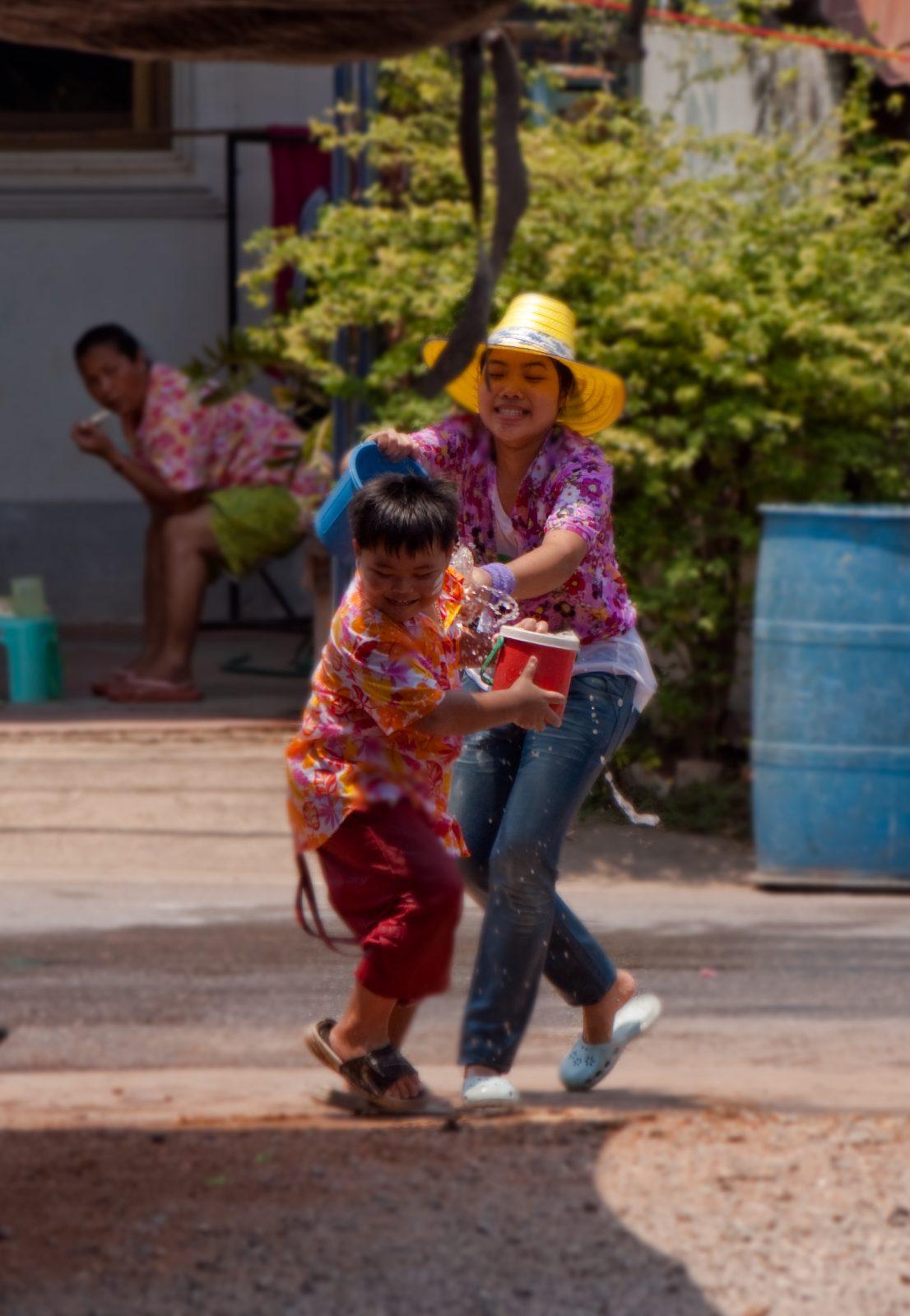
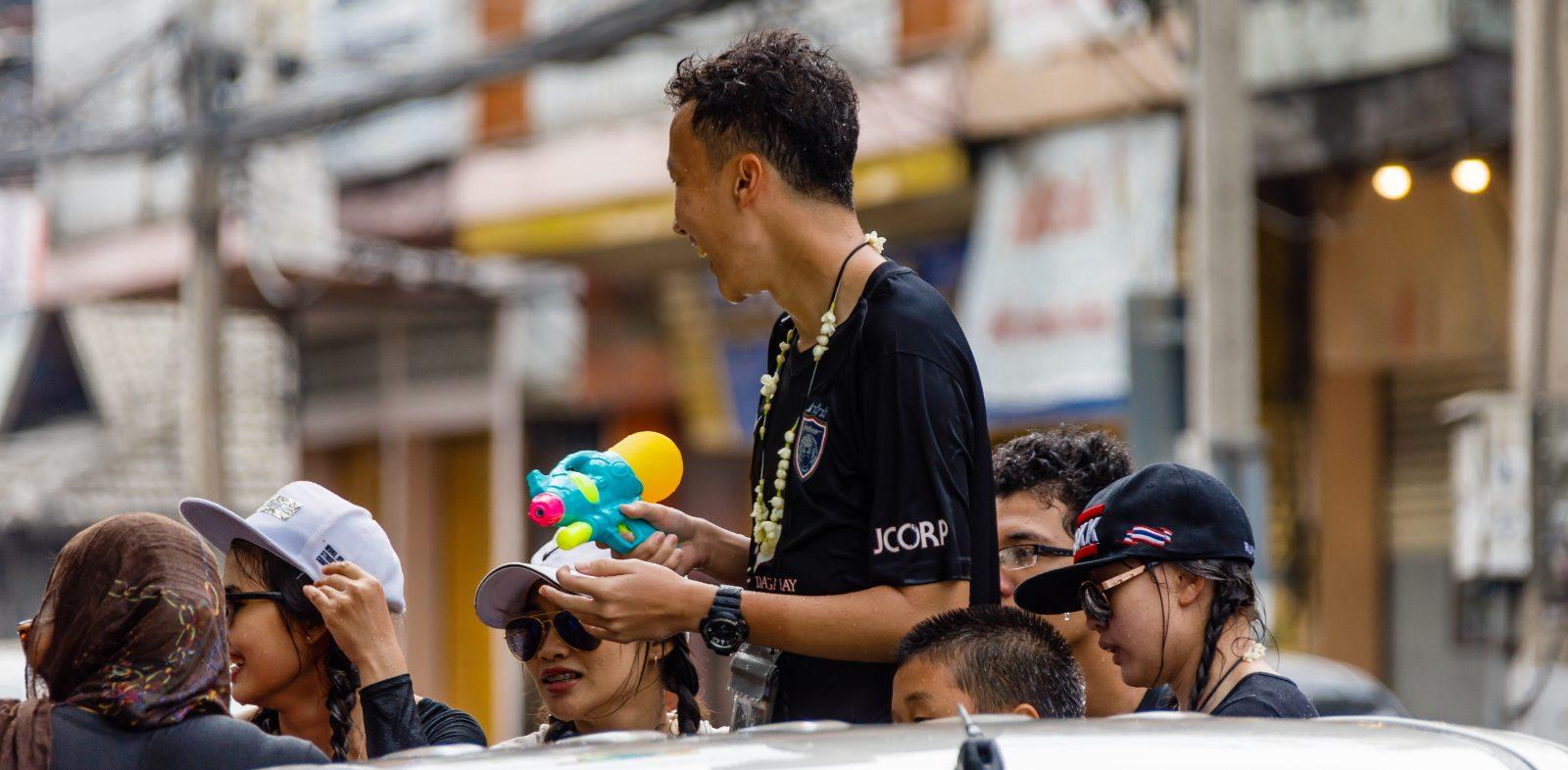
Songkran Festival, Chiang Mai: CEphoto, Uwe Aranas / CC BY-SA 4.0 · Songkran water fight: laurence king / CC BY 2.0
TTC Verdict: If your dates are flexible, aim for late November through early February for the easiest weather anywhere in the country. If you are set on April, go in expecting Songkran — the water festival takes over the streets nationwide for several days, which is either the highlight of your trip or something to plan around, depending on how you feel about being soaked on the street at random.
Does the Rainy Season Mean You Should Avoid Thailand in Summer?
Not necessarily — Thailand’s rainy season usually means short, heavy afternoon downpours rather than all-day rain, and mornings are often clear. It is also the quietest and cheapest time to visit, with noticeably lower hotel rates, and the Gulf coast islands (Koh Samui, Koh Phangan) are actually drier than the Andaman coast (Phuket, Krabi) during these months, making them a reasonable rainy-season alternative.
Thailand’s rainy season generally runs from June through October, though it varies by coast: the Andaman side (Phuket, Krabi) sees more consistent rain during these months, while the Gulf islands (Koh Samui, Koh Phangan) are comparatively drier, with their wettest period shifting to October–December instead.
Songkran, the Thai New Year water festival, falls in mid-April every year and is celebrated nationwide with multi-day water fights in the streets. Expect to get soaked if you go outside during the festival — it is a genuinely fun, widely participated tradition, not just a tourist spectacle.
Yes — December falls within the cool, dry season and is one of the most comfortable months to visit nationwide. It is also peak season, so expect higher prices and more crowds at major attractions than in the shoulder months of November or February.