What to Eat in Singapore: Hawker Centres and Local Dishes
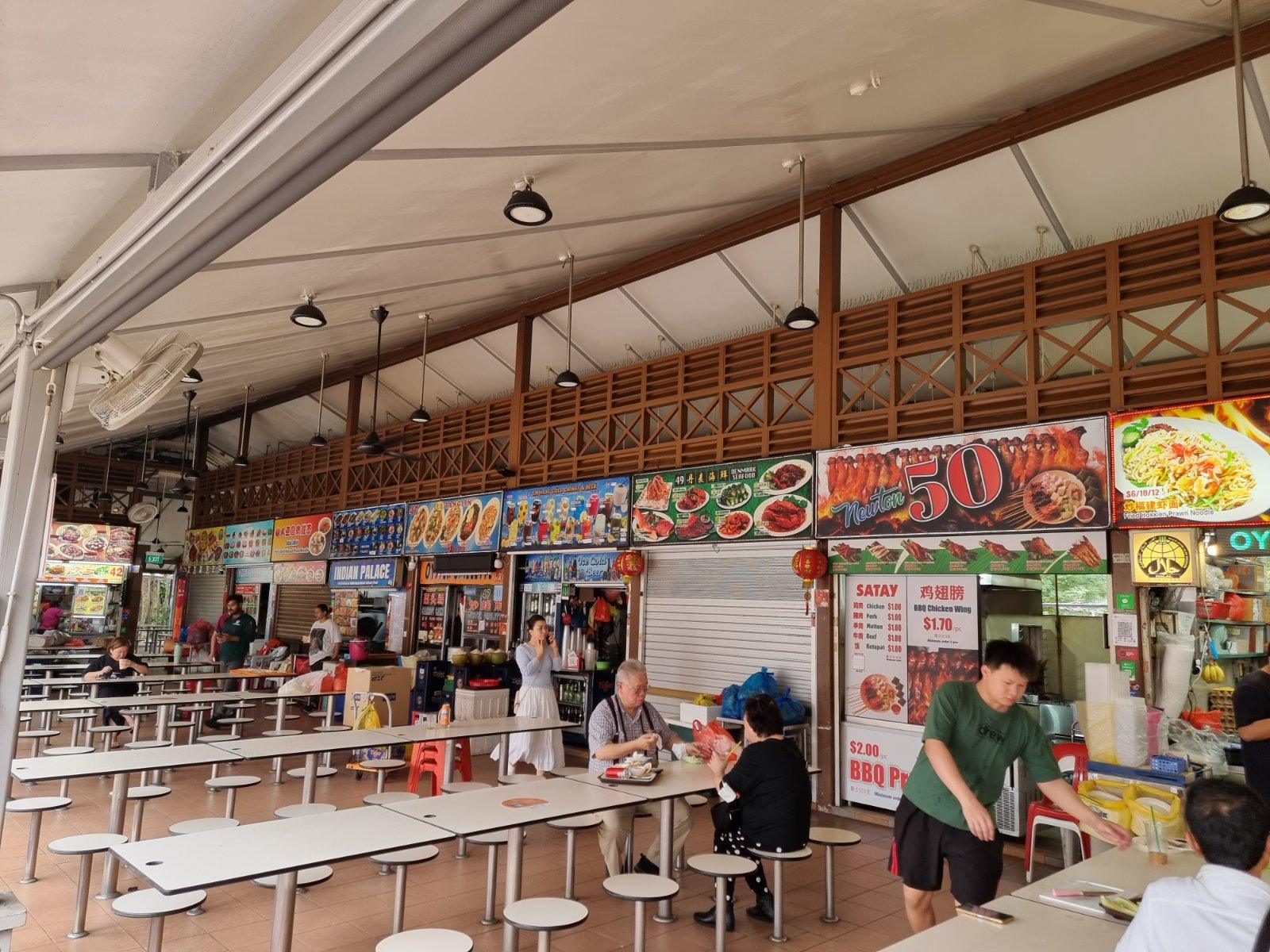
The short answer: Singapore’s hawker centres — open-air complexes of independent food stalls, many family-run for generations — are both the best food value in the city and its most essential cultural experience, with some stalls holding Michelin recognition at street-food prices. Maxwell Food Centre and Chinatown Complex are the easiest first stops if you’re based centrally; Newton Food Centre and Lau Pa Sat are worth a dedicated trip even if you’re staying elsewhere. Chicken rice, laksa, and char kway teow are the dishes to prioritize if you only have a day or two.
This contrast is personal for us: Nate counts Singapore among his favorite destinations in Southeast Asia specifically because of it — world-class luxury sitting a short walk from some of the best, most affordable food in the region. A five-star hotel breakfast has its place, but it’s the hawker centres that make the city worth coming back to.
The Essentials
- Best for first-timers: Maxwell Food Centre or Chinatown Complex — central, easy to navigate, consistently good
- Best for a dedicated food trip: Newton Food Centre (tourist-friendly, late-night) or Lau Pa Sat (historic Victorian building)
- Must-try dishes: Hainanese chicken rice, laksa, char kway teow, chilli crab, satay
- How to order: find a table first (often shared), note the table number, then order and pay directly at each stall
- Cash matters: most hawker stalls take cash; many now also take PayNow or card, but don’t count on it everywhere
What are Singapore’s best hawker centres?
| Hawker centre | Known for | Best for |
|---|---|---|
| Maxwell Food Centre | Hainanese chicken rice, Peranakan dishes | First-timers based in Chinatown |
| Chinatown Complex | The city’s largest hawker centre; claypot rice, dim sum | A longer, more exploratory food crawl |
| Lau Pa Sat | Historic Victorian ironwork building; satay street at night | Atmosphere alongside the food |
| Newton Food Centre | Tourist-friendly, carrot cake, oyster omelette, late-night zi char | An easy, approachable dedicated trip |
| Tekka Centre | The heart of Little India; briyani, roti prata, prawn mee | Combining with a Little India visit |
| Old Airport Road Food Centre | Over 100 stalls; Hokkien mee, kway chap | Food-focused travelers willing to go off the main tourist path |
One stall worth beelining for inside Chinatown Complex: Fatty Ox HK Kitchen (stall 02-84), a Michelin Bib Gourmand pick known for its beef brisket noodles and the roast duck and chicken hanging in the window. [VERIFY: confirm current Michelin Bib Gourmand status, as the list is updated annually] Go early or be ready to queue — it is one of the centre’s most popular stalls at lunch.
What dishes should you prioritize?
Hainanese chicken rice — poached chicken over rice cooked in its broth, served with chilli and ginger sauces — is Singapore’s signature dish and worth comparing between stalls; Maxwell’s Tian Tian is the most famous version, though queues can run long. Laksa (a spicy coconut-curry noodle soup) and char kway teow (stir-fried flat noodles with egg, prawns, and Chinese sausage) are the two other dishes to prioritize if you’re only eating at hawker centres once or twice. For something more adventurous, chilli crab is the dish Singapore is proudest of, though it’s typically found at seafood restaurants rather than hawker stalls.
Book the Singapore hawker food walking tour on Klook.
How do you order at a hawker centre?
Find a table first — hawker centres get crowded at peak meal times, and tables are shared between stalls, so securing one before you order (often by leaving a packet of tissues on it, a well-known local custom) saves a lot of standing around with a tray. Note your table number, then walk to individual stalls to order and pay directly — there’s no single till for the whole centre. Most stalls are cash-only or cash-preferred, though PayNow and card acceptance has grown in recent years.
Is hawker centre food safe and good value?
Yes to both. Singapore’s hawker centres operate under strict, centrally enforced food-safety grading (displayed on a visible placard at each stall), and several individual stalls have held Michelin Bib Gourmand or full-star recognition — a rare combination of rigorous hygiene standards and genuine culinary ambition at street-food prices. A full meal at most stalls costs a fraction of what the same quality would run at a hotel restaurant.
TTC Verdict
Build at least one full meal around a hawker centre on every day of your trip — it’s not a budget compromise in Singapore, it’s genuinely some of the best food in the city. If you only have time for one, make it Maxwell Food Centre for an easy, central introduction, or Newton Food Centre if you want the fuller experience with less of a language barrier.
Frequently asked questions
What is the most famous dish to try in Singapore?
Hainanese chicken rice is the dish most associated with Singapore’s hawker food scene, alongside chilli crab for a sit-down restaurant meal.
Are hawker centres safe to eat at?
Yes — they operate under strict, centrally enforced food-safety grading displayed at each stall, and the hygiene standard is consistently high across the city.
Do hawker stalls accept cards or only cash?
Many still prefer or require cash, though PayNow and card acceptance has grown at larger centres in recent years. Carry some cash to be safe.
Which hawker centre is best for a first-time visitor?
Maxwell Food Centre — central, easy to navigate, and close to most Chinatown hotels, with several famous stalls in one compact space.
Pair this with our Singapore where-to-stay guide to find a home base near the best eating.