
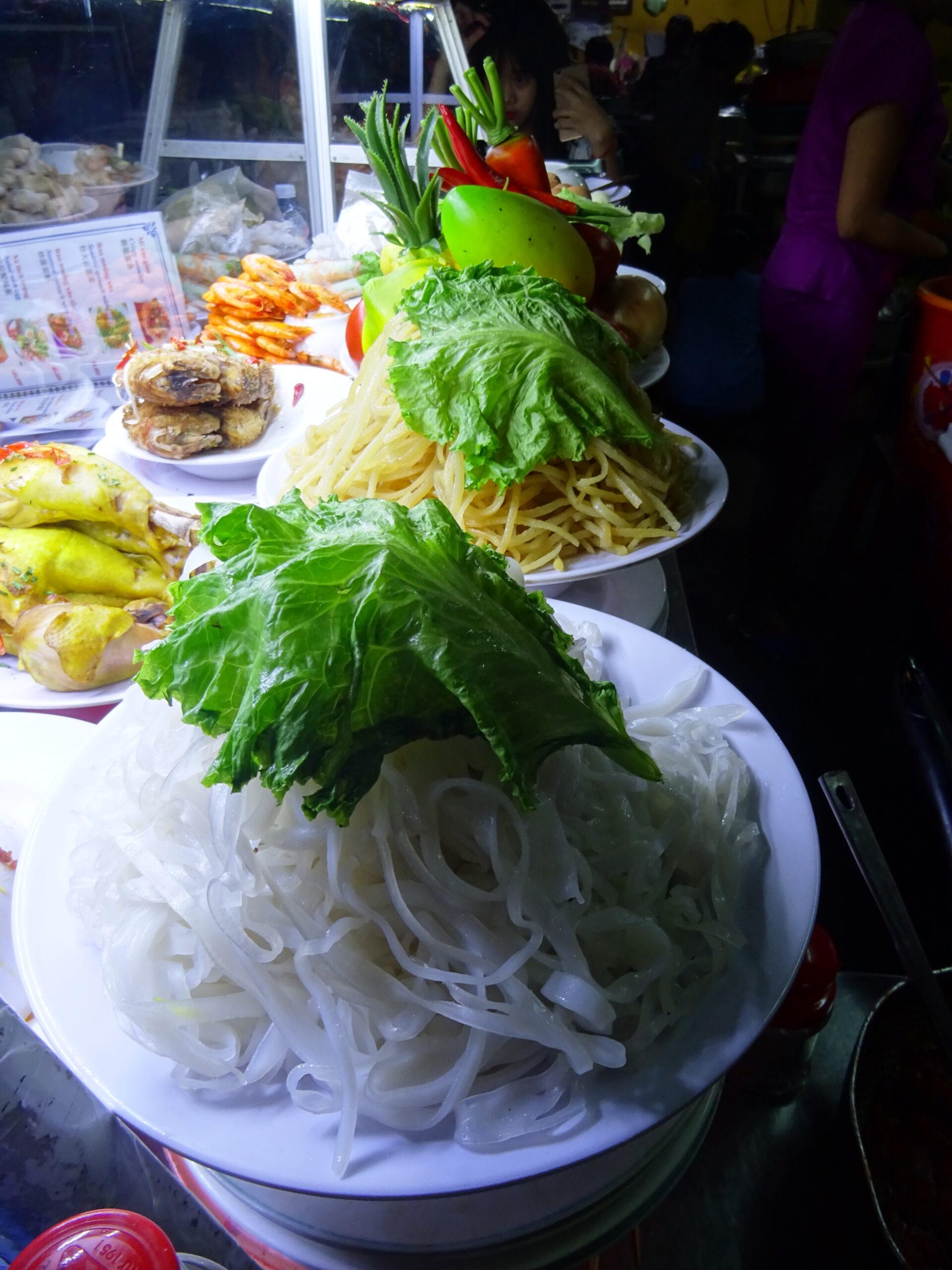
Best Street Food In Hoi An
Hoi An’s street food scene isn’t just about eating; it’s about decoding a culinary dialect spoken in smoky woks, fragrant herb baskets, and the sizzle of grills along the Thu Bon River. The ancient town’s signature dish, Cao Lầu, is a mystery wrapped in a noodle—its thick, chewy strands are said to be made only with water from the legendary Bá Lễ well, mixed with ash from local trees. If you want to eat like a local, get the Cao Lầu from the lady who’s been frying it at the Central Market for 20 years, not the tourist-facing restaurants on the main drag. This guide distills my decade of eating through Vietnam’s most atmospheric town into the 15 dishes you must try, where to find them, and how to order without looking like a tourist.
Hoi An’s street food is the town’s living museum. Unlike Hanoi or Saigon, where the culinary landscape shifts with the wind, Hoi An’s recipes remain stubbornly preserved—a blend of Chinese, Japanese, and Vietnamese influences that made this a trading port centuries ago. The result? Dishes like Cao Lầu, which you can’t find done properly anywhere else in the world. The noodles are a marvel: springy, almost bouncy, with a texture that comes from being soaked in well water and then smoke-dried over a wood fire. They’re topped with char siu pork, fresh herbs, and crispy rice crackers, all tossed in a savory broth that’s more sauce than soup. It’s a dish that demands your full attention.
But Cao Lầu is just the opening act. The real magic of Hoi An’s street food lies in its variety—from the smoky, turmeric-laced Mì Quảng to the delicate, paper-thin Bánh Xèo that crackles when you bite into it. And then there’s the legendary Banh Mi Phuong, which Anthony Bourdain called “a symphony in a bag.” The key is the bread: a perfect hybrid of French baguette and Vietnamese airy roll, stuffed with pâté, cold cuts, pickled carrots, and a secret chili sauce that’ll wake up your taste buds. This isn’t just street food; it’s edible history.
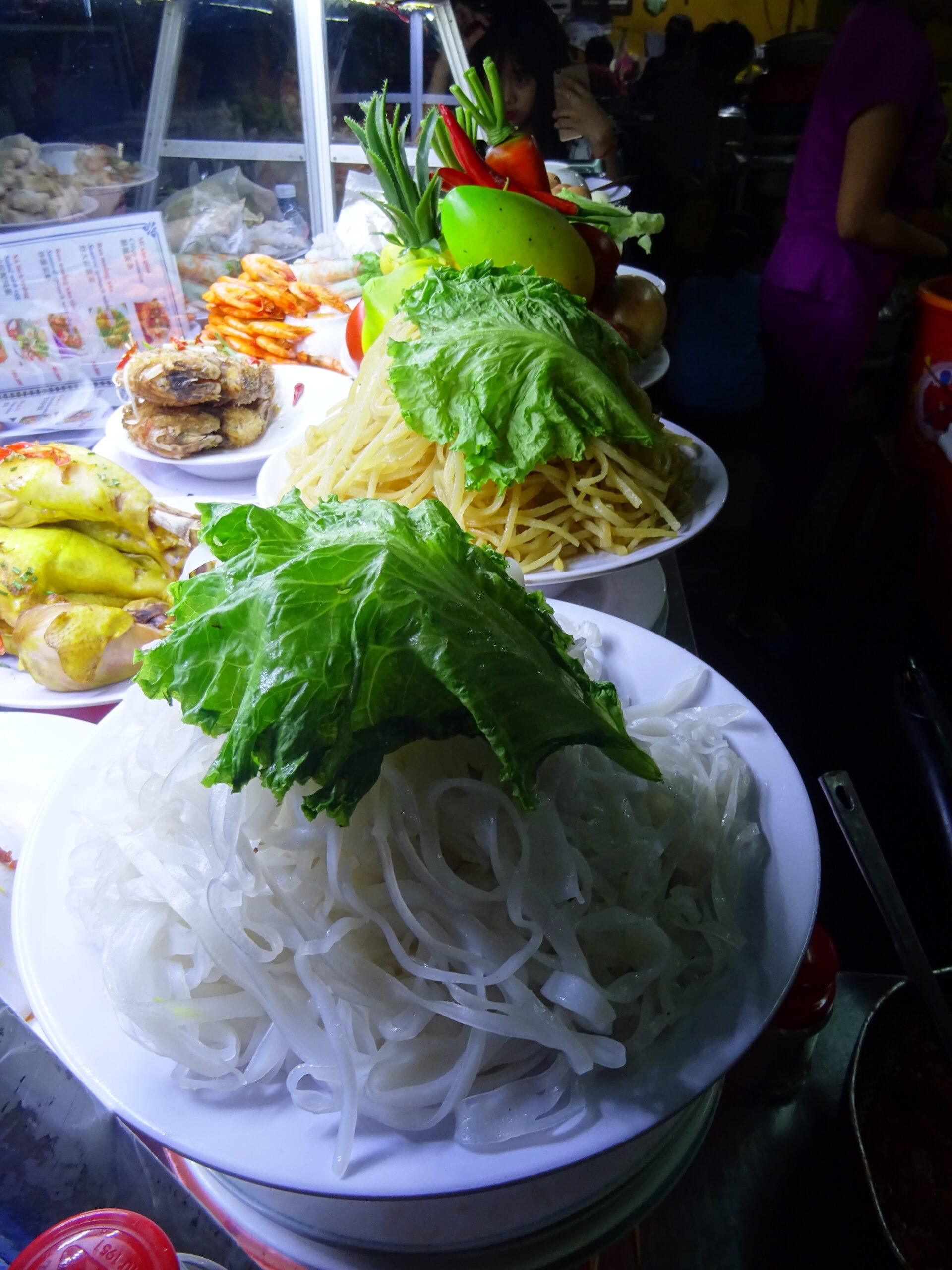
The 15 Non-Negotiable Hoi An Street Foods
I’ve eaten my way through every alley, market stall, and plastic-chair joint in this town. Here’s the definitive list, ranked by what the locals actually queue for, not what’s in the guidebooks.
1. Cao Lầu (The Icon)
Where: The stall at the back of the Central Market, run by a woman named Mrs. Thu. She’s been making Cao Lầu for 30 years. How to order: Just say “Cao Lầu” and point to the pork. She’ll know.
2. Banh Mi Phuong (The Legend)
Where: 2B Phan Chau Trinh St. Price: 40,000 VND (~$1.60). The line moves fast. Go at 10 AM to avoid the lunch rush. The mixed pork version is the one to get.
3. Mì Quảng (Turmeric Noodles)
Where: Nam Bao restaurant, 118 Nguyen Truong To St. This is a local favorite, not a tourist spot. The wide rice noodles are topped with shrimp, pork, quail eggs, and a handful of crushed peanuts. The broth is minimal—just enough to coat the noodles.
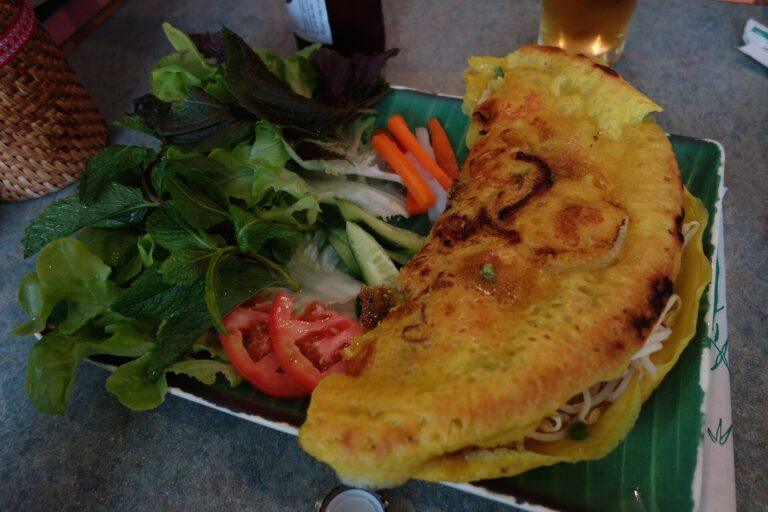
4. Bánh Xèo (Sizzling Pancake)
Where: Bánh Xèo Cô Lựu, 27 Nguyen Tat Thanh St. A crispy, golden crepe filled with bean sprouts, shrimp, and pork. You eat it by tearing off a piece, wrapping it in lettuce with herbs, and dipping it in nước chấm (fish sauce).
5. Phở (But Not the Hanoi Kind)
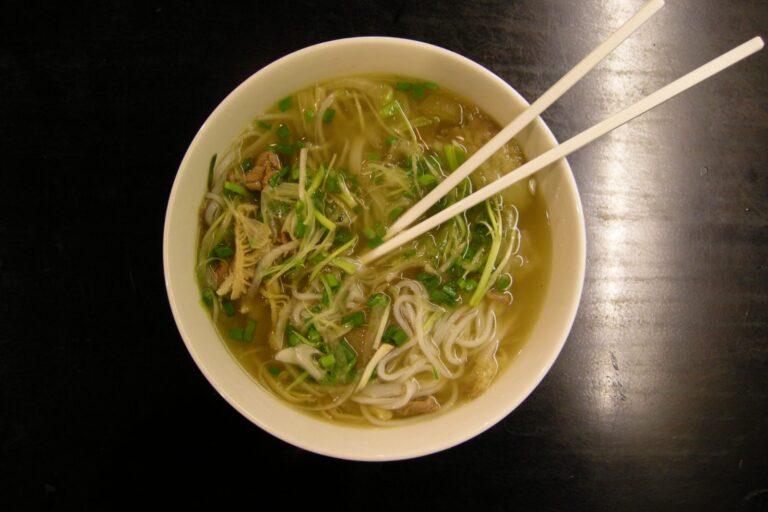
Where: Phở Hoi An, 12 Tran Hung Dao St. Hoi An’s phở is sweeter and lighter than the northern version. The broth is clarified, the noodles are silky, and the beef is sliced paper-thin and cooked by the broth’s heat.
6. Cơm Gà (Hoi An Chicken Rice)
Where: Cơm Gà Bà Buội, 22 Phan Chau Trinh St. This is a Hoi An specialty: turmeric-stained rice, shredded chicken, fresh herbs, and a tangy fish sauce dip. It’s simple, but it’s the kind of dish you’ll crave at 3 AM.
7. Bánh Bèo (Steamed Rice Cakes)
Where: Central Market food hall. Tiny, saucer-sized rice cakes topped with minced shrimp and crispy shallots. You eat them with a toothpick, scraping the cake off the dish and dipping it in fish sauce.
8. Bánh Bao & Bánh Vac (White Rose)
Where: White Rose Restaurant, 533 Hai Ba Trung St. These delicate shrimp dumplings are named for their shape. They’re made by a family that’s been doing it for generations. The secret? A special process that makes the dough translucent.
9. Chè (Sweet Soup)
Where: Chè Hè, 28 Nguyen Hue St. This is a dessert soup made with beans, coconut milk, and jelly. It’s served cold, and it’s the perfect antidote to Hoi An’s heat. Try the one with corn and sticky rice.
10. Bánh Tráng Trộn (Rice Paper Salad)
Where: Night market stalls on Nguyen Hoang St. A weird and wonderful mix of shredded rice paper, quail eggs, dried beef, herbs, and chili. It’s a textural explosion—crunchy, chewy, and spicy.
11. Mít Trộn (Jackfruit Salad)
Where: Roadside stalls near the night market. Young jackfruit is shredded and tossed with peanuts, mint, and a spicy fish sauce dressing. It’s a vegan-friendly option that doesn’t taste like it’s trying to be meat.
12. Bánh Cuốn (Steamed Rice Rolls)
Where: Bánh Cuốn Bà Đức, 45 Tran Phu St. Silky rice rolls filled with minced pork and mushrooms, topped with fried shallots and served with a side of pork sausage.
13. Nem Lụi (Grilled Pork Skewers)
Where: Alley 52 Bach Dang St. These lemongrass-skewered pork rolls are grilled over charcoal and served with fresh herbs and a peanut dipping sauce. You wrap them in rice paper, which is a fun, hands-on experience.
14. Bánh Đập (Double Rice Cracker)
Where: Central Market. Two rice crackers—one soft, one crispy—sandwiched together and dipped in fish sauce. It’s a simple snack, but the texture is addictive.
15. Ốc (Snails)
Where: Ốc Đức, 17 Nguyen Thi Minh Khai St. Don’t knock it till you’ve tried it. The snails are stir-fried with lemongrass and chili, and you eat them with a toothpick. They’re chewy, salty, and perfect with a cold beer.
| Dish | What It Is | Best For | Price (VND) |
|---|---|---|---|
| Cao Lầu | Thick noodles with pork, herbs, and crispy croutons | First-timers, foodies | 35,000 – 45,000 |
| Banh Mi Phuong | Baguette with pâté, pork, pickled veg, chili | Quick lunch, hangover cure | 40,000 |
| Mì Quảng | Turmeric noodles with shrimp, pork, peanuts | Hearty breakfast | 30,000 – 40,000 |
| Bánh Xèo | Crispy crepe with shrimp, pork, bean sprouts | Sharing, fun to eat | 25,000 – 35,000 |
| Cơm Gà | Turmeric rice, shredded chicken, herbs | Comfort food | 35,000 |
Where to Eat: A Street-by-Street Breakdown
Hoi An’s food scene is concentrated in a few key areas. Here’s how to navigate them like a regular.
Tran Phu Street (The Foodie Spine)
This is the main drag, and it’s packed with stalls that have been there for decades. Start at the Central Market end and work your way toward the Japanese Covered Bridge. You’ll find everything from Cao Lầu to Bánh Bèo. The trick is to look for the stalls with the most plastic stools—that’s where the locals are.
Phan Chau Trinh Street (The Banh Mi Belt)
This street is home to Banh Mi Phuong and a dozen other sandwich shops. It’s also where you’ll find Cơm Gà Bà Buội. Come hungry, leave happy.
Nguyen Hoang Street (Night Market Alley)
When the sun sets, this street transforms into a food carnival. It’s more touristy, but the Bánh Tráng Trộn and Mít Trộn stalls are legit. The jackfruit salad is a must-try—it’s refreshing and spicy, with a crunch that’s surprisingly satisfying.
The Best Street Food Tour (My Self-Guided Route)
If you want to eat your way through Hoi An without a guide, here’s my exact route, optimized for minimal walking and maximum flavor.
- Start at the Central Market (6:30 AM): Grab a Cao Lầu from Mrs. Thu’s stall. This is your breakfast.
- Walk to Tran Ph
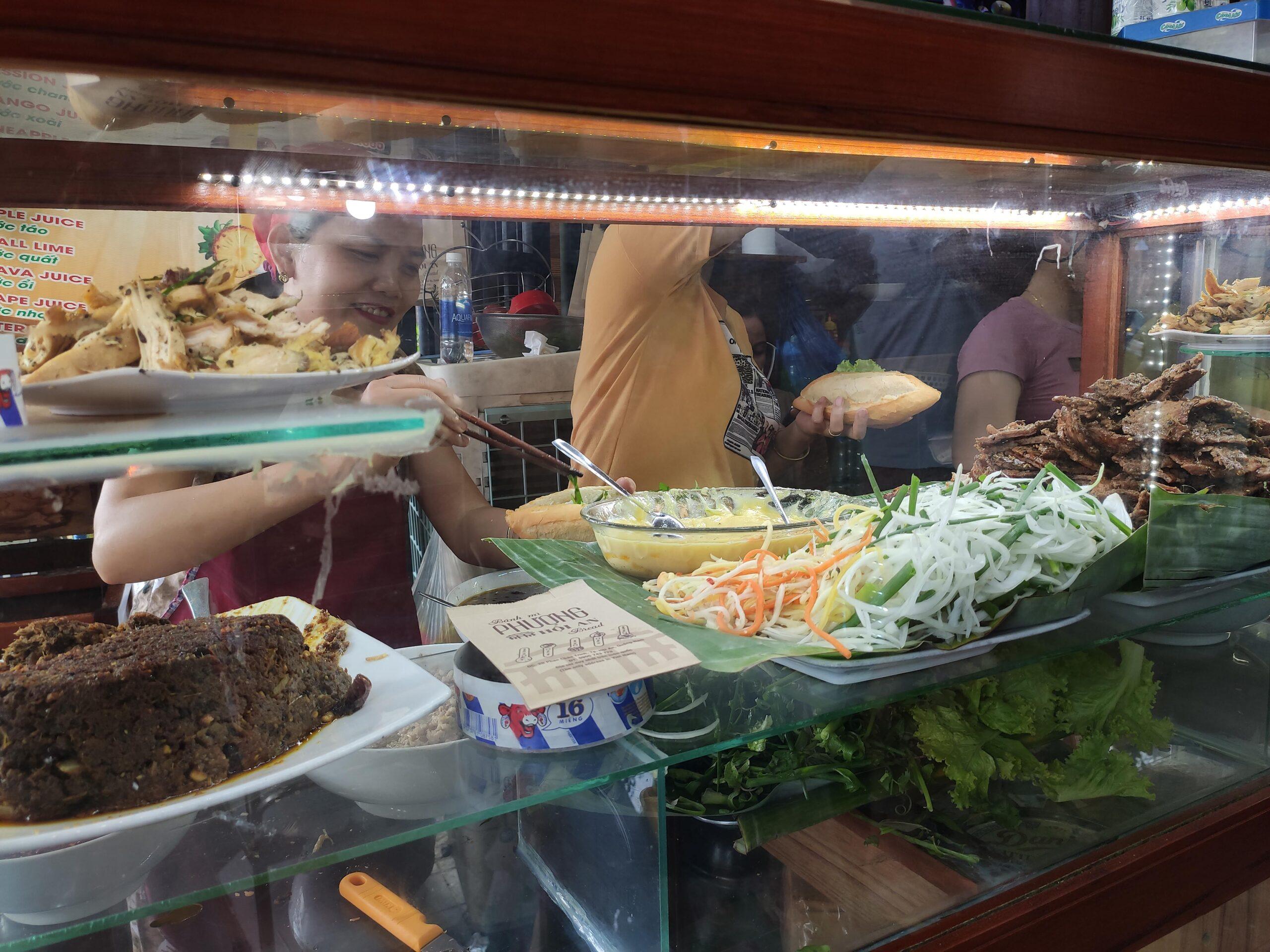
Hoi An banh mi sandwich — Photo: Timeless Travel Chapters 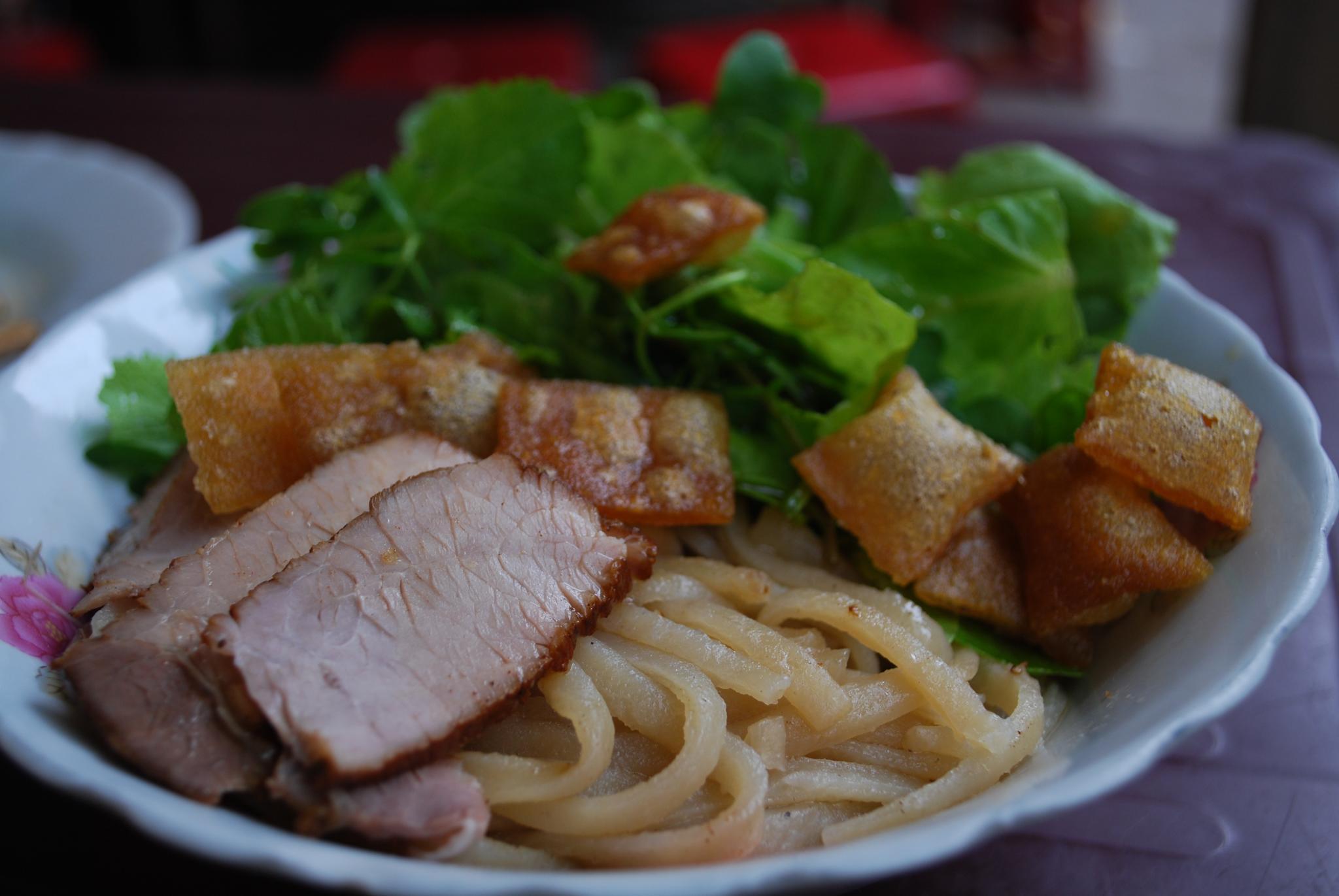
Cao Lau noodle dish Hoi An — Photo: Timeless Travel Chapters 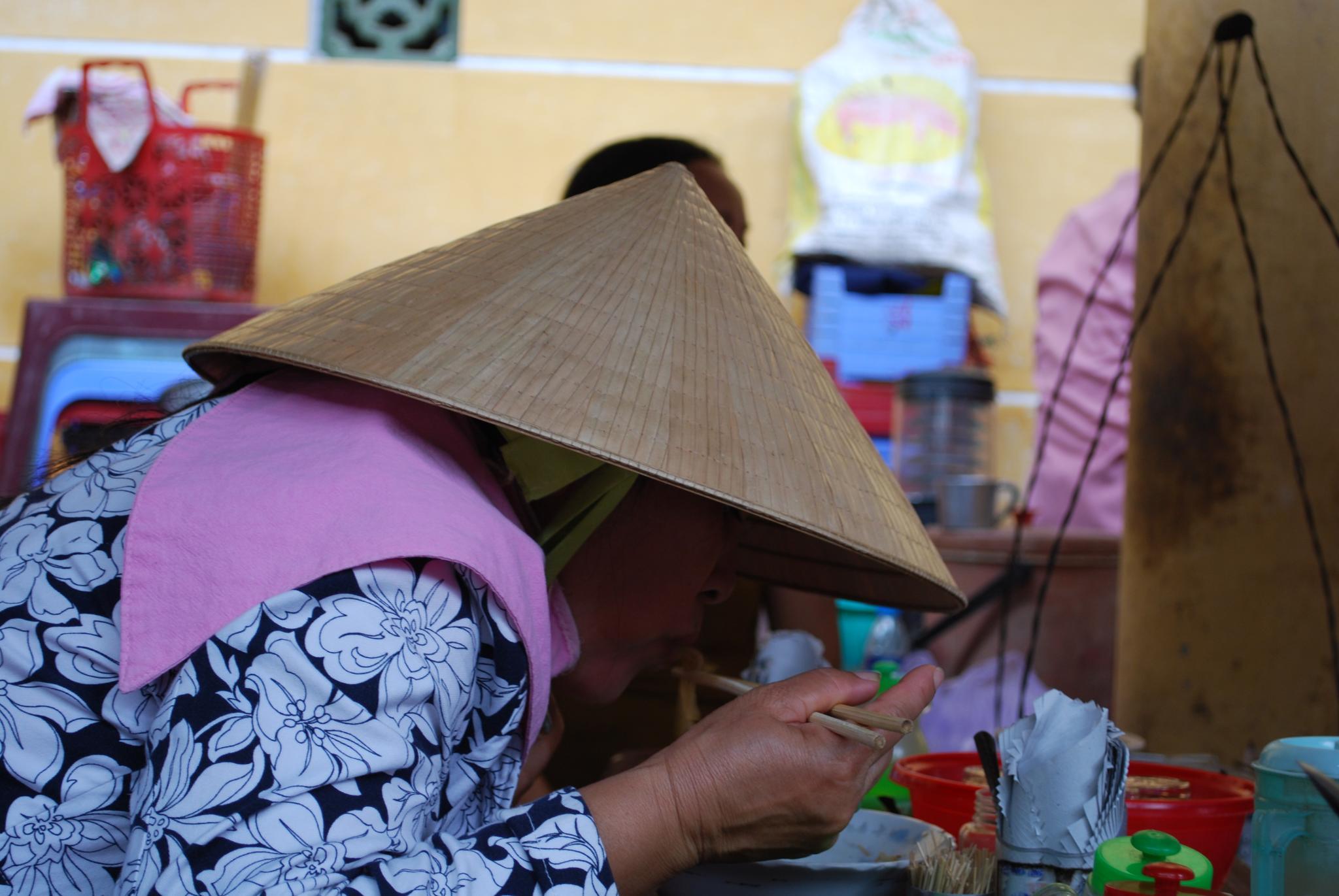
Hoi An local dish — Photo: Timeless Travel Chapters TTC Verdict: If you want to eat your way through Hoi An without a guide, here’s my exact route, optimized for minimal walking and maximum flavor.
What is the one street food dish you cannot leave Hoi An without trying?Cao Lau is the dish that defines Hoi An specifically, made with noodles that (according to local tradition) only taste right when made with water from a particular well in the Old Town. It is the single most distinctive food experience in the city, distinct from anything found in Hanoi or Ho Chi Minh City.
Is street food in Hoi An safe for tourists to eat?Yes, as a general rule. Stick to stalls and small restaurants with high turnover and a visible line of local customers, eat food that is cooked fresh in front of you rather than sitting out, and stick to bottled or boiled water. These are the same commonsense rules that apply across Vietnam.
How much should a street food meal in Hoi An cost?Most individual street food dishes in Hoi An Old Town run in the range of 25,000 to 45,000 VND (roughly $1 to $2 USD) Current pricing before travel., with banh mi and small snacks often cheaper. Prices are noticeably higher right around the most heavily-touristed lantern-lit streets than a block or two away.
2 Comments
Comments are closed.