Things to Do in Hanoi: The Essential Sights
Hoan Kiem Lake and the surrounding Old Quarter are the heart of any Hanoi visit, but the city’s best sights range from a 1,000-year-old university to a working railway line that runs a few feet from people’s front doors. This guide covers the essentials, with current prices, hours, and an honest note on the one attraction whose access rules keep changing.
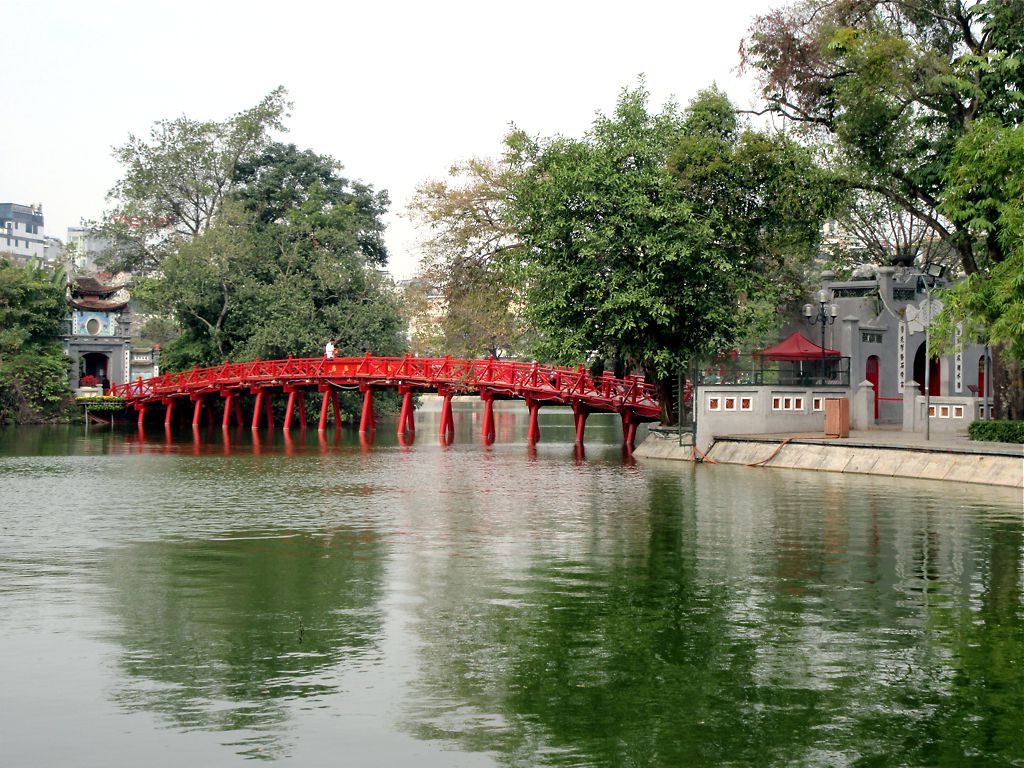
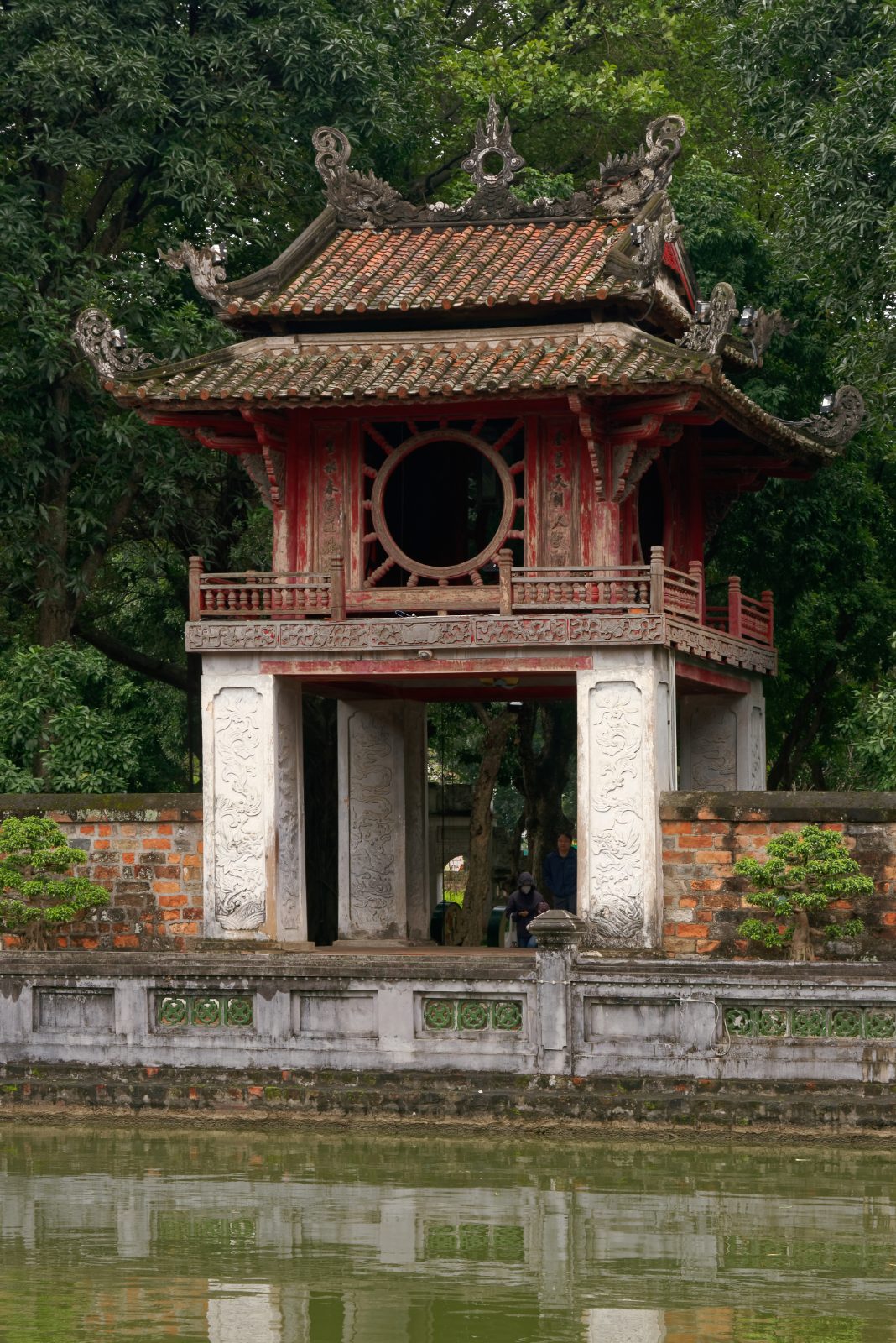
Temple of Literature: Jakub Hałun / CC BY 4.0 · Huc Bridge: David Stanley / CC BY 2.0
What Are the Best Things to Do in Hanoi?
| Attraction | Entrance Fee* | Time Needed |
|---|---|---|
| Hoan Kiem Lake & Ngoc Son Temple | Free (lake) / ~$2 (temple) | 1–2 hours |
| Thang Long Water Puppet Theatre | ~$4–10 | ~50 minutes |
| Temple of Literature | ~$2.75 | 1.5–2 hours |
| Ta Hien Beer Street | Free (pay per drink) | 1–2 hours, best in the evening |
| Hanoi Train Street | Free–$4 (café seating) | 30–45 minutes |
| Hoa Lo Prison Museum | ~$2 | 1.5–2 hours |
| Ho Chi Minh Mausoleum Complex | Free (mausoleum) / ~$1 (museum, stilt house) | 2–3 hours |
| Tran Quoc Pagoda / West Lake | Free | 1 hour |
*Prices are approximate in USD and pulled from recent sources — Vietnamese state-run sites adjust ticket prices periodically, so confirm current rates before you go.
TTC Verdict: If you only have one day, pair the Old Quarter and Hoan Kiem Lake in the morning with the Temple of Literature in the afternoon, then end at Ta Hien Beer Street after dark. That combination covers history, culture, and Hanoi’s social scene without requiring a taxi.
Is Hoan Kiem Lake Worth Visiting?
Yes — it’s free, central, and the closest thing Hanoi has to a symbolic heart. The lake is tied to the legend of a golden turtle that reclaimed a magic sword from a 15th-century emperor, and the small Ngoc Son Temple sits on an island reached by the red wooden Huc Bridge. Go early morning (around 6:30–8:30 AM) to see locals doing tai chi and morning exercise, or in the evening when the bridge and temple are lit up.
On Friday, Saturday, and Sunday evenings, the streets around the lake close to traffic for a pedestrian-only “walking street” with street performers and a night market running from Hang Dao to Dong Xuan Market.
Should You See the Thang Long Water Puppet Show?
It’s a good one-off cultural experience, especially with kids — water puppetry is a centuries-old Vietnamese art form performed in a pool of water, with puppeteers hidden behind a screen. The Thang Long Water Puppet Theatre, just northeast of Hoan Kiem Lake, runs several ~50-minute shows a day. You can book same-day at the box office, or reserve a ticket ahead of time through Klook — arrive 15-30 minutes early either way for a good seat.
Is the Temple of Literature Worth the Entrance Fee?
Yes, if you have any interest in history — this is Vietnam’s first university, founded in 1070 as a Confucian temple and expanded into an imperial academy in 1076. Its best-known feature is 82 stone stelae, each resting on a stone turtle, recording the names of doctoral scholars from exams held between 1442 and 1779 — the complex is UNESCO-recognized. Budget 1.5 to 2 hours to walk through its five courtyards.
Is Hanoi Train Street Still Open?
It’s open, but access is more restricted than it used to be, and this is genuinely a moving target — treat anything you read (including this) as a starting point, not a guarantee. The famous stretch near Tran Phu and Phung Hung streets has had a history of temporary closures since 2019, when a train had to make an emergency stop after tourists crowded the tracks for photos. Today, the main tourist section is typically accessed by buying a drink at one of the trackside cafés, who will seat and supervise you when a train is due — you generally can’t just walk up and stand on the tracks unsupervised anymore. A second, less-touristy stretch near the railway station is more open but has no official safety infrastructure at all.
- Never stand on or near the tracks — the train does not stop for pedestrians, and the safety margin in the narrowest section is reportedly as little as 20cm from the house fronts.
- View only from a café’s designated seating area, and follow staff instructions when a train is announced.
- Train times vary by day (weekday evening passes are more common; weekends can have several daytime passes) — ask your café host for that day’s schedule rather than relying on a fixed time online.
- No flash photography when a train is passing.
Given how often this location’s rules have changed, check a recent source or ask your hotel about current access before making a special trip.
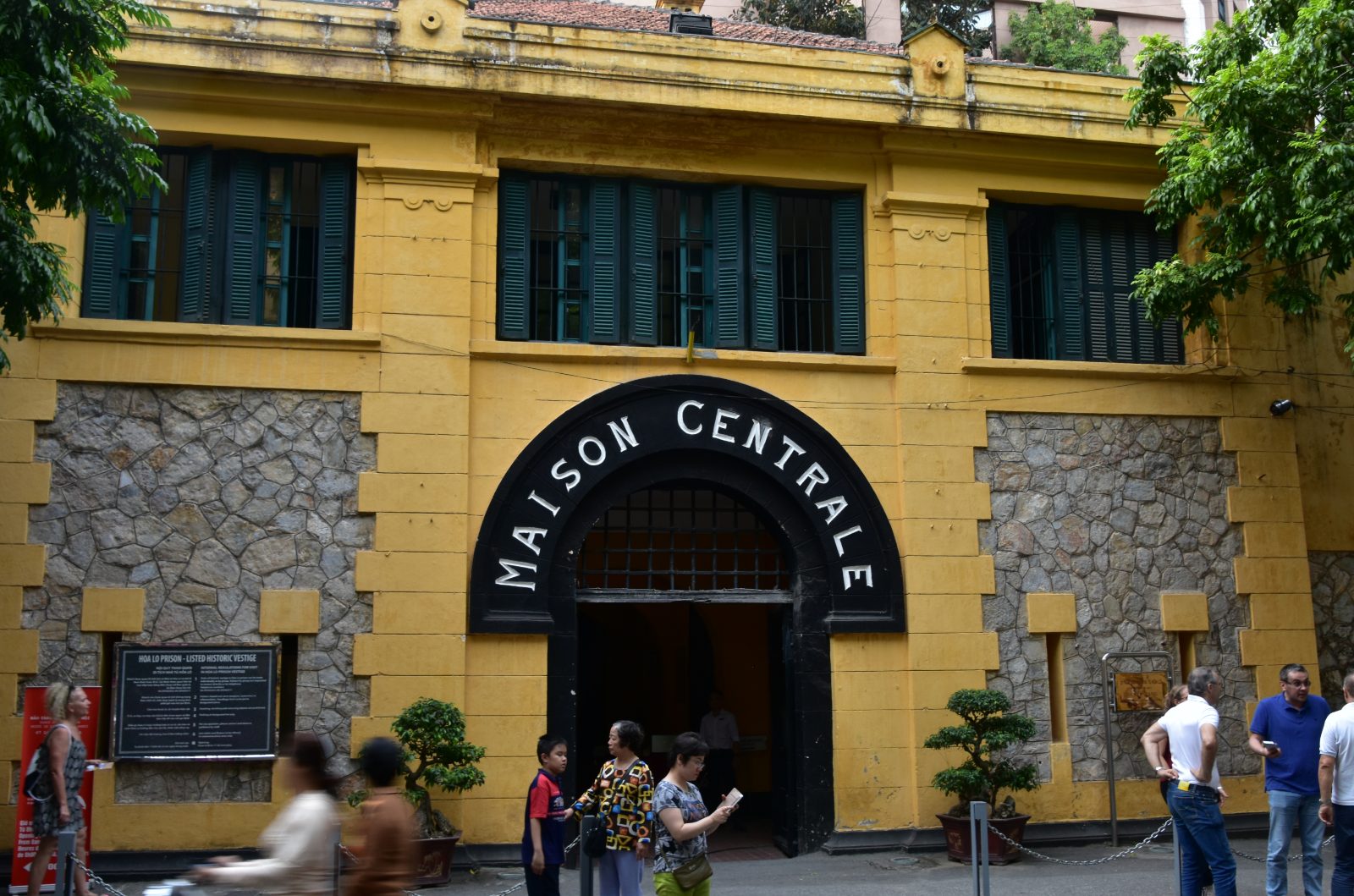
Hoa Lo Prison Museum, Hanoi: Richard Mortel / CC BY 2.0
What Else Is Worth Seeing in Hanoi?
- Hoa Lo Prison Museum — built by French colonists in 1896, later used to hold American POWs during the Vietnam War (nicknamed the “Hanoi Hilton”). A sobering, well-curated stop about 15 minutes’ walk from Hoan Kiem Lake; open daily, with a Friday–Sunday evening “night experience” available by advance booking.
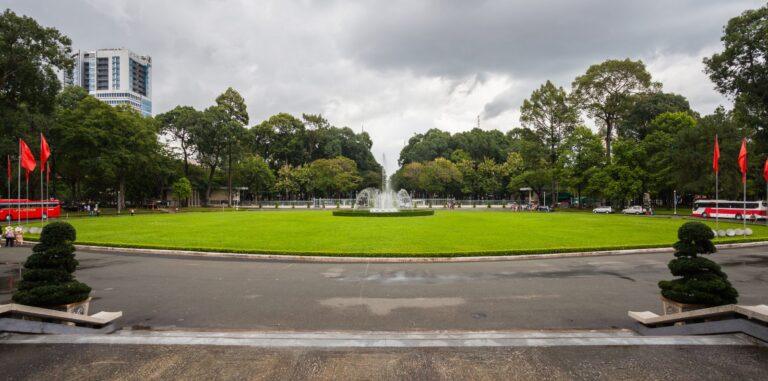
- Ho Chi Minh Mausoleum Complex — includes the mausoleum itself (free), the Ho Chi Minh Museum, the Presidential Palace grounds, and Ho Chi Minh’s stilt house. Hours are seasonal and restrictive (mornings only, closed some weekdays), and there’s a strict dress code — no shorts or sleeveless tops — with bags and phones typically checked at the entrance.
- Tran Quoc Pagoda — Hanoi’s oldest pagoda, over 1,500 years old, on a small peninsula on West Lake. Free, quiet, and a nice half-day pairing with a walk around Tay Ho.
- St. Joseph’s Cathedral — a 19th-century Gothic-style cathedral near the Old Quarter, free to view from outside anytime; a quick, easy photo stop even if you don’t go in.
Frequently Asked Questions
Two full days covers the essentials comfortably — the Old Quarter and Hoan Kiem Lake area on one day, the Temple of Literature and Ho Chi Minh Mausoleum complex (which are near each other) on the other.
Not usually, with the exception of the water puppet show, which is worth booking a day or two ahead, and Train Street café seating during busy periods.
It has a real safety history, which is why access is now more controlled — visiting only from designated café seating with staff supervision, rather than standing on the tracks yourself, is the safer and now more common way to see it.
Where to Go From Here
Pair your sightseeing with where you sleep and eat — see our Hanoi neighborhood guide and Hanoi food guide, or start with the practical basics in our Hanoi travel guide.
Prefer watching to reading? Here’s our video walkthrough of 7 essential things to do in Hanoi.