Goi Cuon vs. Cha Gio: What Is the Difference?
Goi cuon and cha gio are the two Vietnamese spring rolls most likely to show up on the same menu, and travelers often assume they are simply a fresh and a fried version of the same thing. They are related, but the differences go beyond cooking method: different wrappers, different fillings, different serving temperatures, and even different names depending on whether you are in northern or southern Vietnam.
What Is the Real Difference Between Goi Cuon and Cha Gio?
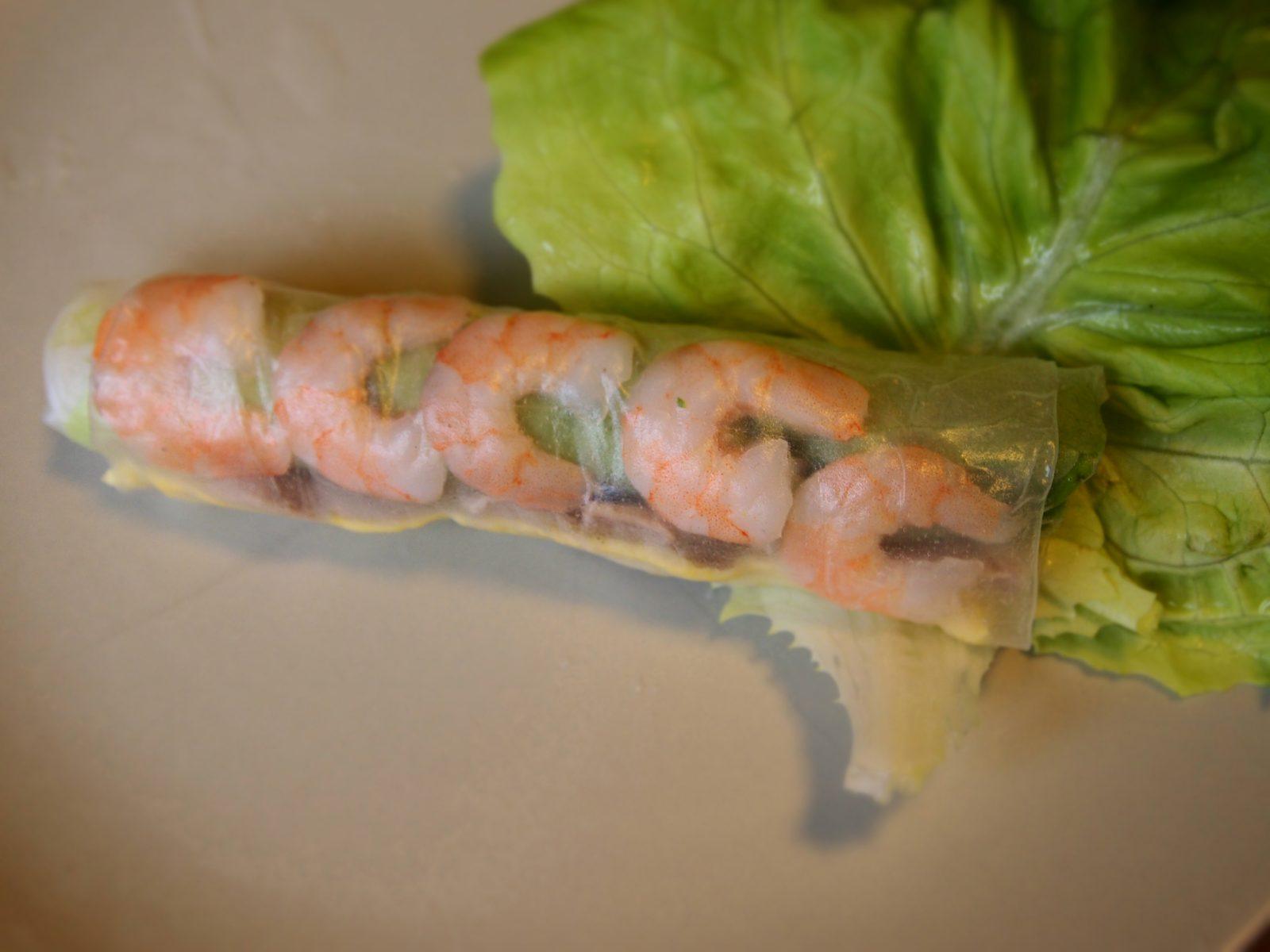
Goi cuon, often called a fresh spring roll or summer roll, is assembled cold and never cooked: softened rice paper wrapped around cooked shrimp or pork, rice vermicelli, lettuce, and fresh herbs, then dipped in a peanut or fish-sauce-based sauce. Cha gio is the fried version, a rice-paper roll packed with minced pork, wood ear mushroom, glass noodles, and egg, deep-fried until crisp and served hot, usually wrapped in lettuce and herbs before dipping into a sweet-sour fish sauce called nuoc cham. The two rolls share a wrapper material and a dipping-sauce habit, but almost nothing else about how they are made or eaten.
| Goi Cuon (Fresh) | Cha Gio (Fried) | |
|---|---|---|
| Cooking method | No cooking, assembled cold | Deep-fried until golden and crisp |
| Typical filling | Cooked shrimp or pork, herbs, rice noodles, lettuce | Minced pork, wood ear mushroom, glass noodles, egg |
| Served | Cold, right after rolling | Hot, straight from the fryer |
| Dipping sauce | Peanut sauce or a light fish-sauce dip | Nuoc cham (sweet-sour fish sauce) |
| Northern Vietnam name | Nem cuon | Nem ran |
| Calories, roughly | Lower, mostly raw vegetables and lean protein | Higher, due to the deep-frying oil |
TTC Verdict: Order both if the menu has them. Goi cuon is the better choice on a hot afternoon or if you want something lighter, while cha gio is the better starter for a bigger meal, especially wrapped fresh-out-of-the-fryer in a piece of lettuce the way it is meant to be eaten.
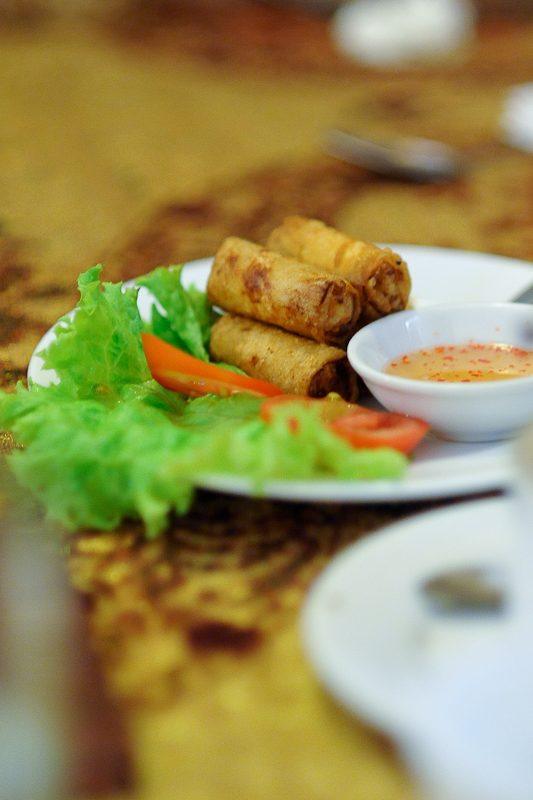
Cha Gio: amrufm / CC BY 2.0
Why the Names Change Between North and South Vietnam
Vietnam’s regional dialects split on spring roll names the same way they split on many food words. In the north, including Hanoi, the fresh roll is usually called nem cuon and the fried roll nem ran. In the south, including Ho Chi Minh City, the same two rolls go by goi cuon and cha gio, the names that have become the standard English-menu terms internationally, largely because most Vietnamese restaurants outside Vietnam were opened by southern Vietnamese immigrants and refugees. Central Vietnam, including Hue and Hoi An, tends to follow the southern naming pattern but with its own version of the dipping sauce, often built on a thinner, less sweet fish sauce base. Regional sauce variations against a current source if this detail matters for your draft, since home-cook and regional accounts vary.
Which Should You Order?
Neither roll is objectively better, and most Vietnamese menus assume you will order both rather than choosing one. Goi cuon works well as a light starter, a snack between meals, or something to order alongside a heavier noodle soup like pho or bun bo hue. Cha gio is a stronger fit as a shared starter at the start of a bigger meal, or as a side dish with a bowl of broken rice like com tam. If you are building out a full day of eating in Ho Chi Minh City or Hanoi, ordering one of each at your first meal is a reasonable way to figure out which one you will keep reaching for.
Yes. Summer roll is simply the more common English name for goi cuon in many Western countries, referring to the same uncooked, rice-paper-wrapped roll filled with shrimp or pork, herbs, and rice noodles.
Goi cuon is generally the lighter option, since it is not fried and is built mostly from lean protein, rice noodles, and raw vegetables. Cha gio, being deep-fried, is higher in fat and calories, though it is typically eaten in smaller portions as a starter rather than a full meal.
Yes, many restaurants offer a shrimp or seafood version of cha gio alongside the classic pork filling, and some regions favor a shrimp-forward version by default. It is worth asking, since menus do not always list every filling option.