
Quy Nhon Travel Guide: Everything to Know Before You Go
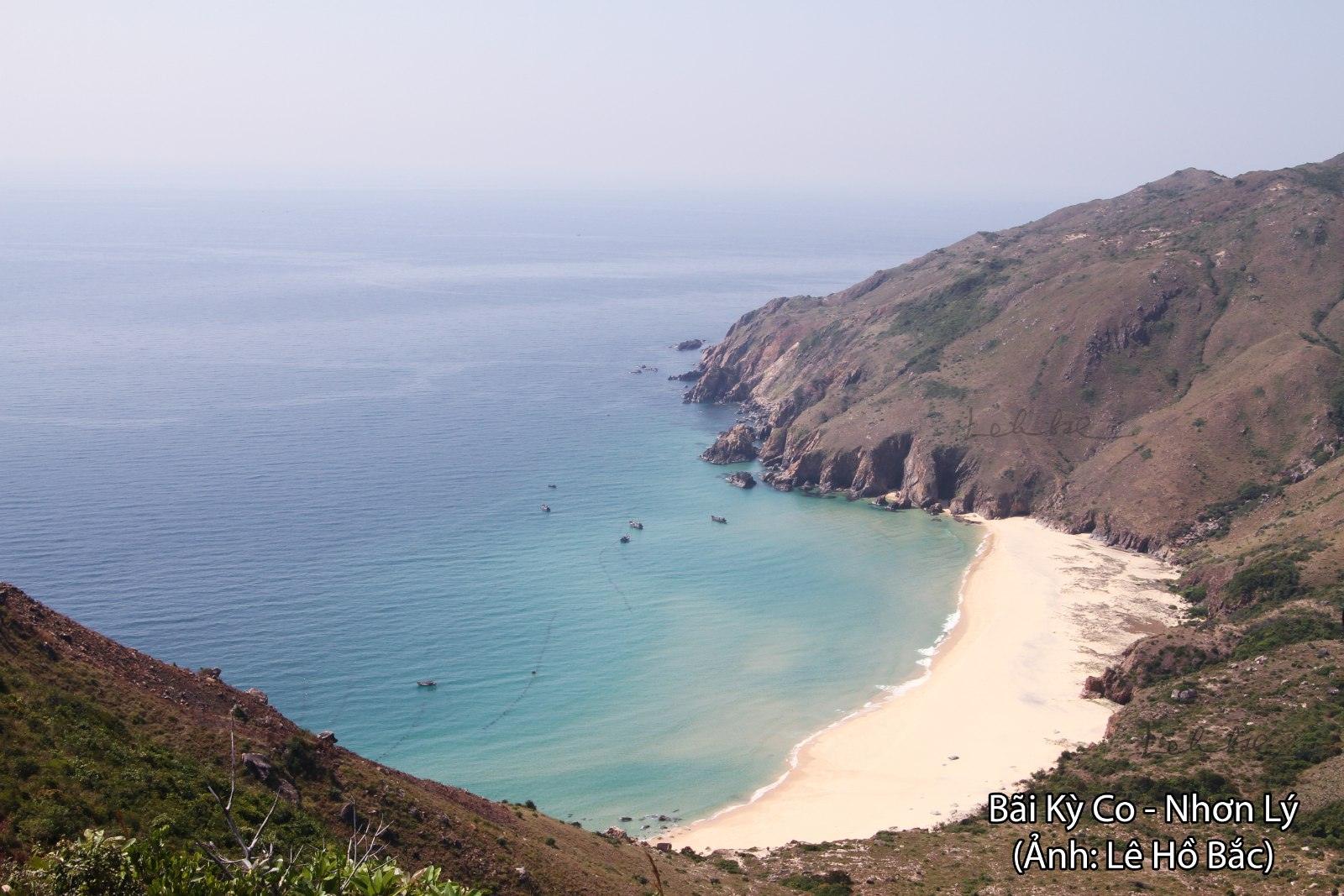
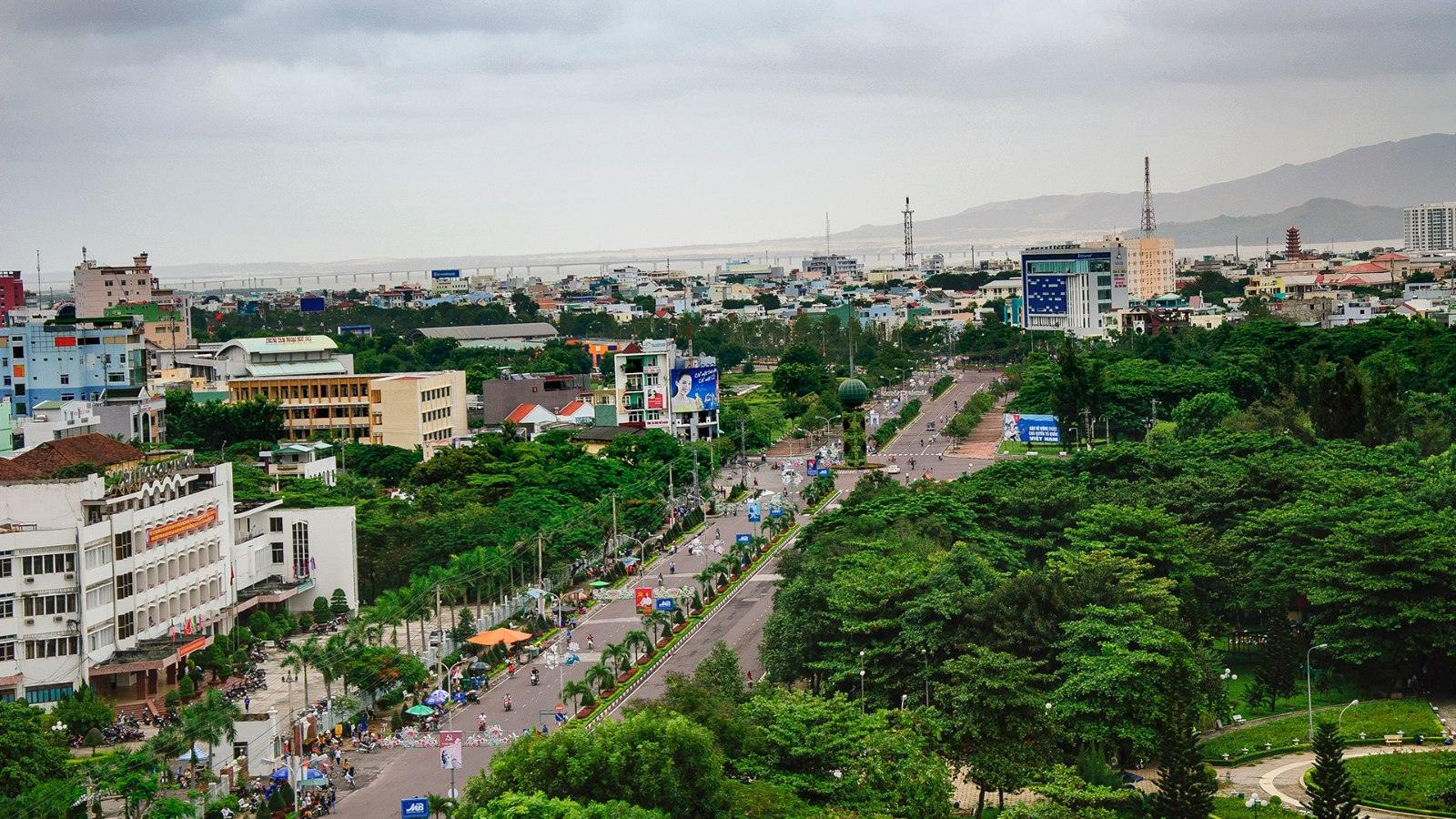
Quy Nhon is a beach city on Vietnam’s south-central coast, roughly halfway between Hoi An and Nha Trang, built around a long crescent bay backed by the Truong Son mountains. It draws a fraction of the tourist traffic that Da Nang or Nha Trang see, which is exactly the appeal: empty coves like Ky Co and Eo Gio, a working fishing-port waterfront, and a genuine five-star anchor in Anantara Quy Nhon Villas that signals where the destination is headed next.
What Is Quy Nhon, and Why Do People Go?
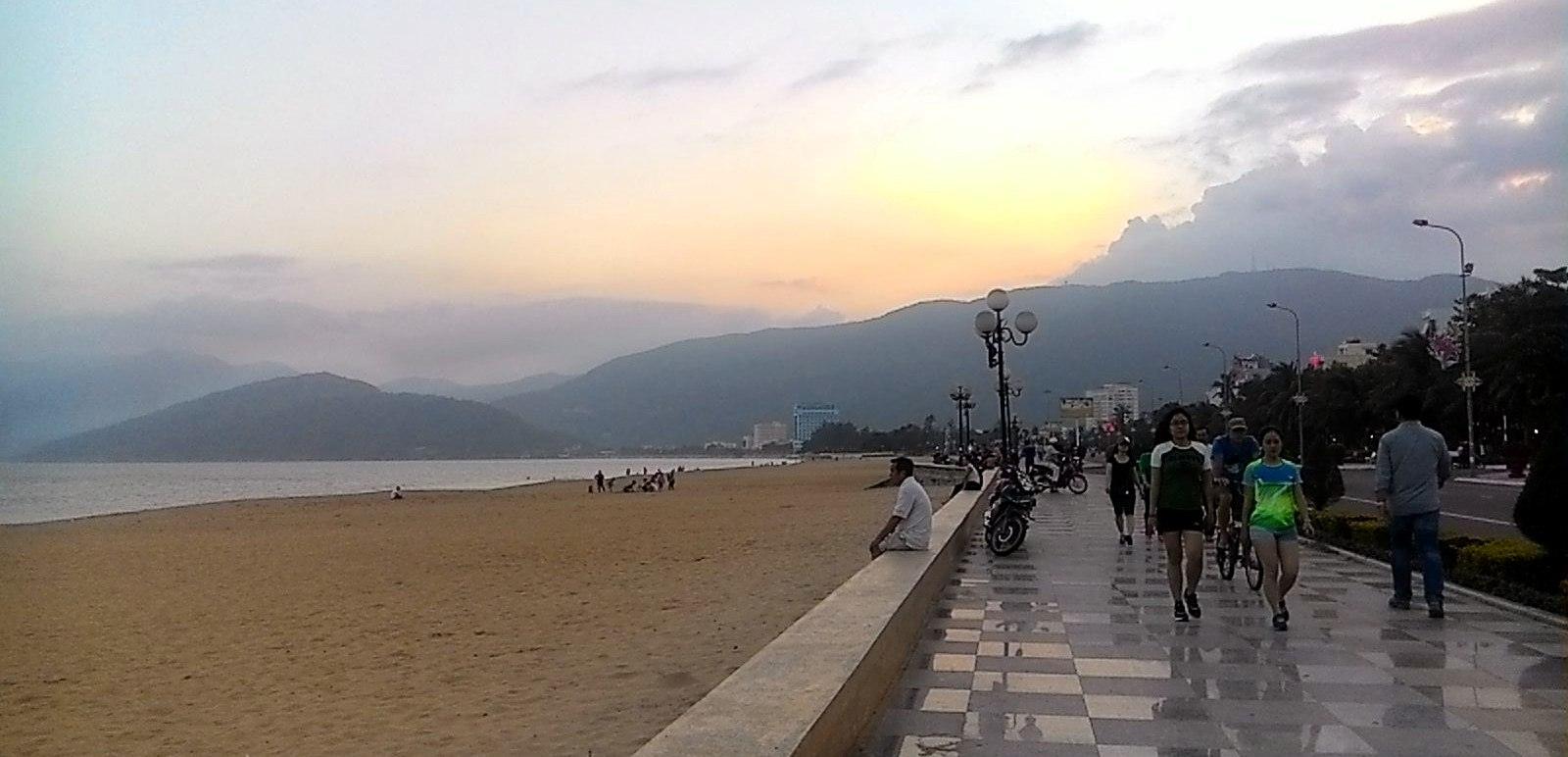
Quy Nhon is the capital of Binh Dinh province — a low-key beach city where the coastline still looks the way Nha Trang’s did two decades ago. Travelers go for the dramatic granite-and-turquoise coves north of the city (Ky Co, Eo Gio), a walkable 4.5km city beach with almost no vendor hassle, and a handful of real Cham-era towers (Thap Doi) sitting a few minutes from downtown (open roughly 7 to 11:30am and 1:30 to 5:30pm daily, with a modest entrance fee around 10,000 VND). It’s not a nightlife destination or a shopping destination — it’s a slow-down beach stop for travelers connecting the central coast who want a genuine break from crowds.
Getting to Quy Nhon
Phu Cat Airport (UIH) sits about 30km north of the city and has direct flights of roughly an hour from both Hanoi and Ho Chi Minh City on Vietnam Airlines, Vietjet, and Bamboo Airways, with multiple daily flights on each route. A taxi or pre-booked transfer into the city takes 30-40 minutes. Overland options exist but eat a full day: buses from Ho Chi Minh City run 11-13 hours, and the Reunification Express stops at Dieu Tri station, about 10km from downtown, on its Hanoi-HCMC route.
Booking the Dieu Tri train or a private Phu Cat airport transfer ahead of time is worth it in peak season, when same-day options sell out.
| If You Want… | Visit | Why |
|---|---|---|
| Calm seas for swimming and diving | March – August | Dry season, minimal wind, clearest water at Ky Co and Cu Lao Xanh |
| To avoid the wet season entirely | Skip October – December | Central Vietnam’s storm season — heavy rain and rough surf are common |
| Fewer domestic tourists | Weekdays, any month Mar–Sep | Vietnamese weekenders from nearby cities fill the beach on weekends |
| The best overall balance | April – June | Reliable sun, warm water, before the hottest and most humid stretch of summer |
“Quy Nhon rewards travelers who want the coastline without the crowd — go for Ky Co and the Nhon Ly peninsula, stay for how empty the beach still is at 9am.”
How Many Days Do You Need?
3 to 4 days covers Quy Nhon properly: one day for the city beach and Ghenh Rang, one full day for Ky Co Beach and Eo Gio on the Nhon Ly peninsula, and a third for either Cu Lao Xanh island or a slower day at Bai Xep. Long-haul travelers from the US, Canada, or Australia should treat Quy Nhon as a 3-4 night stop inside a longer central-Vietnam route (Hoi An/Da Nang to the north, Nha Trang to the south) rather than a standalone destination — see our Quy Nhon vs. Nha Trang comparison for how to choose between them if time is tight.
Quy Nhon’s accommodation range now stretches from budget guesthouses to a genuine international five-star: Anantara Quy Nhon Villas. See our full Where to Stay in Quy Nhon guide for every area.
Yes, especially if you’ve already seen Da Nang or Nha Trang and want a quieter version of the same central-Vietnam beach experience — Quy Nhon’s coves (Ky Co, Eo Gio) are less developed and far less crowded.
The fastest way is a roughly 1-hour flight connecting through Hanoi or HCMC is impractical for this route — there is no direct flight between Da Nang and Phu Cat Airport, so most travelers coming from Da Nang take the overnight train or bus down the coast (roughly 6 to 7 hours) or connect through Hanoi or Ho Chi Minh City.
Yes — Quy Nhon sees very little tourist-targeted crime. Ordinary precautions (watch belongings on the beach, use officially marked taxis) are enough.





5 Comments