
Moc Chau Travel Guide: Tea Hills, Dairy Farms, and a Weekend from Hanoi
Everything you need to plan a trip to Moc Chau: tea hills, the Bach Long Glass Bridge, dairy farms, blossom season timing, and how to get there from Hanoi.
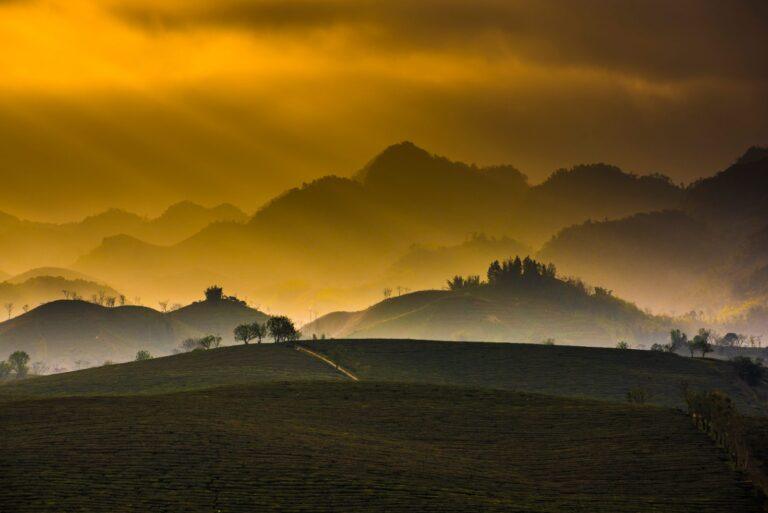
Everything you need to plan a trip to Moc Chau: tea hills, the Bach Long Glass Bridge, dairy farms, blossom season timing, and how to get there from Hanoi.
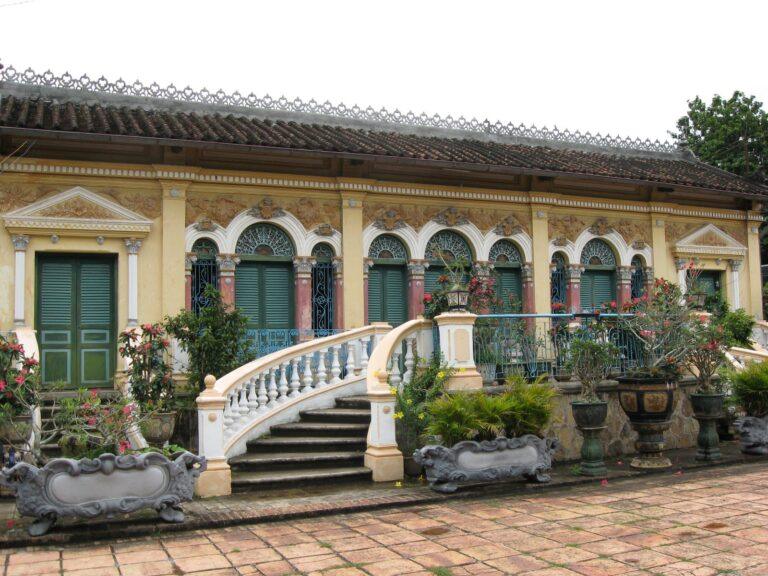
Can Tho’s essential experiences are almost all water- or river-adjacent: an early boat trip to the Cai Rang floating market, a walk along Ninh Kieu wharf, a visit to the Binh Thuy Ancient House, and, if you have a second day, a trip out to the Bang Lang Stork Garden. None of these require more…
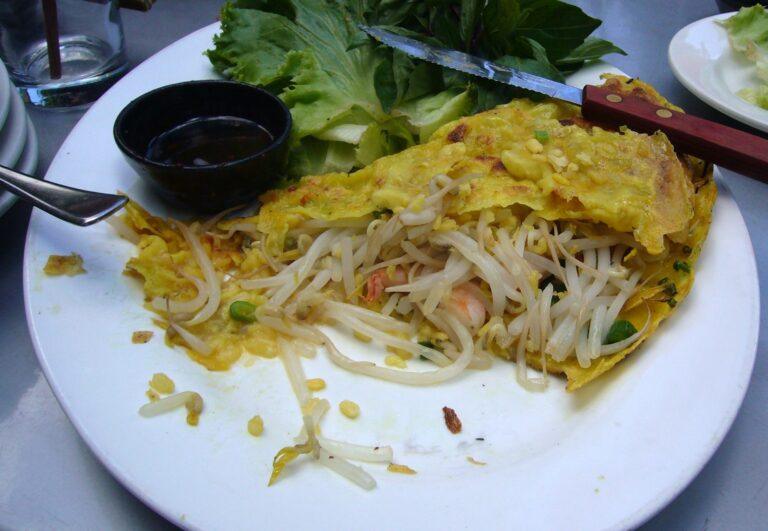
Can Tho’s food scene runs on what the Mekong Delta grows and fishes — rice, coconut, freshwater fish, and a wide range of fresh produce sold straight off the boats at Cai Rang. The two dishes most associated with the city are banh xeo (a large, crispy turmeric crepe) and banh cong (a smaller deep-fried…
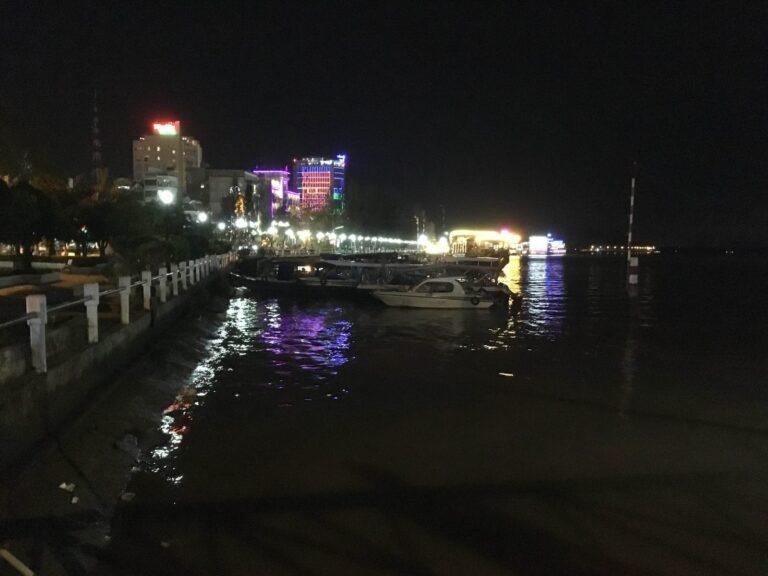
Most travelers should stay near Ninh Kieu wharf in central Can Tho — it puts you within walking distance of the riverside promenade and restaurants, and close to where floating-market boats depart early in the morning. A smaller number of travelers choose a riverside resort just outside the center for a quieter, more scenic stay,…
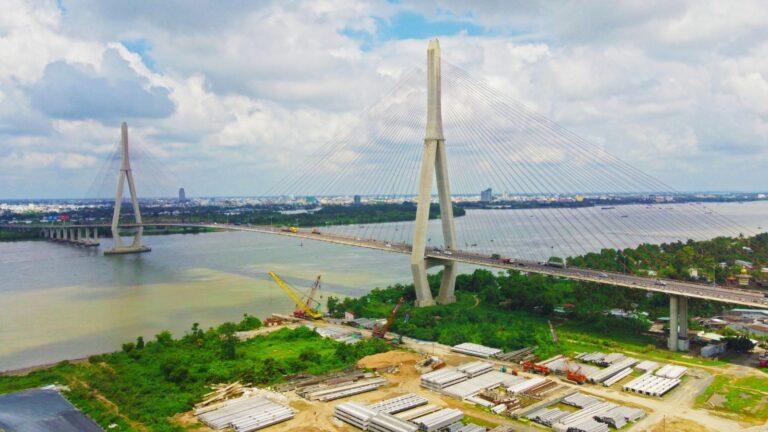
The right Can Tho itinerary comes down to one decision: whether you can spare a night in the city or not. One night is enough to see the Cai Rang floating market at its genuine best and take in Ninh Kieu wharf and the Binh Thuy Ancient House. Two nights adds a slower canal trip…
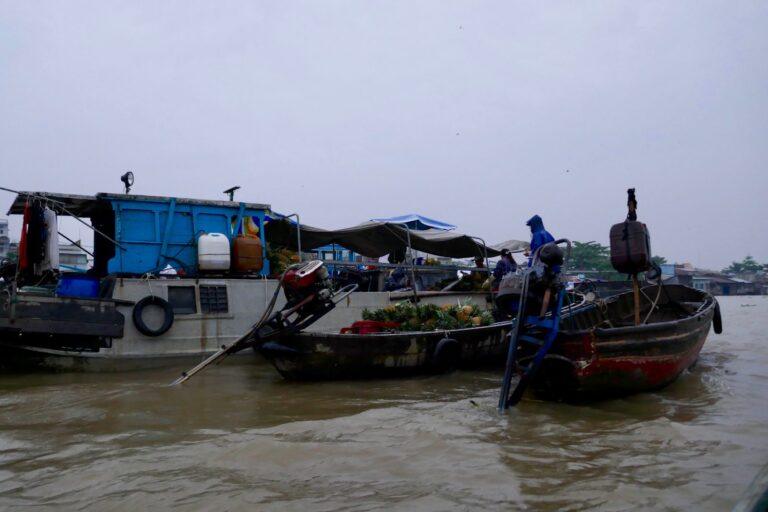
Can Tho is the largest city in the Mekong Delta and the region’s main travel hub, best known for the Cai Rang floating market and its riverside setting on the Hau River. It is not a beach or a resort town; it is where you go to see rural Mekong Delta life up close, on…
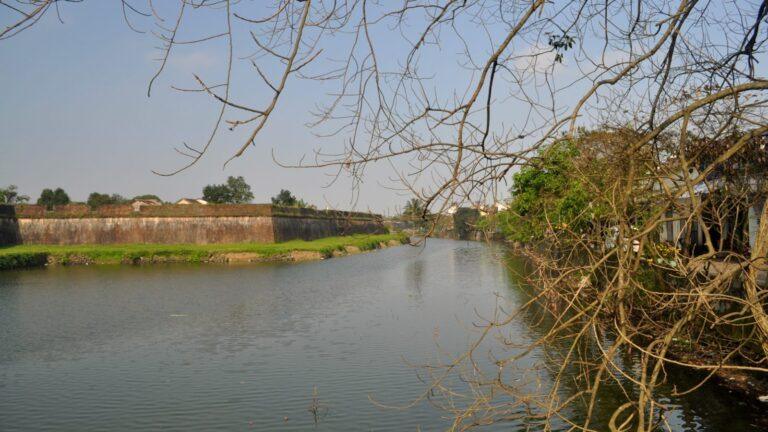
Hue and Hoi An sit about 2.5-3 hours apart on Vietnam’s central coast, and travelers short on time often have to choose between them. Hue is imperial history and royal-tomb architecture; Hoi An is a lantern-lit ancient trading town with tailoring, cafes, and a nearby beach. If you can fit both, they complement each other…
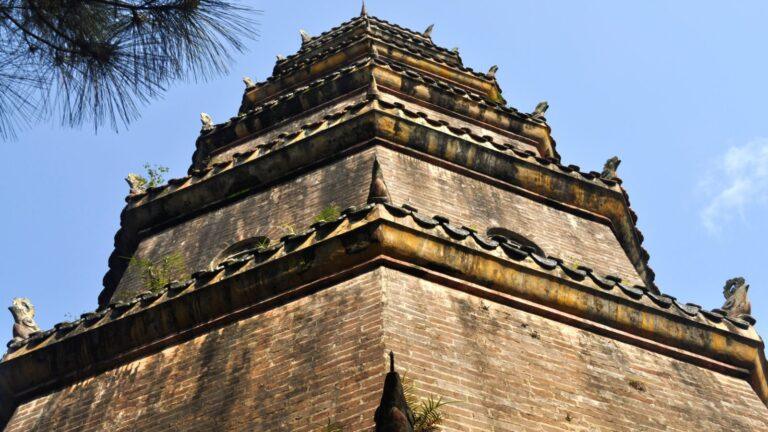
Hue’s essential experiences are the Imperial City, the royal tombs outside town, Thien Mu Pagoda on the Perfume River, and, for history-focused travelers, a day trip to the former DMZ. Together they make Hue the most history-dense stop on a typical Vietnam itinerary. The Imperial City Must-See #1 Khai Dinh + Tu Duc Tombs Must-See…
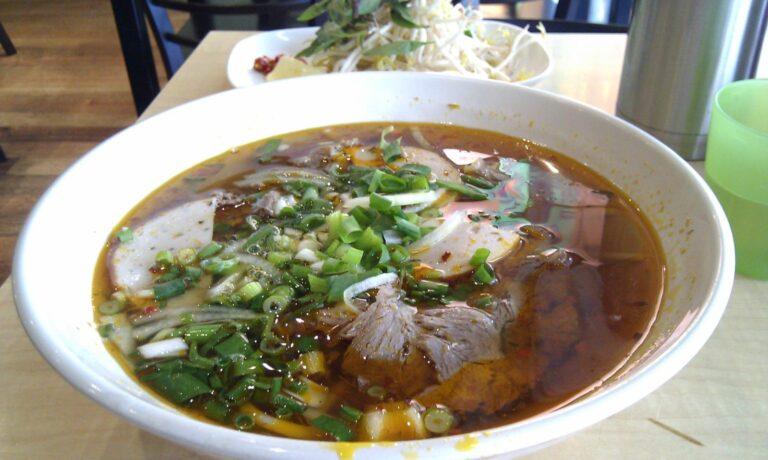
Hue has its own distinct food identity, shaped by centuries as an imperial capital: small, elaborately arranged royal-court dishes alongside a much spicier, heartier street-food tradition than you will find in Hanoi or Ho Chi Minh City. Bun bo hue, the city’s signature noodle soup, is the headline dish, but it is only the start….
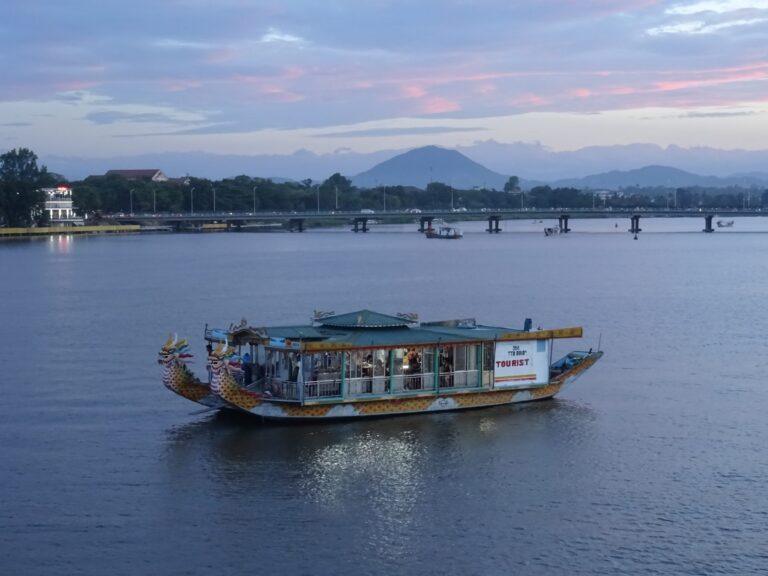
Where you stay in Hue comes down to one choice: the riverside area near the Imperial City, walkable to the Citadel and the city’s best food, or a boutique riverside resort a short drive out of the center. Both work well; the difference is whether you want to walk everywhere or have a quieter, more…