
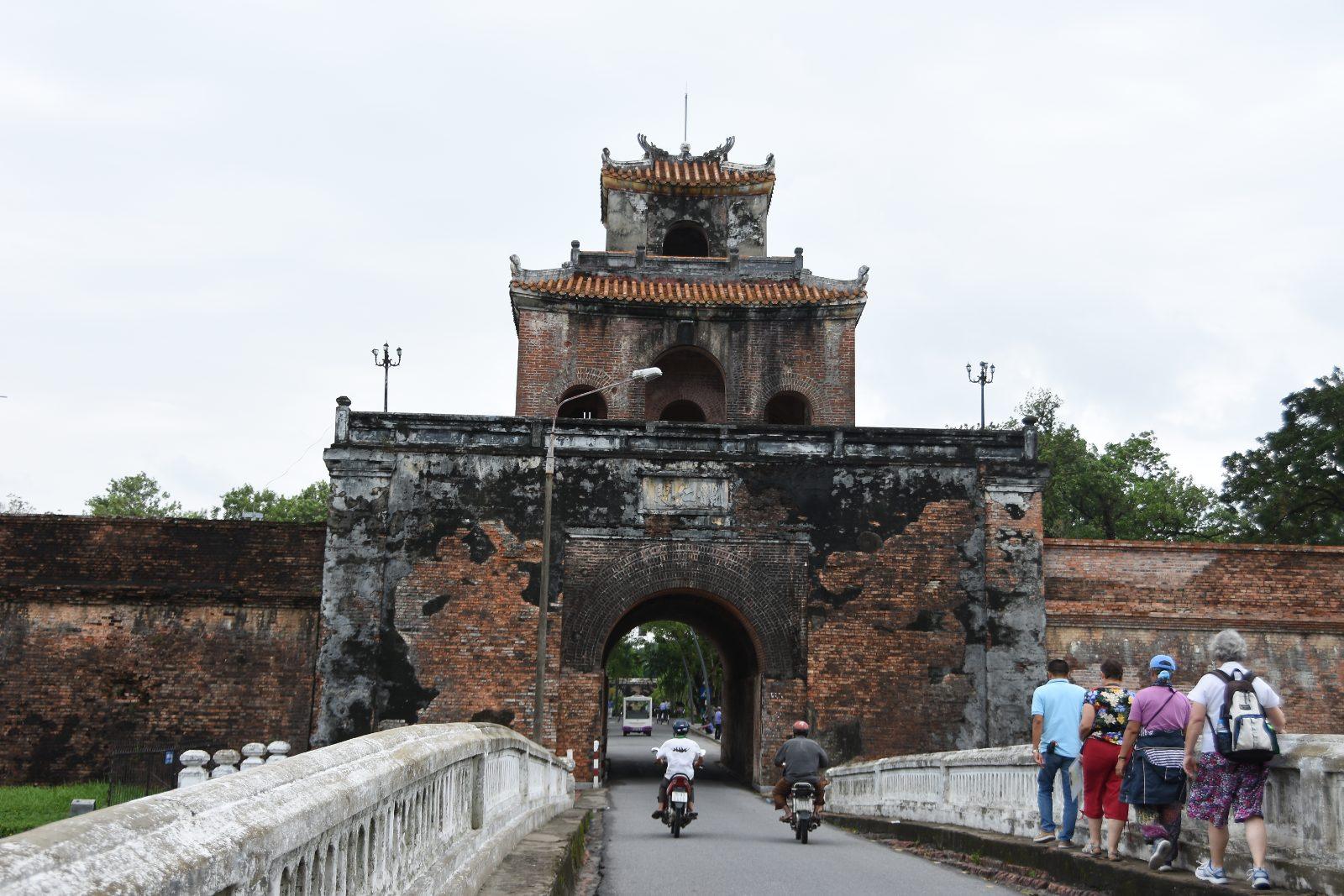
Hue Travel Guide: Vietnam’s Imperial Capital
Hue was Vietnam’s imperial capital for over a century, and it is the one stop on a Vietnam itinerary built entirely around history rather than beaches or nightlife. The walled Imperial City, a string of elaborate royal tombs outside town, and a distinct royal-court cuisine make it worth a dedicated stop, not just a rushed day trip squeezed between Da Nang and Hoi An. This guide covers what to see, how long to stay, and how to get there.
Is Hue Worth Visiting on a Vietnam Trip?
Yes, if history and architecture matter to your trip at all. Hue was the seat of the Nguyen Dynasty, Vietnam’s last royal dynasty, from 1802 to 1945, and the walled Imperial City plus the royal tombs scattered in the countryside outside town are unlike anything else on a typical Vietnam itinerary. It pairs naturally with Da Nang and Hoi An since all three sit within about an hour of each other along the central coast.
| Option | Time Needed | Best For | Trade-off |
|---|---|---|---|
| Day trip from Da Nang or Hoi An | 1 day | Short on time, want the Imperial City highlights | Rushed, skips most royal tombs |
| 1-night stay in Hue | 1-2 days | Imperial City plus 1-2 royal tombs | Still tight if you want the DMZ or Perfume River cruise too |
| 2-night stay in Hue | 2-3 days | Imperial City, multiple tombs, food, and a river cruise | Longer overall Vietnam itinerary needed |
TTC Verdict: TTC Verdict: A rushed day trip from Da Nang or Hoi An covers the Imperial City but skips almost everything else Hue is known for. One overnight is the minimum to see a royal tomb or two without racing the clock.
What Is There to See in Hue?
The Imperial City (a walled citadel modeled on Beijing’s Forbidden City) is Hue’s centerpiece, entered through the ornate Ngo Mon Gate. Outside town, the royal tombs, especially Khai Dinh (ornate, part-European) and Tu Duc (a peaceful landscaped complex), are elaborate mausoleums built by Nguyen emperors during their own lifetimes. Thien Mu Pagoda, on a bend of the Perfume River, is Hue’s most iconic religious site.
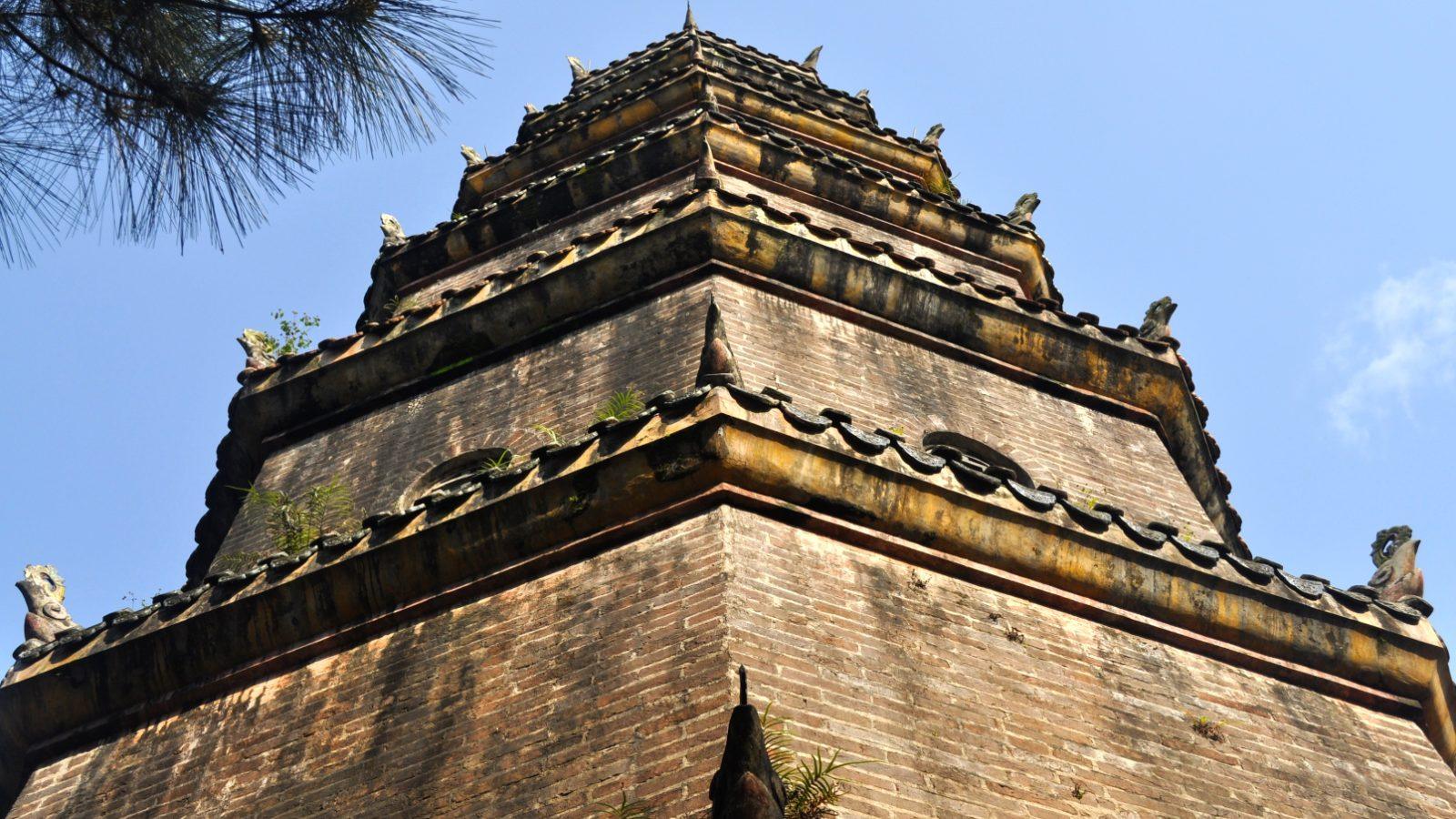
Thien Mu Pagoda: David McKelvey / CC BY 2.0
How Do You Get to Hue?
Most travelers arrive by train from Da Nang, a roughly 2.5-3 hour ride that crosses the Hai Van Pass, widely considered one of the most scenic rail routes in Vietnam. Hoi An has no train station, so travelers coming from there connect via Da Nang or take a direct car/bus transfer (about 2.5-3 hours by road). Hue also has its own airport (Phu Bai International) with domestic flights from Hanoi and Ho Chi Minh City. Confirm current train schedules and fares before booking.
Yes, especially for travelers interested in history and architecture. Hue was Vietnam’s imperial capital and has a walled Imperial City plus a set of elaborate royal tombs unlike anything else on a typical Vietnam route.
One overnight is the minimum to see the Imperial City and a royal tomb or two without rushing. Two nights allows time for multiple tombs, a Perfume River cruise, and the city’s distinct royal-court cuisine.
By train, about 2.5-3 hours, crossing the scenic Hai Van Pass. Hoi An connects via Da Nang or a direct car/bus transfer of similar length.





One Comment