Pai Travel Guide: Getting There, Top Sights, and When to Go
Pai is a small mountain town in Mae Hong Son Province, roughly a three-to-four hour drive northwest of Chiang Mai along a famously winding road, and it has built its reputation on a laid-back, nature-first pace that feels completely different from Chiang Mai’s old-city bustle. Most travelers add Pai on as a two-to-four night extension to a Chiang Mai trip, splitting time between canyon viewpoints, waterfalls, hot springs, and a walkable night market strip.
How Do You Get from Chiang Mai to Pai?
The road from Chiang Mai to Pai is the whole story for most travelers: it climbs through mountain switchbacks for roughly three to four hours. A sticker sold in Pai’s shops famously claims the route has exactly 762 curves, a figure that traces back to a personal travel memoir rather than any official survey — Highway 1095’s own Wikipedia entry instead describes the road as having over 2,000 curves. Shared minivans are the most common way to make the trip, running several times a day and taking passengers door-to-door between guesthouses in both towns.
Self-driving a rented motorbike is popular with more experienced riders who want to stop at viewpoints along the way, but the road’s blind curves and steep drops cause regular accidents among inexperienced riders, so it is worth being honest about your comfort level before choosing two wheels over a minivan seat. A seasonal small-plane service used to connect Chiang Mai and Pai in about 25 minutes, but the operator (Kan Air) stopped flying the route in 2017 and Pai currently has no scheduled commercial air service — budget for the overland route by minivan, car, or motorbike. Check routes and fares on 12Go.
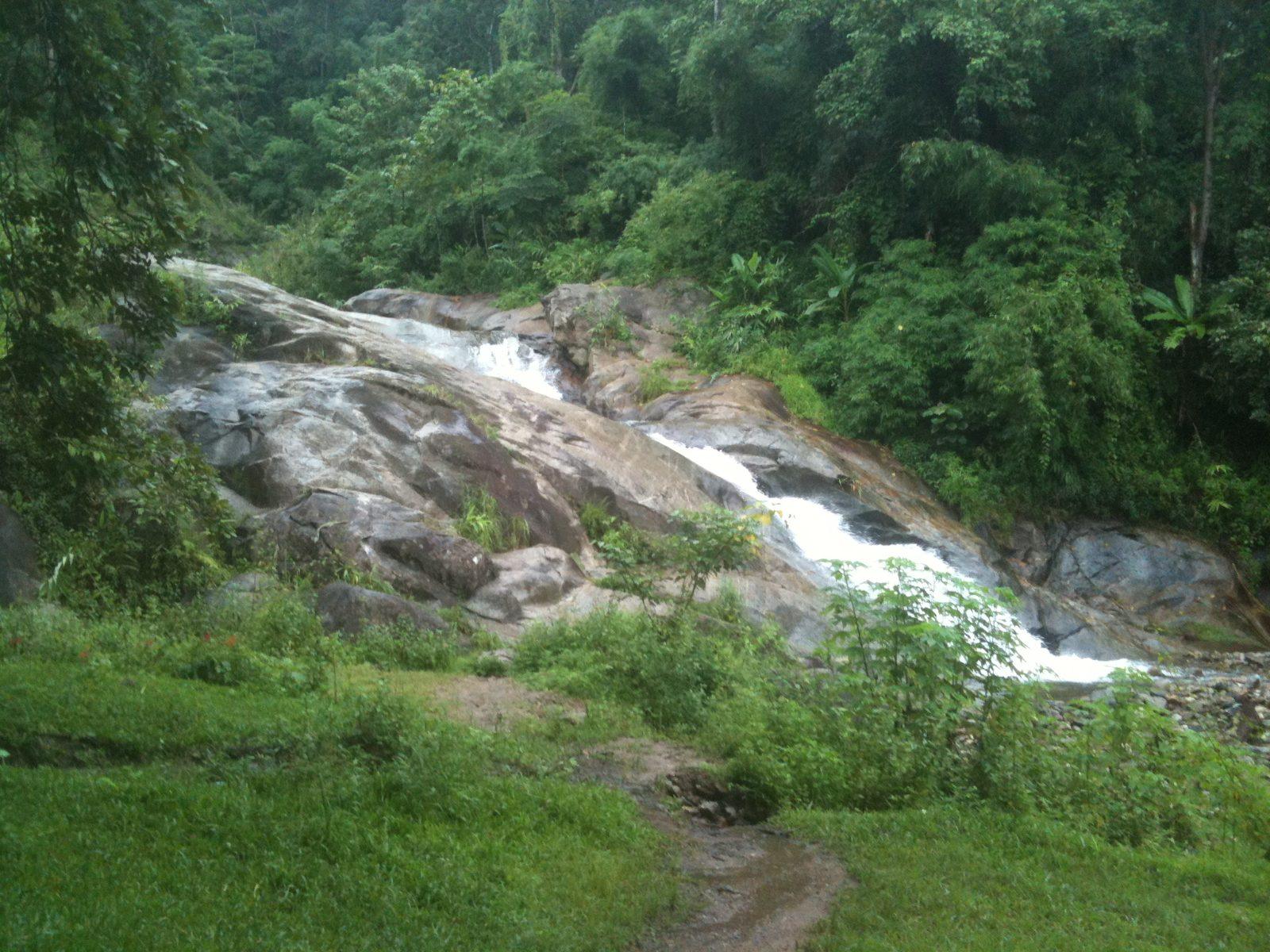
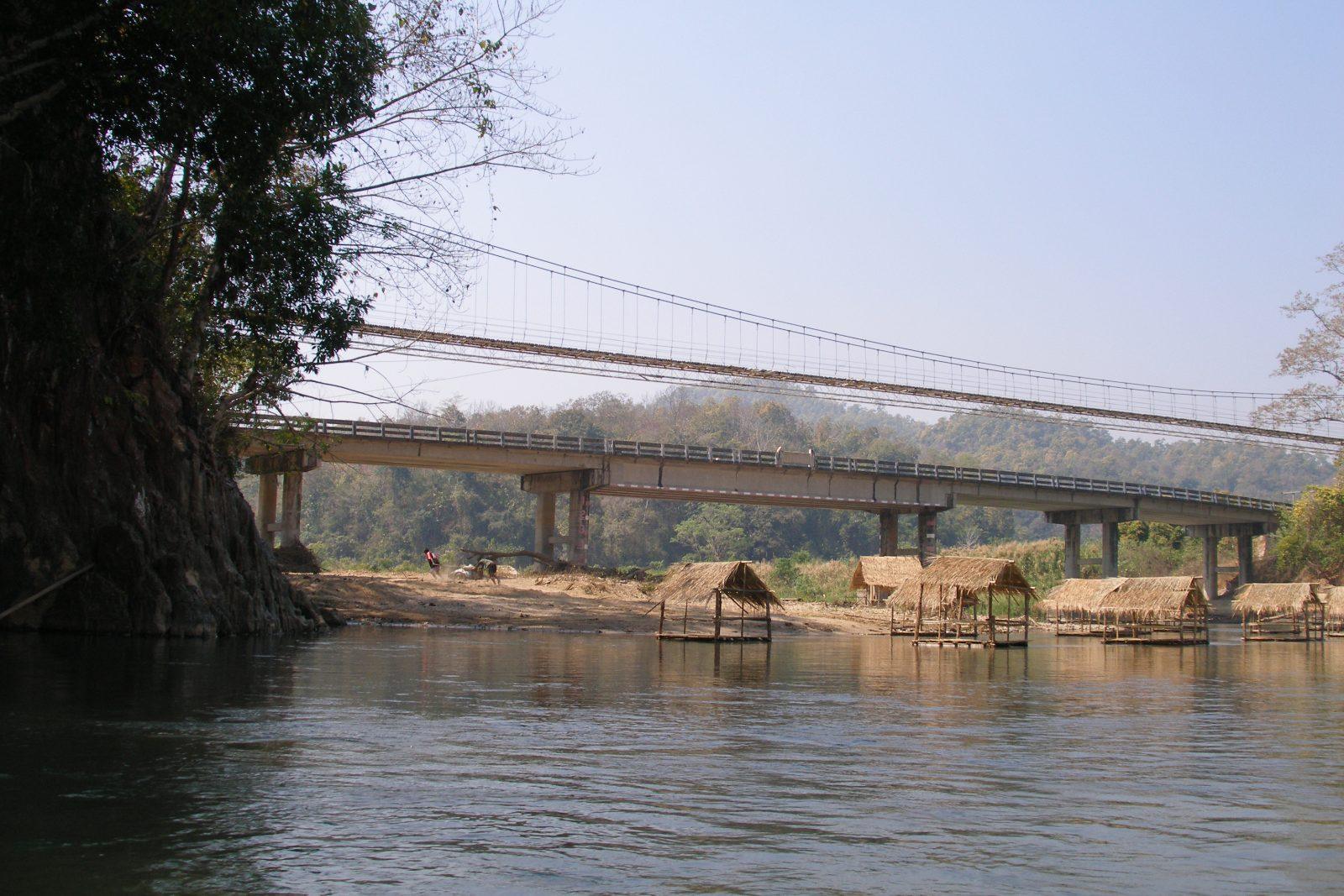
Mo Paeng Waterfall, Pai: -1g / CC BY-SA 3.0 · Bridge over the Pai River: Vyacheslav Argenberg / CC BY 4.0
What Are the Best Things to Do in Pai?
Pai’s main draws are outdoors and low-key: a canyon with narrow ridge-top walking trails, several waterfalls for swimming, natural hot springs, and a compact walking-street night market that fills up every evening. Most of the well-known sights sit along a loop a few kilometers outside the town center, which is why renting a scooter for a day is the most common way to see them.
| Attraction | What It Is | Good For |
|---|---|---|
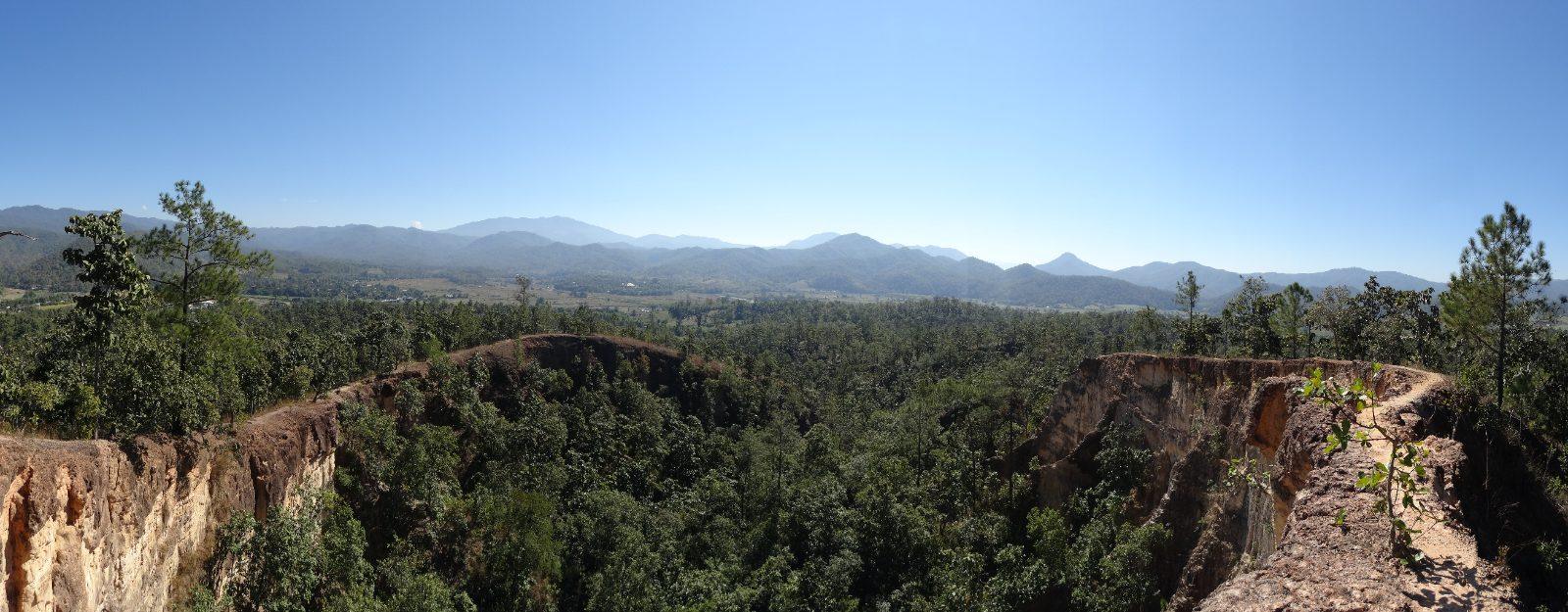
| Pai Canyon | Narrow red-clay ridge trails with valley views | Sunset, short hikes |
| Mo Paeng Waterfall | Tiered waterfall with natural rock slides | Swimming, families |
| Pai Hot Springs | Natural geothermal pools outside town | Relaxing, rainy-season visits |
| Pai Walking Street | Nightly night market in the town center | Food, shopping, evenings |
TTC Verdict: Add Pai to your trip if you want a slower, nature-focused break after Chiang Mai’s city pace. Budget at least two full days to make the winding drive worthwhile. Skip it if motion sickness on mountain roads is a dealbreaker, or if your Thailand trip is already tightly scheduled.
Pai is best added when you have at least four or five total days split between the two towns, since the drive alone takes most of a travel day each way; with only two or three days in the region, staying in Chiang Mai usually makes more sense.
The road itself is well paved but has hundreds of curves and steep sections, which makes it demanding for inexperienced scooter riders in particular; most visitors who are not confident motorbike riders take a minivan instead.
November through February brings the coolest, driest weather and the biggest crowds, while the rainy season from June through October is quieter and greener but brings a higher chance of road delays and waterfall flooding.