Ho Chi Minh City Travel Guide: Everything to Know Before Your First Trip
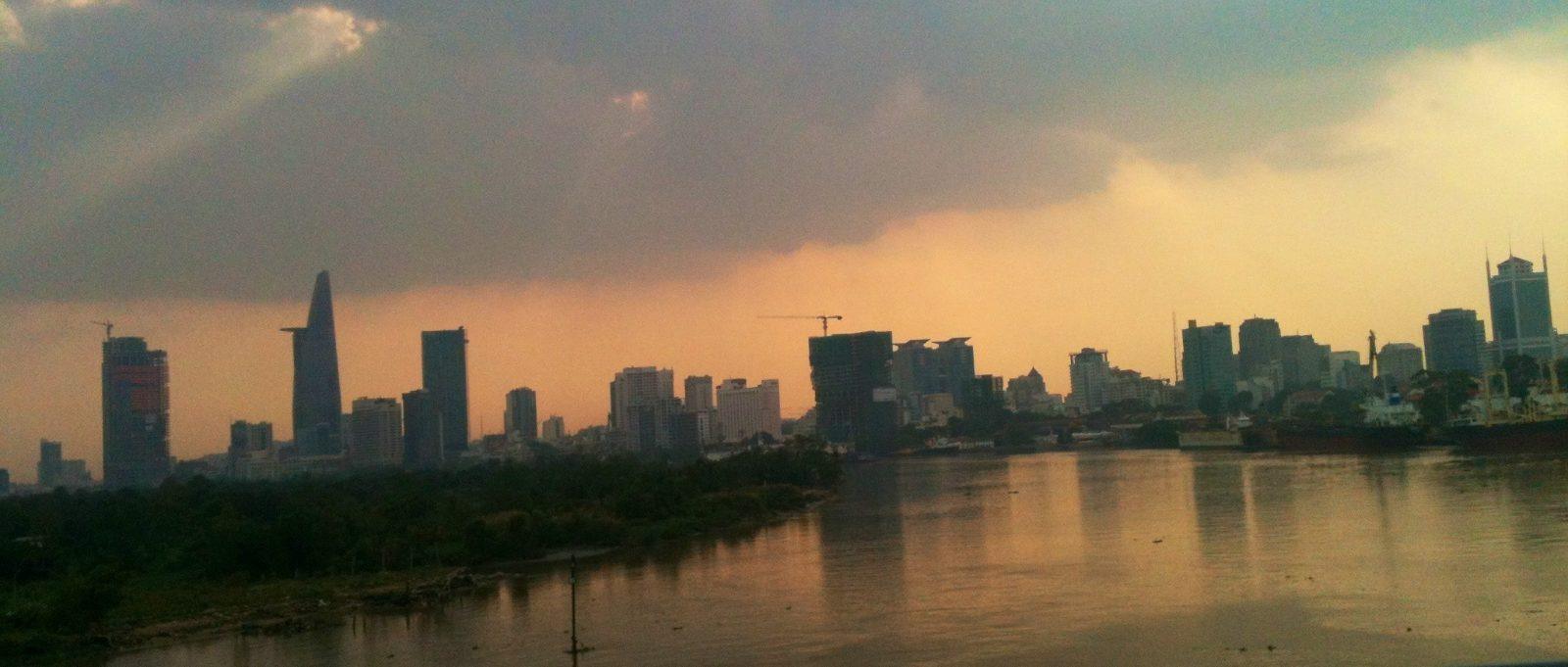
Ho Chi Minh City runs on a two-season tropical climate rather than four, and Tan Son Nhat Airport (SGN) sits inside the city itself, not a long transfer away. December through February is the most reliable weather window. This overview covers when to go, how to get there, current entry requirements, and how HCMC fits into a wider Vietnam trip via the Mekong Delta, the Cu Chi Tunnels, and onward travel up the coast or to the islands.
When Should You Visit Ho Chi Minh City?
Unlike Hanoi or Da Nang, HCMC has a tropical monsoon climate with really just two seasons — dry and wet — rather than four distinct ones. That makes the calendar simpler to plan around, even if the wet season sounds intimidating on paper.
| Season | Months | Weather | Good For |
|---|---|---|---|
| Peak Dry | December–February | ~26–31°C / 79–88°F, minimal rain | Best all-round comfort — also busiest and priciest |
| Hot Dry | March–April | ~29–35°C / 84–95°F, still low rainfall | Manageable if you handle heat well, less ideal for packed sightseeing days |
| Early Wet | May–July | Predictable afternoon thunderstorms (roughly 2–5pm) | Mornings usually dry and plannable; storms are intense but short |
| Peak Wet | August–September | Heaviest rainfall of the year | Mornings still typically dry — lower prices, fewer crowds |
| Shoulder | October–November | Rainfall tapering off | Good value, increasingly dry toward late November |
TTC Verdict: Aim for December through February for the most reliable weather. If you want lower prices and can plan sightseeing around brief, predictable afternoon downpours, June through September works well too — just build in flexible mornings rather than a packed all-day schedule.

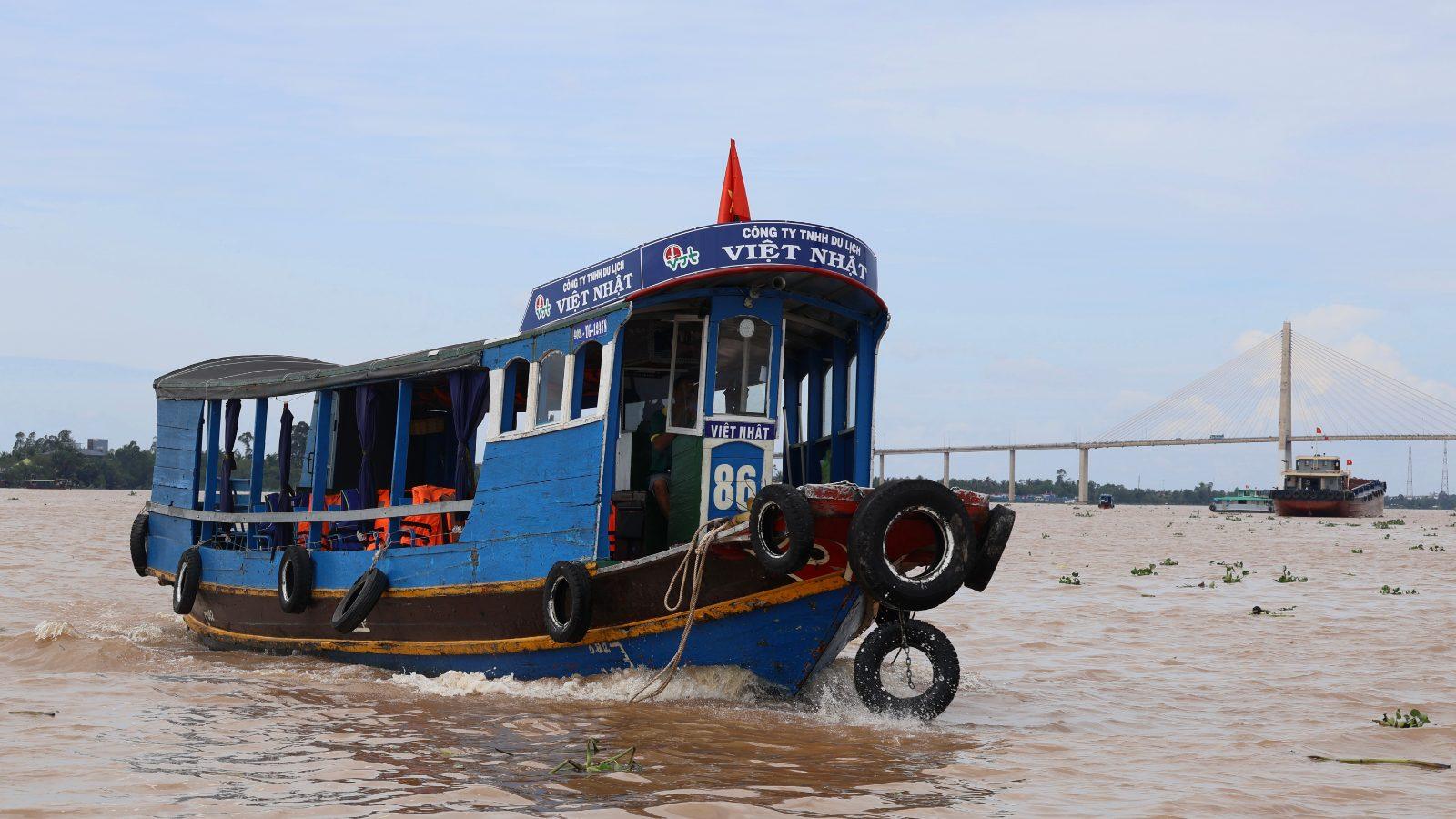
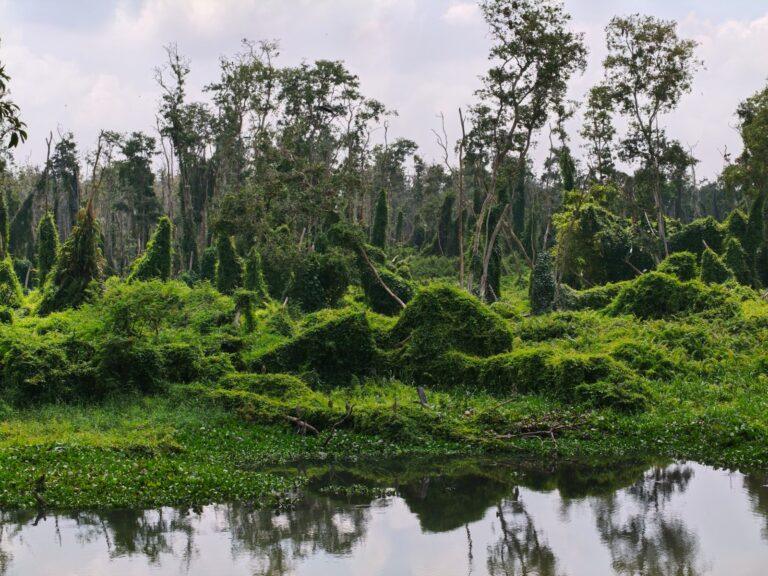
Cu Chi Tunnels: Andre Hospers / CC BY-SA 4.0 · Mekong Delta, My Tho: Yuqiao / CC BY 4.0
Getting There & Entry Requirements
Tan Son Nhat International Airport (SGN) is one of the busiest airports in Southeast Asia and sits inside Ho Chi Minh City itself. Vietnam Airlines runs the only confirmed direct US route, San Francisco to SGN, several times a week; most other US, Canadian, and Australian travelers connect through a major Asian or Middle Eastern hub. Direct-flight routes shift with the seasons, so it’s worth checking closer to your travel dates.
US, Canadian, and Australian citizens all need a Vietnam e-visa before arrival, applied for through the official government portal. Vietnam has also been rolling out a mandatory Digital Arrival Card — a separate pre-arrival online declaration, not a replacement for the e-visa — starting at Tan Son Nhat specifically on April 15, 2026, and expanding to other airports since. Check the current status directly on the official portal before you fly, since this requirement has been actively evolving.
Fitting Ho Chi Minh City Into Your Trip
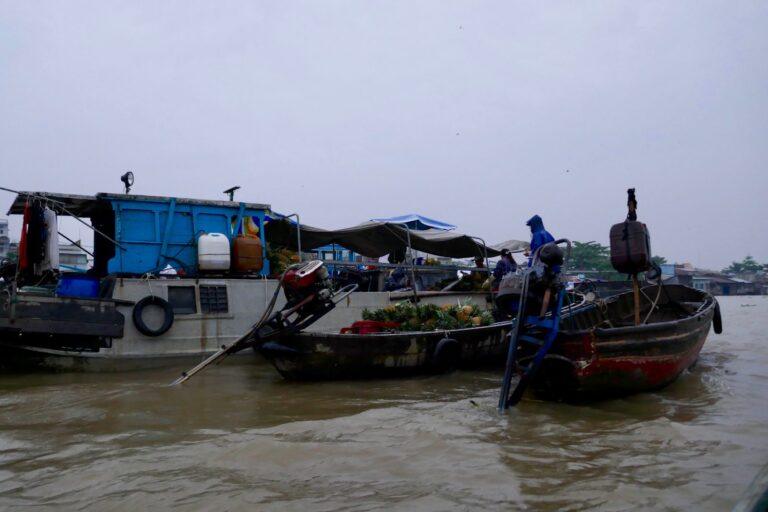
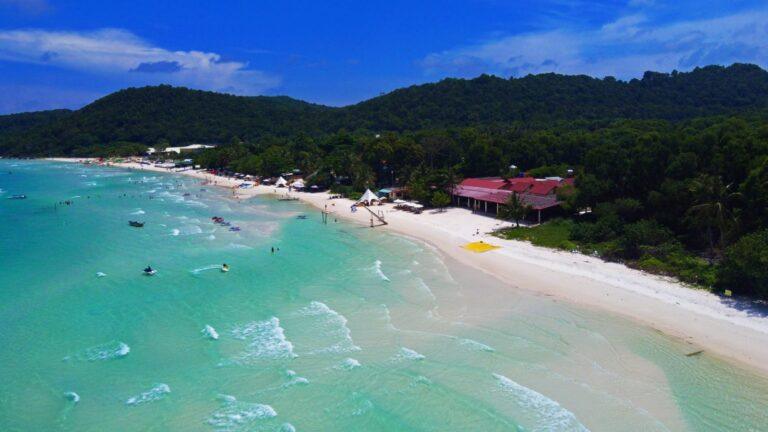
The Cu Chi Tunnels are a standard half or full-day trip from the city, and are frequently combined with a Mekong Delta day trip (usually focused on the My Tho river area) into one long, full day — though splitting them into two separate half-days is a more comfortable pace if your schedule allows. For onward travel, Phu Quoc has frequent, cheap domestic flights from SGN for a beach add-on, while Con Dao offers a quieter, less-developed island alternative. Heading up the coast, both Da Nang and Hanoi already have full guides on this site — see the links below to plan a multi-city Vietnam itinerary.
What to Do in Ho Chi Minh City
This overview focuses on logistics and trip planning — for where to stay, what to eat, the essential sights, nightlife, and what to watch out for, see the full guides linked below.
Explore More of Ho Chi Minh City
Frequently Asked Questions
December through February offers the most reliable weather — warm, dry, and comfortable. June through September brings lower prices and fewer crowds, with predictable afternoon thunderstorms rather than all-day rain.
Yes. All three nationalities need a Vietnam e-visa before arrival, and Vietnam has also rolled out a separate mandatory Digital Arrival Card starting at Tan Son Nhat Airport in April 2026. Check the official government portals for the current requirement before you fly.
Three to four days is comfortable for the city itself, including a day trip to the Cu Chi Tunnels or Mekong Delta. Add a day or two more if you want to do both day trips separately, or extend onward to Phu Quoc, Con Dao, or up the coast.