
Cao Lau: The Noodle Dish You Can Only Get in Hoi An
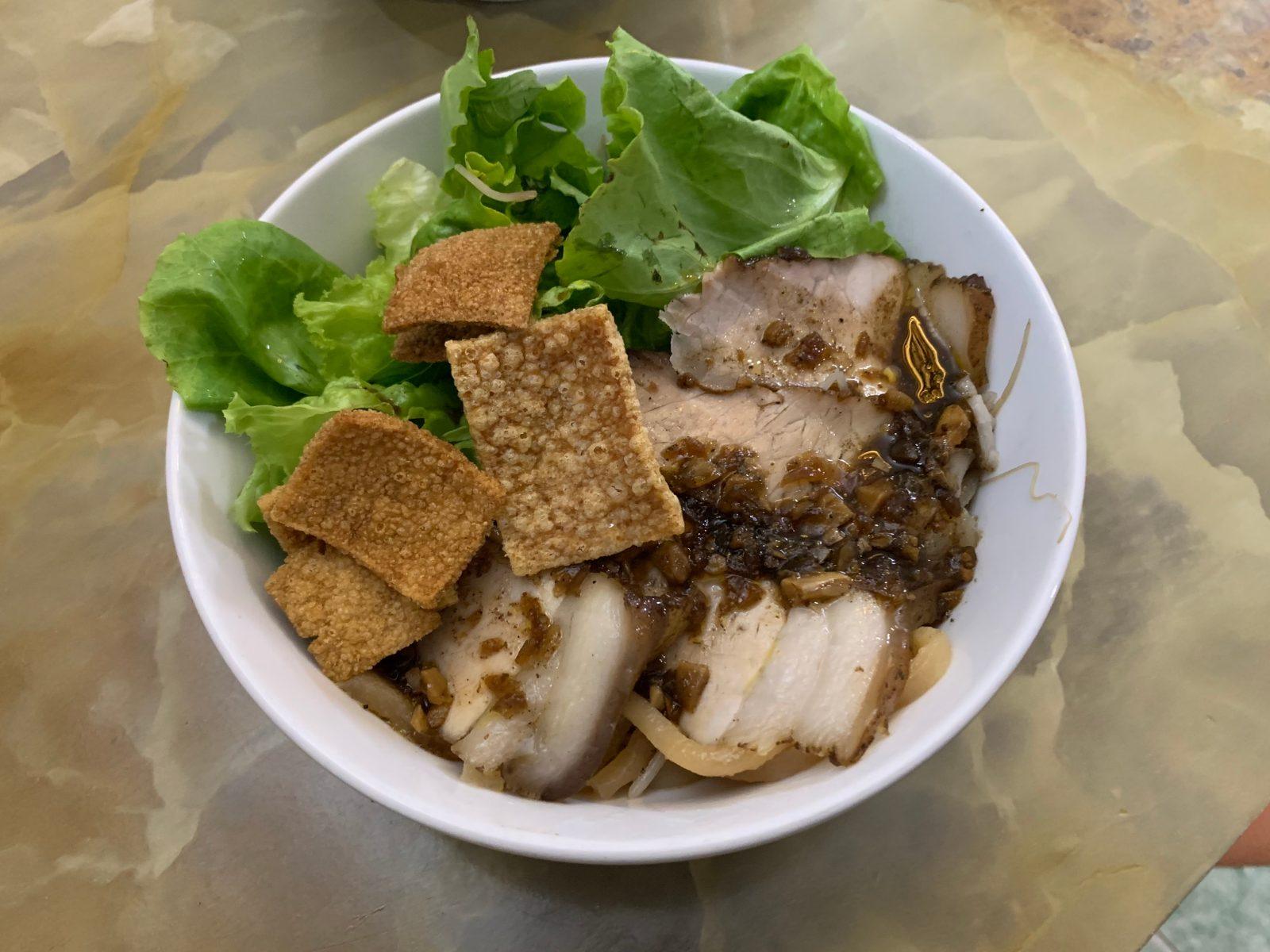
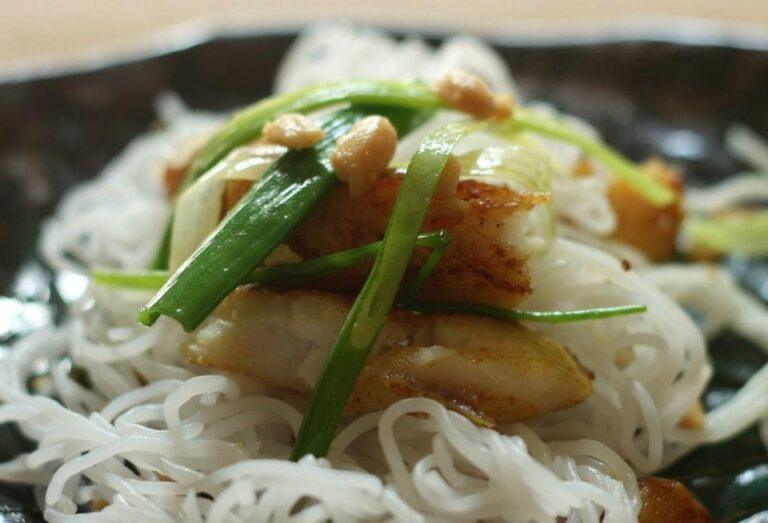
Cao lau is a Hoi An specialty built from chewy lye-water rice noodles, thin slices of marinated pork, fresh greens and herbs, and crispy fried noodle crackers, tossed with just enough broth to moisten rather than swim in soup. Locals insist it can only be made authentically in Hoi An, because tradition holds that the noodles must be soaked in water from the ancient Ba Le well using lye made from the ash of plants grown on the nearby Cham Islands. Try to recreate the exact recipe elsewhere, and most agree it never quite tastes the same.
What Exactly Is Cao Lau, and Why Is the Broth So Different From Pho?
Unlike pho or bun bo Hue, cao lau is not a soup — it uses only a small amount of broth, just enough to wet the noodles rather than fill the bowl. The base is thick, chewy rice noodles with a distinctive grayish-yellow color, topped with thin slices of marinated grilled pork, fresh lettuce and herbs, bean sprouts, and squares of deep-fried noodle dough that add a crunchy contrast. It is also typically served at room temperature rather than piping hot, which surprises first-time visitors expecting something closer to pho.
Why Do Locals Say Cao Lau Can Only Be Made in Hoi An?
Hoi An was one of Southeast Asia’s major trading ports in the 16th century, and cao lau is widely believed to have developed from that era’s Chinese and Japanese merchant communities — the noodles themselves are thought to have been introduced by a Chinese family, though their chewy texture is closer to Japanese udon. The dish’s strongest local legend, though, is about water: tradition holds that authentic cao lau noodles must be soaked and boiled using water drawn from Hoi An’s ancient Ba Le well, with lye made from the ash of plants grown on the nearby Cham Islands. Whether that is genuinely what shapes the flavor or simply well-loved local folklore is debated, but the belief is taken seriously enough that cao lau is rarely found far outside Hoi An’s immediate area.
| Dish | Region | Broth | Signature Ingredient |
|---|---|---|---|
| Cao Lau | Hoi An only | Minimal — just enough to moisten | Lye-water noodles and crispy fried croutons |
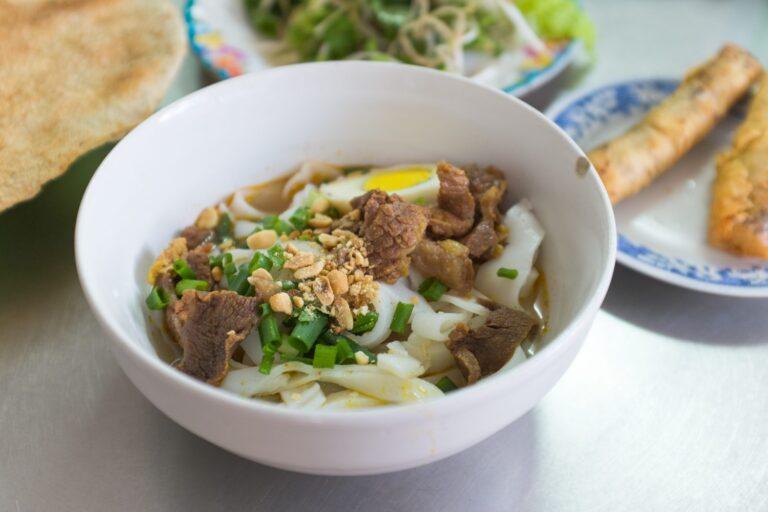
| Mi Quang | Da Nang / Quang Nam province | A small amount of turmeric-yellow broth | Turmeric noodles, shrimp and pork, rice cracker |
| Pho | Nationwide | Full soup bowl | Clear beef or chicken broth |
Cao Lau, Hoi An: avlxyz / CC BY-SA 2.0
TTC Verdict: Whether the Bá Lễ well water is genuinely what makes cao lau taste different, or simply a well-loved piece of local folklore, the dish itself does not travel — you will not find an identical bowl outside Hoi An’s immediate area. That alone makes it worth eating here rather than waiting to find it on a menu elsewhere in Vietnam.
Savory and mildly smoky from the grilled pork, with chewy noodles, a light broth rather than a heavy one, and a crunchy contrast from the fried noodle crackers on top, balanced by fresh herbs and greens.
You can find dishes labeled cao lau in other Vietnamese cities, but locals maintain that the authentic version depends on Hoi An’s specific well water and lye-ash process, so even close imitations elsewhere are generally considered a different dish.
No, not inherently. It is a mild, savory dish — chili and lime are usually served on the side so you can add heat to your own taste rather than having spice built into the recipe.
It is genuinely debated, and no single source settles it conclusively. The most common theory traces “cao lau” to a Chinese-derived term for an elevated dining floor, tied to old Hoi An’s two-story shophouses where noodle sellers reportedly served the dish upstairs to Chinese merchants. Other accounts treat it as local lore rather than documented history The name’s exact origin is not conclusively sourced. — either way, it is a separate question from why the dish itself can only be authentically made in Hoi An, which comes down to the well water, not the name.
3 Comments
Comments are closed.