Koh Tao vs. Koh Phi Phi: Which Thai Island Should You Choose?
Choose Koh Tao for affordable diving, a laid-back pace, and lower daily costs. Choose Koh Phi Phi for dramatic limestone scenery and a livelier social scene, even though it costs more and draws bigger crowds. Both are among the most popular islands in Thailand, but they sit on opposite coasts with opposite weather patterns, so the right choice depends on your travel dates almost as much as on vibe.
| Category | Koh Tao | Koh Phi Phi |
|---|---|---|
| Vibe | Laid-back, dive-focused backpacker energy | Dramatic cliffs, bigger crowds, livelier scene |
| Best for | Diving, snorkeling, budget travel | Iconic scenery, photography, nightlife |
| Getting there | Ferry from Chumphon, Koh Samui, or Surat Thani | Ferry from Phuket or Krabi; no airport on the island |
| Diving and snorkeling | One of the cheapest places in the world to get PADI certified | Maya Bay, Pileh Lagoon, boat dives to Bida Islands |
| Nightlife | Smaller-scale, Sairee Beach bars, fire shows | Tonsai Village party scene, bucket drinks, late closing |
| Best months | February–April, and often July–August | Mid-January–March (driest window) |
| Daily budget (approx.) | ~$36 backpacker, ~$95 mid-range | Generally higher than Koh Tao across the board |
TTC Verdict: Choose Koh Tao if you are there to dive, keep costs low, and unplug. Choose Koh Phi Phi if you are there for postcard scenery and a livelier social scene, and do not mind paying more and sharing the view.
How do you get to each island?
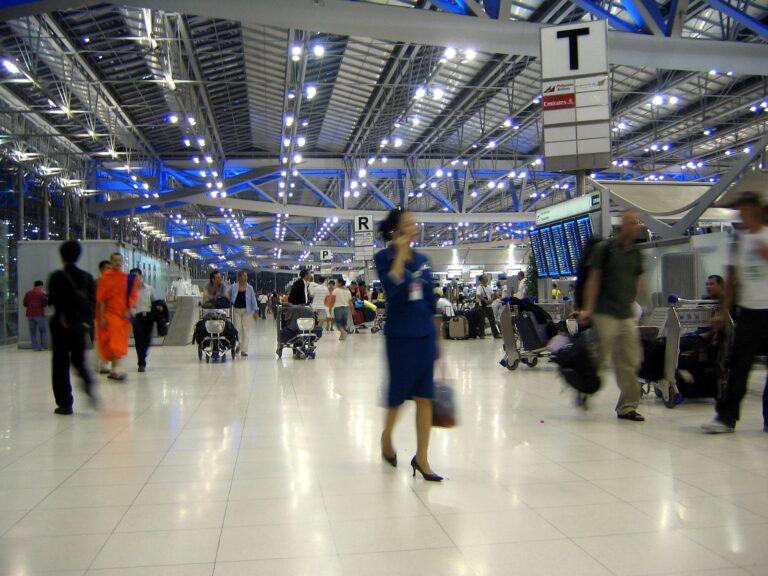
Neither island has its own airport reachable by direct international flight, so both trips end with a ferry. Koh Tao is reached from the Gulf of Thailand side, most commonly via Chumphon; Koh Phi Phi is reached from the Andaman side, via Phuket or Krabi, and has no airport of its own at all.
For Koh Tao, high-speed catamarans from Chumphon take roughly 2 hours, with slower overnight boats available for a lower fare; ferries also run from Koh Samui and Surat Thani. Koh Samui Airport is the more popular air gateway for onward connections to Bangkok, though fares there tend to run high due to limited route competition. For Koh Phi Phi, ferries from Phuket typically run 45 minutes to 2 hours depending on the operator, and direct routes also connect from Krabi and Ao Nang. Book through a comparison platform rather than a single operator, since schedules and prices vary by season.
Both routes are easiest to book in advance during high season. Compare ferry schedules and prices on 12Go for either crossing before you travel.
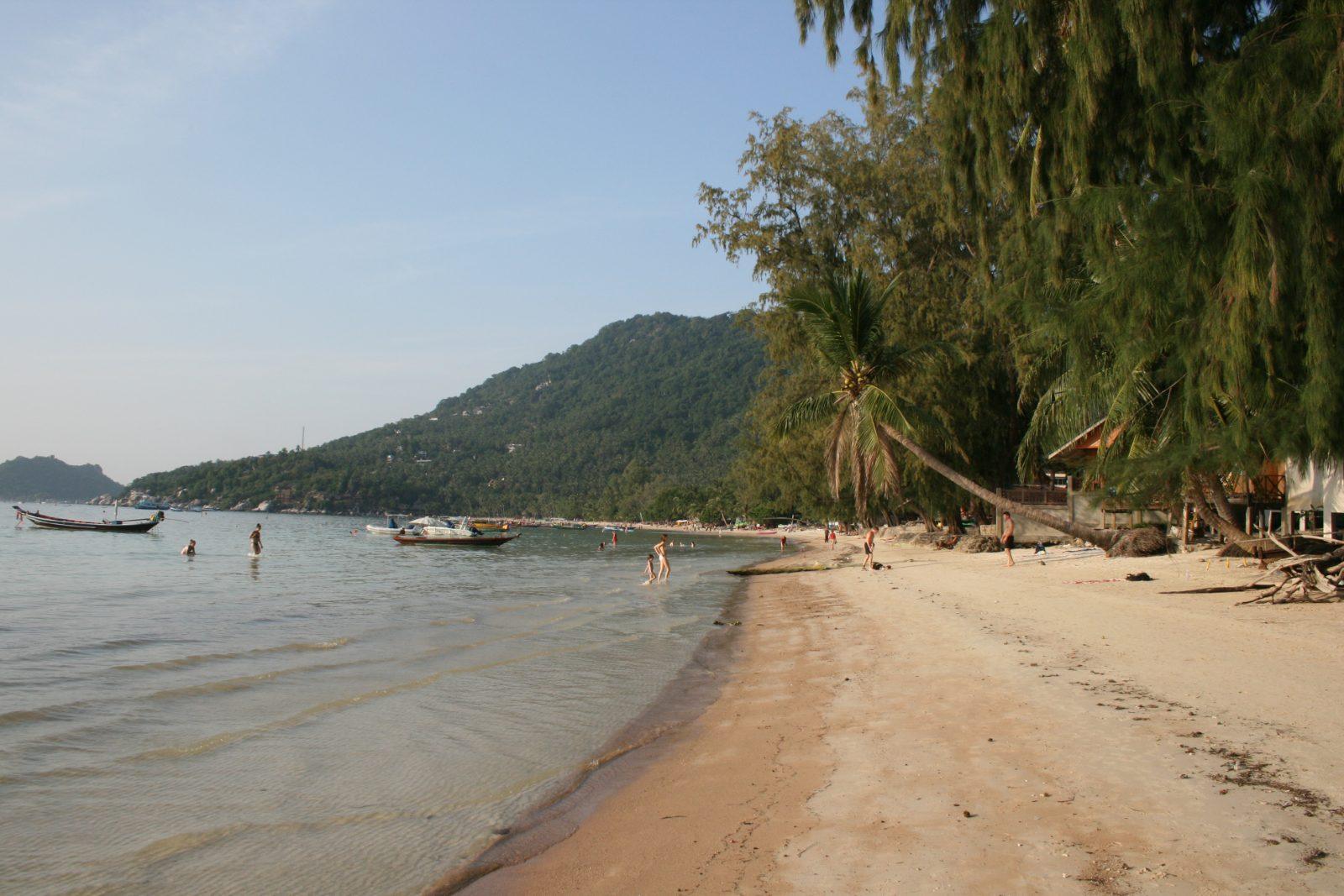
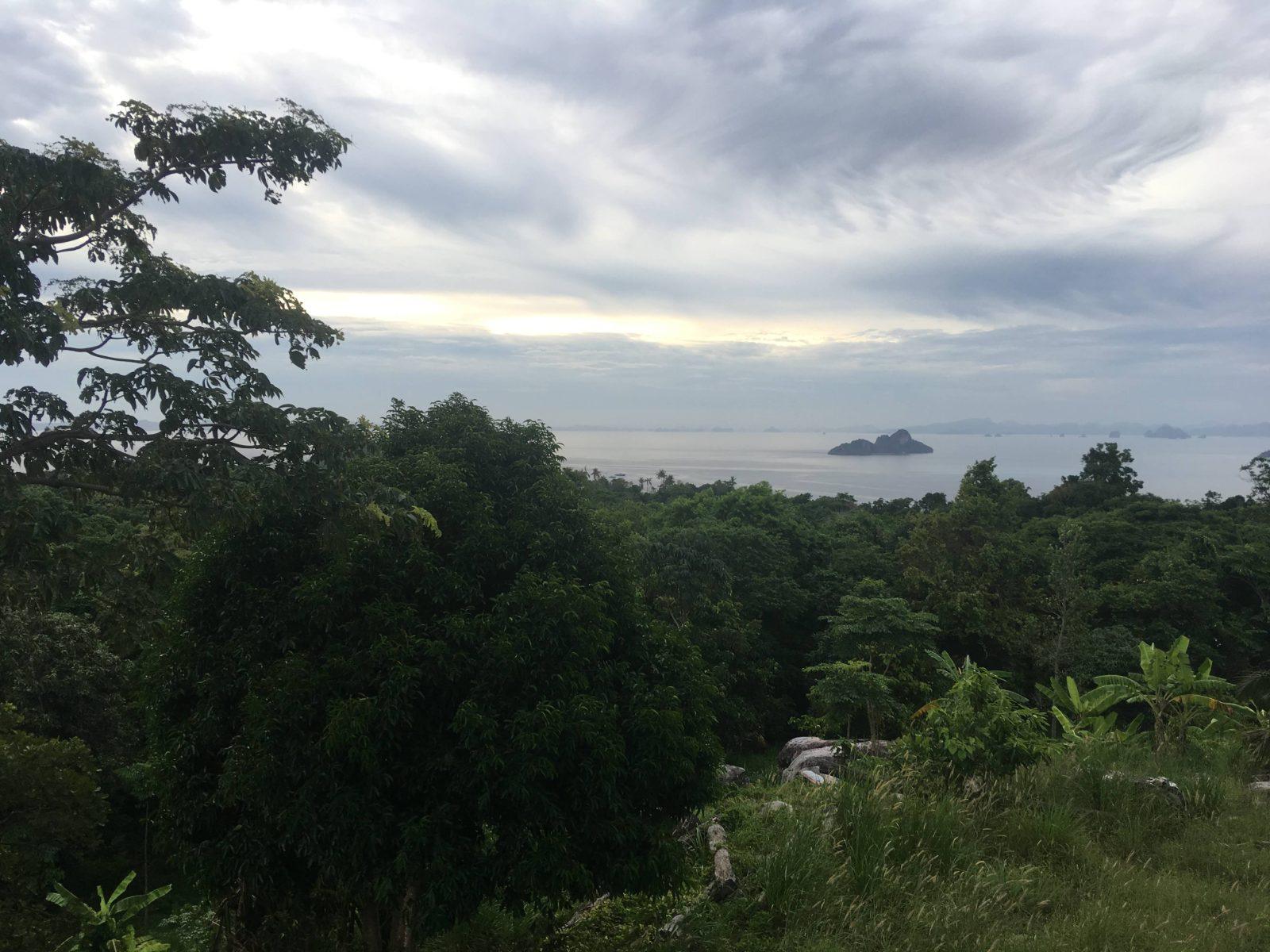
Sairee Beach, Koh Tao: Whatsinaname / Public Domain · Koh Phi Phi Viewpoint: Christophe95 / CC BY-SA 4.0
Koh Tao vs. Koh Phi Phi for diving and snorkeling
Koh Tao is widely considered one of the cheapest places in the world to learn to dive, while Koh Phi Phi is better known for a single, world-famous snorkeling destination rather than a dive-training industry.
A PADI Open Water certification on Koh Tao typically runs somewhere around 250 to 350 USD for a 2 to 4-day course, a price that has made the island a rite of passage for backpackers across Southeast Asia. Notable dive sites include Chumphon Pinnacle and Sail Rock, both known for larger pelagic fish and occasional whale shark sightings, and Shark Island, better known for coral and reef fish despite its name.
Koh Phi Phi is best known for Maya Bay, the cliff-enclosed cove made famous by the film The Beach, along with Pileh Lagoon and boat-accessible dive and snorkel sites around the Bida Islands. Maya Bay has gone through several rounds of restrictions since 2018, including a daily visitor cap, a ban on boats anchoring in the bay, and periodic closures for environmental rehabilitation. Policies here have changed more than once in recent years, so check current access rules and booking requirements before you plan a visit.
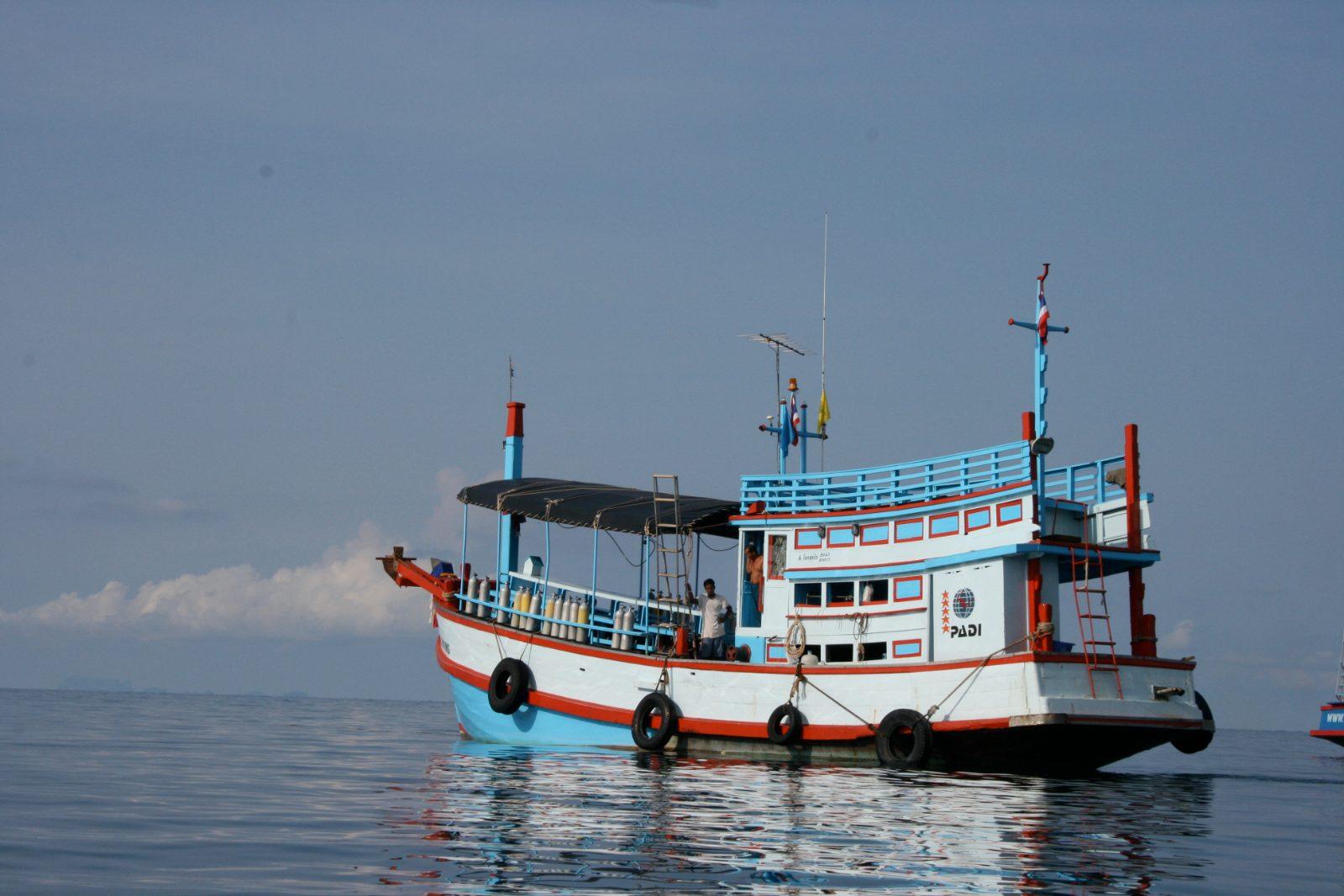
Dive boat, Koh Tao: Eli Duke / CC BY-SA 2.0
Which island has better beaches?
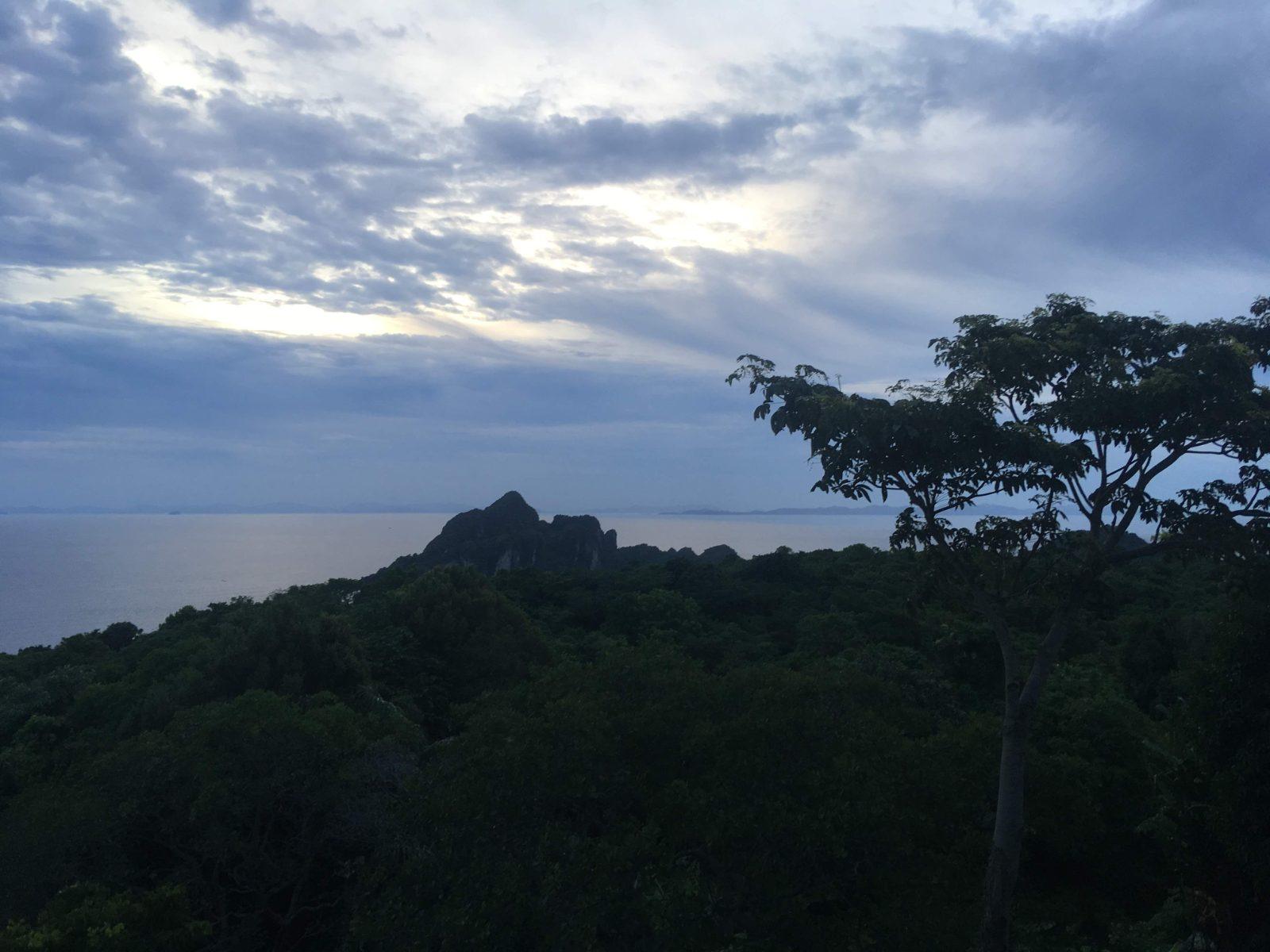
Koh Tao beaches are smaller and reef-fringed, built around snorkeling and diving access; Koh Phi Phi beaches are framed by the towering limestone cliffs the island is famous for.
On Koh Tao, Sairee Beach is the biggest and busiest, lined with bars, restaurants, and dive shops; Freedom Beach is a smaller, quieter stretch of white sand about 10 minutes from Sairee with good shallow-reef snorkeling; and Shark Bay is named for its resident blacktip reef sharks, which are harmless if given space. On Koh Phi Phi, Loh Dalum Bay sits nearly enclosed by cliffs and can get crowded, Long Beach has some of the softest sand on the island and more distance from Tonsai Village nightlife, and Maya Bay remains the most photographed beach in Thailand, cliffs and all.
How does the nightlife compare?
Koh Tao nightlife is smaller in scale and centered on Sairee Beach, with bars, fire shows, and a generally mellow after-dark scene built around divers who need to be up early the next morning. Koh Phi Phi, by contrast, runs a genuinely bigger party scene centered on Tonsai Village, with cheap bucket drinks, competing sound systems, and bars that stay open well past midnight. Travelers who want quieter evenings on Phi Phi can base themselves near Long Beach instead of Tonsai or Loh Dalum.
Which island costs less?
Koh Tao is generally the cheaper of the two, largely because its economy runs on dorm rooms and dive-school discounts rather than the bigger resorts and day-tripper demand that drive up prices on Phi Phi. As a rough guide, budget travelers on Koh Tao can expect to spend around 36 USD per day, covering a dorm bed, street food, a scooter, and a few drinks, while a more comfortable mid-range stay runs closer to 95 USD per day. Koh Phi Phi does not have as clean a published budget breakdown, but its heavier tourist infrastructure and higher accommodation demand mean most travelers should expect to pay noticeably more there across lodging, food, and tours than on Koh Tao.
Accommodation on both islands fills up fast in high season. Browse places to stay on Koh Tao on Agoda, or browse places to stay on Koh Phi Phi on Agoda.
When should you visit each island?
This is the detail travelers most often get wrong: Koh Tao and Koh Phi Phi sit on opposite coasts of Thailand and follow opposite monsoon patterns, so the best time to visit one is not necessarily the best time to visit the other.
Koh Tao, on the Gulf of Thailand side, is generally best from February through April, with a quieter secondary window in September and October. Its monsoon typically arrives in November and lasts about six weeks, bringing wind more than constant rain. Surprisingly, July and August are often a strong window for Koh Tao too, since conditions stay calm on the Gulf side even while the Andaman coast is deep in its own rainy season. Koh Phi Phi, on the Andaman Sea side, is best from mid-January through March, with February typically the driest month. Its wet season builds from late April through May and peaks from June through August, with September and October the wettest stretch overall before skies clear again by late November.
If you want the best chance of good weather on both coasts at once, mid-February through March is the closest thing to a compromise window, though as the next section explains, most travelers should not plan to visit both islands on a single standard trip anyway.
Can you visit both on one trip?
Technically yes, but it is rarely worth it on a standard one to two-week trip. A direct overland and ferry combination between the two islands can take anywhere from about 6.5 to 15 hours depending on connections, and flying back through Bangkok, or via a connecting flight through Phuket or Krabi, is often faster once you account for total travel time. Combining both islands makes the most sense for travelers with three or more weeks in Thailand who want one island on each coast; for a standard trip, pick one based on what matters more to you using the comparison above.
Koh Tao is the stronger choice for diving overall, especially for certification. It is one of the cheapest places in the world to earn a PADI Open Water certificate and has dedicated dive sites like Chumphon Pinnacle and Sail Rock. Koh Phi Phi offers good snorkeling and some dive sites around Maya Bay and the Bida Islands, but it is better known for scenery than for a dive-training industry.
Maya Bay has reopened with restrictions since its 2018 closure, including a daily visitor cap, a ban on boats anchoring in the bay, and periodic closures for environmental rehabilitation. Access rules have changed more than once in recent years, so confirm current status and any booking requirements before you plan a visit.
Koh Tao is generally cheaper. Budget travelers there can expect to spend around 36 USD per day, while Koh Phi Phi, with its larger resorts and heavier day-tripper demand, tends to run noticeably higher across accommodation, food, and tours.