
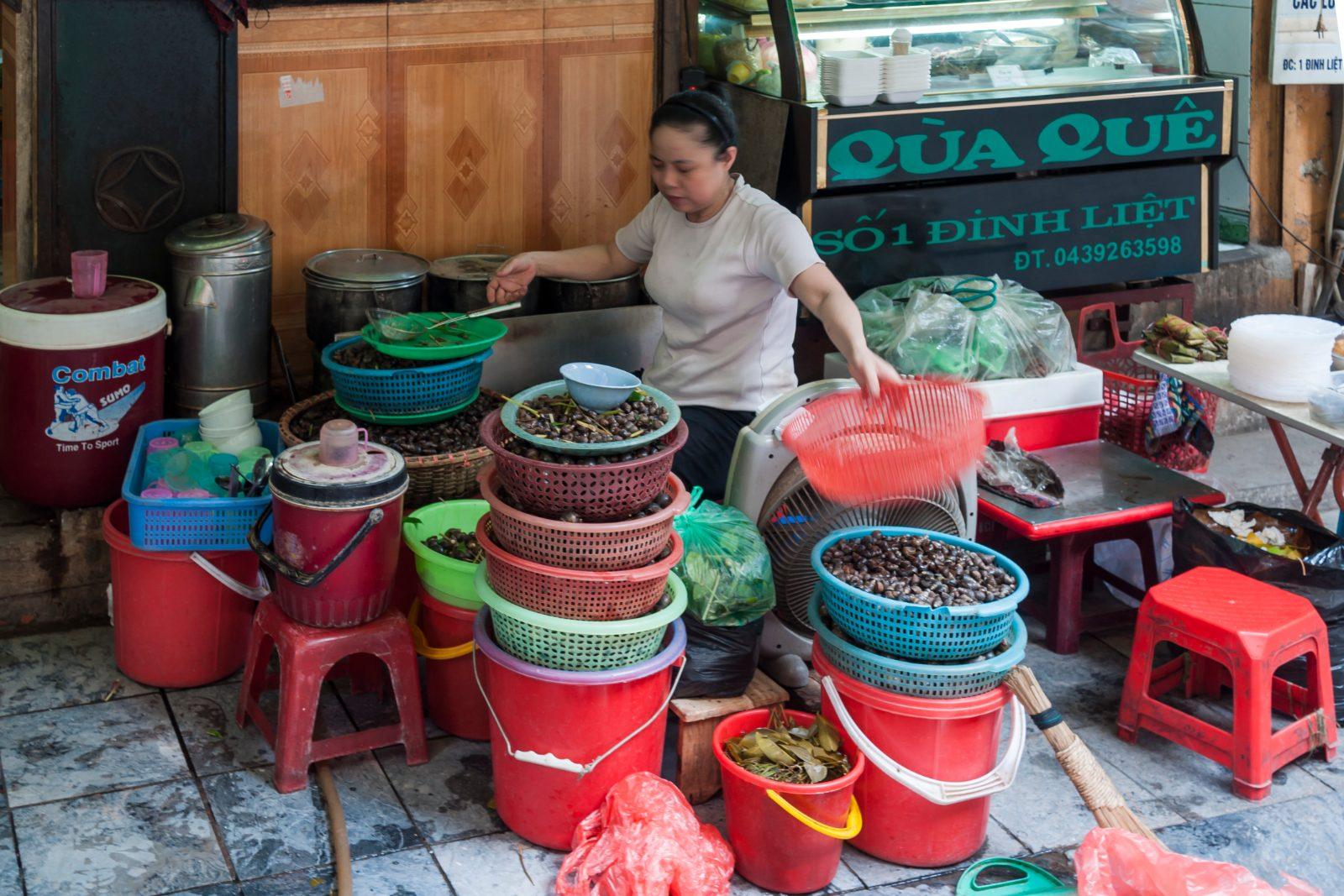
Best Street Food in Hanoi: The Vendors Worth Seeking Out
Hanoi does not ease you into street food. It hits you with the scent of sizzling garlic and lemongrass before you have even left the hotel lobby, then puts a plastic stool under you and dares you to sit. The Old Quarter’s narrow lanes are a working kitchen, where grandmothers tend bubbling vats of broth and vendors fan charcoal grills late into the evening. This guide maps five specific, address-level stalls that Hanoi locals actually queue for — not a general overview of what to eat, but exactly where to go, what to order, and how to eat it without looking lost.
| Dish | What It Is | Best Eaten | Price (₪) |
|---|---|---|---|
| Bún Chả | Grilled pork patties over vermicelli with a sweet-sour dipping broth | Lunch | 40,000–60,000 |
| Phở | Beef noodle soup with a deep, hours-simmered broth | Breakfast | 35,000–50,000 |
| Chả Cá | Turmeric-marinated fish grilled tableside, served over vermicelli with peanuts and shrimp paste | Dinner | 120,000–150,000 |
| Bánh Cuốn | Steamed rice paper rolls stuffed with minced pork and wood ear mushroom | Breakfast | 40,000–55,000 |
| Bánh Mì | Crisp baguette with pâté, cold cuts, pickled vegetables, and herbs | Any time | 25,000–35,000 |
TTC Verdict: These five are not a subjective top-five list — they are the dishes with an actual queue of locals in front of them at the right hour. Show up at the wrong time (bún chả at 2pm, phở at dinner) and you will still get fed, but you will get the kitchen’s afternoon leftovers, not its best work.
Where to Find Them: The Street-Level Map
These are not just names on a list — they are specific stalls with specific quirks. Here is exactly where to go, what to order, and how to navigate it.
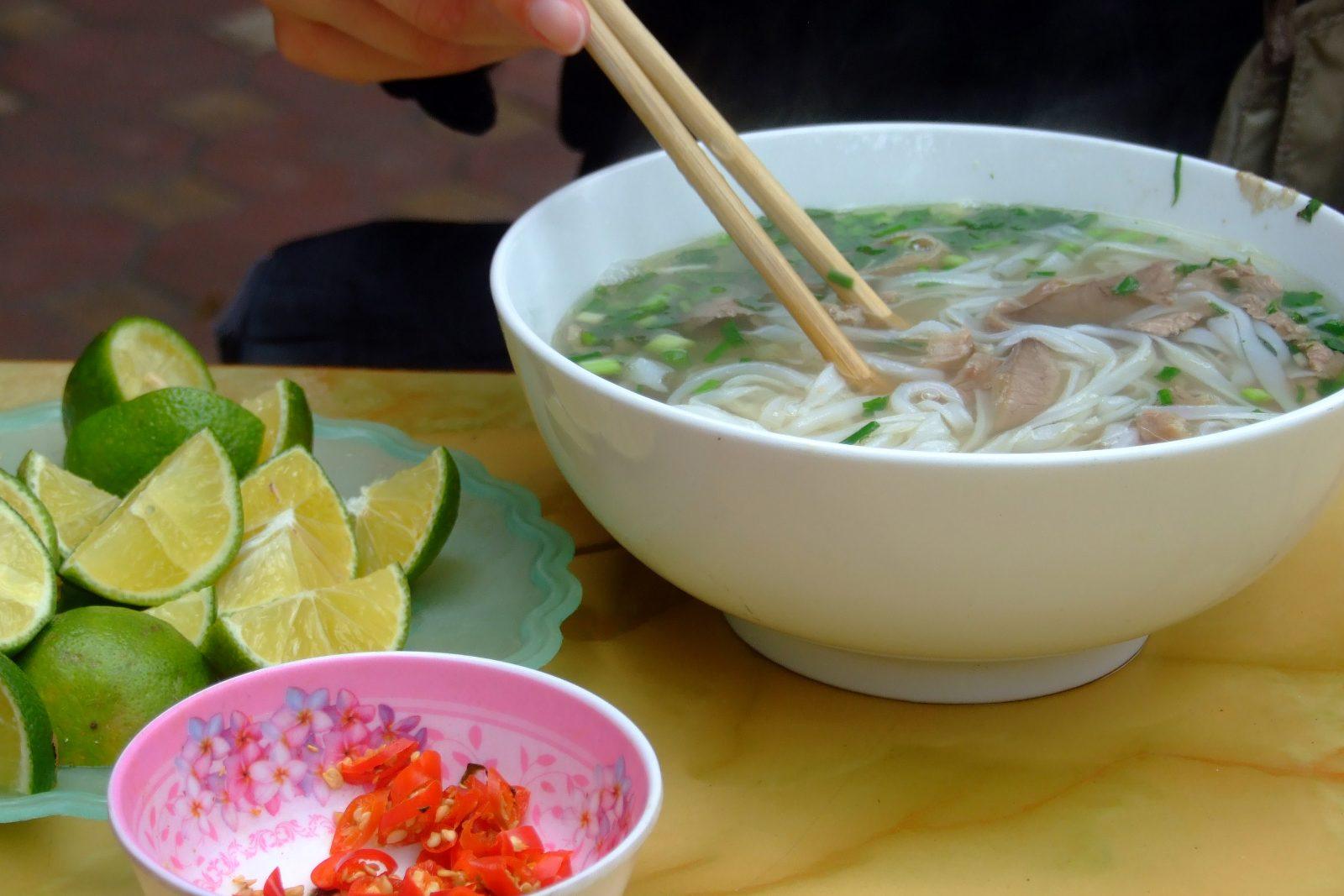
1. Phở Gia Truyền (49 Bát Đàn St.)
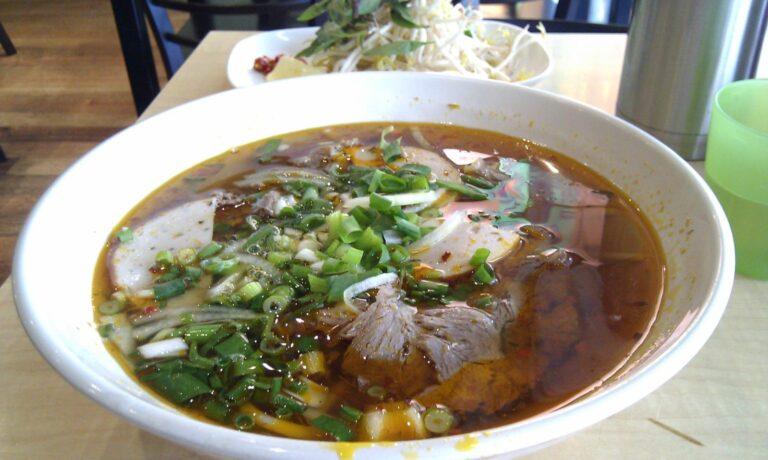
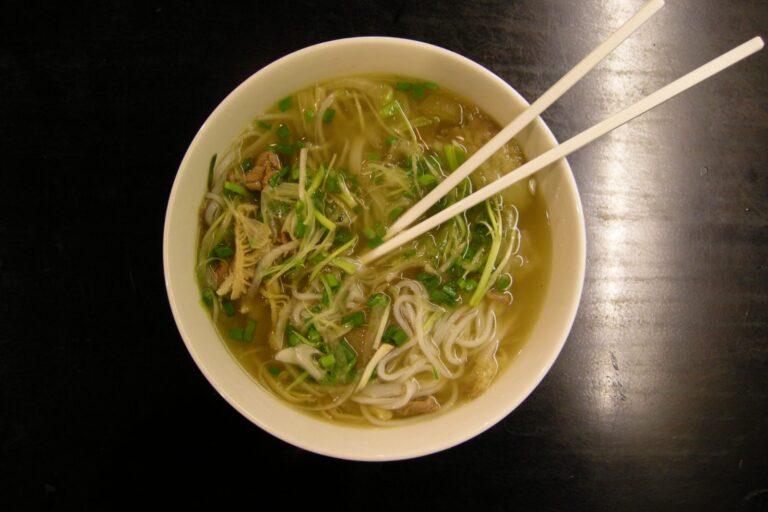
Widely cited as one of the best bowls of phở in the Old Quarter — the broth is a deep amber, simmered for hours with charred onion, ginger, star anise, and cinnamon. The beef arrives sliced paper-thin and raw, cooking gently in the hot broth as you stir in chili and lime. The queue moves fast: locals do not linger, they order, eat, and go. Ask for "phở tái" (rare beef) and add a side of quẩy (fried dough sticks) to dunk in the broth. There is no menu — just say what you want and point. Cash only, and expect to eat standing or on a shared bench once the morning rush hits.
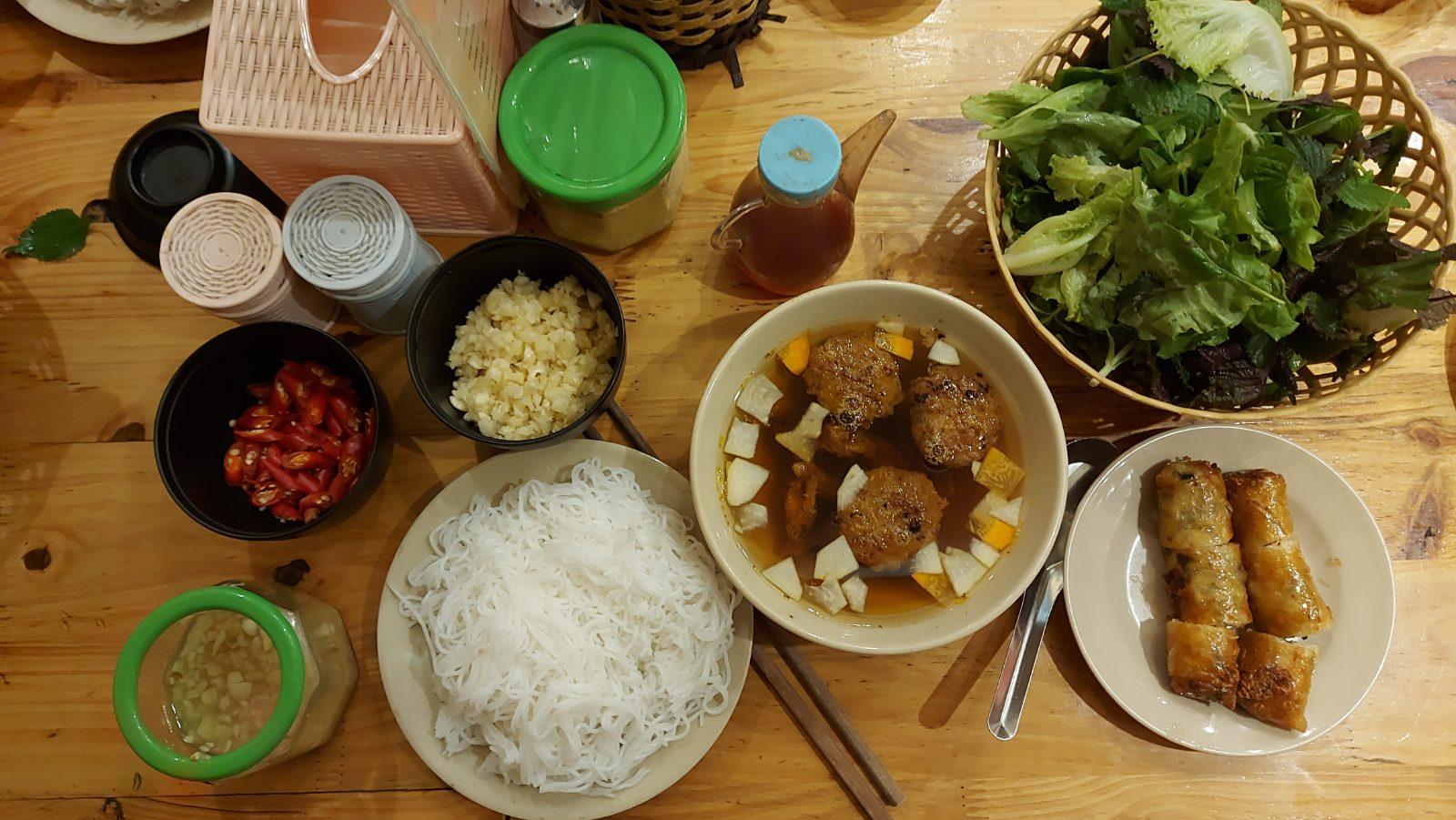
2. Bún Chả Hương Liên (24 Lê Văn Hưu)
The "Obama bún chả" spot, made famous by President Obama and Anthony Bourdain’s 2016 visit — now covered in full in our dedicated Bún Chả guide. Go for lunch, not dinner — the grill is at its best when the kitchen is running its main midday service.
3. Chả Cá Lã Vọng (14 Chả Cá St.)
The restaurant that gave the street its name and the dish its fame — grilled turmeric fish, dill, and peanuts, cooked tableside over a small charcoal brazier and mixed into vermicelli at your seat. It is a slower, more interactive dinner than the other dishes on this list, and priced accordingly.
4. Bánh Cuốn Bà Hoành (66 Tô Hiến Thành)
Steamed rice-paper rolls filled with minced pork and wood ear mushroom, topped with crispy fried shallots and served with Vietnamese pork sausage (chả lụa) and fresh herbs. Dip it in the fish-sauce-based nước chấm. Best eaten as breakfast — it is a morning dish, and the queue outside starts before 7am.
5. Bánh Mì on Hàng Bạc St.
Every Hanoi local has a favorite bánh mì stall, and the stretch of Hàng Bạc near the Old Quarter’s silver street has several strong contenders rather than one single "best" stall — a shatteringly crisp baguette, rich pâté, cold cuts, pickled vegetables, and a generous handful of cilantro. It is the perfect walking food for exploring the lake on foot.
How to Eat Like a Local: The Rules
Hanoi street food has its own etiquette. Break these rules and you will still get fed, but you will miss the point — follow them and the city opens up a little more.
- Find the low chairs. The shorter the plastic stool, the better the food tends to be — vendors with high tables cater more to tourists, while low chairs mean locals eat there.
- Eat at the right time. Phở is breakfast, bún chả is lunch, chả cá is dinner, bánh cuốn is a morning thing. Show up at 2pm for bún chả and the pork will have gone dry.
- Use chopsticks and spoon together. Hanoi style: spoon in the left hand, chopsticks in the right. Scoop noodles into the spoon, slurp, repeat.
- No menu, no problem. If there is no posted menu, point at what the person next to you is eating and say "same." It works almost every time.
- Pay before you leave, in cash. Walk up to the counter, confirm the price, and hand over cash. No tipping is expected.
Beyond the Big Five: Worth the Hunt
Once you have worked through the classics, Hanoi rewards the curious. These dishes rarely make the tourist lists but are genuinely loved by locals — expect to find them at small stalls and street corners across the Old Quarter rather than one single famous address.
| Dish | What It Is | Price (₪) |
|---|---|---|
| Cháo Sườn Sụn | Silky pork rib porridge with cartilage, topped with fried shallots and a drizzle of chili oil | 30,000–40,000 |
| Bún Ốc | Snail noodle soup in a tangy tomato-based broth, served hot or cold depending on the season | 30,000–40,000 |
| Bún Đậu Mắm Tôm | Fried tofu, vermicelli, and pork over rice noodles, dipped in fermented shrimp paste — an acquired taste worth trying at least once | 35,000–50,000 |
If you only try one, make it bún chả — grilled pork patties over vermicelli with a sweet-sour dipping broth. It is Hanoi’s signature lunch dish and the one made famous internationally by President Obama and Anthony Bourdain’s 2016 visit to Bún Chả Hương Liên.
Generally yes. Stick to stalls with high turnover (a constant stream of local customers is the best sign of both freshness and safety), eat food cooked fresh in front of you, and drink bottled or boiled water rather than tap water or ice from an unknown source.
Almost never. Bring small-denomination cash (10,000–50,000₪ notes) for street food — most stalls are cash-only, and a few larger sit-down spots like Chả Cá Lã Vọng may accept cards but should not be relied on to.
5 Comments
Comments are closed.