
Sapa Travel Guide: Everything to Know Before You Go
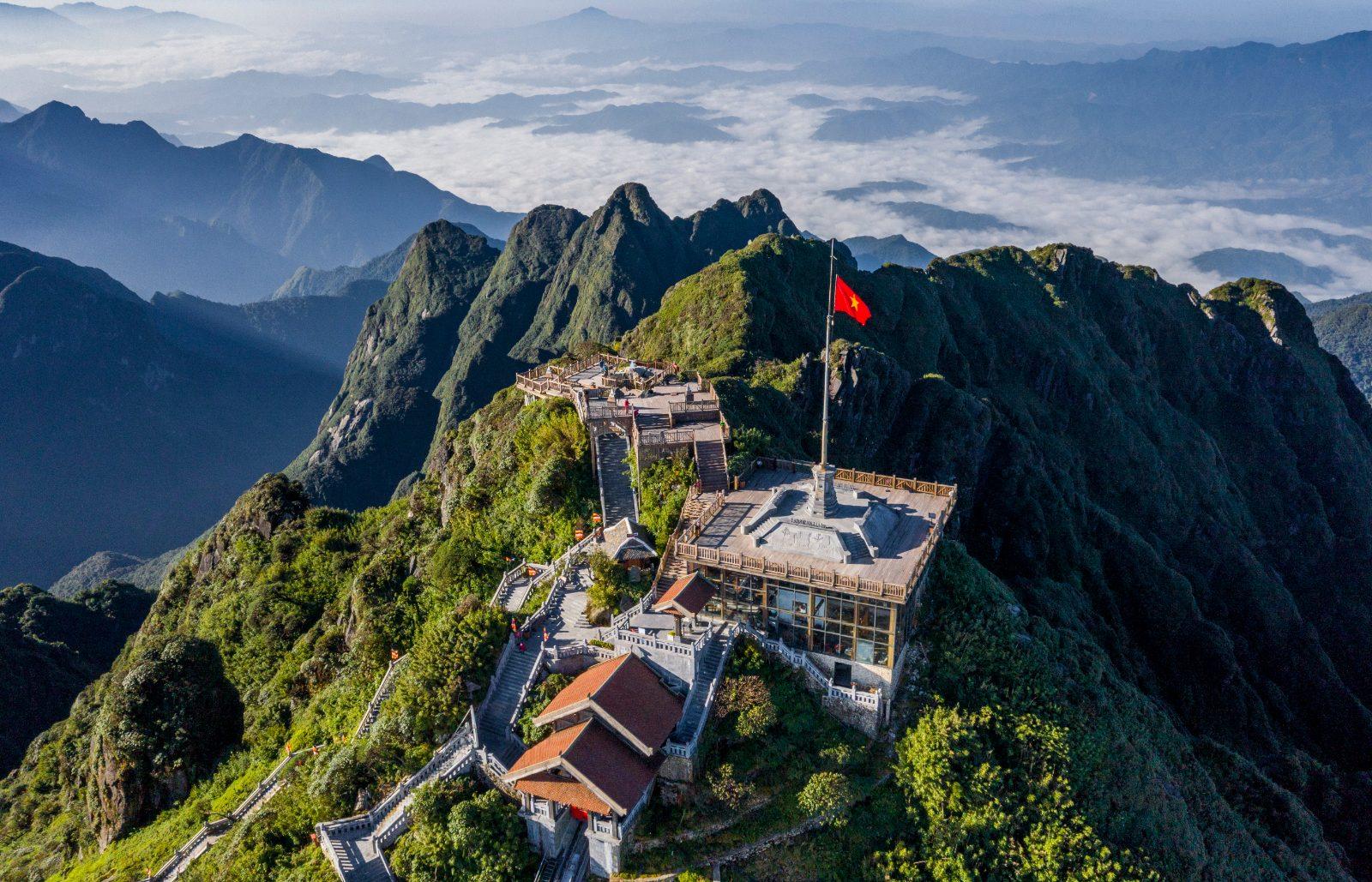
Sapa is a former French hill station in Vietnam’s far northwest, built around a valley of terraced rice fields and ringed by the Hoang Lien Son mountains, including Fansipan, the highest peak in Indochina. Most visitors come for two or three days of trekking through H’mong, Dao, and Giay villages, a ride up the Fansipan cable car, and a genuinely cool climate that feels nothing like the rest of tropical Vietnam.
What Makes Sapa Different From the Rest of Vietnam?
Sapa trades beaches and city heat for cool mountain air, terraced rice fields, and multi-day treks through ethnic minority villages — a genuinely different kind of Vietnam trip from anything in Hanoi, Da Nang, or the south.
| Category | Sapa | A Typical Lowland City |
|---|---|---|
| Climate | Cool, often foggy, 5–28°C depending on season | Hot and humid year-round |
| Landscape | Terraced rice fields, river valleys, mountains | Flat, urban or coastal |
| Main activity | Multi-day trekking through minority villages | Street food, sightseeing, nightlife |
| Pace | Slow, physical, weather-dependent | Fast, easy to fit into a short stay |
TTC Verdict: Sapa rewards travelers who actually want to walk. If your idea of a good trip is beaches and street food, give it a pass; if you want fog rolling over rice terraces and a genuine change of pace, it is one of the best two- or three-day detours in the entire country.
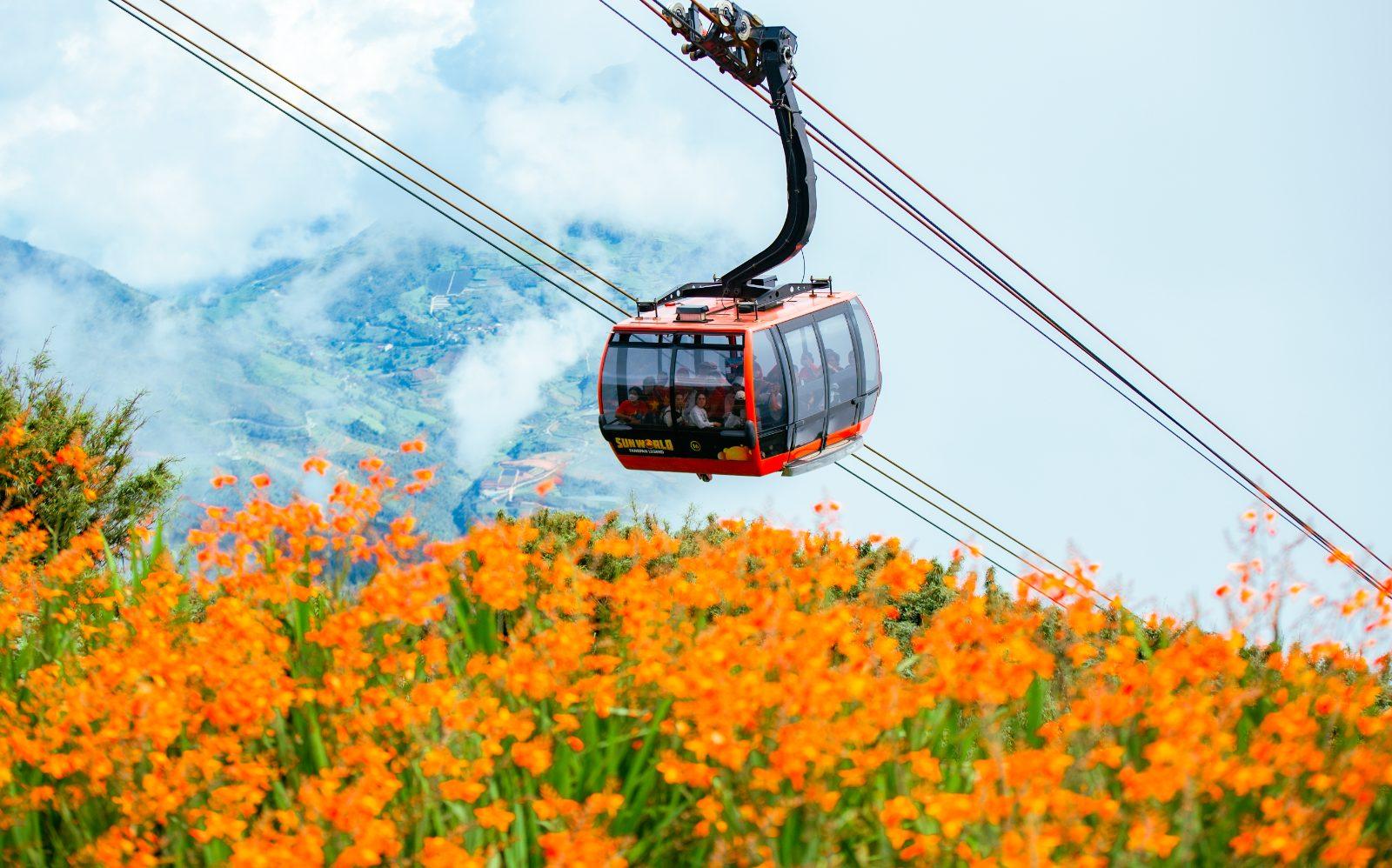
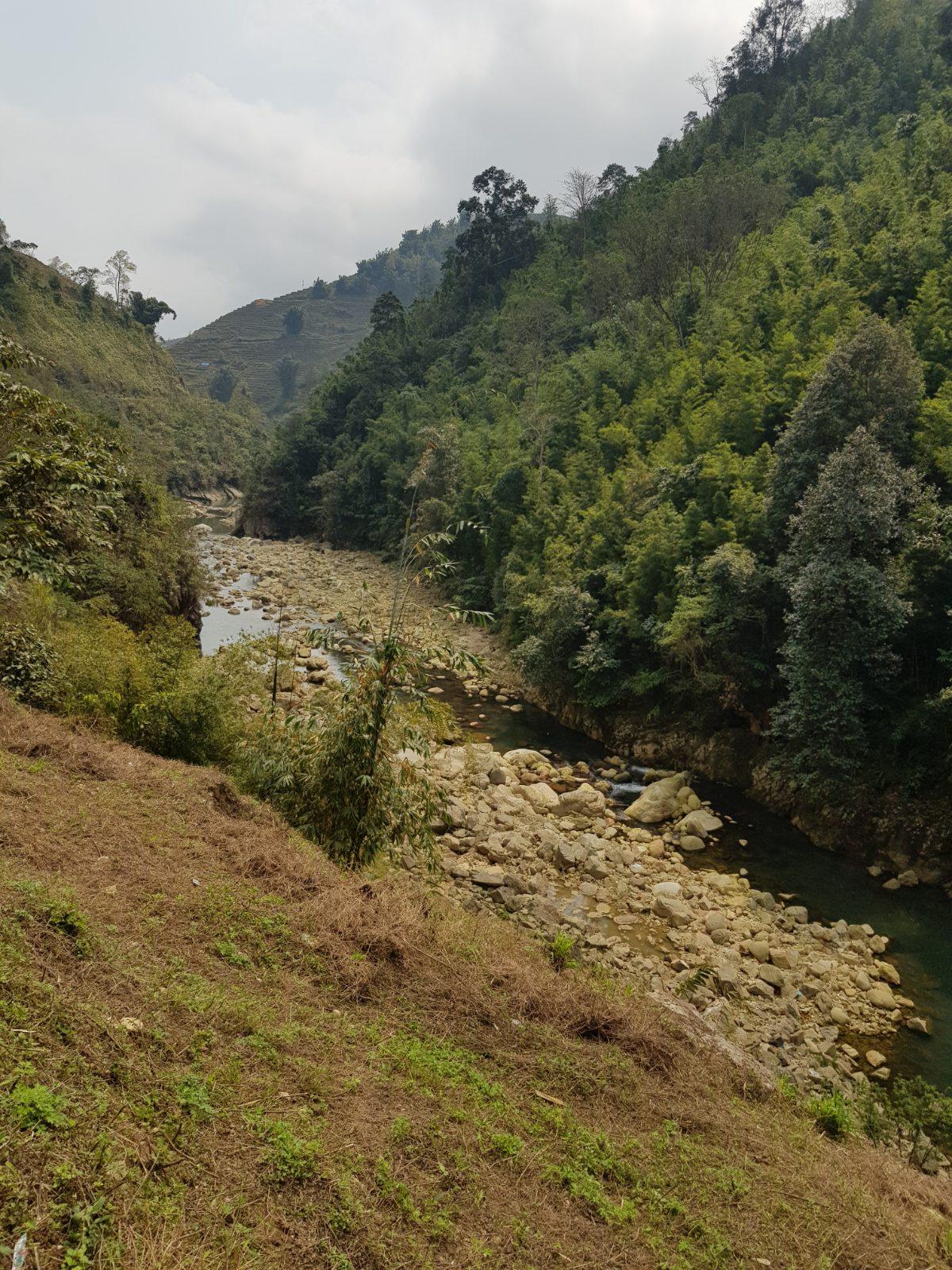
Fansipan Cable Car: Vivu Vietnam / CC BY-SA 4.0 · Muong Hoa Valley: Andre Hospers / CC BY 4.0
How Do You Get to Sapa From Hanoi?
Almost every visitor to Sapa starts in Hanoi. The overnight train does not actually reach Sapa town — it stops in Lao Cai, 35km away — which is why most travelers now take the direct highway instead.
| Option | Time | Cost | Best For |
|---|---|---|---|
| Limousine van | 5.5–6 hrs | $13–18 one-way | Most travelers — direct via the Noi Bai–Lao Cai Expressway, hotel pickup included |
| Overnight train + transfer | 8–9 hrs total | $35–75 | Travelers who want a sleeper cabin and do not mind a 1-hour van transfer up the mountain |
| Private car | 5–5.5 hrs | $130–180 for 3–4 people | Groups wanting flexibility to stop along the way |
How Many Days Do You Need in Sapa?
Two full days is the minimum to do one real trek and ride the Fansipan cable car without rushing; three days lets you add a homestay night in a village like Ta Van or Lao Chai. See our full Sapa itinerary for a day-by-day plan.
When Is the Best Time to Visit Sapa?
September through November brings the golden rice harvest and the clearest mountain views, making it the single best window to visit; March through May offers flooded, mirror-like terraces and blooming flowers. December through February is genuinely cold, with occasional frost or rare snow near the summit.
Yes, if you specifically want mountain scenery and trekking — it is a genuinely different experience from anywhere else in the country, but it does require a 5- to 9-hour trip each way from Hanoi, so it works best as part of a longer trip rather than a rushed side note.
Not strictly, but most visitors hire a local guide (often a H’mong or Dao woman from one of the villages) for a half-day or full-day trek — it supports the local economy directly and makes navigating the trails between villages far easier.
Winter (December to February) commonly sees 5–12°C, with fog and occasional frost; rare snow has fallen near the Fansipan summit. Pack real layers if visiting between November and March.
It is technically possible with a private car, but with 5–6 hours of travel each way, a day trip leaves almost no real time in Sapa itself. Two to three days is the realistic minimum.
Thinking about the Ha Giang Loop instead of (or in addition to) Sapa? Our Ha Giang Loop guide covers routes, days needed, and Easy Rider vs. self-drive.


5 Comments