
Koh Samui Travel Guide: Beaches, Areas, and What to Know Before You Go
Koh Samui is Thailand’s most developed Gulf island — a short direct flight from Bangkok, with its own airport, resort-level infrastructure, and a laid-back pace that sits between Phuket’s energy and Koh Phangan’s backpacker scene. It works well as a standalone beach trip or paired with Koh Phangan and Koh Tao via a short ferry hop, and most first-time visitors need 4 to 5 days to settle into one area, visit the Big Buddha and Ang Thong Marine Park, and relax on at least two different beaches.
Where Is Koh Samui and How Do You Get There?
Koh Samui sits in the Gulf of Thailand, on the opposite coast from Phuket and Krabi, about an hour’s flight southeast of Bangkok. Most long-haul travelers from the US, Canada, or Australia connect through Bangkok and fly directly into Samui Airport (USM), a distinctive open-air terminal operated largely by Bangkok Airways — flights run about 70 to 80 minutes and land close to Chaweng, the island’s main tourist area.
| From | Option | Time | Approx. Cost |
|---|---|---|---|
| Bangkok | Flight (Bangkok Airways and others) | ~75 min | 1,500-4,000 THB |
| Bangkok | Overnight bus + ferry | 12-14 hrs total | 600-900 THB |
| Surat Thani (mainland) | Ferry (Lomprayah or Raja Ferry) | 1.5-2.5 hrs | 150-450 THB |
| Koh Phangan | Ferry | 30-45 min | 200-400 THB |
| Samui Airport | Taxi to Chaweng | 15-20 min | ~400-500 THB |
Is Koh Samui’s Weather Different From Phuket’s?
Yes, and this trips up a lot of first-time Thailand planners: Koh Samui sits on the Gulf of Thailand side of the country, while Phuket and Krabi sit on the Andaman coast, so the two regions run on opposite monsoon schedules. From May through September, when Phuket and Krabi get soaked by the southwest monsoon, Koh Samui is often the better beach choice. The pattern flips from October through December, when a northeast monsoon brings Koh Samui’s heaviest rain — November is typically its wettest month — while the Andaman coast is drying out and entering its own best season.
February through April is Koh Samui’s most reliable stretch — calm seas, low rainfall, and consistently sunny days, with March often cited as a lower-priced alternative to the December-to-February peak.
Which Area of Koh Samui Should You Stay In?
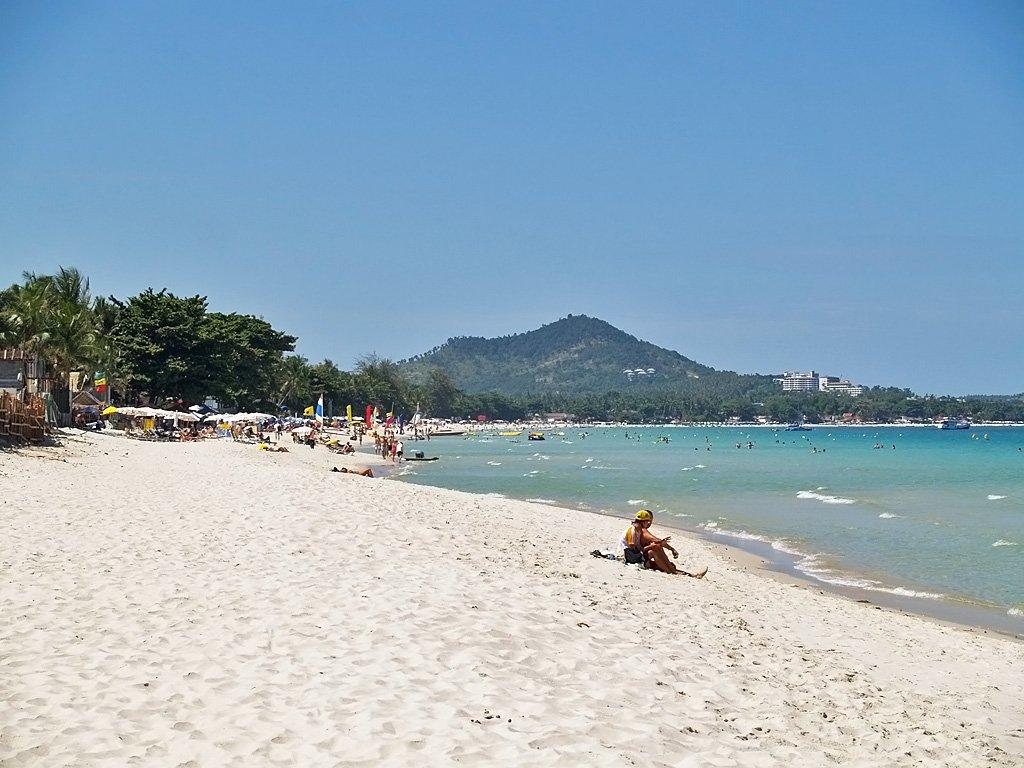
Chaweng is the easiest base for first-timers, with the island’s longest beach, the most restaurants and nightlife, and the widest range of hotels. Bophut’s Fisherman’s Village suits travelers who want a quieter, more atmospheric base with easy access to a genuinely good night market, while Maenam and Choeng Mon work well for families wanting calmer water without giving up convenience.
| Area | Best For | Beach Quality | Nightlife |
|---|---|---|---|
| Chaweng | First-timers, nightlife, convenience | Long and lively, good swimming | The island’s liveliest |
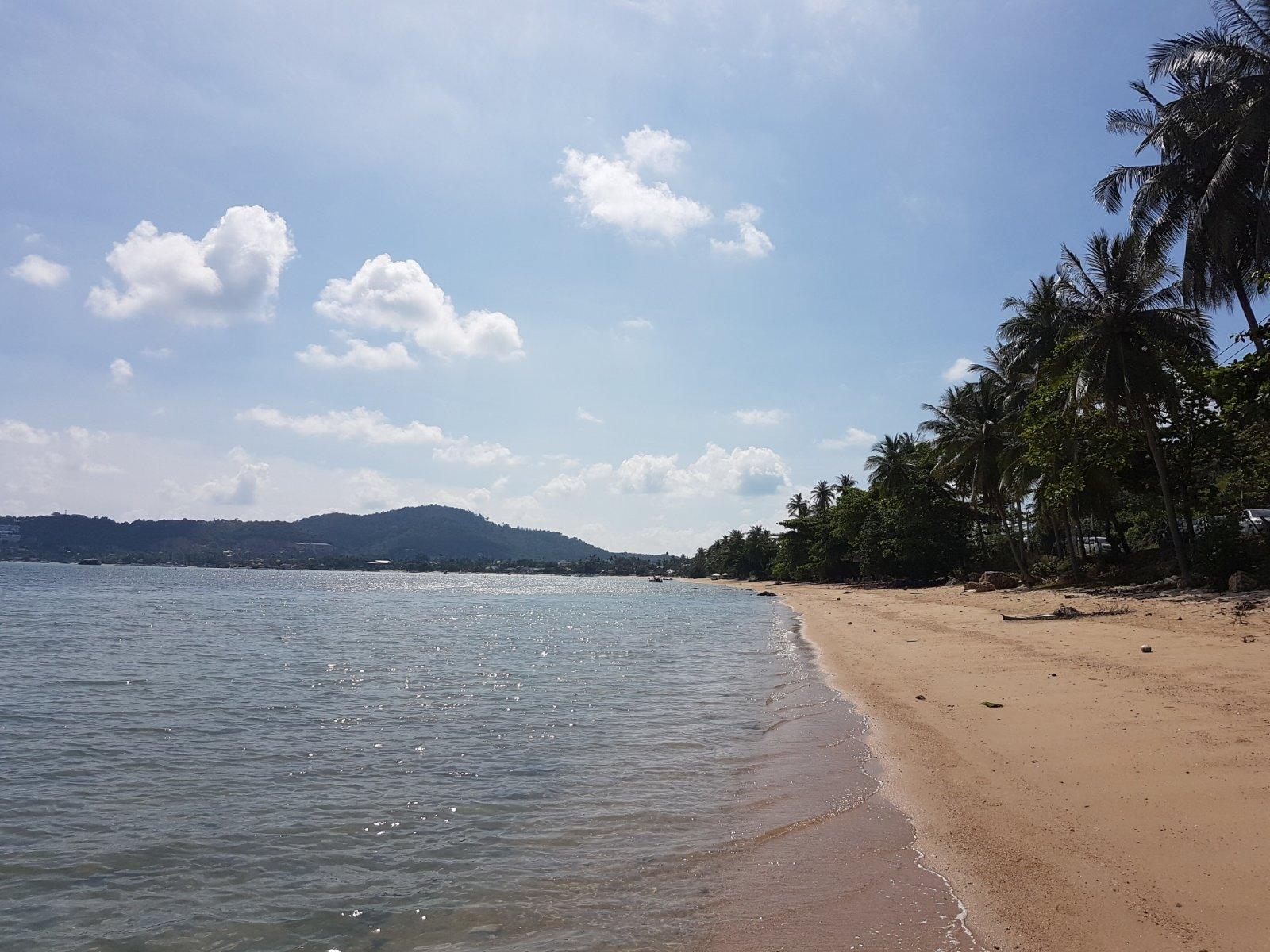
| Lamai | Returning visitors, better value | Scenic, calmer, less crowded | Low-key, some bars |
| Bophut (Fisherman’s Village) | Atmosphere, dining, a quieter base | Calm, narrower beach | Friday Walking Street market |
| Maenam | Families, budget, peace and quiet | Long, shallow, calm | Minimal |
| Choeng Mon | Luxury resorts, families | Protected bay, calm water | Minimal, resort-based |
What Are the Best Things to Do on Koh Samui?
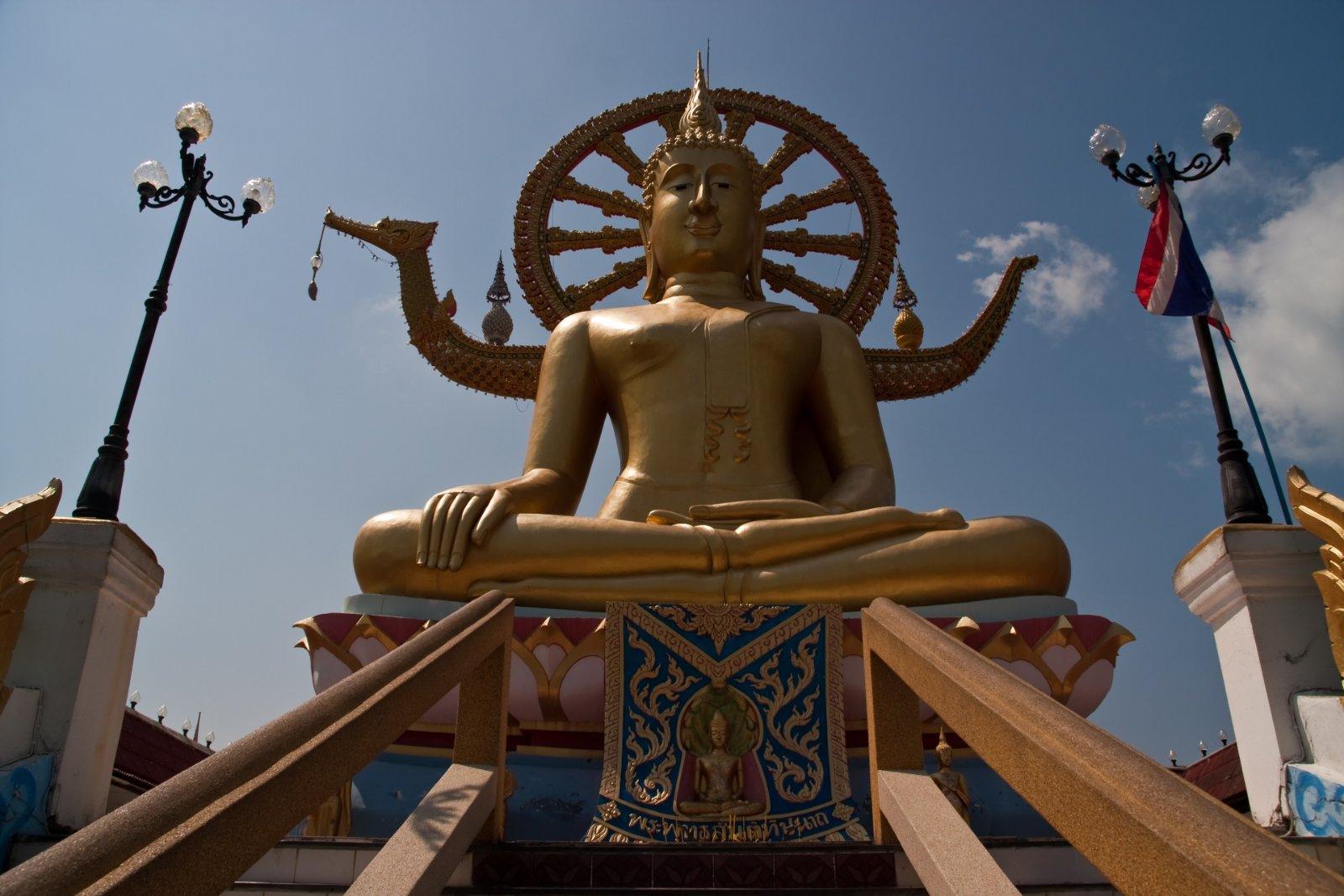
The Big Buddha at Wat Phra Yai is the island’s most recognizable landmark — a 12-meter golden statue visible from the air on the approach into Samui Airport, with free entry and coastal views from its base. Beyond the Big Buddha, Koh Samui’s biggest draw is a day trip to Ang Thong National Marine Park, a 42-island archipelago of limestone cliffs and hidden lagoons reachable by speedboat, with kayaking and snorkeling built into most tours.
Book an Ang Thong Marine Park day tour on Klook — most run as a full day from Chaweng or Bophut piers, with a packed lunch and kayak rental included, and booking ahead is worth it since boats fill up in high season.
Rounding out the list: Wat Plai Laem’s 18-armed Guanyin statue on a lakeside setting, Bophut’s Friday Night Walking Street market, the Hin Ta Hin Yai rock formations near Lamai, and a short ferry hop to Koh Phangan if you want a change of scenery for a day.
What Do First-Time Visitors Need to Know? (The Essentials)
As of late 2026, most visitors from the US, Canada, and Australia can enter Thailand visa-free for stays up to 30 days and must complete a mandatory Thailand Digital Arrival Card (TDAC) before arrival — see our full Thailand Visa & Entry Requirements guide for the current rules before you book, since entry requirements do change. Cards are widely accepted at hotels and larger restaurants across Koh Samui, but smaller beach vendors, taxis, and national park entrance fees are often cash-only, so carry Thai Baht. A tourist eSIM is worth setting up before you land, and tipping is not mandatory but increasingly expected — rounding up or leaving 10% at restaurants is common practice.
Frequently Asked Questions
How many days do you need on Koh Samui?
Four to five days is enough to settle into one area, visit the Big Buddha, and fit in an Ang Thong Marine Park day trip with time left to relax on the beach. Add a day or two if you also want to ferry over to Koh Phangan or Koh Tao.
Is Koh Samui better than Phuket?
Neither is strictly better — Koh Samui is generally quieter and more resort-focused, while Phuket has more infrastructure, nightlife, and flight options. They also run on opposite weather patterns, so the better choice can depend on when you are traveling.
What is the best time of year to visit Koh Samui?
February through April offers the most reliable combination of sun and calm seas. Avoid November if possible, since it is typically Koh Samui’s wettest month due to the northeast monsoon.
Do you need a visa to visit Koh Samui?
Koh Samui follows the same entry rules as the rest of Thailand: most US, Canadian, and Australian travelers can enter visa-free for up to 30 days and must complete the mandatory Digital Arrival Card (TDAC) before arrival.
Can you day-trip to Koh Samui from Phuket?
Not practically — the two islands are on opposite coasts with no direct ferry, and flying between them usually connects through Bangkok. Koh Samui is better treated as its own stop on a Thailand itinerary.
6 Comments
Comments are closed.