What NOT to Do in Saigon: Tourist Mistakes, Scams & Survival Tips
Ho Chi Minh City is genuinely safe for tourists — the U.S. State Department rates all of Vietnam at Level 1, “Exercise Normal Precautions,” its safest tier, and violent crime against visitors is rare. The real risk is petty theft, specifically drive-by bag and phone snatching from passing motorbikes, plus a handful of well-worn scams around taxis, cyclos, and street vendors. This guide covers exactly what to watch for and how to avoid it, without the fear-mongering.
What Should You Actually Watch Out For?
Most “scam list” articles pile on fear without weighing what is actually common versus rare. Here is what U.S. and Vietnam-based sources actually document as recurring in Ho Chi Minh City, ranked by how often it is reported.
| Risk / Scam | How It Works | How to Avoid It |
|---|---|---|
| Drive-by bag/phone snatching | Two people on a motorbike grab a bag or phone from a pedestrian or passenger | Carry bags on the side away from traffic, not slung cross-body; hold your phone with both hands, away from the curb |
| Taxi meter scam | Unlicensed cabs mimic official branding and run rigged meters | Only use official Vinasun (white/green) or Mai Linh (green) taxis, or book Grab, which shows the fare upfront |
| Cyclo overcharging | Driver agrees a low fare, then claims it was “per person” once you arrive | Book through your hotel and agree the total fare, in writing or on a phone screen, before getting in |
| Coconut “photo prop” scam | A vendor places a fruit pole on your shoulder for a “free” photo, then demands an inflated price | Decline unsolicited photo props; if you want the photo, negotiate the price first |
| Motorbike rental scam | Shop claims pre-existing damage happened on your watch, or uses a spare key to reclaim the bike and bills it as “stolen” | Film a full walkaround video before riding off; rent only through your hotel’s recommendation or a well-reviewed shop |
| Fake tour operators | Storefronts near the backpacker strip mimic trusted operator names | Book through Klook, GetYourGuide, Viator, or your hotel rather than a street storefront |
TTC Verdict: Petty theft, not violent crime, is the real risk in Saigon. Wear your bag on the side away from traffic, keep your phone off the curb, and you have already eliminated most of what actually happens to tourists here.
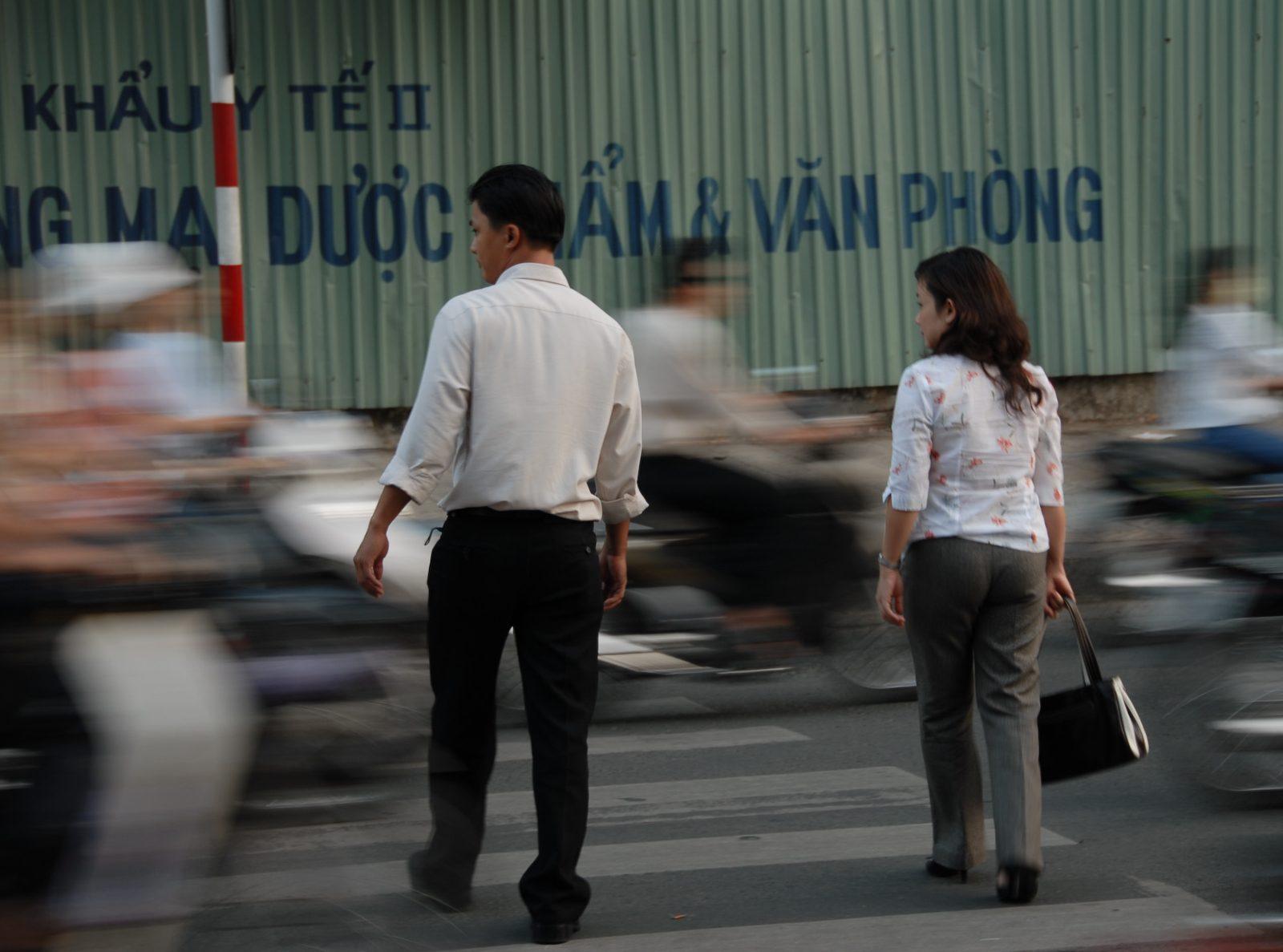
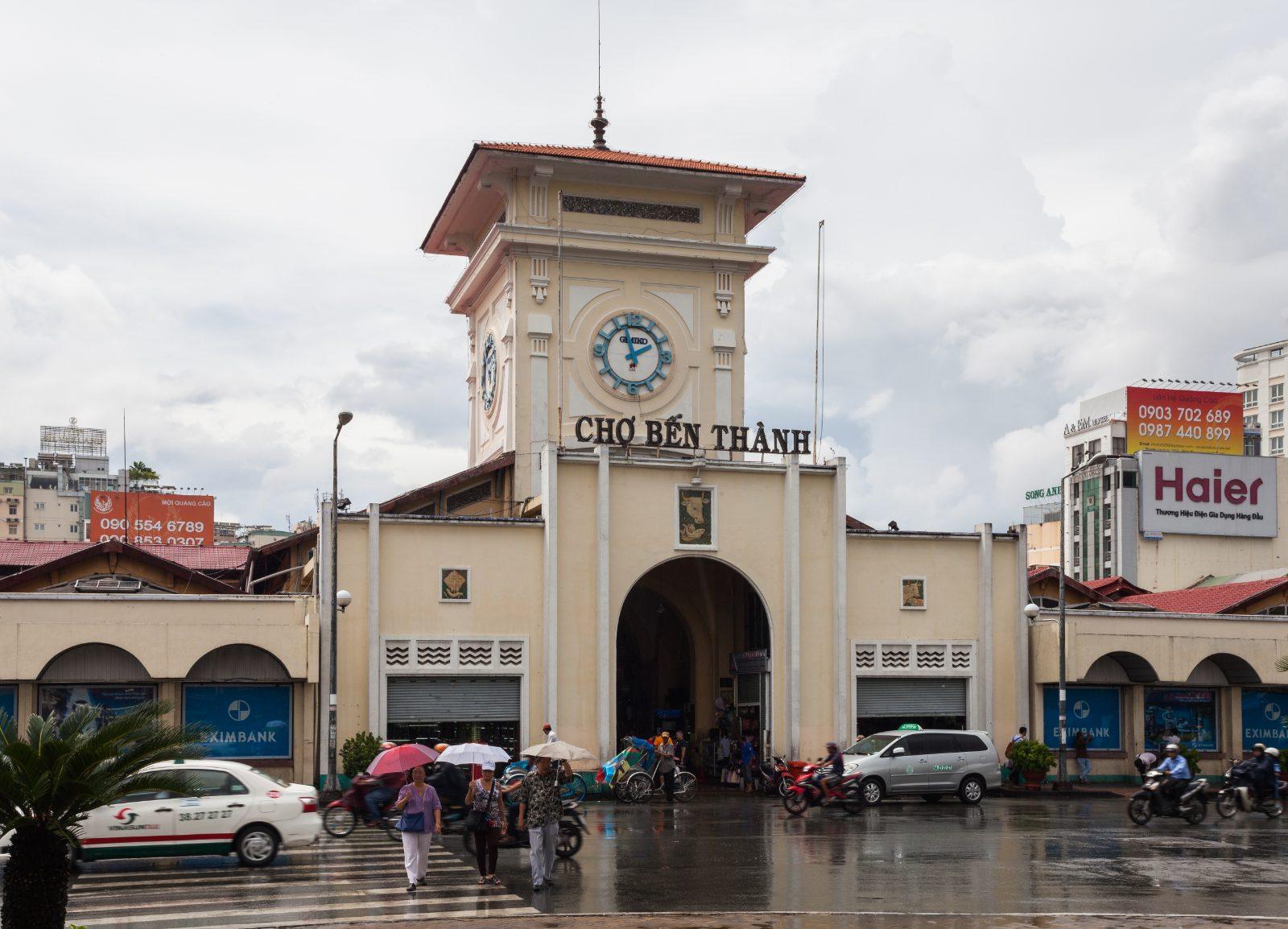
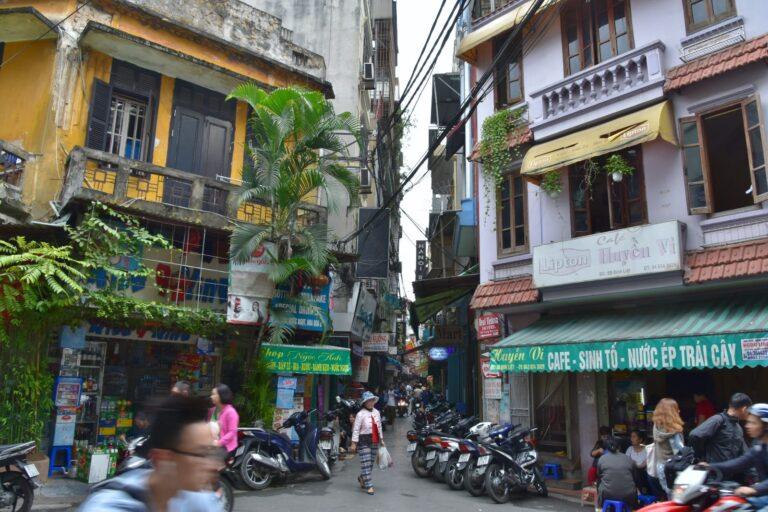
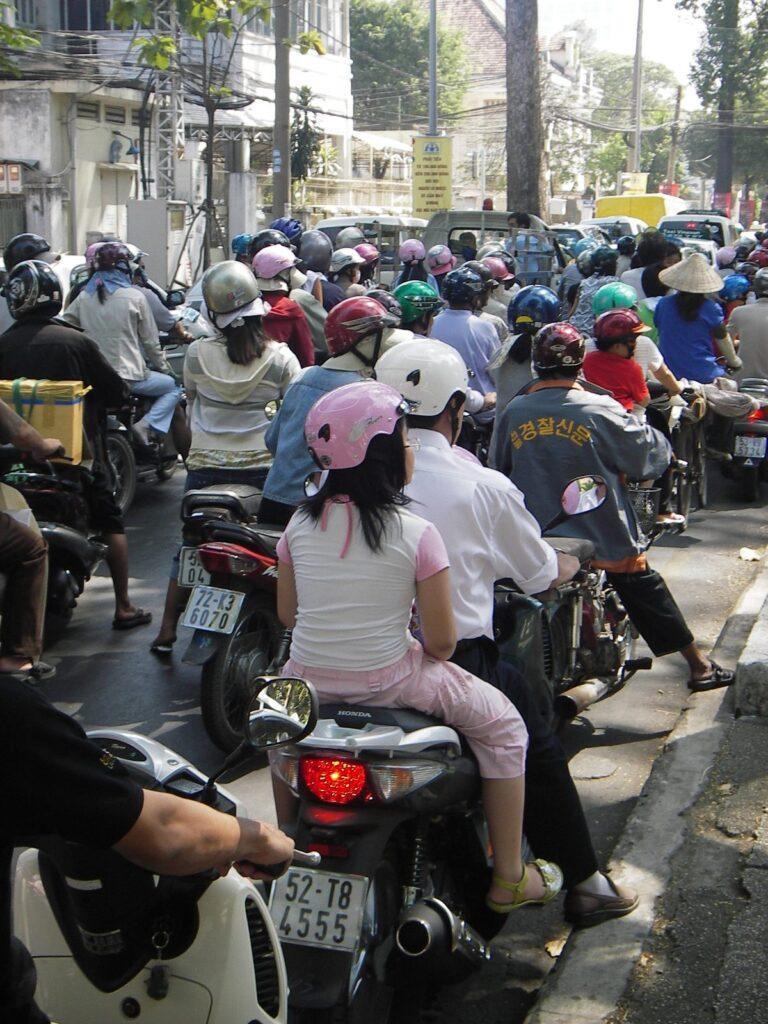
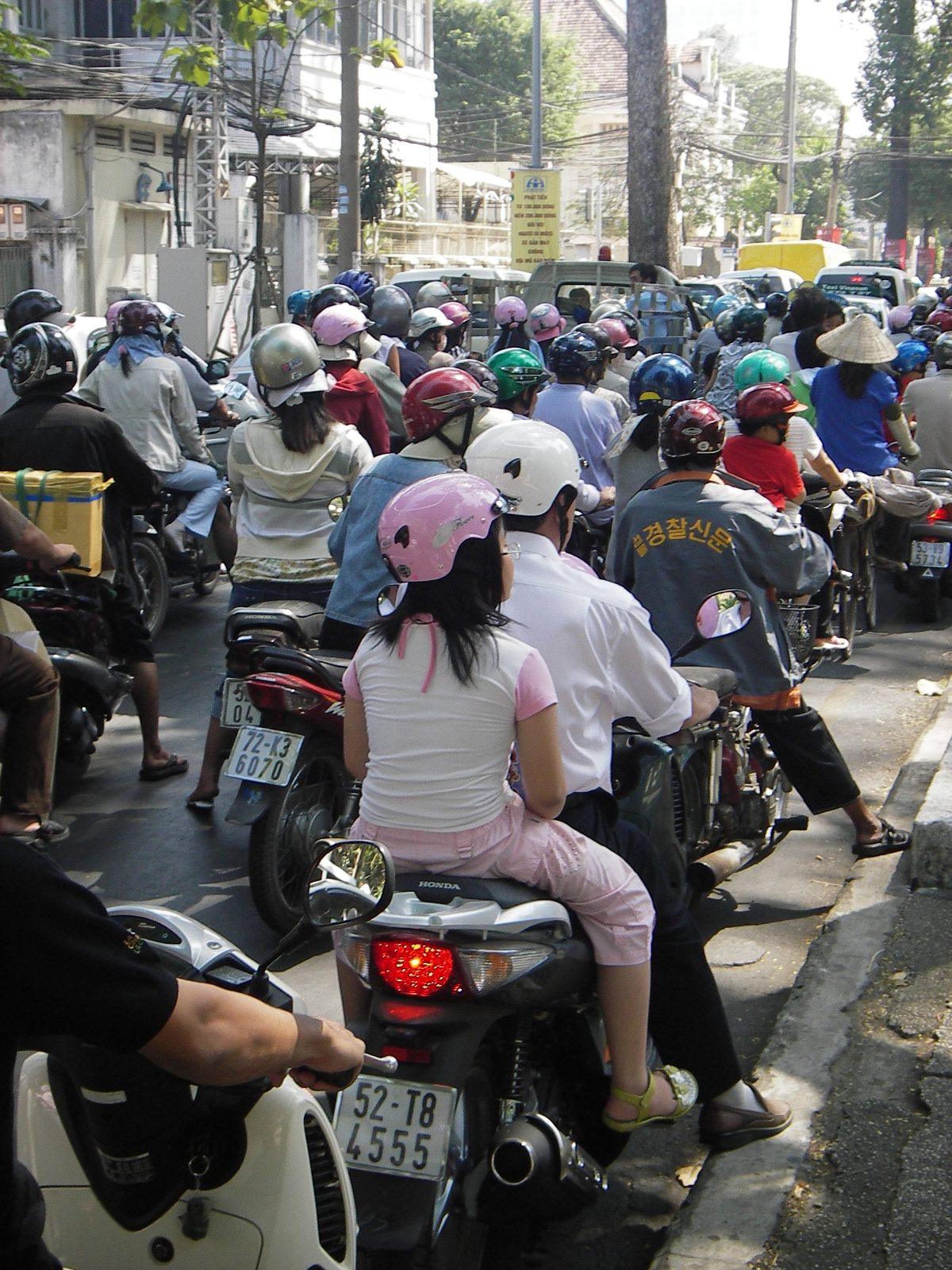
Crossing the street: Lucas Jans / CC BY-SA 2.0 · Ben Thanh Market: Diego Delso / CC BY-SA 3.0
Crossing the Street Without Panicking
Traffic does not stop for pedestrians the way it does at home, and that catches most first-time visitors off guard. The technique that actually works, repeated consistently by both locals and long-term expats: walk at a slow, steady, predictable pace, do not stop or dart, and let the motorbikes flow around you — they are watching for you and adjusting in real time, but only if your movement stays predictable. Never cross while looking at your phone.
The Bui Vien After-Dark Checklist
Bui Vien Street is genuinely fun and, per our nightlife guide, worth a night out. Two habits matter more than any other after dark: never accept an open drink from a stranger or leave your own drink unattended, and decline cigarettes offered by strangers — both drink-doctoring and drug-laced cigarettes have been documented in Vietnam’s nightlife areas. Stick with your group, and take a licensed taxi or Grab back rather than walking with valuables visible late at night.
Dress Codes & Everyday Etiquette
Cover shoulders and knees when visiting pagodas and temples — this is consistently expected across Vietnam, not just a suggestion. At markets like Ben Thanh, gentle haggling is normal and expected; at fixed-price stores, supermarkets, and official ticket counters, it is not. Tap water is not considered safe to drink — stick to bottled or filtered water throughout your trip.
For the full picture on safety and common scams across Vietnam beyond Saigon, see our Is Vietnam Safe? guide, and check what a short-term policy typically costs in our Vietnam Travel Insurance guide.
Explore More of Ho Chi Minh City
Frequently Asked Questions
Yes. The U.S. State Department rates Vietnam Level 1, “Exercise Normal Precautions,” its safest tier, and violent crime against visitors is rare. The main real risk is petty theft, especially drive-by bag and phone snatching from motorbikes.
Drive-by bag and phone snatching is the most frequently documented risk, followed by taxi meter scams and cyclo overcharging. Sticking to official taxis or Grab and carrying bags away from the road avoids most of it.
Generally yes with normal precautions. Watch your drink, keep valuables secured and out of sight, stay with your group, and take a licensed taxi or Grab back to your hotel rather than walking alone late at night.