
Bangkok Travel Guide: What to Do, See, and Eat
Bangkok is Thailand capital and the easiest entry point for most first-time visitors from the US, Canada, or Australia, combining centuries-old temples, some of the best street food in Asia, and one of the busiest nightlife scenes in the region. Most first-timers spend 3-4 days here before flying onward to Chiang Mai, Phuket, Krabi, or Koh Samui, or use it as a standalone city trip on its own.
Is Bangkok Worth Visiting?
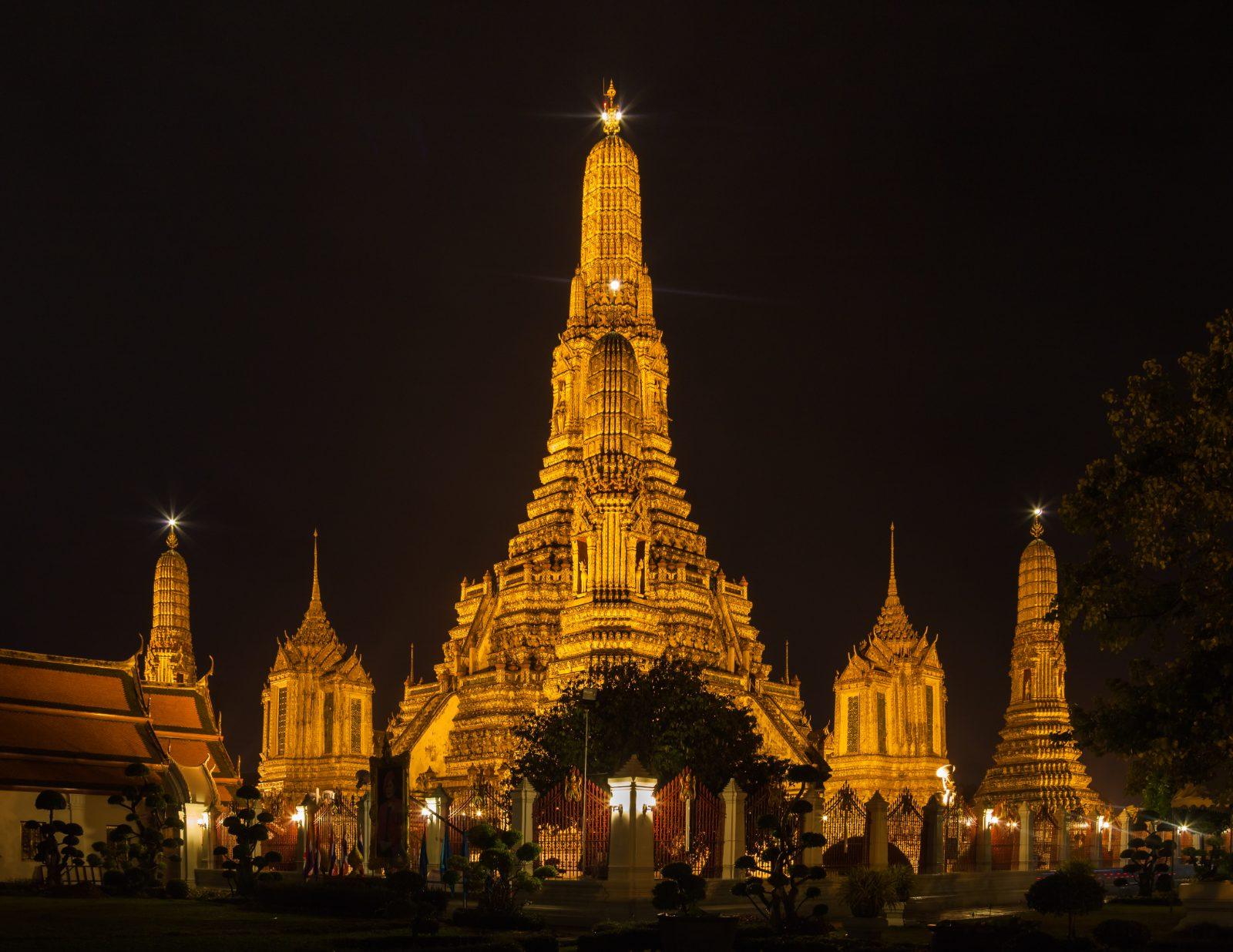
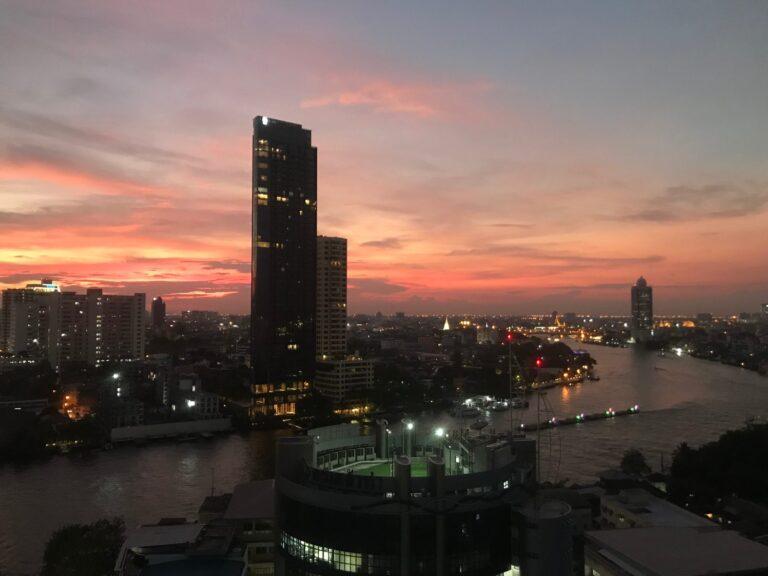
Yes — Bangkok earns its place as most travelers introduction to Thailand. Within a few square miles you can walk through the Grand Palace, cross the river to a 200-foot temple spire at Wat Arun, eat some of the best street food in the world for a few dollars, and end the night on a rooftop bar overlooking the skyline. It is chaotic in places and the traffic can be brutal, but the temples, food, and markets more than make up for it.
What Should You Do in Bangkok?
The Grand Palace and its temple, Wat Phra Kaew, are the essential first stop for most visitors, followed by Wat Pho next door and Wat Arun just across the river. Beyond temples, Chatuchak Weekend Market, a Chao Phraya river boat ride, and a Thai cooking class round out a well-paced first visit. We cover the full ranked list, including which ones are worth skipping if you are short on time, in our Best Things to Do in Bangkok guide.
TTC Verdict: Bangkok rewards a loose itinerary more than a packed one. Plan two temple visits, one market, and one river or food experience per day rather than trying to see everything — the traffic between neighborhoods eats more time than the sights themselves.
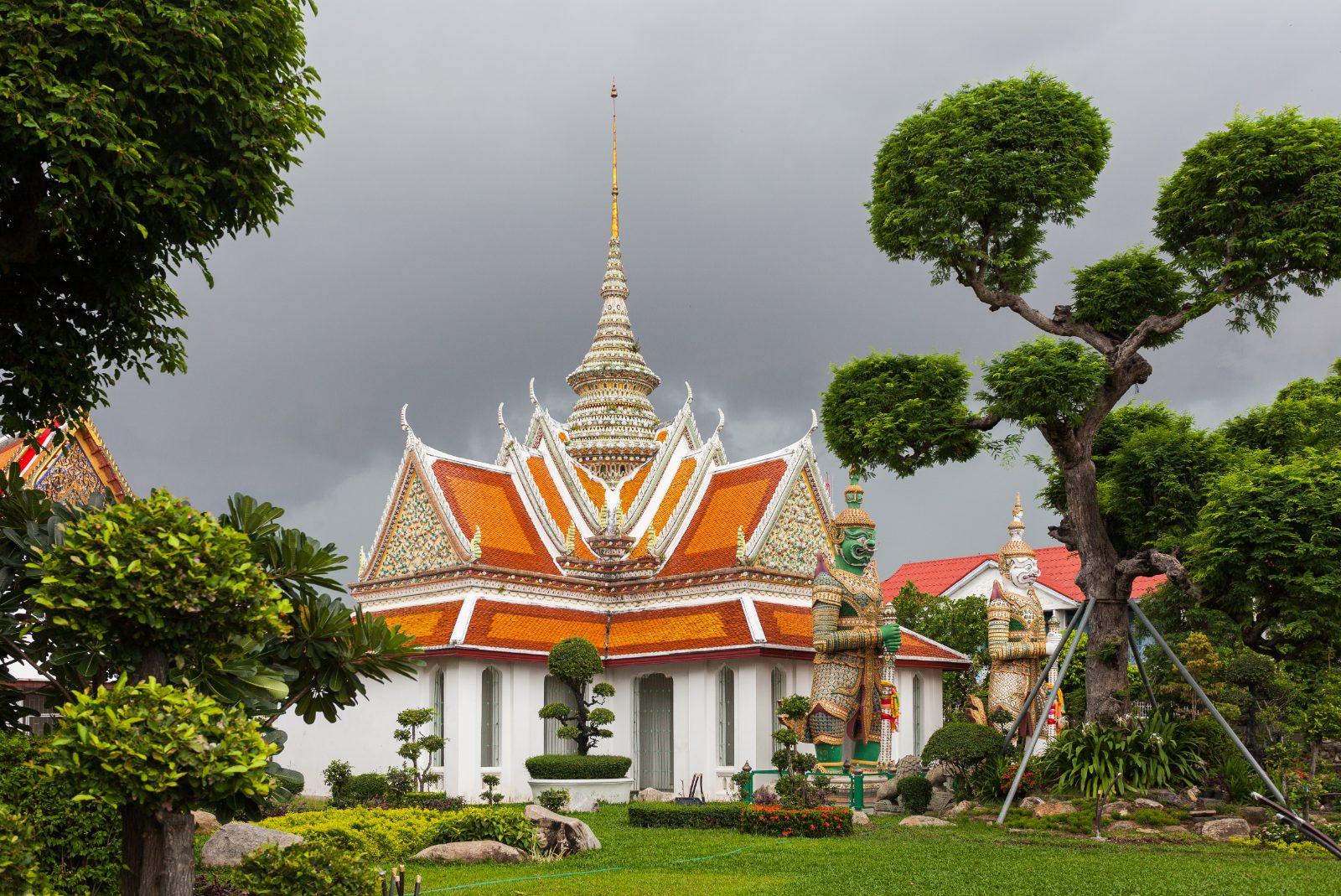
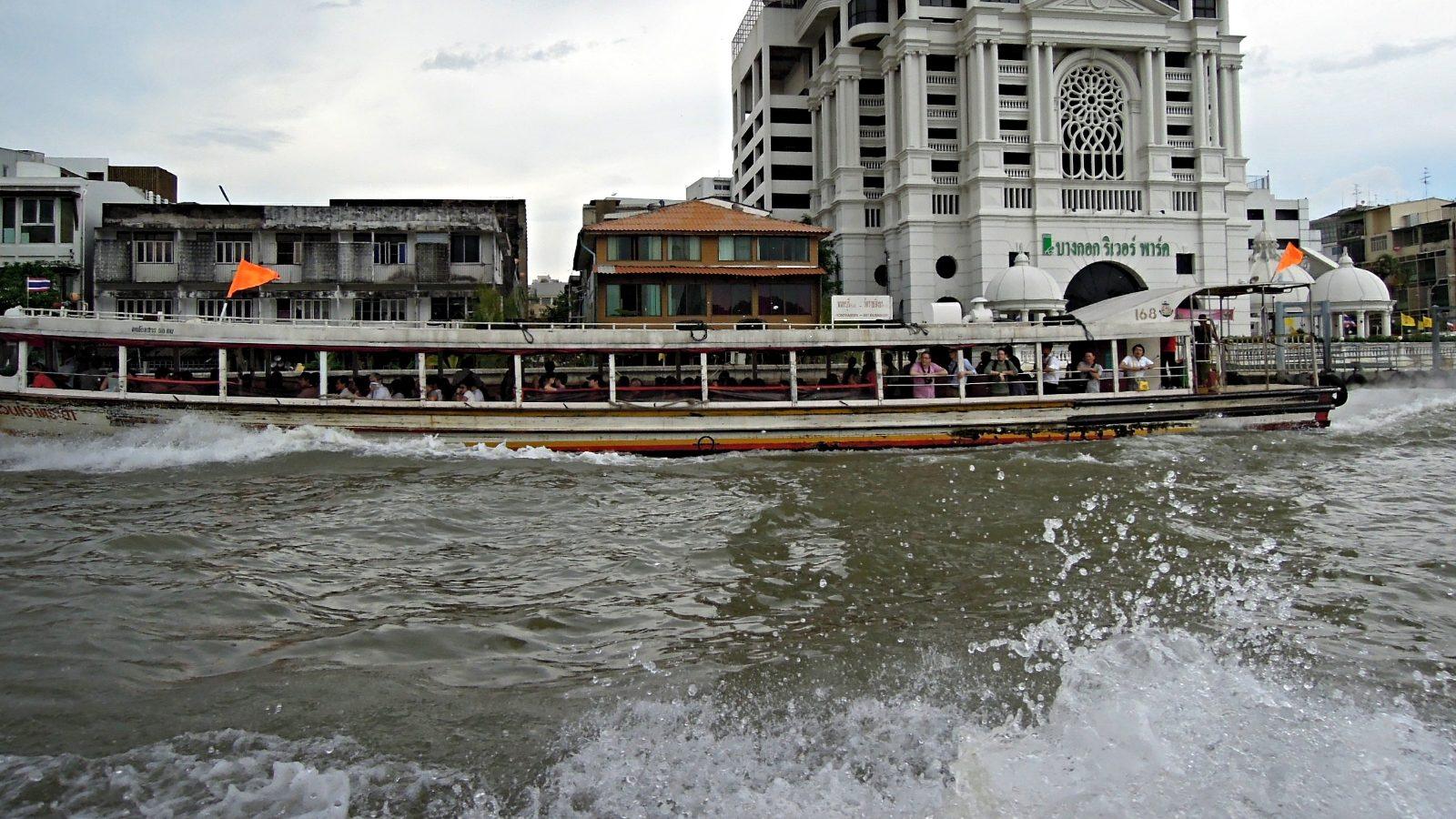
Wat Arun, Temple of Dawn: Diego Delso / CC BY-SA 3.0 · Chao Phraya Express Boat: David McKelvey / CC BY 2.0
Where Should You Stay in Bangkok?
Sukhumvit is the most convenient base for first-timers, with the BTS Skytrain running through it and easy access to both nightlife and the airport rail link. The Old City (Rattanakosin) puts you closer to the Grand Palace and river temples but with fewer transit options, and Khao San Road is the backpacker hub if budget and nightlife matter more than quiet. Our full Bangkok neighborhood guide breaks down which areas to avoid too. [affiliate link: Booking.com — Bangkok hotels] [affiliate link: Agoda — Bangkok hotels]
How Do You Get Around Bangkok?
The BTS Skytrain and MRT subway cover most of the tourist areas and are the fastest way to avoid Bangkok notorious traffic. Grab (Southeast Asia ride-hailing app) is the easiest way to book a taxi without haggling over price, and Chao Phraya river boats double as both transportation and a sightseeing ride past the riverside temples. (fares are approximate and change seasonally, so confirm current prices before you go).
Yes. Bangkok combines major cultural sights like the Grand Palace, Wat Pho, and Wat Arun with some of the best street food in Southeast Asia and an easy public transit system, making it a strong first stop for most Thailand itineraries.
3-4 days is enough to cover the main temples, a market, and a food or nightlife outing without rushing. Add a day or two if you plan a day trip outside the city.
Bangkok is generally safe for tourists, with the most common issues being petty scams (overpriced tuk-tuk rides, gem scams) rather than violent crime. Sticking to metered taxis or Grab, and being skeptical of unsolicited offers near tourist sites, avoids most of them. — confirm current safety guidance before you travel.
5 Comments