Chiang Mai Food Guide: What to Eat in Northern Thailand
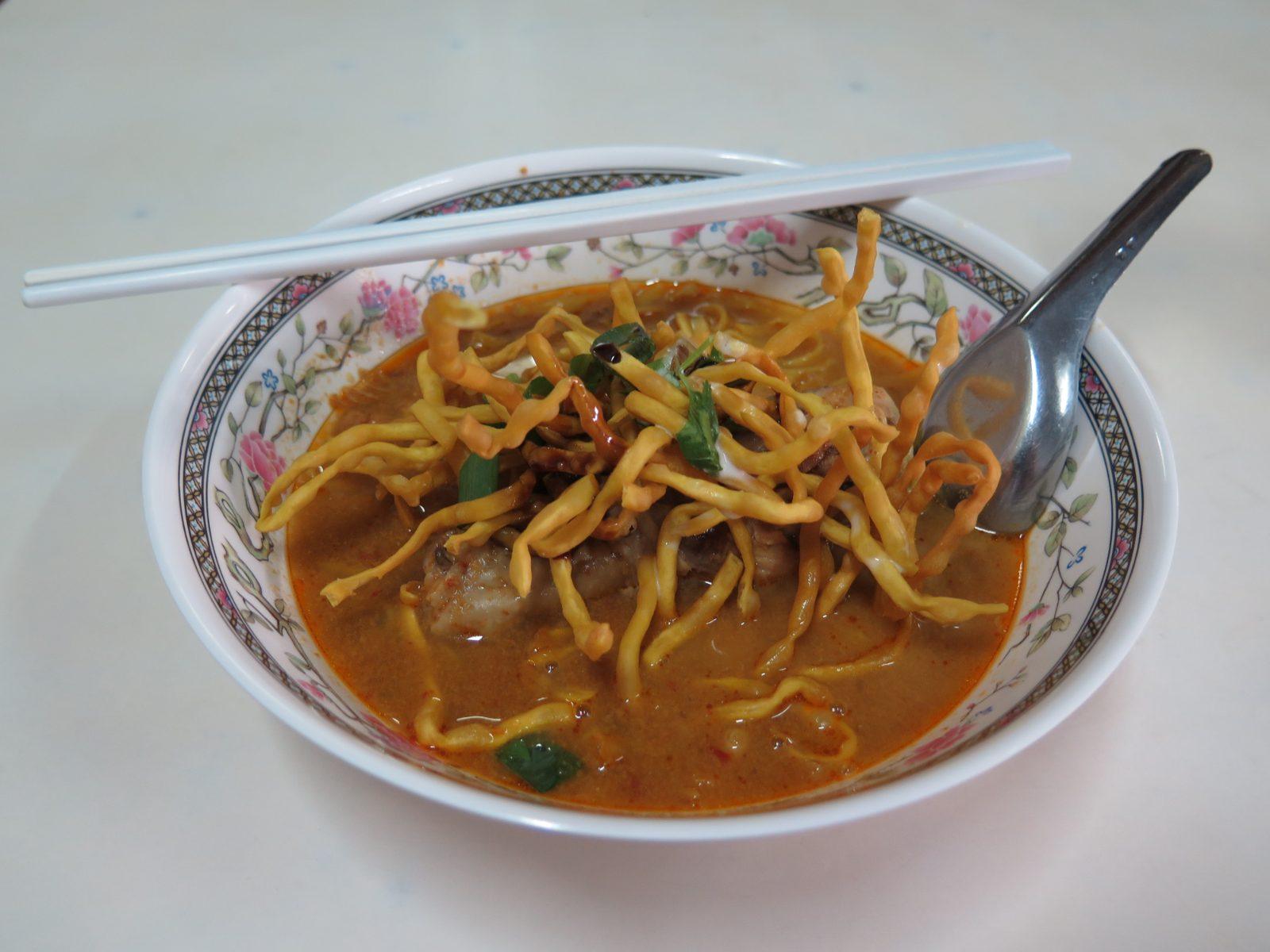
Chiang Mai’s food is distinctly northern Thai, or Lanna cuisine: milder and more herb-forward than the dishes most visitors already know from Bangkok, built around sticky rice instead of jasmine rice, and shaped by real Burmese and Shan influence. The one dish to try first is khao soi, a curried coconut noodle soup that is almost unique to the north, followed by sai oua (herb-packed grilled sausage) and a plate of sticky rice with mango if it is in season.
What Makes Northern Thai Food Different?
Lanna food leans on ginger, turmeric, and fresh herbs rather than the coconut-cream-heavy curries common in central and southern Thailand, and it is generally less sweet. Sticky rice (khao niao), eaten by hand, replaces jasmine rice as the everyday staple. The cuisine also carries visible Burmese and Shan fingerprints — khao soi itself is believed to have Burmese roots — a result of Chiang Mai’s history as the capital of the once-independent Lanna kingdom and its position on old overland trade routes.
What Are the Must-Try Dishes in Chiang Mai?
Beyond khao soi, a handful of other northern dishes are worth seeking out specifically, since most are rarely done well outside this region.
| Dish | What It Is | Where to Find It |
|---|---|---|
| Khao Soi | Curried coconut noodle soup with crispy and boiled egg noodles | Dedicated khao soi stalls and most northern Thai restaurants |
| Sai Oua | Grilled herb-and-chili pork sausage | Markets and northern Thai restaurants, often sold by the piece |
| Nam Prik Noom | Roasted green chili relish, eaten with sticky rice and vegetables | Northern-style restaurants, usually alongside other relishes |
| Gaeng Hang Lay | Tamarind-and-pork curry with Burmese roots, lighter than it looks | Traditional Lanna restaurants |
| Khanom Jeen Nam Ngiao | Rice noodles in a tomato-and-pork broth | Markets and local noodle shops |
| Khao Niao Mamuang | Sticky rice with mango and coconut cream | Market stalls, seasonal (best in the hot season) |
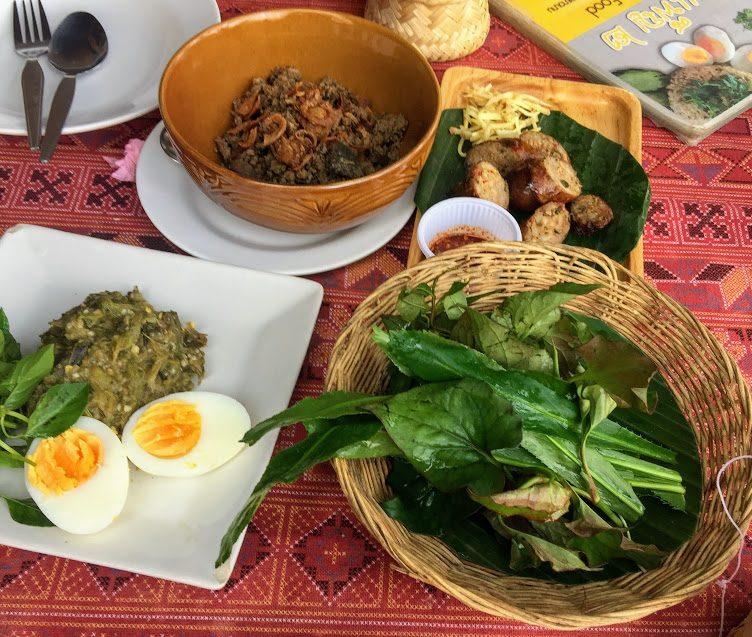
Khao Soi: Douglas Perkins / CC BY 4.0 · Northern Thai platter: 2ndoct / CC BY-SA 4.0
Where Can You Find the Best Khao Soi?
Dedicated khao soi stalls are scattered across the Old City and the markets around Chang Phuak Gate, and the dish is common enough that most northern Thai restaurants serve a solid version. Khao Soi Mae Sai, a long-running stall near the Chang Phuak bus terminal, is one of the city’s most-cited khao soi spots in travel write-ups, though as with any specific small business, it is worth confirming current hours and location before making a special trip.
What Do You Actually Learn in a Thai Cooking Class?
A typical half-day class starts with a trip to a local market to learn the core ingredients, then moves to hands-on cooking of 4 to 6 dishes — usually a curry paste made from scratch, pad thai, a stir-fry, and a soup or dessert — finishing with a shared meal of everything you made. It is one of the more consistently well-reviewed activities in Chiang Mai precisely because it is hands-on rather than a demonstration. [affiliate link: Klook or GetYourGuide — Chiang Mai half-day Thai cooking class]
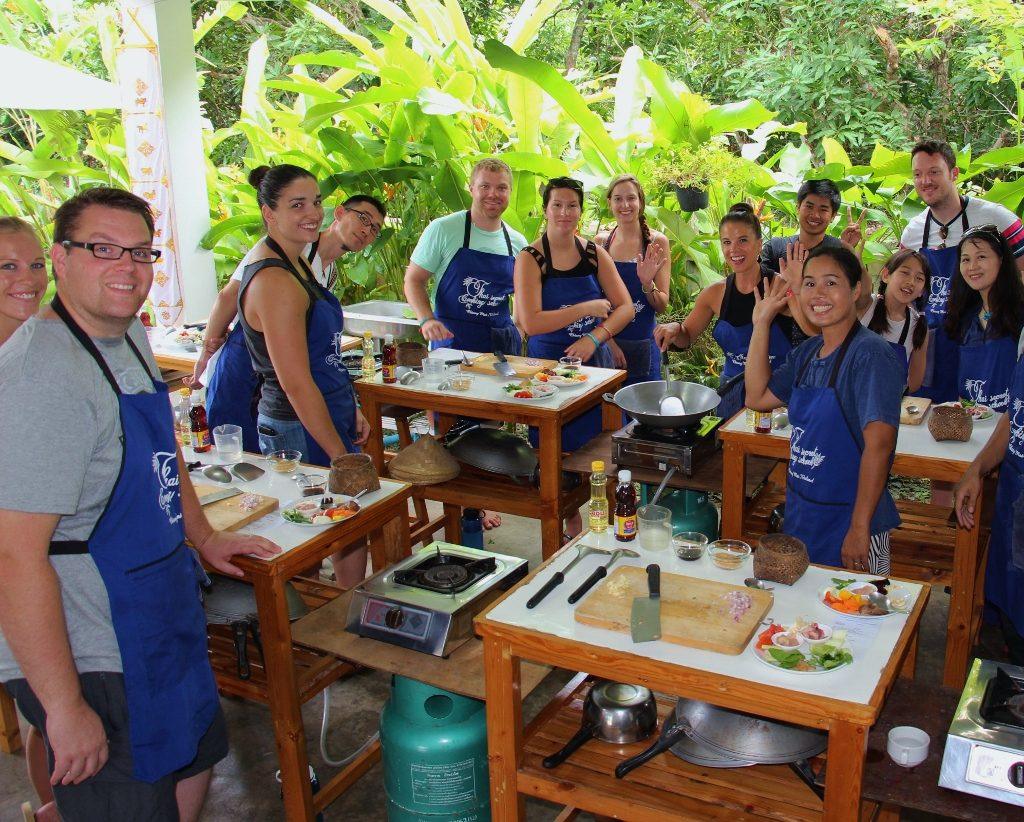
Cooking class: Thai Secret Cooking School / CC BY-SA 4.0
Is It Easy to Eat Vegetarian or Vegan in Chiang Mai?
Yes, more easily than in many parts of Thailand. Chiang Mai has a large expat and wellness-tourism population, which supports a steady number of dedicated vegetarian and vegan restaurants, and many Buddhist-run stalls near temples sell “jay” (strict vegan) food, especially during the annual Vegetarian Festival. Outside of that, asking for dishes “jay” or without fish sauce and shrimp paste works at most market stalls, though cross-contact with fish sauce is common in made-to-order cooking.
TTC Verdict: Start with khao soi on day one — it is the dish Chiang Mai does better than anywhere else in Thailand — and build the rest of your food list around the Old City’s northern Thai restaurants and a half-day cooking class rather than chasing a single “best” restaurant.
Khao soi, a curried coconut noodle soup topped with crispy fried noodles, is the dish most associated with Chiang Mai and northern Thailand. It is distinct from the curries found in Bangkok or southern Thailand.
Generally milder than central or southern Thai food, with more emphasis on herbs, ginger, and turmeric. Some dishes, especially chili relishes (nam prik), can still be quite spicy, so it is fine to ask for a milder version.
Khao soi is a noodle soup, not a dry curry served over rice, and it mixes crispy fried egg noodles into a coconut-curry broth with boiled noodles underneath. Its flavor is believed to have Burmese roots, which sets it apart from the central Thai curries most visitors already know.