

Best Time to Visit Vietnam: A Region-by-Region Guide
There is no single best time to visit all of Vietnam, because the north, center, and south run on three different weather patterns at once. The short answer for a first trip covering multiple regions: February to April, when the north is warming up, central Vietnam is dry, and the south is still in its dry season everywhere except the far south’s hottest weeks. Here is the region-by-region breakdown to plan around.
| Region | Best Months | Avoid |
|---|---|---|
| North (Hanoi, Ha Long Bay) | March–May, September–November | June–August (heaviest rain, hot and humid) |
| Central (Da Nang, Hoi An, Nha Trang) | February–April | September–November (typhoon season, peaks in September) |
| South (Ho Chi Minh City, Mekong Delta) | December–April (dry season) | May–November (wet season — heavy afternoon downpours, not all-day rain) |
TTC Verdict: If your itinerary crosses all three regions on one trip, aim for February to April — it is the only window where the north is warming up, central Vietnam is past typhoon season, and the south is still dry. Outside that window, pick your itinerary to match whichever region\u2019s weather you are prioritizing rather than fighting the season.
Northern Vietnam (Hanoi, Ha Long Bay, Sapa)
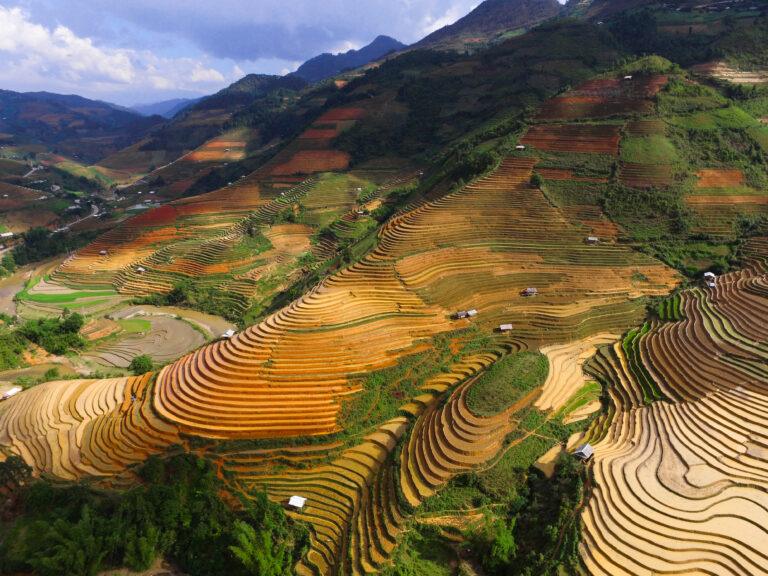
The north has genuine seasons — this is the part of Vietnam that actually gets cold. March to May and September to November are the sweet spots, with comfortable temperatures and lower rainfall. June through August brings the heaviest rain along with heat and humidity in the high 20s to mid-30s Celsius. December through February is dry but can be cold and foggy, especially in the mountains around Sapa, where temperatures can drop below 10°C, occasionally near freezing in the coldest snaps. For Ha Long Bay cruising specifically, April and May are frequently recommended as the clearest window. See our full Hanoi travel guide for more on planning around the city’s seasons.
Central Vietnam (Da Nang, Hoi An, Nha Trang)
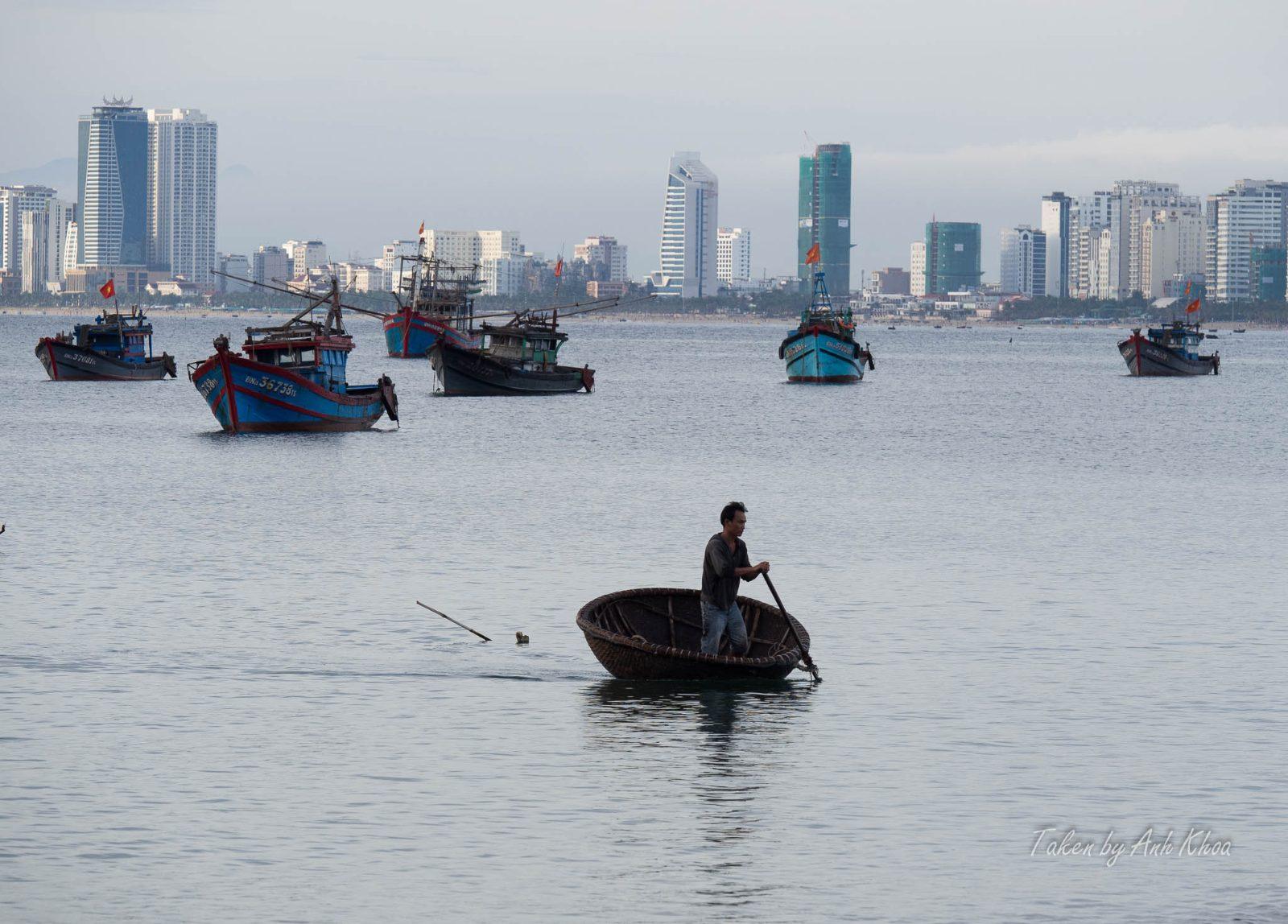
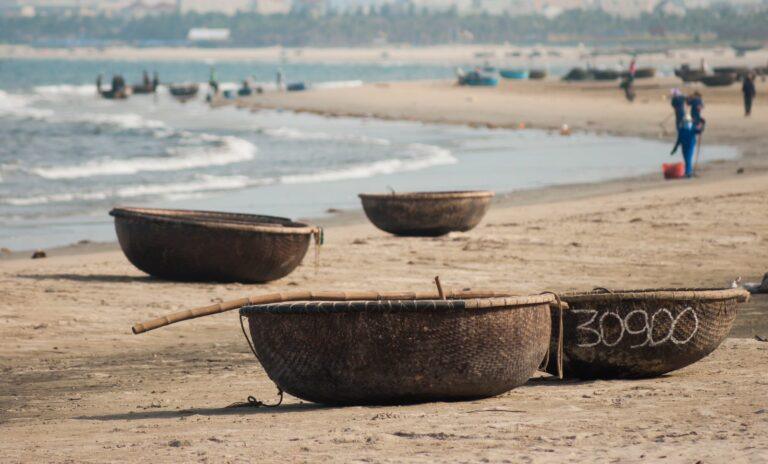
February through April is the most reliable window for central Vietnam — dry, and not yet at peak summer heat. September through November is typhoon season, peaking in September, and is worth actively avoiding if your dates are flexible. Nha Trang runs slightly drier than Da Nang and Hoi An year-round, making it a reasonable fallback if your trip has to land in the shoulder months. See our full Da Nang travel guide and Nha Trang things to do guide for more.

Southern Vietnam (Ho Chi Minh City, Mekong Delta)
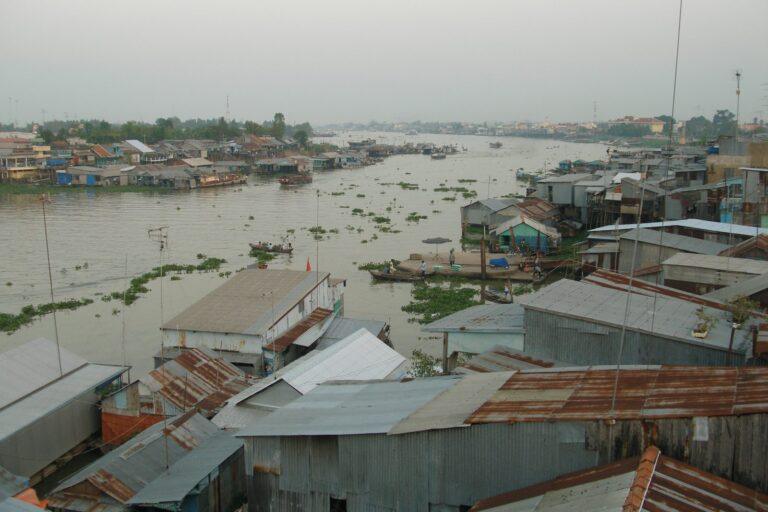
The south runs on a simple two-season pattern: dry from December to April, wet from May to November. “Wet” here means predictable heavy afternoon downpours rather than all-day rain, so it is more manageable than it sounds — mornings are typically clear even in the wet season. March and April are the hottest, driest months. See our full Ho Chi Minh City travel guide for more on the city’s climate.
March is the single best all-around month for a trip covering multiple regions \u2014 the north is warming up, central Vietnam is dry and before peak heat, and the south is still in its dry season.
Avoid central Vietnam from September to November (typhoon season, peaking in September) and avoid the north from June to August (heaviest rainfall combined with high heat and humidity). The south\u2019s wet season, May to November, is more manageable since it means afternoon downpours rather than all-day rain.
Yes, significantly. The north has four real seasons including a cold winter, central Vietnam has a distinct typhoon season, and the south runs on a simple two-season wet/dry pattern near the equator. A single “best time to visit Vietnam” only applies loosely if your trip covers more than one region.



2 Comments
Comments are closed.