
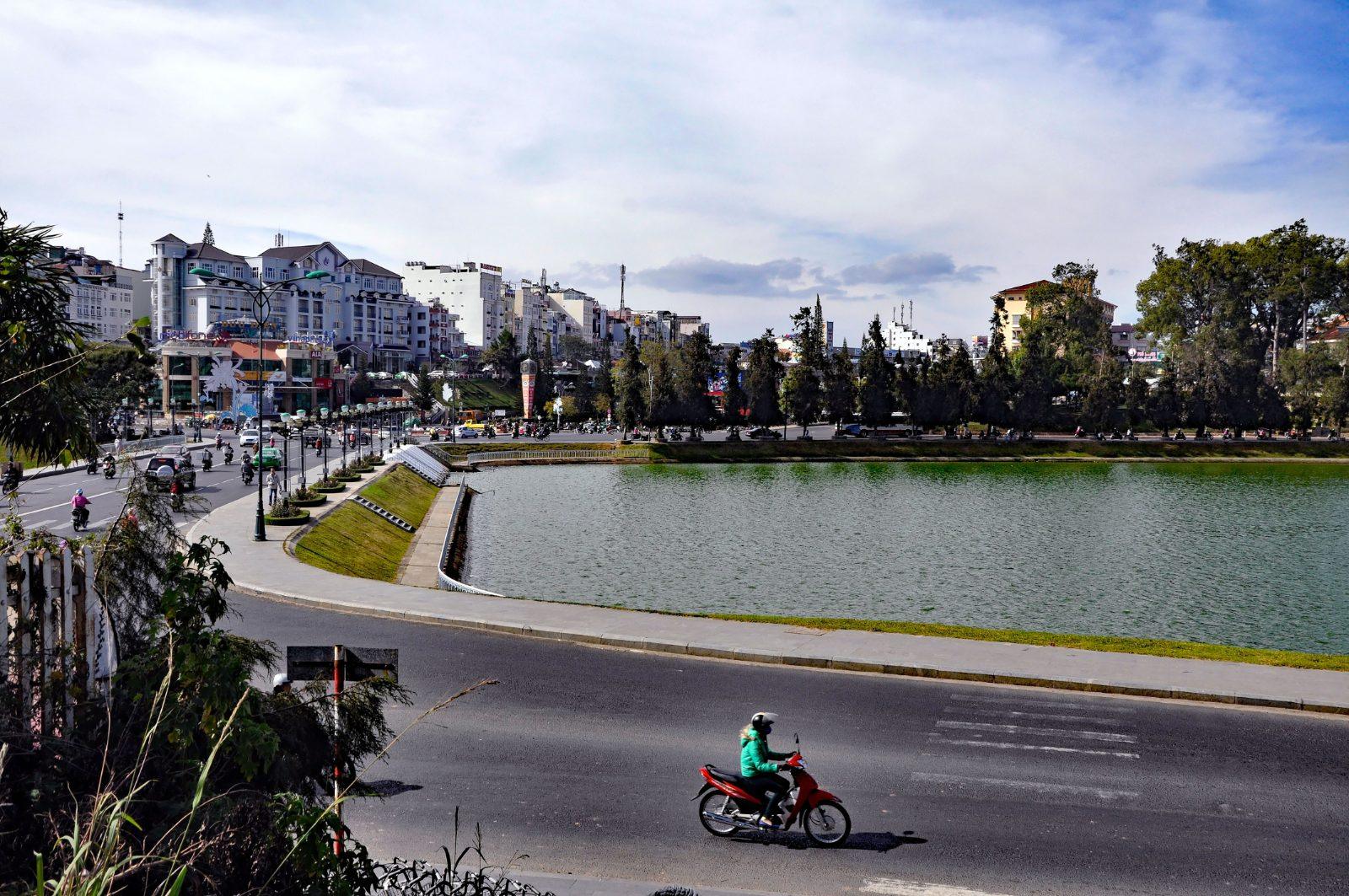
Da Lat Travel Guide: Everything to Know Before You Go
Da Lat is a hill town in Vietnam’s Central Highlands, sitting at roughly 1,500 meters above sea level, which gives it a cool, spring-like climate found nowhere else in the country. Travelers come for pine forests, flower farms, French colonial architecture left over from its days as a colonial hill station, and a coffee culture built around the surrounding highland farms — Vietnam’s other major coffee region, Buon Ma Thuot, grows the robusta side of that story a few hundred kilometers north. It pairs naturally with a beach-heavy Vietnam trip as the cool, green counterpoint to Ho Chi Minh City, Nha Trang, or Phu Quoc.
What Makes Da Lat Different From the Rest of Vietnam?
Da Lat earns its nickname, the “City of Eternal Spring,” from its elevation: at around 1,500 meters, it stays noticeably cooler than Vietnam’s lowland cities year-round, with evenings that can drop to 10 to 15°C in the cooler months. French colonists built it as a hill-station retreat from the heat in the early 20th century, which is why the city still has colonial villas, a heritage railway station, and a Catholic cathedral alongside its flower farms and pine forests. It is Vietnam’s main coffee-growing region as well, so cafe culture here runs deeper than almost anywhere else in the country.
| Feature | Da Lat | Sapa |
|---|---|---|
| Elevation | ~1,500 meters | ~1,600 meters |
| Climate feel | Cool and spring-like year-round | Cool to cold, can be foggy or rainy |
| Main draw | Flower farms, coffee culture, colonial architecture | Rice terrace treks, hill-tribe villages |
| Culture | French colonial legacy, Vietnamese highland farming | Hmong, Dao, and other ethnic minority communities |
| Access from | Ho Chi Minh City or Nha Trang | Hanoi |
| Best for | Coffee lovers, gardens, a relaxed cool-weather break | Trekkers and travelers wanting hill-tribe culture |
TTC Verdict: Da Lat and Sapa are both escapes from Vietnam’s heat, but they suit different trips. Choose Da Lat if your route runs through the south and you want gardens, coffee farms, and colonial architecture without serious trekking. Choose Sapa if your route runs through the north and you want to trek through rice terraces and hill-tribe villages.
How Do You Get to Da Lat?
Most travelers reach Da Lat from Ho Chi Minh City or Nha Trang, since it sits inland between the two on Vietnam’s south-central route.
| From | Method | Duration | Notes |
|---|---|---|---|
| Ho Chi Minh City | Sleeper bus or private car | 6–7 hours | Most affordable option; overnight buses save a travel day |
| Ho Chi Minh City | Flight to Lien Khuong Airport | About 1 hour flight + 30 min transfer | Fastest option, worth it on a tight schedule |
| Nha Trang | Private car or bus | 3–4 hours | Scenic mountain-pass drive; a natural add-on to a beach stop |


Crazy House: Wikimedia Commons contributor · Langbiang Mountain: Wikimedia Commons contributor
How Many Days Do You Need in Da Lat?
Two to three days is enough to see Da Lat’s essentials without rushing: one day for the city center and Crazy House, one day for Langbiang Mountain or Datanla Waterfall, and an optional third day for the flower farms and coffee plantations outside town. See our full Da Lat itinerary for a day-by-day plan.
Two to three days covers Da Lat’s main sights comfortably: the city center and Crazy House, one of the surrounding attractions like Langbiang Mountain or Datanla Waterfall, and time for the flower farms and coffee plantations just outside town.
Yes, especially as a cool-weather break in an otherwise hot and humid Vietnam itinerary. It offers a genuinely different experience from the country’s beach cities and historic centers: French colonial architecture, flower and coffee farms, and mountain scenery at a comfortable, mild temperature.
Da Lat is known for its cool highland climate, French colonial buildings left from its history as a hill-station retreat, flower farms, coffee production, and unusual architecture, most famously the Hang Nga Crazy House.
December through March is generally considered the best window, with clear skies and blooming flowers. October and November bring a cooler, mistier atmosphere that some travelers prefer, while April through June offers spring weather with fewer crowds.
2 Comments