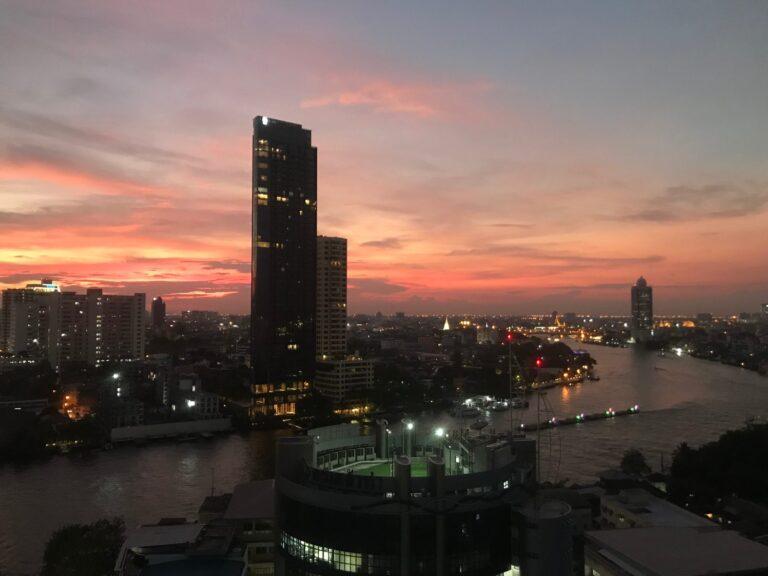
Chiang Mai Travel Guide: What to Do, See, and Know Before You Visit
Chiang Mai is northern Thailand’s cultural capital: a walkable old city ringed by a 700-year-old moat, hundreds of Buddhist temples, a growing digital-nomad cafe scene in Nimman, and mountain day trips like Doi Suthep and Doi Inthanon within an hour’s drive. Most first-time visitors need 3 to 4 days to see the highlights without rushing, and the best months to go are November through early February, before the region’s dry-season haze sets in.
How Many Days Do You Need in Chiang Mai?
Most travelers are comfortable with 3 to 4 days in Chiang Mai: enough time for the Old City’s temples, one night market, a half-day trip outside town, and a slower morning or two. Two days works for a stopover between other Thailand destinations, while five or more suits travelers adding a Pai overnight or spending real time in Nimman’s cafes.
| Trip Length | Good For | What You’ll Cover |
|---|---|---|
| 2 days | A quick stopover between Bangkok and other Thailand stops | Old City temples plus one night market |
| 3-4 days (recommended) | First-time visitors | Old City, Doi Suthep, and a cooking class or ethical elephant sanctuary |
| 5-7 days | Slower trips, digital nomads, or Pai add-ons | Everything above, plus Doi Inthanon, an overnight in Pai, and time in Nimman |
TTC Verdict: Book 3 nights minimum. Chiang Mai rewards a slower pace than Bangkok, and rushing through in a single day means skipping either the mountain temples or the markets — not both.
When Is the Best Time to Visit Chiang Mai?
The best window is November through early February, when days are warm, skies are generally clear, and humidity is lower than the rest of the year. From late February through April, northern Thailand’s agricultural burning season can bring heavy smoke and haze, with March typically the worst month for air quality.
What Are the Best Things to Do in Chiang Mai?
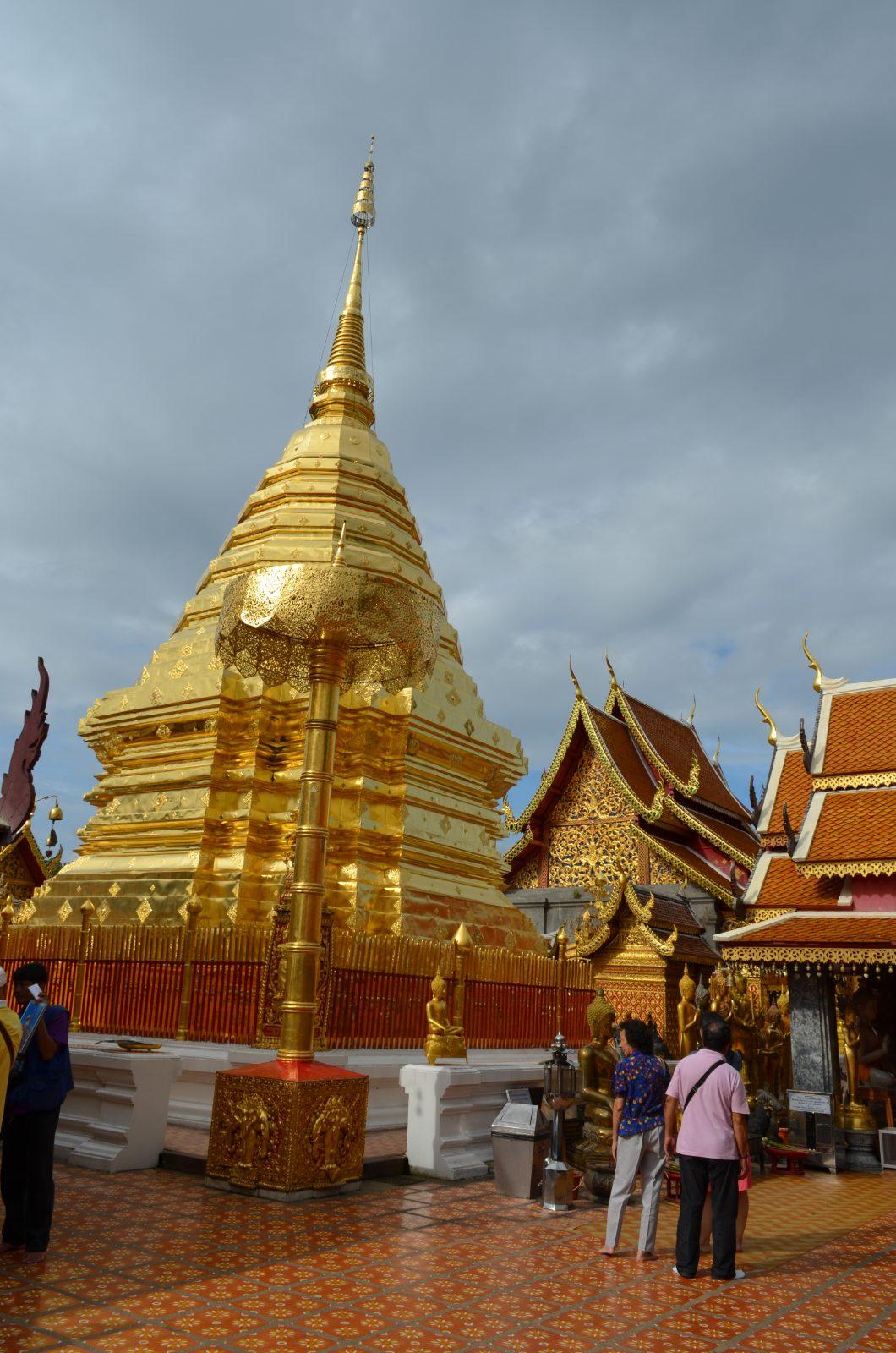
The short list for most visitors is the same: Wat Phra That Doi Suthep for the mountaintop view and gold chedi, the Old City temples of Wat Chedi Luang and Wat Phra Singh on foot, one of the weekend walking street markets, and a half-day outside the city at an ethical elephant sanctuary or Doi Inthanon National Park.
| Attraction | Type | Time Needed |
|---|---|---|
| Wat Phra That Doi Suthep | Mountain temple + viewpoint | Half day, including the drive up |
| Wat Chedi Luang & Wat Phra Singh | Old City temples | 2-3 hours on foot |
| Sunday Walking Street | Night market (Old City, weekly) | 2-3 hours, evening |
| Ethical elephant sanctuary | Wildlife experience | Half day |
| Thai cooking class | Hands-on experience | Half day |
| Doi Inthanon National Park | Nature day trip | Full day |
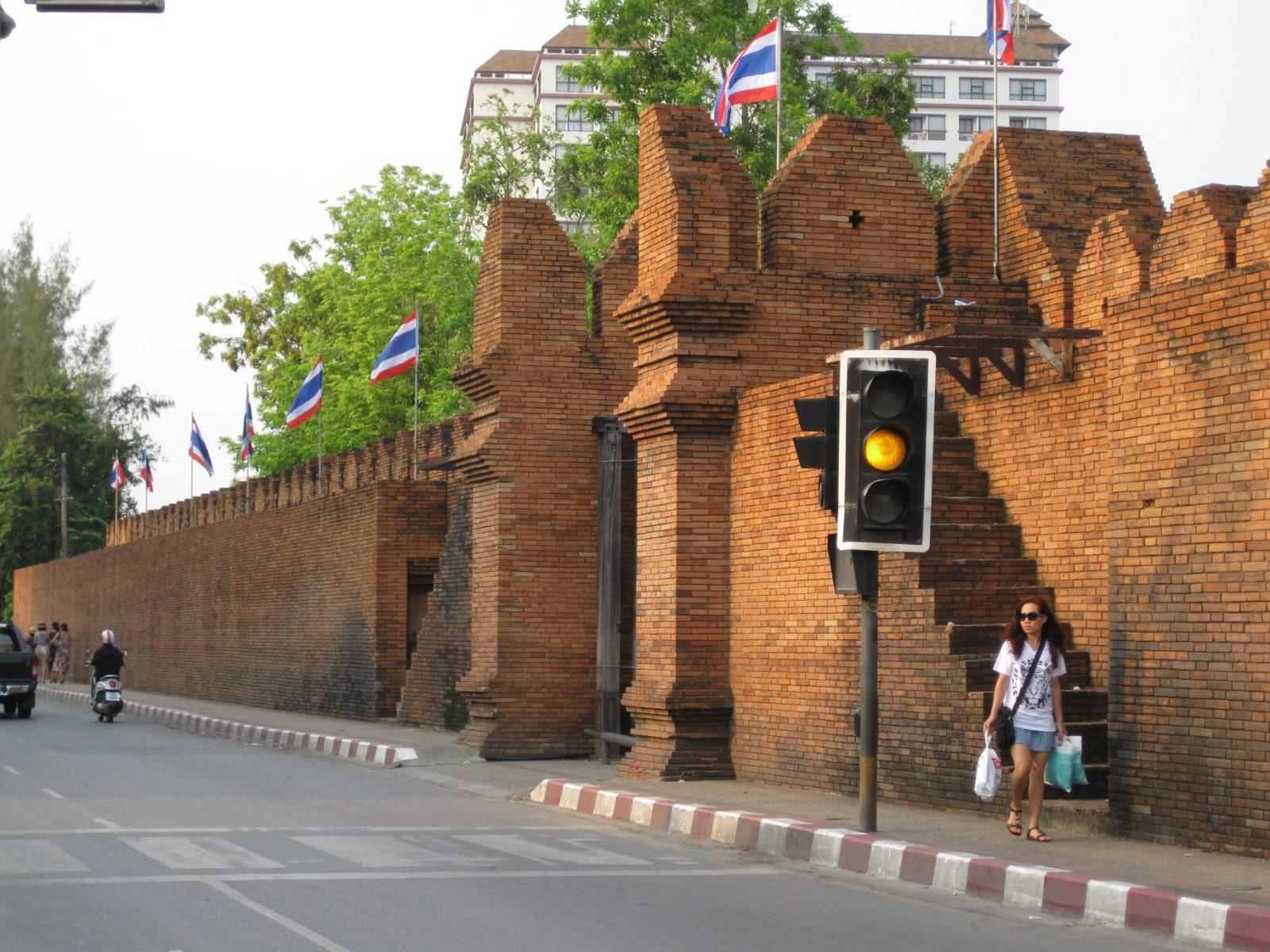

Tha Phae Gate: shankar s. / CC BY 2.0 · Sunday Walking Street: Takeaway / CC BY-SA 4.0
Chiang Mai has dozens of operators offering elephant experiences, and the difference between them matters. Most animal welfare organizations recommend observation- and feeding-based sanctuaries over riding or bathing shows, since riding in particular has well-documented welfare concerns for the animals. Read reviews carefully and look for operators that are explicit about not offering rides. [affiliate link: Klook — ethical elephant sanctuary half-day tour]

Doi Inthanon Royal Pagoda: Vyacheslav Argenberg / CC BY 4.0
Doi Inthanon is Thailand’s highest point, about 90 minutes from Chiang Mai, and makes an easy full-day trip covering cloud forest trails, waterfalls, and the King and Queen’s royal pagodas. Most visitors join a guided day tour rather than self-driving, since the park roads and trailheads are spread out and English signage is limited. [affiliate link: Klook or GetYourGuide — Doi Inthanon National Park day tour]
Where Should You Stay in Chiang Mai?
Old City is the easiest first choice: walkable, packed with temples, and close to the main night markets. Nimman suits travelers who want cafes, co-working spaces, and a livelier food and bar scene, while Riverside is the calmer, more resort-style option. Our full neighborhood breakdown covers all of them in detail. [affiliate link: Booking.com or Agoda — Old City hotels]
How Do You Get Around Chiang Mai?
Grab (the regional ride-hailing app) covers most trips reliably and is the simplest option for visitors. Red songthaews — shared pickup trucks that run informal routes around the city — are a cheaper, slower alternative, and the Old City itself is compact enough to explore on foot. Scooter rental is popular but comes with real risk for travelers unused to Thai traffic patterns.
Is Chiang Mai Safe for First-Time Visitors?
Chiang Mai is generally very safe, with low rates of violent crime against tourists. The most common real risk for visitors is traffic, particularly scooter accidents, rather than crime. Petty scams exist but are less aggressive than in Bangkok, and tap water should be treated as non-potable — stick to bottled or filtered water, which is sold everywhere.
TTC Verdict: Chiang Mai works best at a slower pace than Bangkok. Base yourself in the Old City for your first visit, build in at least one full day outside the city for the mountains, and avoid the late-February-to-April burning season if you can choose your dates.
Most first-time visitors are comfortable with 3 to 4 days, which covers the Old City temples, one night market, and a half-day trip outside the city. Two days works for a quick stopover, while 5 or more suits a slower trip or a Pai add-on.
November through early February is the most reliable window, with warmer days, clearer skies, and lower humidity. Late February through April is northern Thailand’s burning season, when smoke and haze can affect air quality, so many travelers plan around it.
Most animal welfare organizations advise against elephant riding due to well-documented welfare concerns, and recommend observation- or feeding-based ethical sanctuaries instead. Look for operators that are explicit about not offering rides or shows.