
Vietnam Food Guide: What to Eat, City by City
Vietnam’s food is the trip. Every region has a dish you genuinely can’t get the same way anywhere else — Central Vietnam’s turmeric noodles, Hanoi’s clear-broth pho, Saigon’s broken rice. This guide links every city-by-city food breakdown and dish deep-dive published on the site — now covering eleven destinations from Sapa to Con Dao — organized by region, so you can eat deliberately as you move down the country instead of guessing.
Eat with the region, not against it: expect subtle, less-sweet cooking in the north, the spiciest and most elaborate food in Hue and along the central coast, and sweeter, herb-heavy dishes once you reach the Mekong Delta and the south. Anchor each stop on the one or two dishes that city is actually known for — bun cha in Hanoi, cao lau in Hoi An, com tam in Saigon — before working through the rest of the list, and don’t leave the country without trying at least one dish you can’t order at home.
How Does Vietnamese Food Differ From North to South?
Vietnamese food changes noticeably as you move from north to south, largely for reasons of geography and history rather than taste preference alone. Northern cooking, shaped by centuries of proximity to China and a cooler climate, tends to be the most restrained — less sugar, less chili, and a heavier reliance on black pepper and fermented condiments for depth. Central Vietnamese food, anchored by Hue’s former royal court, is both the spiciest in the country and the most labor-intensive, built on small, intricately prepared dishes rather than one big bowl. Southern food, shaped by the Mekong Delta’s abundance of sugar, coconut, and fresh produce, is sweeter and more herb-forward, and milder by default — chili is usually served on the side rather than cooked in, so diners can adjust the heat themselves.
What Should You Eat in North Vietnam?
North Vietnam is where pho was born and where Hanoi’s Old Quarter still runs on a small handful of dishes cooked the same way for generations. Sapa, a few hours further north into the mountains, eats almost nothing like the capital — its food reflects H’mong highland traditions and a genuinely cold climate that’s rare anywhere else in the country.
| Dish | What It Is | Best Place to Try It |
|---|---|---|
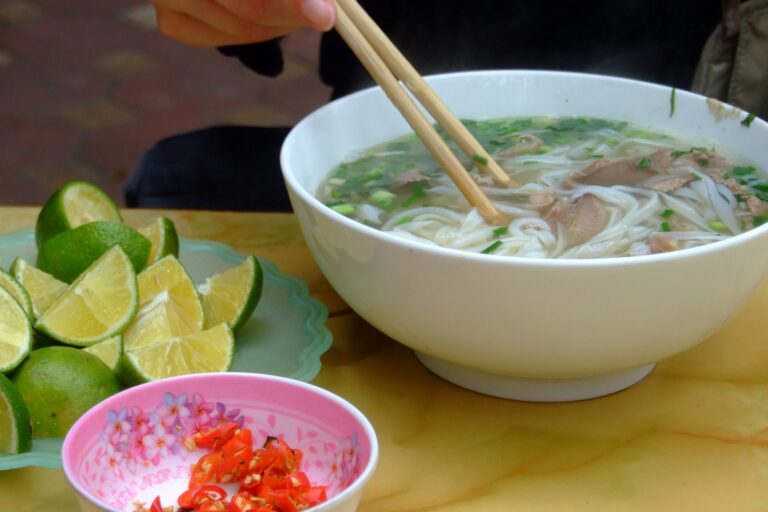
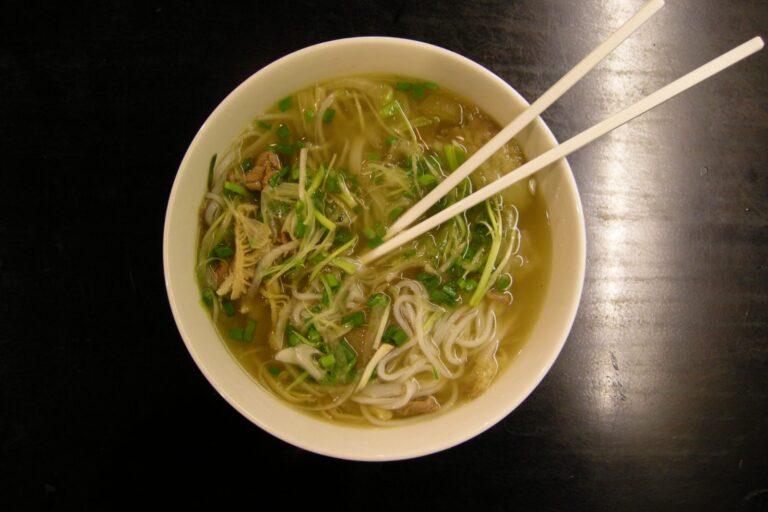
| Pho (Hanoi-Style) | Clear, delicate beef-and-rice-noodle broth — the north’s original version of Vietnam’s most famous dish | Hanoi |
| Bun Cha | Grilled pork patties served in a sweet-savory dipping broth with rice vermicelli and fresh herbs | Hanoi |
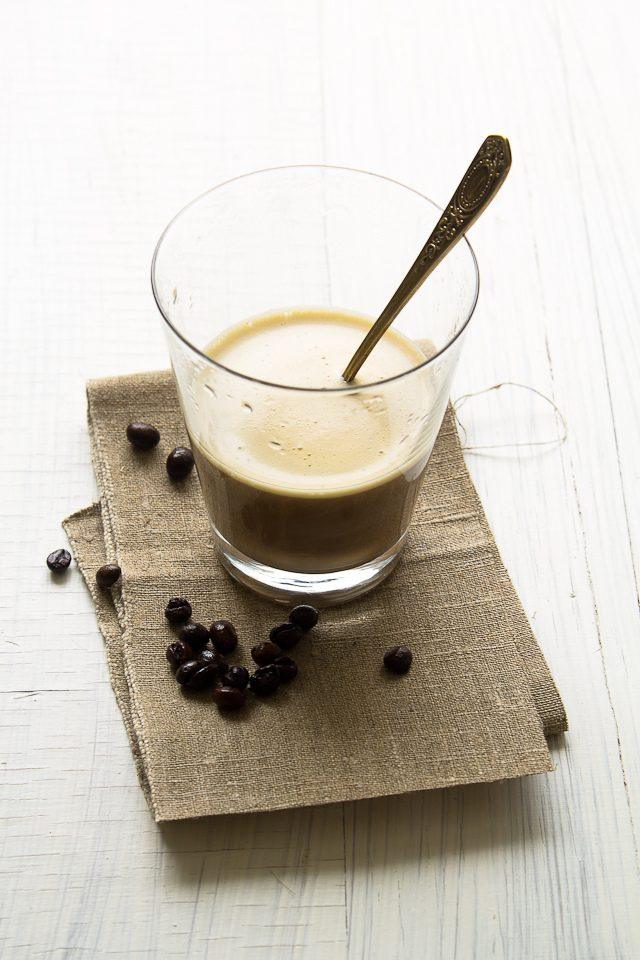
| Egg Coffee | Whipped egg yolk and condensed milk poured over strong Vietnamese coffee | Hanoi |
| Cha Ca La Vong | Turmeric- and dill-marinated fish, grilled tableside and folded into rice noodles and peanuts | Hanoi |
| Thang Co & Salmon Hotpot | A H’mong highland stew Traditionally made with horse meat. alongside a cold-climate salmon hotpot unique to Sapa’s elevation | Sapa |
What Should You Eat in Central Vietnam?
Central Vietnam covers the most ground of any region in this guide, from Hue’s fiery royal-court cooking to the highland produce of Da Lat, and it’s where the country’s food gets its most dish-specific and hyper-local. Da Nang and Hoi An sit only about 30 minutes apart but rarely overlap on a plate, while the beach and highland cities further south — Nha Trang, Quy Nhon, Da Lat, and Mui Ne — each lean on a different local specialty rather than a shared regional cuisine.
| Dish | What It Is | Best Place to Try It |
|---|---|---|
| Cao Lau | Chewy noodles Traditionally made using water drawn from a specific well in town. tossed with pork, greens, and rice crackers; found nowhere outside Hoi An | Hoi An |
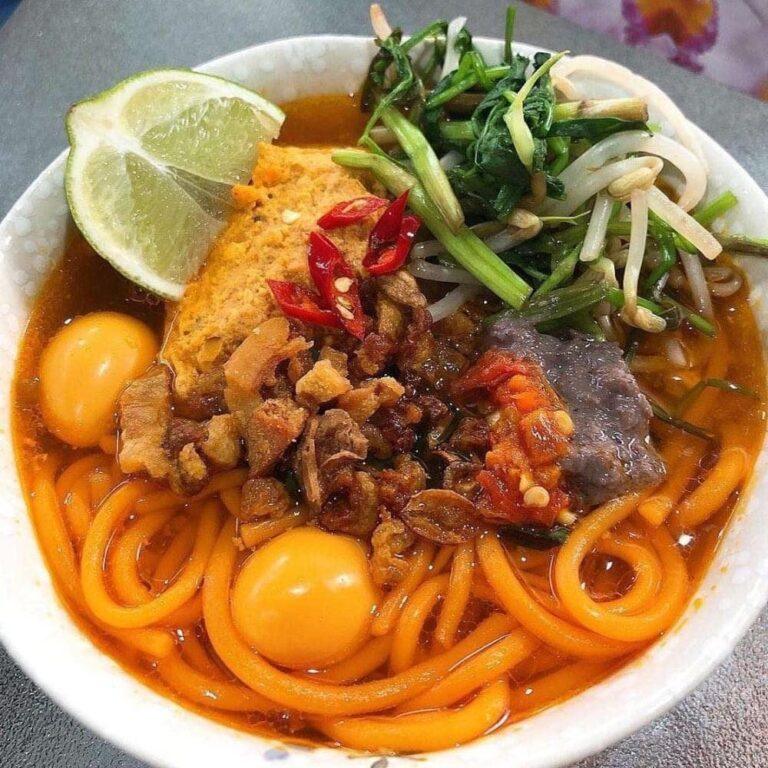
| Mi Quang & Banh Xeo | A turmeric noodle bowl piled with toppings, plus a crispy mung-bean pancake folded around pork and shrimp | Da Nang |
| Bun Bo Hue | Vietnam’s spiciest noodle soup, a lemongrass-and-chili beef broth with roots in Hue’s royal court kitchens | Hue (day trip from Da Nang) |
| Nem Nuong & Fresh Seafood | Grilled pork skewers and just-off-the-boat seafood, built around a working fishing economy | Nha Trang |
| Banh Xeo Tom Nhay | A “jumping shrimp” pancake made with shrimp so fresh they’re said to still be moving when they hit the pan | Quy Nhon |
| Artichoke Tea & Grilled Rice Paper | Produce-driven highland dishes possible only because of Da Lat’s unusually cool Central Highlands climate | Da Lat |
| Banh Can & Fish-Cake Noodles | Mini rice-batter cakes baked in a clay dish, plus noodle soup built on the region’s historic fish-sauce trade | Mui Ne |
What Should You Eat in South Vietnam?
South Vietnam is anchored by Ho Chi Minh City’s fast, sweet, herb-forward street food, but its two island getaways — Phu Quoc and Con Dao — have food identities built almost entirely around their fishing industries rather than the mainland’s Mekong Delta produce.
| Dish | What It Is | Best Place to Try It |
|---|---|---|
| Com Tam | “Broken rice” topped with grilled pork, a fried egg, and pickled vegetables | Ho Chi Minh City |
| Banh Mi | A French-baguette sandwich packed with pate, cold cuts, pickled carrot and daikon, herbs, and chili | Nationwide; most closely associated with Saigon |
| Goi Cuon & Cha Gio | Fresh, uncooked spring rolls and their fried counterpart — the two styles most first-time visitors mix up | Nationwide |
| Fish Sauce, Pepper & Seafood | The island’s three signature exports, built around its fishing fleet and pepper farms | Phu Quoc |
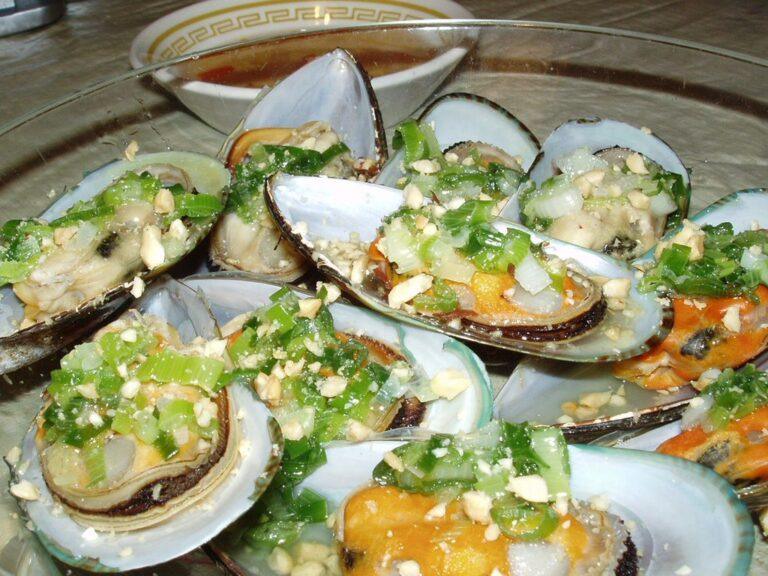
| Rare Seafood | Species harder to find on the mainland, a product of Con Dao’s isolation and protected marine park | Con Dao |
Which City Food Guide Should You Read Next?
Each destination below has its own full food guide with specific restaurant and stall recommendations — use the region breakdown above to decide what to prioritize, then go deeper here.
North Vietnam
Central Vietnam
South Vietnam
Which Vietnamese Dish Deep-Dives Are Worth Reading?
These deep-dives cover the individual dishes that come up most often in reader questions and AI search results — where each one comes from, how it’s made, and why regional versions differ so much.
Noodle Soups
Drinks, Sandwiches & Rolls
More to Explore
How Do You Eat Vietnamese Street Food Safely?
Vietnamese street food is safe to eat in the overwhelming majority of cases as long as a few basic habits are followed: eat where the food is cooked fresh in front of you, favor busy stalls with fast turnover, and ease your stomach in gradually over the first day or two if street food isn’t part of your regular diet at home. Individual risk tolerance and gut sensitivity vary, and standards can differ meaningfully between a city-center stall and a rural one.
- Follow the locals, not the TripAdvisor top ten. A full plastic-stool shop with a line of Vietnamese customers is usually the better call over an empty restaurant built for tourists.
- Eat the regional specialty in its region. Cao Lau outside Hoi An, or bun bo hue outside Hue, isn’t quite the same dish — the water, the noodles, or the broth base often don’t travel.
- Judge safety by turnover, not appearance. A busy stall selling hot, freshly cooked food is generally a safer bet than a quiet one with food sitting out, regardless of how clean either looks.
- Carry small cash for street stalls. Most vendors don’t take cards — see our cash or card in Vietnam guide for how much small-denomination cash to carry day to day.
Frequently Asked Questions About Vietnamese Food
Pho is internationally the most recognized Vietnamese dish — a beef-and-rice-noodle soup that originated in North Vietnam in the early 20th century and now exists in two distinct regional styles: Hanoi’s clear, restrained broth and Saigon’s sweeter, herb-loaded version. Banh mi, the French-influenced baguette sandwich, is a close second in global recognition.
Not uniformly — spice level varies significantly by region. Northern Vietnamese food is generally the mildest, Central Vietnamese food (especially Hue’s bun bo hue) is the spiciest in the country, and Southern Vietnamese food tends to be sweeter with chili served on the side rather than cooked in, so diners can adjust the heat themselves.
Yes, for the most part, if a few basic precautions are followed: choose stalls with high customer turnover and food cooked fresh to order, stick to bottled or filtered water, and be more cautious with raw vegetables and ice at quieter, less-trafficked stalls. Standards vary by location, and travelers with sensitive stomachs should ease in gradually rather than eating aggressively on day one.
Yes. Northern cuisine tends to be more restrained and less sweet, Central cuisine is the spiciest and most elaborate — a legacy of Hue’s royal court cooking — and Southern cuisine is sweeter and more herb-forward, reflecting the Mekong Delta’s abundance of sugar, coconut, and fresh produce.
2 Comments